Key takeaways:
Tepache is a fermented beverage that originated in Mexico.
Fermented foods and drinks contain probiotics, which can bring a range of health benefits, including support for your gut microbiome.
Tepache contains small amounts of alcohol and may not be a good option for everyone.
Tepache is a fermented drink made from pineapple peels, brown sugar, and spices. And it’s been enjoyed in Mexico for generations. This bubbly beverage has recently gained broader attention for its probiotic benefits and refreshing flavor. Like kefir (a fermented milk-based drink) and kombucha (a fermented tea), tepache is part of a long tradition of fermented foods and drinks that may support gut health while offering a unique flavor.
What is tepache?
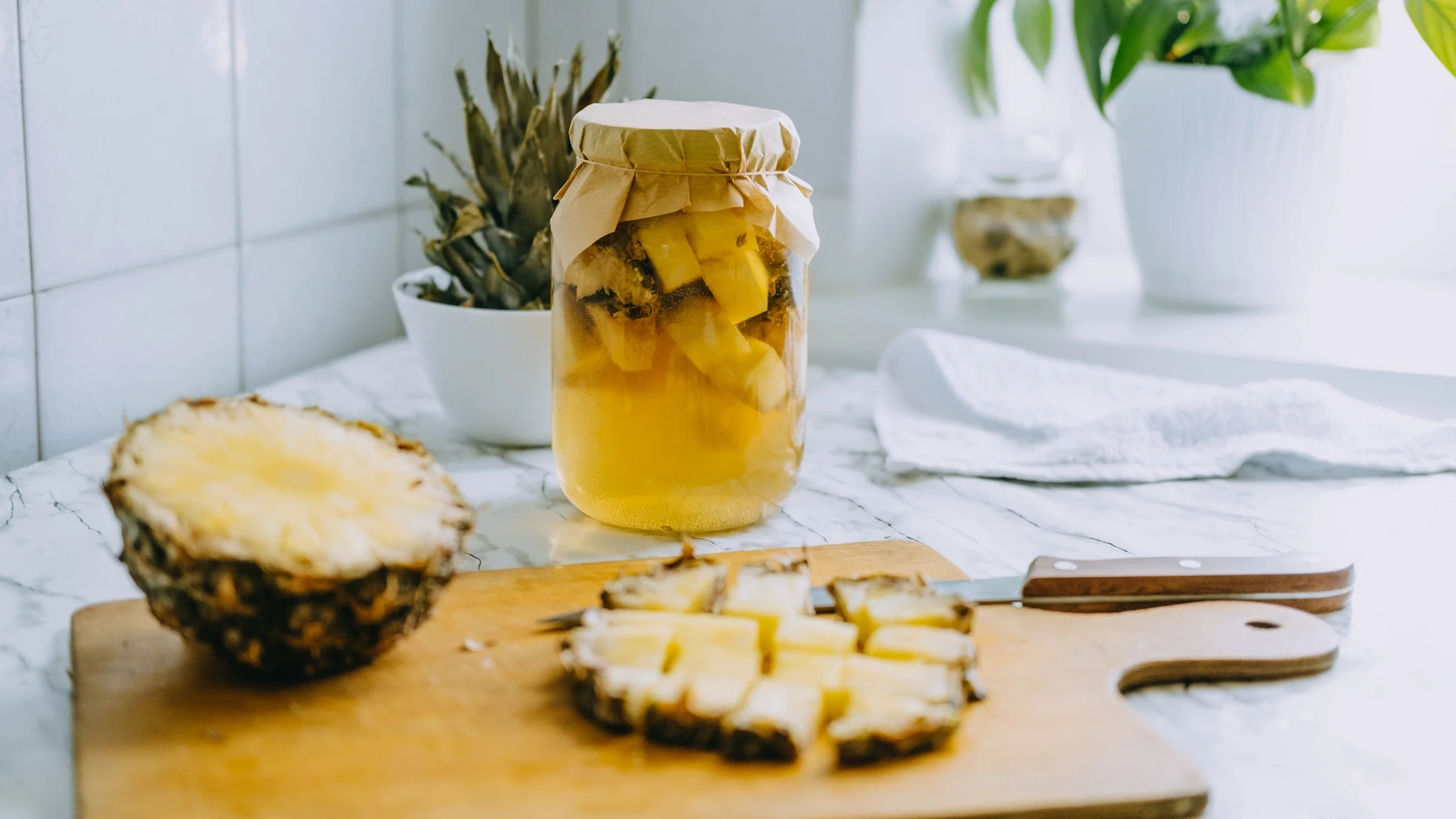
Tepache is a fermented, sparkling beverage that’s most commonly made from the peel and rind of pineapples. The drink, also known as “chicha,” is uncaffeinated and fermented by microorganisms naturally found in the environment and the fruit.
How is tepache made?
Tepache is made through the fermentation process. Fermentation is when bacteria and yeast break down food components (such as sugar) into other products (such as acids or alcohol). A basic tepache recipe usually includes:
Pineapple rinds
Raw sugar, like piloncillo (panela)
Water
Cinnamon
After mixing these ingredients, the concoction is then set aside to ferment for a couple of days.
While pineapple is a common base for tepache, you can also make it by fermenting other fruits and vegetables, including:
Apples
Oranges
Guava
Corn
Good to know: Making tepache at home can be risky. Consuming drinks that weren’t properly fermented can lead to serious illness. There are some safety tips to reduce this risk, but it’s probably best to opt for drinks that are pasteurized.
Tepache and your health
There isn’t much research on the nutrition and health benefits of tepache alone. Most of the health claims surrounding tepache come from the fact that it contains probiotics. Probiotics are live microorganisms like bacteria and yeast that are made when a food or drink is fermented.
Fermented drinks like tepache can deliver a dose of beneficial probiotics. The potential benefits include:
Promoting a healthy gut microbiome
Boosting your immune system
Regulating blood sugar and insulin
There’s also research to show that probiotic drinks can help people manage certain health conditions. These drinks may help:
Support digestive disorders like irritable bowel syndrome (IBS) and ulcerative colitis
Prevent or lower excess body fat
Lower cholesterol levels
Support mental health and brain function to improve conditions such as depression, autism, and Alzheimer’s disease
But keep in mind that these potential health benefits are about probiotics in general. And there are many strains of probiotics. A couple of small studies on Mexican tepache aimed to discover which strains of probiotics were in the drink. Some of the strains found are linked to specific health properties

Read more like this
Explore these related articles, suggested for readers like you.




For example, there’s some evidence that Lactiplantibacillus plantarum can ease diarrhea caused by E. coli infection. And Lactobacillus can help balance the gut, which helps with nutrient absorption. That said, it’s unclear if the same strains or the same amounts would result from all of the different tepache recipes.
Is there alcohol in tepache?
Yes, tepache contains alcohol. But its alcohol content is significantly lower than beer or wine. Traditional tepache tends to be low in alcohol content. Tepache beverages sold in the U.S. have an alcohol by volume (ABV) of around 0.5% to 2%. The amount of alcohol in tepache varies depending on how long it’s fermented.
Is tepache similar to kombucha?
Yes, tepache and kombucha have some things in common. Both drinks are made with a fermentation process and have a similar type of tang and sour flavor with fizz.
But tepache is made from fermented fruit (usually pineapple), while kombucha is made from fermented tea. In the U.S., kombucha is more readily available at grocery stores and specialty markets. Tepache isn’t as common in the U.S., but you may find it in local Mexican grocery stores.
Are there any cons to drinking tepache?
Tepache, like many other fermented products, has a distinct flavor that may not be for everyone. It also contains sugars, so drinking it may put you over the American Heart Association’s recommended limits of 36 g for men and 25 g for women.
It’s important to note that tepache is generally unpasteurized, meaning that it hasn’t gone through heat treatment to destroy potentially harmful bacteria. Unpasteurized drinks have a higher chance of giving you foodborne illnesses. Unpasteurized tepache is especially risky for:
People with a weakened immune system
If you’re unsure whether the tepache you find at the store is pasteurized, check the label. If it’s not pasteurized, it should have a warning label. Talk with a healthcare professional if you have specific health concerns or questions about tepache or other fermented drinks.
Frequently asked questions
Tepache is generally considered safe for most people — including children — when it’s made and stored properly. If you buy bottled tepache in a store, check the label to make sure that it’s pasteurized and non-alcoholic. Under federal law, fermented drinks like kombucha and tepache must be labeled as alcoholic if the ABV is 0.5% or above at any point during the production process.
To be on the safe side, young children should avoid homemade versions of tepache where the production process can’t be verified.
The taste of tepache varies based on the recipe. In general, tepache has a mild, refreshing flavor with a balance of fruity sweetness, tang, and warm spice. Fermentation gives it a gentle carbonation and a subtle sour note, similar to a mild kombucha.
Tepache is generally considered safe for most people — including children — when it’s made and stored properly. If you buy bottled tepache in a store, check the label to make sure that it’s pasteurized and non-alcoholic. Under federal law, fermented drinks like kombucha and tepache must be labeled as alcoholic if the ABV is 0.5% or above at any point during the production process.
To be on the safe side, young children should avoid homemade versions of tepache where the production process can’t be verified.
The taste of tepache varies based on the recipe. In general, tepache has a mild, refreshing flavor with a balance of fruity sweetness, tang, and warm spice. Fermentation gives it a gentle carbonation and a subtle sour note, similar to a mild kombucha.
The bottom line
Tepache is a fermented drink that has been around for centuries. Originating in Mexico, tepache has gained attention in other parts of the world. While the studies on tepache specifically are limited, fermented foods and drinks in general may support gut health. Next time you see tepache in the store, give it a try, and see what you think.

Why trust our experts?



References
Alcohol and Tobacco Tax and Trade Bureau. (2015). Kombucha. U.S. Department of the Treasury.
American Heart Association. (2024). How much sugar is too much?
Ansari, F., et al. (2020). Health benefits of probiotics: A review. Current Pharmaceutical Biotechnology.
Centers for Disease Control and Prevention. (2025). Foods and drinks to avoid or limit.
De La Calle. (n.d.). Is tepache alcoholic?
de la Fuente-Salcido, N. M., et al. (2015). Isolation and characterization of bacteriocinogenic lactic bacteria from M-Tuba and Tepache, two traditional fermented beverages in México. Food Science & Nutrition.
Dimidi, E., et al. (2019). Fermented foods: Definitions and characteristics, impact on the gut microbiota and effects on gastrointestinal health and disease. Nutrients.
Foodsafety.gov. (2025). People at risk: Pregnant women.
Judkins, T. C., et al. (2020). Probiotics, nutrition, and the small intestine. Current Gastroenterology Reports.
Kechagia, M., et al. (2013). Health benefits of probiotics: A review. ISRN Nutrition.
Naglich, M. (2022). What is piloncillo? How is it used?. Allrecipes.
Nwadike, L. (2015). Safely fermenting food at home. University of Missouri Extension.
Ojeda-Linares, C., et al. (2021). Traditional fermented beverages of Mexico: A biocultural unseen foodscape. Foods.
Romero-Luna, H. E., et al. (2017). Traditional fermented beverages from Mexico as a potential probiotic source. Annals of Microbiology.
Ruan, Y., et al. (2015). Effect of probiotics on glycemic control: A systematic review and meta-analysis of randomized, controlled trials. PLoS One.
Sheridan, P. O., et al. (2013). Can prebiotics and probiotics improve therapeutic outcomes for undernourished individuals? Gut Microbes.
U.S. Food and Drug Administration. (2024). What you need to know about juice safety.
Wang, X., et al. (2021). Probiotics regulate gut microbiota: An effective method to improve immunity. Molecules.
Wilkins, T., et al. (2017). Probiotics for gastrointestinal conditions: A summary of the evidence. American Family Physician.
Yan, F., et al. (2011). Probiotics and immune health. Current Opinion in Gastroenterology.