






How Do GLP-1s Affect Your Sleep?
Glucagon-like peptide-1 (GLP-1) medications may improve sleep for some, but disrupt it for others. Here’s how GLP-1s may affect your sleep.
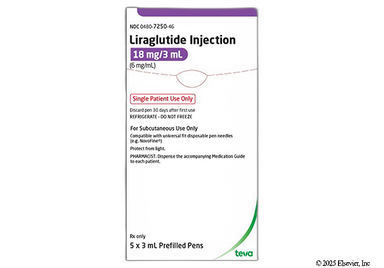
Saxenda (generic name liraglutide) is a once-daily injection given under the skin that's used for weight loss. It's approved for certain adults and children ages 12 years and up. And it works best when used along with a balanced diet and exercise. This prescription weight loss medication is a glucagon-like peptide-1 (GLP-1) agonist. It works by slowing down your gut and making you feel less hungry. Saxenda (liraglutide) comes as a prefilled pen you use to inject your dose. Some common side effects include nausea, vomiting, and diarrhea.

Saxenda (liraglutide) is a glucagon-like peptide-1 agonist, or GLP-1 agonist for short. This means that it works like GLP-1, a hormone in your body that helps control your appetite.
By acting like GLP-1, the medication helps slow your digestion and makes you feel more full after you eat. This can help with weight loss.
| Common Brands | Saxenda |
|---|---|
| Drug Class | GLP-1 agonist |
| Controlled Substance Classification | Not a controlled medication |
| Generic Status | Lower-cost generic available |
| Availability | Prescription only |

The following side effects may get better over time as your body gets used to the medication. Let your healthcare provider know immediately if you continue to experience these symptoms or if they worsen over time.
Adults:
Children 12 years and up:
Adults:
Children 12 years and up:
Contact your healthcare provider immediately if you experience any of the following.
Side effects that you should report to your care team as soon as possible:
Side effects that usually do not require medical attention (report these to your care team if they continue or are bothersome):



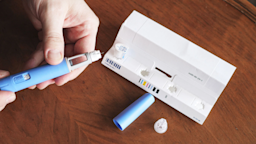
How to use Saxenda (liraglutide):

Saxenda (liraglutide) can cause some serious health issues. This risk may be even higher for certain groups. If this worries you, talk to your doctor or pharmacist about other options.
 In animal studies, Saxenda (liraglutide) was linked to a higher risk of thyroid cancers. It's not known if this medication has the same risk in people.
Because of this potential risk, don't use Saxenda (liraglutide) if you or someone in your family has had medullary thyroid carcinoma (MTC). Also, don't use the medication if you have multiple endocrine neoplasia syndrome type 2 (MEN 2).
Talk to your prescriber if you're worried about the risk of thyroid cancer with Saxenda (liraglutide). Tell them right away if you notice symptoms of thyroid cancer during treatment. Look out for any lumps in your neck, trouble swallowing, a hoarse voice that doesn't go away, or trouble breathing.
Although rare, people taking Saxenda (liraglutide) have had sudden inflammation of the pancreas (pancreatitis). This can sometimes be serious.
Symptoms can include severe or long-lasting stomach pain that spreads to your back. You might also have a fever, nausea, or vomiting. If these symptoms happen, get medical help right away. You might need to stop taking Saxenda (liraglutide).
In rare cases, some people using Saxenda (liraglutide) have had gallstones or an inflamed gallbladder. Some needed surgery to remove the gallbladder. The risk of these problems is higher if you lose a lot of weight very quickly.
Watch for symptoms of gallbladder problems while using Saxenda (liraglutide). These include nausea, vomiting, sudden severe pain in your upper stomach or back. Let your care team know right away if you have these symptoms.
Saxenda (liraglutide) can sometimes cause low blood sugar. This can happen in adults with Type 2 diabetes. Their risk is higher if they take some other diabetes medications, such as insulins or glipizide. In children, low blood sugar can happen even without diabetes.
If you have diabetes, tell your prescriber if you take any medications. They might adjust your diabetes treatment plan or ask you to check your blood sugar more often. This can help manage your blood sugar levels while you're using Saxenda (liraglutide).
Watch for symptoms of low blood sugar. You might feel shaky, weak, confused, nervous, or hungry. You could also have a fast heartbeat, sweat, or feel chills. It's important to know how to bring your blood sugar back up fast because very low blood sugar can be dangerous.
People who use Saxenda (liraglutide) can sometimes have a faster heart rate, even while at rest. In studies, adults had an average rise in their resting heart rate of 2 to 3 beats per minute. In children, heart rate increased by an average of 3 bpm to 7 bpm.
Your prescriber will check your heart rate during regular follow-up visits. Let them know if you have a racing heart or feel like your chest is pounding when you're at rest. In rare cases, you might need to stop using this medication if your heart rate stays high.
Saxenda (liraglutide) can cause side effects like nausea, vomiting, and diarrhea. Sometimes, these can be severe.
Before starting treatment, tell your prescriber if you have any stomach problems. Saxenda (liraglutide) isn't recommended if you have severe gastroparesis. This is a gut condition that slows how your stomach empties.
Some people taking Saxenda (liraglutide) have had kidney problems. In some cases, these problems can be serious. Your risk is higher if you become dehydrated from side effects like nausea, vomiting, and diarrhea.
Tell your prescriber if you have nausea, vomiting, or diarrhea while using Saxenda (liraglutide). Because of the risk of dehydration and kidney issues, your prescriber might check your kidneys with blood tests. This helps them check that your kidneys are working well. Also let your care team know if you urinate less than usual. This can be a sign of a kidney issue.
It's possible to have a serious allergic reaction to Saxenda (liraglutide). Tell your prescriber if you've had a reaction to other GLP-1 agonists. They can decide if Saxenda (liraglutide) is safe for you based on your history of allergic reactions to similar medications.
Call 911 right away if you have an allergic reaction. Watch for swelling in your face or throat, trouble breathing, hives, or other symptoms of anaphylaxis.
Saxenda (liraglutide) slows how fast food leaves your stomach. With other GLP-1 agonists, food had stayed in the stomach during surgery even after fasting. It's rare, but it's led to a serious lung problem if the stomach contents get into the lungs during anesthesia or deep sedation.
Before any surgery or medical procedure, tell your care team that you're taking Saxenda (liraglutide). They can help keep you safe during the procedure and watch for this lung problem.

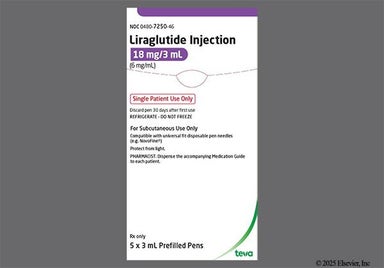
 Carton
| Dosage | Quantity | Price as low as | Price per unit |
|---|---|---|---|
| 5 pens of 18mg/3ml | 1 carton | $372.45 | $372.45 |
The usual starting dose is 0.6 mg injected under the skin once daily. Your prescriber will raise your dose every week until you reach a maintenance dose.
The usual dosing schedule is listed below.
The usual maintenance dose is 3 mg once daily. For children who can't tolerate this dose, they can use a lower maintenance dose of 2.4 mg once daily.


Contraindications are specific health conditions or situations in which a person should not take a medication due to safety concerns. If you have any of the following conditions or if any of the following apply to you, let your healthcare provider know because Saxenda (liraglutide) will not be safe for you to take.











Prescription savings
Stop paying too much for your prescriptions. Compare prices, get pharmacy coupons, and save up to 80%. Find expert answers to your health questions so you can make the best decisions for yourself and your family.
Health conditions
Medications & treatment
Access & affordability
 Our monthly healthcare membership can help you save thousands on your prescription costs.
Resources

Yes, there's now a generic version of Saxenda available. In August 2025, the FDA approved the first generic liraglutide injection for long-term weight management. The generic works the same way as the brand name to help with weight loss when used with a reduced-calorie diet and exercise. If you're thinking about switching, talk to your prescriber or care team to see if it's right for you.
Saxenda starts working in your body right after your first injection. Some people might notice a change on the scale in as little as 2 weeks. Remember, your dose is slowly raised over about 5 weeks. Most people see bigger results after a few months of taking their maintenance dose. And many people see the most weight loss after taking your maintenance dose for a few months. Many people see the most weight loss around the 6-month mark. If you haven't lost at least 4% of your starting weight after about 4 months of treatment, talk to your prescriber. They might decide to try something different to help you manage your weight.
Studies have looked at how well Saxenda helps with weight loss when used with a lower-calorie diet and exercise. In one study, adults without Type 2 diabetes lost an average of 8% of their starting weight after 1 year of using Saxenda every day. This is compared to to an average of about 3% for those who followed diet and exercise alone for the same amount of time. Talk to your care team about how Saxenda is helping with your weight.
There aren't any specific foods that are strictly "off-limits" with Saxenda. But you might feel better if you avoid greasy, fried, and high-fat foods. The medication slows down how fast your stomach empties. This means that heavy meals like fast food or creamy sauces can sit in your stomach longer. This can often cause nausea, bloating, and heartburn. Some people might also feel worse with spicy or highly acidic foods (like citrus or tomatoes). Also try to limit sugary drinks and processed snacks because they can work against your weight-loss goals. Instead, focus on lean proteins and fiber-rich veggies. These can help you stay full and keep your digestion moving. Talk to your care team about nutrition.
Each prefilled pen of Saxenda contains about 18 mg (3 mL) of medication. This means there are thirty 0.6 mg doses in one pen. Keep in mind that your dose will change during the first few weeks as your dose gets raised every week to help with side effects. The number of times you can use each pen depends on the particular dose you're taking. In general, the higher your dose, the fewer times you can use each pen before it runs out of medication. Ask your prescriber if you have questions about your dose or how often you'll need Saxenda refills.
Saxenda and Victoza are not the same, even though they both contain liraglutide. One big difference is what they're FDA approved for. Saxenda is approved to help certain people lose weight along with a lower-calorie diet and exercise. But Victoza is approved to lower blood sugar and lower the risk of heart problems in people with Type 2 diabetes. What's more, the maintenance dose for each is different. For Saxenda, it's typically 3 mg injected under the skin once a day for weight loss. But for Victoza, it's usually 1.2 mg injected under the skin once a day for diabetes. Ask your primary care provider or pharmacist to help you compare the two.
Saxenda (liraglutide) and Wegovy (semaglutide) are two different GLP-1 medications for weight loss. But how you take them and how much weight you might lose can be different. Saxenda is injected under the skin every day. Wegovy is injected under the skin once a week. Wegovy is now also in pill form that's taken once a day. Studies show that Wegovy is generally more powerful. People using Wegovy for a little over a year lost an average of about 16% of their weight. In comparison, people using Saxenda lost an average of about 6% in the same amount of time. Which one your prescriber suggests can be based on your insurance and comfort level on how to take them. It could also depend on how you handle side effects like nausea. Talk to your prescriber to compare and discuss which option might be for you.
Saxenda (liraglutide) and Zepbound (tirzepatide) are both weight loss medications that are injected under the skin. But you use Saxenda once every day, while you only use Zepbound once a week. Both act like gut hormones that help regulate your appetite. While Saxenda acts like one of these gut hormones (GLP-1), Zepbound acts like two (GLP-1 and GIP). Because of this, using Zepbound might lead to more weight loss than Saxenda. They're also used for different people. Saxenda is used for weight loss in adults and some children ages 12 and up, not just in adults like with Zepbound. And Zepbound is also approved to help adults with sleep apnea. Your prescriber can help you compare the medications. They can help decide which fits your health goals and lifestyle best.
