Key takeaways:
Heart palpitations are very common and often not a cause for concern.
Sometimes heart palpitations can accompany other symptoms or be a sign of a serious health problem.
Heart palpitations can be treated, and sometimes lifestyle changes can help prevent them.
Feeling your heart flutter can be surprising and scary, but most of the time these palpitations are nothing to worry about. Heart palpitations are common and occur naturally, often due to exercise, stress, or caffeine. But sometimes heart palpitations can be a sign of a more serious issue. Read on to learn about which symptoms to be concerned about and when to see a healthcare provider.
What do heart palpitations feel like?
Heart palpitations may feel like a pounding or fluttering in your chest. They can feel like your heart is skipping a beat or has an extra beat. Sometimes people can become more aware of and sensitive to their heartbeat. Some may start to notice palpitations more often or feel their heartbeat in their throat or neck. Sometimes palpitations are more noticeable when you’re lying down at night or when being quiet and still.
What causes heart palpitations?
There are many possible causes of heart palpitations. The most common triggers of harmless heart palpitations include:
Exercise
Stress or anxiety
Caffeine
Alcohol
Lack of sleep
Hormonal changes, such as pregnancy or menopause
Some medications, such as inhalers, blood pressure medications, or allergy medications
Sometimes, an underlying medical condition can cause palpitations, such as thyroid conditions, diabetes, lung disease, anemia, or heart disease.
What types of palpitations need medical attention?
There are some heart palpitations that can be a sign of a more dangerous heart rhythm. These may require immediate medical attention and can include:
Atrial fibrillation: when the upper chambers (known as the atria) of the heart beat irregularly
Atrial flutter: when the atria beat quickly in a “fluttering” pattern
Supraventricular tachycardia: when the atria beat abnormally fast
Ventricular tachycardia: when the lower chambers (known as ventricles) of the heart beat abnormally fast
Diagnosing and treating these heart rhythms is important. If untreated, they can increase your risk of stroke, heart failure, or sudden death.
Who’s at risk for life-threatening heart palpitations?
You may be at a higher risk for dangerous heart palpitations if you:
Are over age 65
Have had a heart attack or have an underlying heart condition
Have a congenital heart condition
Have high blood pressure
Have heavy alcohol use
Have obesity
Use stimulant drugs, like methamphetamines or cocaine

Read more like this
Explore these related articles, suggested for readers like you.



What symptoms should I watch out for, and when should I seek emergency care?
If you have any of the following symptoms with palpitations, you should seek emergency care:
Palpitations lasting longer than a few minutes
Chest pain or tightness
Pain in the neck or jaw
Shortness of breath
Dizziness
Loss of consciousness
What to expect when you see a doctor for heart palpitations
It’s a good idea to see your healthcare provider if you notice any of the following:
Your palpitations are lasting for a long time.
They are increasing in frequency.
You have symptoms associated with palpitations.
You have any questions or concerns about them.
What diagnostic tests might be recommended?
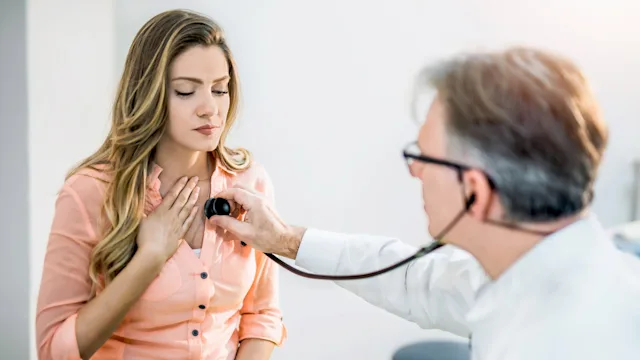
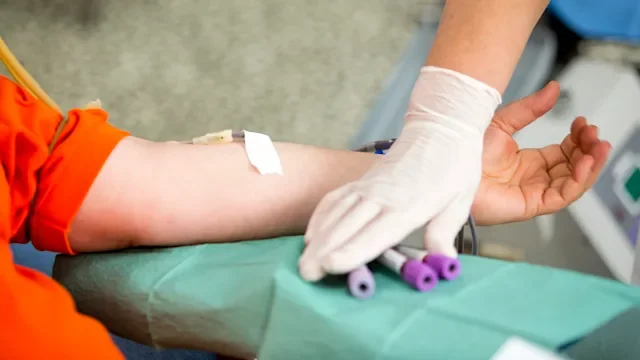
There are several tests that can help figure out the cause of your heart palpitations. Your healthcare provider will ask for details about your symptoms and history. The provider may do blood tests (such as blood counts, kidney function, and thyroid testing) or also do tests on your heart, such as an electrocardiogram or echocardiogram. Sometimes people need heart rhythm monitoring over time, and so it may be recommended that you wear a home heart monitor for up to 2 weeks.
How do you treat heart palpitations?
Treatment of heart palpitations will depend on the cause.
Whatever the cause, some general measures to prevent palpitations are a good place to start:
Reduce caffeine and energy drinks.
Avoid tobacco.
Review medications that could be triggers.
If you’re experiencing anxiety or stress, practice deep breathing and relaxation techniques.
Stay hydrated.
Avoid heavy alcohol use.
Control chronic conditions, such as blood pressure, diabetes, or thyroid disorders.
Depending on the type of palpitations you have, your healthcare provider may suggest medications, such as beta blockers, calcium channel blockers, or other antiarrhythmic medications.
For some abnormal heart rhythms, you may benefit from a procedure called catheter ablation. This is when the problem area of the heart responsible for sending irregular electric signals is zapped to stop it from doing so.
In some cases, a defibrillator — a device that shocks the heart, if needed — may also be recommended to monitor and automatically detect and correct dangerous arrhythmias.
When is it OK to treat palpitations at home?
If heart palpitations are brief and infrequent and there are no concerning symptoms, there are steps you can take to help manage these at home, such as the preventive steps discussed above. Often palpitations will resolve on their own. It can be helpful to keep a log of your palpitations and possible triggers. This can help identify causes, such as certain drinks or behaviors.
If you have a supraventricular tachycardia, your healthcare provider may review ways you can slow your heart rate at home. These may include:
Bearing down like you are having a bowel movement (Valsalva maneuver)
Splashing cold water or putting ice on your face
Breathing deeply
The bottom line
Heart palpitations can be scary, but they are often harmless. There are many steps to help prevent or control heart palpitations. Sometimes they can be a sign of a dangerous heart rhythm and require emergency care. If you have new and persistent palpitations or any symptoms of palpitations, it’s important to be evaluated and see your healthcare provider.

Why trust our experts?



References
American Heart Association. (2016). Prevention and treatment of arrhythmia.
American Heart Association. (2016). Who is at risk for atrial fibrillation (AF or AFib)?
British Heart Foundation. (n.d.). What's the difference between atrial flutter and atrial fibrillation?
Giada, F., et al. (2018). Clinical approach to patients with palpitations. Cardiac Electrophysiology Clinics.
Healthwise. (2020). Vagal maneuvers for supraventricular tachycardia (SVT). University of Michigan Health.
Johns Hopkins Medicine. (n.d.). Arrhythmia treatment.
National Health Service. (2019). Heart palpitations and ectopic beats.
National Heart, Lung, and Blood Institute. (2022). Heart treatments.
National Heart, Lung, and Blood Institute. (2022). What are defibrillators?
National Heart, Lung, and Blood Institute. (2022). What is an arrhythmia?