

Kesimpta, Tysabri, and More: 8 Injections and Infusions for Multiple Sclerosis
For people living with multiple sclerosis (MS), many injectable medications are available to manage the condition. Here are eight MS injections and infusions to know.
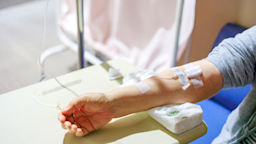
Ocrevus (ocrelizumab) is used to treat multiple sclerosis (MS) in adults. It can also treat certain children 10 years and older with relapsing-remitting MS. Ocrevus (ocrelizumab) is a type of monoclonal antibody. It's given as an infusion through the vein every 6 months at a medical center or clinic. A trained healthcare professional will help give Ocrevus (ocrelizumab) to you. Side effects can include a higher risk of infections and infusion reactions.

Ocrevus (ocrelizumab) is a monoclonal antibody. It's not exactly known how the medication works to help with MS.
But scientists think it attaches to a protein called CD20 found on immune cells in the body. It destroys these immune cells so they can't attack the coverings on your nerve cells by mistake. This might help relieve symptoms of MS.
| Common Brands | Ocrevus |
|---|---|
| Drug Class | Monoclonal antibody |
| Controlled Substance Classification | Not a controlled medication |
| Generic Status | No lower-cost generic available |
| Availability | Prescription only |

The following side effects may get better over time as your body gets used to the medication. Let your healthcare provider know immediately if you continue to experience these symptoms or if they worsen over time.
Note: Side effects were from adults. Side effects were similar for children with MS.
Contact your healthcare provider immediately if you experience any of the following.
Side effects that you should report to your care team as soon as possible:
Side effects that usually do not require medical attention (report these to your care team if they continue or are bothersome):




Ocrevus (ocrelizumab) can cause some serious health issues. This risk may be even higher for certain groups. If this worries you, talk to your doctor or pharmacist about other options.
Ocrevus (ocrelizumab) can cause reactions up to a day after the infusion. You might feel itchy, flushed, dizzy, or nauseous. You also might have hives, pain in the mouth or throat, a fast heart rate, or other signs of anaphylaxis. Neck swelling and trouble breathing can be very serious.
Your care team might give you a few medications about 30 minutes to 1 hour before your Ocrevus (ocrelizumab) infusion. These medications include a steroid and an antihistamine. They also might give you acetaminophen (Tylenol). This helps lower the risk and severity of infusion reactions.
The nurse will watch for reactions during each of your Ocrevus (ocrelizumab) infusions. But let them know if you have any reactions at any time during your infusion. They can slow or stop the infusion and give you medications to help.
Your care team will also watch you for at least another hour after the infusion ends. This helps them look for and attend to any delayed reactions. Get medical help right away if you have an infusion reaction when you're back at home.
Ocrevus (ocrelizumab) can weaken your immune system and make it harder to fight off germs. This can raise your risk of getting infections from bacteria, viruses, or fungi. Some infections include respiratory infections, skin infections, and herpes infections. Sometimes, they can be very serious. For example, it's rare but possible to get a serious brain infection called progressive multifocal leukoencephalopathy (PML).
Before starting Ocrevus (ocrelizumab), tell your prescriber about your medical history. If you're sick, don't start treatment until you get better. Your prescriber will also check for hepatitis B. This infection can come back during treatment and cause serious problems. Your prescriber will make sure this medication is safe for you.
Also let your prescriber know about all the medications you take. It's important to check if you take other medications that can weaken your immune system. This can make your risk of infections even higher.
Call your care team if you have signs of infection. Watch for a fever, chills, cough, trouble breathing, weakness, or a rash. If you're sick, you might need to stop treatment until you're better.
Get medical help right away if you feel weak on one side, have vision changes, feel clumsy, or have trouble thinking or remembering. These could be signs of a serious brain infection that needs medical care.
Ocrevus (ocrelizumab) can lower the levels of certain immunoglobulins (antibodies) in your body. This might put you at risk of serious infections.
Your prescriber will check your antibody levels with blood tests while you're taking Ocrevus (ocrelizumab). They'll keep checking even after you stop until your levels are back to normal. If your antibody levels are too low, your care team can help decide what to do next. For example, immunoglobulin infusions might help bring your levels up.
Although rare, some people who took Ocrevus (ocrelizumab) had colitis. This is when the colon gets inflamed or swollen. It's happened from a few weeks to years after starting Ocrevus (ocrelizumab). Some cases have been serious and needed other medications to help treat it. Sometimes, people needed to go to the hospital or get surgery for this problem.
Your prescriber will monitor you for this gut problem while you're taking Ocrevus (ocrelizumab). Tell your care team right away if you have stomach pain, cramping, diarrhea, or bloody stools. They can see if there's something serious going on.
Some people taking Ocrevus (ocrelizumab) have had liver damage. This can show up as high liver enzyme levels in the blood. It can happen weeks to months after an infusion. Very high liver enzyme levels can raise the risk of severe liver injury.
Your prescriber will check your liver with blood tests before you start Ocrevus (ocrelizumab). They'll make sure the medication is safe for you to take.
Watch for signs of liver problems during treatment. This can include tiredness, loss of appetite, nausea, vomiting, pain on the upper right side of your stomach, dark urine, or yellow skin or eyes. If you notice these, tell your prescriber right away so they can check it out. If there's liver damage, you might need to stop Ocrevus (ocrelizumab).
It's rare, but there might be a possible higher risk of cancer with Ocrevus (ocrelizumab). In studies, cases of cancer, including breast cancer, happened more often in people who took Ocrevus (ocrelizumab) . This was in comparison to those who took either a different MS medication or placebo.
Talk to your prescriber about the risk of cancer with Ocrevus (ocrelizumab). They can talk to you about getting screened for cancer, including any tests or exams you might need. They can also tell you the signs of cancer to watch for during treatment. Call your care team if you notice anything unusual.

Adults: The typical starting dose is 300 mg infused into the vein (intravenously or IV) given once and then again 2 weeks later. After that, the maintenance dose is 600 mg given as an IV infusion every 6 months.
Children 10 years and older: The dose is based on your child's weight.

Contraindications are specific health conditions or situations in which a person should not take a medication due to safety concerns. If you have any of the following conditions or if any of the following apply to you, let your healthcare provider know because Ocrevus (ocrelizumab) will not be safe for you to take.





Prescription savings
Stop paying too much for your prescriptions. Compare prices, get pharmacy coupons, and save up to 80%. Find expert answers to your health questions so you can make the best decisions for yourself and your family.
Health conditions
Medications & treatment
Access & affordability
 Our monthly healthcare membership can help you save thousands on your prescription costs.
Resources

There isn't a specific amount of time that you need to take Ocrevus for. You'll probably keep taking the medication as long as it's helping your MS. Along with this, you'll probably keep taking it as long as you're not having any serious side effects. In studies, people have taken Ocrevus for several years, even up to 9 years. Ask your prescriber if you have questions about how long to take this medication.
Ocrevus is given as an intravenous infusion, or an IV infusion for short. This means that a trained nurse will give the medication as an injection through one of your veins. It's given over a few hours. You'll need to go to the infusion center to get Ocrevus administered. Talk to your care team to learn more about how this medication is given.
Everyone can feel different after they get their Ocrevus infusion. Some people might feel completely fine. Others might start to have reactions, like itchiness, dizziness, nausea, or trouble breathing. Your care team will monitor you for at least an hour after your infusion ends. This helps make sure you're not having any serious side effects or infusion reactions. If they do happen, your care team is there to help. Tell your care team if you're not feeling well after your Ocrevus infusion.
No, Ocrevus isn't a chemotherapy medication. Chemotherapy is a type of treatment that works by killing fast-growing cells in the body. It's usually used to treat cancer. But Ocrevus is a type of medication called a monoclonal antibody. It treats MS by stopping your immune cells from attacking the protective covering of your nerves.
Some people might call Ocrevus an immunosuppressant. It works by stopping immune cells in your body from attacking the protective covering of your nerves. But as a consequence, the medication lowers how many immune cells you have in your body. This can dampen the immune system and put you at risk of infections.
No, Ocrevus doesn't usually make you gain weight. Talk to your primary care provider or prescriber if you notice any changes in weight while taking this medication. They can examine you and help you figure out what's causing this.
If you're pregnant or thinking of getting pregnant, talk to your prescriber. They can help explain the risks and benefits of taking Ocrevus. Animal studies show that it can harm an unborn baby when given during pregnancy. But it's still important to keep MS relapses low while pregnant. Your prescriber can help you decide the safest option for you. Talk to your prescriber right away if you get pregnant during treatment or within 6 months of your last infusion.
Ocrevus and Ocrevus Zunovo are brand-name medications for multiple sclerosis (MS). They both have the same active ingredient, ocrelizumab, and have similar risks. They're both injections given twice a year by a trained nurse. But they're given differently. Ocrevus is an intravenous infusion, meaning it's infused into a vein over a few hours. But Ocrevus Zunovo is given as an injection under the skin of your stomach. Ocrevus Zunovo contains an extra ingredient called hyaluronidase. This extra ingredient helps your body absorb the medication from under the skin. And you generally spend less time at the clinic for Ocrevus Zunovo than for Ocrevus. Talk to your prescriber to compare the two brand names and see which option is right for you.
