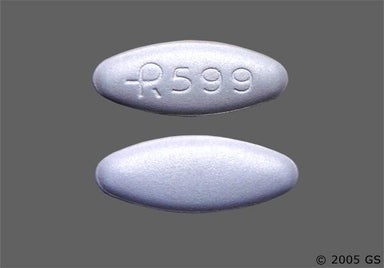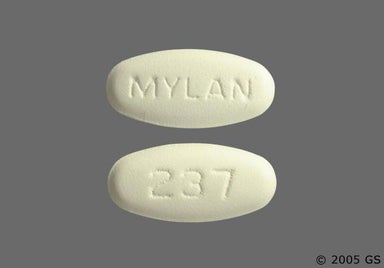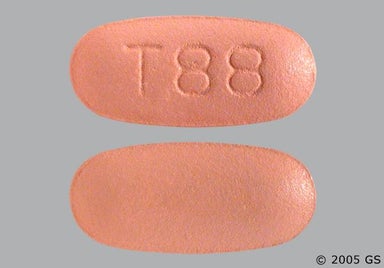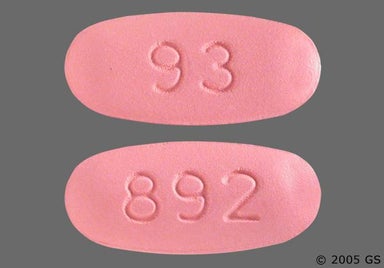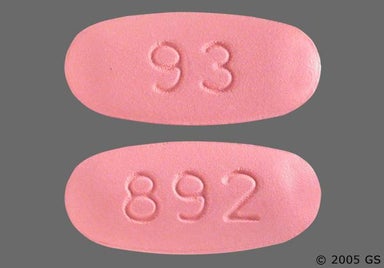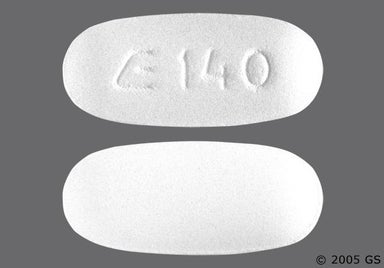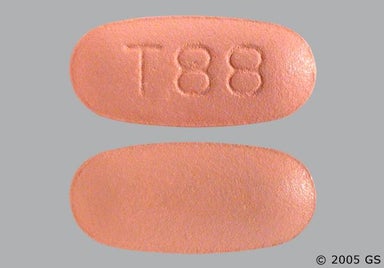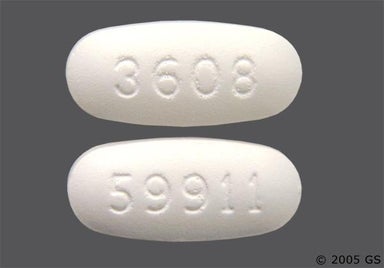
etodolac
Etodolac, also known by its brand name Lodine, is a non-steroidal anti-inflammatory drug (NSAID). The immediate-release pills are taken throughout the day; they're approved for adults with sudden, short-term pain; rheumatoid arthritis; or osteoarthritis. There's also an extended-release tablet for people ages 6 years and older that's taken once per day for the same types of arthritis. Side effects can include stomach pain, dizziness, and rash. Etodolac is currently available by prescription as generic only; the brand name has been discontinued.


What is Etodolac?
What is Etodolac used for?
- Osteoarthritis (OA)
- Rheumatoid arthritis (RA)
- Juvenile idiopathic arthritis - extended-release only
- Short-term pain - immediate-release only
How Etodolac works
Etodolac is a non-steroidal anti-inflammatory drug (NSAID). It blocks proteins in your body called cyclooxygenase or COX. This helps lower inflammation, swelling, and pain.
Drug facts
| Common Brands | Lodine |
|---|---|
| Drug Class | NSAID |
| Controlled Substance Classification | Not a controlled medication |
| Generic Status | Lower-cost generic available |
| Availability | Prescription only |

Side effects of Etodolac
The following side effects may get better over time as your body gets used to the medication. Let your healthcare provider know immediately if you continue to experience these symptoms or if they worsen over time.
Common Side Effects
The following side effects were reported in 1% to 10% of people who took etodolac:
- Stomach pain
- Indigestion or heartburn
- Nausea
- Vomiting
- Constipation
- Diarrhea
- Passing gas
- Stomach ulcer
- Stomach bleeding
- Swelling
- Headache
- Ringing in the ears
- Itching
- Rash
- Anemia (low red blood cell count)
- Elevated liver enzymes
Less Common Side Effects
- Chills
- Blurred vision
- Urinary problems
- Muscle pain
Etodolac serious side effects
Contact your healthcare provider immediately if you experience any of the following.
- Stomach bleeding: feeling faint, vomiting blood, bloody or dark stools, severe stomach pain or discomfort
- Heart attack: chest pain or tightness; pain that spreads to your shoulder, arm, neck, or jaw
- Stroke: difficulty breathing, weakness in one part of your body or face, slurred speech
- Heart failure: difficulty breathing, swelling, fast heartbeat
- Liver problems: swelling of your stomach, yellowing of your skin or the whites of your eyes, dark or brown urine, confusion
- Kidney problems: tiredness, dry and itchy skin, low appetite, urinating less than usual, foamy or bloody urine, muscle cramps
- Serious allergic reaction or skin reaction: hives, rash, blisters, skin reddening, blisters, swelling of the lips or tongue, difficulty breathing
The following Etodolac side effects have also been reported
Along with its needed effects, a medicine may cause some unwanted effects. Although not all of these side effects may occur, if they do occur they may need medical attention.
Check with your doctor immediately if any of the following side effects occur:
More common
Abdominal or stomach bloating, burning, cramping, or pain
belching
bloody or black, tarry stools
blurred vision
body aches or pain
cloudy urine
congestion
cough or hoarseness
decrease in urine output or decrease in urine-concentrating ability
dizziness
dryness or soreness of throat
feeling of indigestion
fever or chills
headache
increased bleeding time
itching skin
loss of appetite
lower back or side pain
nervousness
pain in the chest below the breastbone
painful or difficult urination
pale skin
pounding in the ears
rash
severe stomach pain
slow or fast heartbeat
swelling
tender, swollen glands in neck
trouble in swallowing
troubled breathing with exertion
unusual bleeding or bruising
unusual tiredness or weakness
voice changes
vomiting of blood or material that looks like coffee grounds
Symptoms of overdose
Agitation
change in consciousness
confusion
difficult or troubled breathing
hostility
irregular, fast or slow, or shallow breathing
irritability
loss of consciousness
muscle twitching
pain or discomfort in chest, upper stomach, or throat
pale or blue lips, fingernails, or skin
puffiness or swelling of the eyelids or around the eyes, face, lips, or tongue
rapid weight gain
seizures
shortness of breath
sleepiness
stupor
swelling of face, ankles, or hands
tightness in chest
unusual drowsiness, dullness, or feeling of sluggishness
Some side effects may occur that usually do not need medical attention. These side effects may go away during treatment as your body adjusts to the medicine. Also, your health care professional may be able to tell you about ways to prevent or reduce some of these side effects. Check with your health care professional if any of the following side effects continue or are bothersome or if you have any questions about them:
Other side effects not listed may also occur in some patients. If you notice any other effects, check with your healthcare professional.
Call your doctor for medical advice about side effects. You may report side effects to the FDA at 1-800-FDA-1088.

Pros and cons of Etodolac
Pros
- Works well to treat pain and inflammation
- Extended-release tablets can be used for children as young as 6 years old
- Available as a lower-cost generic
Cons
- Only available as pills that can't be split, open, or crushed
- Not safe to take after 20 weeks of pregnancy
- Might not be the best option if you're 65 years or older or if you have kidney, heart, liver, or bleeding problems

Pharmacist tips for Etodolac

- You can take etodolac with or without food, but be consistent. Taking with food or milk can help prevent getting an upset stomach. But food might also slow down how long it takes your body to absorb immediate-release etodolac, so it can possibly take a little longer for the effects to kick in.
- Don't crush, chew, or open the etodolac pills. Contact your prescriber if you're having trouble swallowing the pills. You might need to be switched to a different medication.
- Avoid alcohol while you're taking etodolac. Alcohol can raise your risk for stomach upset, stomach bleeds, and stomach ulcers. Talk with your healthcare team if you regularly drink alcohol and it's difficult for you to stop. They can recommend resources to help you stop drinking or discuss other treatment options to help with your condition.
- Etodolac can raise the risk for stomach bleeding. Tell your prescriber right away if you have unexplained vomiting or stomach pain or blood in your vomit or stool. They can let you know whether you need more medical attention.
- Etodolac might raise your blood pressure. If you already have high blood pressure, your prescriber might ask you to check your blood pressure at home more often. If needed, they might make changes to your blood pressure medications.
- Avoid taking etodolac with other NSAIDs, such as ibuprofen (Advil). Taking more than one NSAID at the same time puts you at higher risk for stomach bleeds, stroke, and heart attack. Carefully check the manufacturer's label of over-the-counter medications because they might contain NSAIDs. Ask a pharmacist if you're not sure whether you're already taking a medication with an NSAID.
- Make sure to tell your prescriber and pharmacist about all of the medications you're taking or planning to take. Etodolac can interact with many medications, such as blood pressure medications and blood thinners (including aspirin). These interactions can raise your risk for side effects. Your care team can check that your medications are safe to take together.
- If you're pregnant, talk to your healthcare team about safe alternatives for pain instead of etodolac. The FDA recommends avoiding NSAIDs like etodolac during the second half of pregnancy because NSAIDs might harm your unborn baby or cause complications during delivery. It's not clear how safe etodolac is in the first half of pregnancy either.
- Talk to your care team about the risks and benefits of taking etodolac if you're breastfeeding. There isn't any research on how safe etodolac is while breastfeeding.
- Tell your healthcare professional if you're allergic to aspirin. There's a chance you might be allergic to etodolac as well because the two medications are related to each other.

Risks and warnings for Etodolac
Etodolac can cause some serious health issues. This risk may be even higher for certain groups. If this worries you, talk to your doctor or pharmacist about other options.
Stomach bleeding
- Risk factors: Older adults | History of stomach bleeding or bleeding problems | Liver problems | Taking other medications that raise your risk of bleeds | Drinking alcohol | Smoking | Taking etodolac for a long time
 Taking etodolac can raise your risk for stomach ulcers (sores) and bleeds. These stomach injuries can happen at any time while you're taking etodolac; it's a dangerous side effect that requires treatment right away. Tell your prescriber or pharmacist about all of your medical conditions and medications before you start etodolac so they can talk with you about your risk for stomach bleeding.
 Oftentimes, people who have stomach bleeds don't have noticeable symptoms, especially if the bleeding is slow and happens over a long period of time. Stomach ulcers can feel like a gnawing pain in the stomach area. Seek medical attention right away if you're feeling faint, vomiting blood, have bloody or dark stools, or have severe stomach pain or discomfort that doesn't go away while you're taking etodolac.
Heart attack and stroke
- Risk factors: Heart problems | Taking higher doses of etodolac | Taking etodolac for a long time | Past or planned heart surgery
Etodolac might raise your risk of having blood clots, which can sometimes lead to a heart attack or stroke. Talk to your prescriber before you start taking etodolac if you have heart problems. Don't take this medication if you had, or will have, heart surgery.
To lower your risk of blood clots, heart attack, and stroke, your prescriber will recommend that you take etodolac for the shortest time needed to treat your condition. Call 911 or get immediate help if you experience chest pain, shortness of breath, weakness on one side of your body, or trouble speaking or walking. These can be signs of a serious blood clot.
High blood pressure and heart failure
- Risk factors: Heart problems
Etodolac can cause your body to hold onto extra fluid. This can raise your blood pressure or put you at risk for heart failure. Tell your prescriber if you have a history of a heart condition or if you're taking blood pressure medications before you start etodolac. Your prescriber will also check for heart problems before your treatment with etodolac starts. Contact your healthcare team if you have unexplained fainting, chest pain with physical activity, or irregular heartbeat while you're taking etodolac. These can be signs of heart problems from fluid build-up.
Kidney damage
- Risk factors: Older adults | Kidney problems | Heart failure | Liver problems | Taking other medications that can cause kidney problems
Long-term use of NSAIDs like etodolac can cause injury to the kidneys. Your risk is higher if you're of older age, if you have certain medical problems like kidney problems, or if you take medications that can cause kidney damage such as diuretics (water pills). Contact your care team if you develop any signs or symptoms of kidney problems, including changes in your need to urinate, tiredness, dry and itchy skin, low appetite, and muscle cramps.
Liver problems
- Risk factors: History of liver problems
Some people who took etodolac had higher liver enzyme levels in their blood, which can mean harm to your liver. Although rare, there have been reports of serious liver problems that can lead to liver failure. Get medical attention right away if you notice swelling of your stomach; stomach pain; yellowing of your skin or the whites of your eyes; stool changes (black, tarry, or bloody stools); nausea; or dark or brown urine. These can be signs of liver damage, and you might need to stop taking etodolac to prevent further harm.
Severe allergic reactions and skin reactions
- Risk factors: Aspirin or NSAID allergy | Aspirin-sensitive asthma | Asthma with rhinitis (runny or stuffy nose), with or without nasal polyps
Severe allergic reactions to etodolac are possible, including life-threatening reactions like facial swelling, shock, and anaphylaxis. Tell your prescriber if you have an allergy to aspirin or other NSAIDs; you might be at risk for an allergic reaction to etodolac. Get medical help right away if you notice hives, swelling of the lips or tongue, or difficulty breathing after you take etodolac.
Although rare, etodolac can also cause serious skin reactions, including Stevens-Johnson syndrome (SJS), toxic epidermal necrolysis (TEN), and drug reaction with eosinophilia and systemic symptoms (DRESS). Stop taking etodolac and get medical attention right away if you notice changes in your skin, such as rash, blisters, skin reddening, or skin peeling.
Not safe to take while pregnant
Etodolac can cause harm to an unborn baby, especially if it's taken in the second half of pregnancy (after week 20). The medication can raise the risk for serious complications, such as heart or kidney problems in your unborn baby or problems during delivery. Speak to your prescriber about the risks and benefits of taking etodolac if you're pregnant.
Risk for bleeding
- Risk factors: Taking with other blood thinners (e.g. aspirin, warfarin) | Taking with selective serotonin reuptake inhibitors (SSRIs) and serotonin norepinephrine reuptake inhibitors (SNRIs) | Blood-clotting problems
NSAIDs like etodolac can raise your risk for bleeding. Let a healthcare professional know if you bleed more easily, if bleeding takes longer to stop, or if bleeding doesn't stop while you're taking this medication.

Etodolac dosage


Interactions between Etodolac and other drugs
Although certain medicines should not be used together at all, in other cases two different medicines may be used together even if an interaction might occur. In these cases, your doctor may want to change the dose, or other precautions may be necessary. When you are taking this medicine, it is especially important that your healthcare professional know if you are taking any of the medicines listed below. The following interactions have been selected on the basis of their potential significance and are not necessarily all-inclusive.
Using this medicine with any of the following medicines is not recommended. Your doctor may decide not to treat you with this medication or change some of the other medicines you take.
Using this medicine with any of the following medicines is usually not recommended, but may be required in some cases. If both medicines are prescribed together, your doctor may change the dose or how often you use one or both of the medicines.
- Abciximab
- Aceclofenac
- Acemetacin
- Acenocoumarol
- Amiloride
- Amineptine
- Amitriptyline
- Amitriptylinoxide
- Amoxapine
- Amtolmetin Guacil
- Anagrelide
- Apixaban
- Ardeparin
- Argatroban
- Aspirin
- Balsalazide
- Bemiparin
- Bendroflumethiazide
- Benzthiazide
- Betamethasone
- Betrixaban
- Bismuth Subsalicylate
- Bivalirudin
- Bromfenac
- Budesonide
- Bufexamac
- Bumetanide
- Cangrelor
- Celecoxib
- Certoparin
- Chlorothiazide
- Chlorthalidone
- Choline Magnesium Trisalicylate
- Choline Salicylate
- Cilostazol
- Citalopram
- Clomipramine
- Clonixin
- Clopamide
- Clopidogrel
- Cortisone
- Cyclopenthiazide
- Cyclosporine
- Dabigatran Etexilate
- Dalteparin
- Danaparoid
- Deflazacort
- Desipramine
- Desirudin
- Desmopressin
- Desvenlafaxine
- Dexamethasone
- Dexibuprofen
- Dexketoprofen
- Diazoxide
- Dibenzepin
- Diclofenac
- Diflunisal
- Digoxin
- Dipyridamole
- Dipyrone
- Dothiepin
- Doxepin
- Droxicam
- Duloxetine
- Edoxaban
- Enoxaparin
- Eplerenone
- Epoprostenol
- Eptifibatide
- Escitalopram
- Ethacrynic Acid
- Etofenamate
- Etoricoxib
- Felbinac
- Fenoprofen
- Fepradinol
- Feprazone
- Feverfew
- Floctafenine
- Flufenamic Acid
- Fluocortolone
- Fluoxetine
- Flurbiprofen
- Fluvoxamine
- Fondaparinux
- Furosemide
- Ginkgo
- Gossypol
- Heparin
- Hydrochlorothiazide
- Hydrocortisone
- Hydroflumethiazide
- Ibuprofen
- Iloprost
- Imipramine
- Indapamide
- Inotersen
- Ketoprofen
- Lepirudin
- Levomilnacipran
- Lithium
- Lofepramine
- Lornoxicam
- Loxoprofen
- Lumiracoxib
- Magnesium Salicylate
- Meadowsweet
- Meclofenamate
- Mefenamic Acid
- Melitracen
- Meloxicam
- Mesalamine
- Methotrexate
- Methyclothiazide
- Methylprednisolone
- Metolazone
- Milnacipran
- Morniflumate
- Nabumetone
- Nadroparin
- Naproxen
- Nefazodone
- Nepafenac
- Niflumic Acid
- Nimesulide
- Nimesulide Beta Cyclodextrin
- Nortriptyline
- Olsalazine
- Opipramol
- Oxaprozin
- Oxyphenbutazone
- Paramethasone
- Parecoxib
- Parnaparin
- Paroxetine
- Pemetrexed
- Pentosan Polysulfate Sodium
- Pentoxifylline
- Phenindione
- Phenprocoumon
- Phenylbutazone
- Phenyl Salicylate
- Piketoprofen
- Piroxicam
- Polythiazide
- Prasugrel
- Prednisolone
- Prednisone
- Proglumetacin
- Propyphenazone
- Proquazone
- Protein C
- Protriptyline
- Reboxetine
- Reviparin
- Rivaroxaban
- Rofecoxib
- Salicylamide
- Salicylic Acid
- Salsalate
- Sertraline
- Sibutramine
- Sodium Salicylate
- Spironolactone
- Sulfasalazine
- Sulindac
- Tacrolimus
- Tenofovir Disoproxil Fumarate
- Tenoxicam
- Tianeptine
- Tiaprofenic Acid
- Ticagrelor
- Ticlopidine
- Tinzaparin
- Tirofiban
- Tolfenamic Acid
- Tolmetin
- Torsemide
- Trazodone
- Treprostinil
- Triamterene
- Trichlormethiazide
- Trimipramine
- Trolamine Salicylate
- Valdecoxib
- Venlafaxine
- Vilazodone
- Vorapaxar
- Vortioxetine
- Warfarin
- Xipamide
Using this medicine with any of the following medicines may cause an increased risk of certain side effects, but using both drugs may be the best treatment for you. If both medicines are prescribed together, your doctor may change the dose or how often you use one or both of the medicines.
- Acebutolol
- Alacepril
- Atenolol
- Azilsartan
- Azilsartan Medoxomil
- Benazepril
- Betaxolol
- Bisoprolol
- Candesartan Cilexetil
- Captopril
- Carteolol
- Carvedilol
- Celiprolol
- Dicumarol
- Enalapril
- Enalaprilat
- Eprosartan
- Esmolol
- Fosinopril
- Irbesartan
- Labetalol
- Levobunolol
- Lisinopril
- Losartan
- Metipranolol
- Metoprolol
- Moexipril
- Nadolol
- Nebivolol
- Olmesartan Medoxomil
- Oxprenolol
- Penbutolol
- Perindopril Erbumine
- Pindolol
- Practolol
- Propranolol
- Quinapril
- Ramipril
- Sotalol
- Spirapril
- Telmisartan
- Timolol
- Trandolapril
- Valsartan

How much does Etodolac cost?
$13.72

Etodolac contraindications
Contraindications are specific health conditions or situations in which a person should not take a medication due to safety concerns. If you have any of the following conditions or if any of the following apply to you, let your healthcare provider know because Etodolac will not be safe for you to take.
- History of asthma, hives, or other allergic reactions after taking aspirin or another NSAID
- Use of etodolac after coronary artery bypass graft surgery (CABG)

What are alternatives to Etodolac?

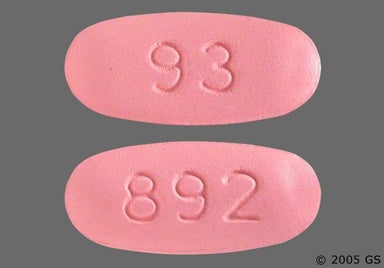
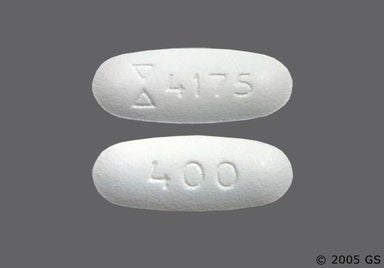
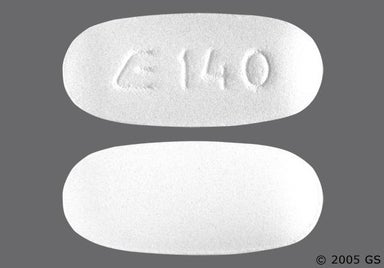
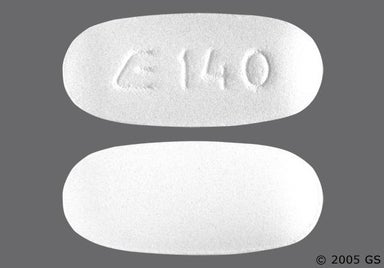
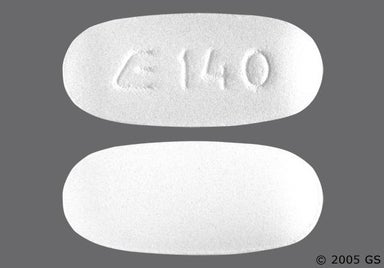
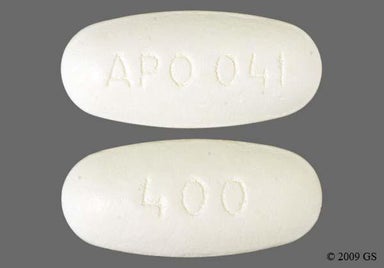
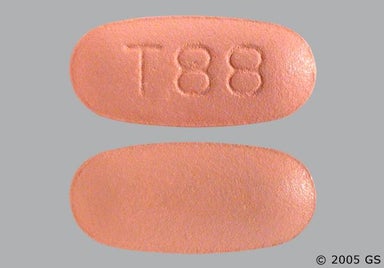
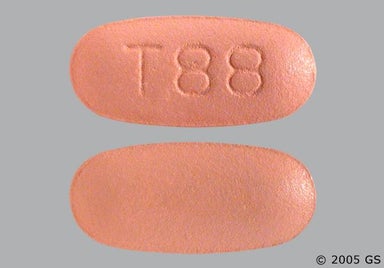
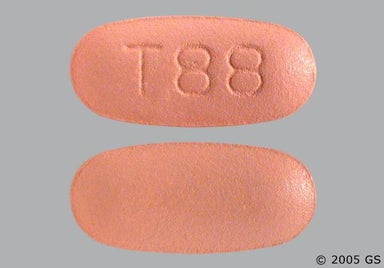
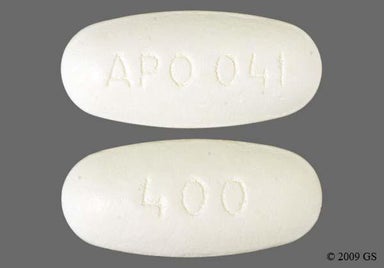
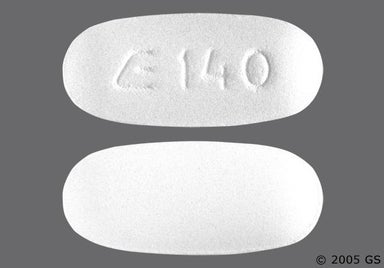
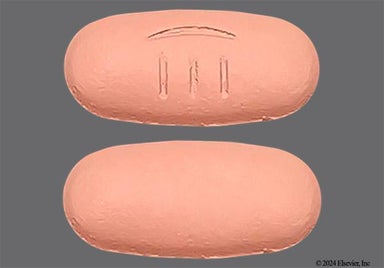
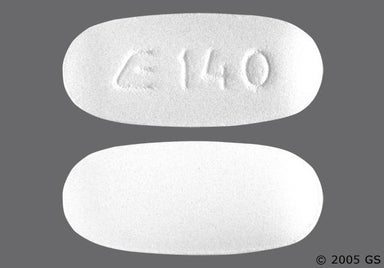
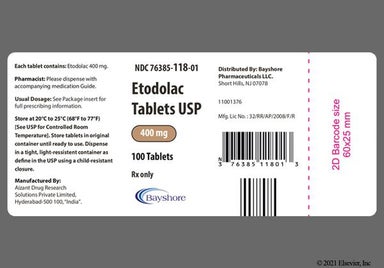
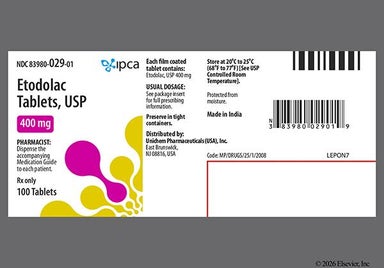
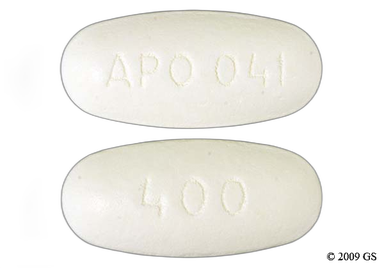
Etodolac images