




How Much Is Eliquis Without Insurance?
Eliquis is used to treat and prevent blood clots. See what affects the cost of Eliquis, how insurance covers Eliquis, and how you can save.
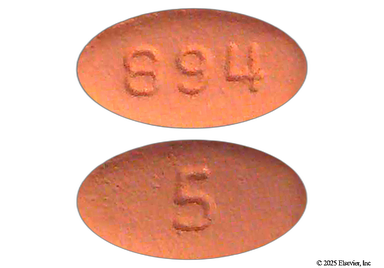
Eliquis (apixaban) is an anticoagulant (blood thinner) used to prevent and treat blood clots. It can lower the risk of serious conditions like stroke, deep vein thrombosis (DVT), and pulmonary embolism (PE). The medication comes as a tablet or liquid and is taken by mouth twice a day. Common side effects include bleeding and bruising. Although generic versions have been approved by the FDA, they might not be available until 2026.

Adults:
Children:
Eliquis (apixaban) is a direct-acting oral anticoagulant (DOAC) that works by blocking factor Xa, a protein your body uses to form clots. By stopping this protein, Eliquis (apixaban) helps thin your blood and prevent clots from forming or getting bigger.
| Common Brands | Eliquis, Eliquis Sprinkle |
|---|---|
| Drug Class | Direct-acting oral anticoagulant (DOAC) |
| Controlled Substance Classification | Not a controlled medication |
| Generic Status | No lower-cost generic available |
| Availability | Prescription only |

The following side effects may get better over time as your body gets used to the medication. Let your healthcare provider know immediately if you continue to experience these symptoms or if they worsen over time.
Adults:
Children:
Contact your healthcare provider immediately if you experience any of the following.
Along with its needed effects, a medicine may cause some unwanted effects. Although not all of these side effects may occur, if they do occur they may need medical attention.
Check with your doctor immediately if any of the following side effects occur:
Rare
Blood in the eyes
blood in the urine
bloody or black, tarry stools
bruising or purple areas on the skin
confusion
coughing up blood
decreased alertness
difficulty swallowing
dizziness
fainting
fast heartbeat
headache
joint pain or swelling
nosebleeds
puffiness or swelling of the eyelids or around the eyes, face, lips, or tongue
redness of the eye
severe stomach pain
shortness of breath
tightness in the chest
unusual tiredness or weakness
vomiting of blood or material that looks like coffee grounds
Other side effects not listed may also occur in some patients. If you notice any other effects, check with your healthcare professional.
Call your doctor for medical advice about side effects. You may report side effects to the FDA at 1-800-FDA-1088.




Eliquis (apixaban) can cause some serious health issues. This risk may be even higher for certain groups. If this worries you, talk to your doctor or pharmacist about other options.
 If you stop taking Eliquis (apixaban) too soon without speaking with your prescriber, your risk of dangerous blood clots might go up. If you need to stop the medication for any reason other than bleeding or finishing treatment, your prescriber might have you start on another blood thinner to help keep you protected.
If you’re taking Eliquis (apixaban) and need spinal or epidural anesthesia (numbing around your spine) or a spinal tap, you might have a higher risk of bleeding near your spine. This type of bleeding, called a spinal or epidural hematoma, is rare but can cause long-term or permanent paralysis. Your care team will explain how to safely stop Eliquis (apixaban) before the procedure to help lower this risk. Call your prescriber right away if you notice back pain, weakness, numbness, difficulty walking, or a loss of bowel or bladder control.
Since Eliquis (apixaban) is a blood thinner, it can raise your risk of bleeding, including serious and life-threatening bleeding. You might bruise more easily, and bleeding might take longer to stop. Your risk of bleeding is higher if you have certain other medical conditions or take other medications that cause bleeding. Get medical help right away if you or your child have bleeding that doesn't stop, blood in your urine or stool, coughing or vomiting blood, or feel dizzy or lightheaded.
There are medications, such as Andexxa (andexanet alfa), that can reverse the effects of Eliquis (apixaban) in an emergency. But these reversal medications are given through a vein (intravenously, IV) and are usually only available in the hospital. It's very important that all healthcare professionals, including emergency responders, know you're taking Eliquis (apixaban). Wearing a medical alert bracelet that lists this medication can help keep you safe.
Eliquis (apixaban) hasn’t been studied in people with artificial heart valves. Because of this, it’s not recommended for people who have a prosthetic heart valve.
Eliquis (apixaban) isn't recommended for people with triple-positive antiphospholipid syndrome (APS) because it's been linked to a higher chance of blood clots coming back. If you have APS, your prescriber will likely recommend a different medication to help reduce your risk for clots.

Adults:
How long you take Eliquis (apixaban) is based on why you're taking it. Your dose might be lower depending on your age, weight, and kidney health.
Children:
The dose is based on your child's weight, and the medication is taken by mouth twice a day.

Although certain medicines should not be used together at all, in other cases two different medicines may be used together even if an interaction might occur. In these cases, your doctor may want to change the dose, or other precautions may be necessary. When you are taking this medicine, it is especially important that your healthcare professional know if you are taking any of the medicines listed below. The following interactions have been selected on the basis of their potential significance and are not necessarily all-inclusive.
Using this medicine with any of the following medicines is not recommended. Your doctor may decide not to treat you with this medication or change some of the other medicines you take.
Using this medicine with any of the following medicines is usually not recommended, but may be required in some cases. If both medicines are prescribed together, your doctor may change the dose or how often you use one or both of the medicines.
Using this medicine with any of the following medicines may cause an increased risk of certain side effects, but using both drugs may be the best treatment for you. If both medicines are prescribed together, your doctor may change the dose or how often you use one or both of the medicines.


Contraindications are specific health conditions or situations in which a person should not take a medication due to safety concerns. If you have any of the following conditions or if any of the following apply to you, let your healthcare provider know because Eliquis (apixaban) will not be safe for you to take.









Prescription savings
Stop paying too much for your prescriptions. Compare prices, get pharmacy coupons, and save up to 80%.Resources
About GoodRx
 Find expert answers to your health questions so you can make the best decisions for yourself and your family.
Health conditions
Medications & treatment
Access & affordability
Well-being
Medication discounts

DOACs, such as Eliquis, are the first-choice treatment options for preventing stroke in people with AFib that's not related to heart valve problems. Eliquis might have a lower risk of bleeds compared with some other DOACs. Talk with your provider if you want to know more about your medication options for AFib.
Both Eliquis and Xarelto (rivaroxaban) are DOACs that work well to treat and prevent blood clots. But there are some differences between them: (1) Eliquis is taken twice daily, whereas Xarelto (rivaroxaban) is taken once daily in most cases. (2) Eliquis might have a lower risk of bleeds compared with Xarelto (rivaroxaban) in people with AFib. (3) Eliquis might be a better choice for certain people with kidney problems compared with Xarelto (rivaroxaban). Talk with your provider if you have more questions about the differences between Eliquis and Xarelto (rivaroxaban).
Yes, you can switch from warfarin (Coumadin) to Eliquis if your provider says it's safe to do so. To make the switch, you'll need to wait until your international normalized ratio (INR) is below 2.0 before you can start taking Eliquis. During this time, your provider might check your blood work more often to monitor your INR. If you want to switch from warfarin (Coumadin) to Eliquis, talk with your provider.
There haven't been enough studies looking at how Eliquis affects human pregnancy. But it's likely that this medication can raise the risk of bleeding during pregnancy and delivery. If you're pregnant or thinking of becoming pregnant, talk to your provider about the risks and benefits of using Eliquis in pregnancy.
In December 2019, the FDA approved the generic version of Eliquis. However, you might not be able to find generic apixaban at your local pharmacy until 2026. In the meantime, read this article to learn more about ways to save with Eliquis.
