










What Is Serotonin Syndrome? What You Need to Know If You Take SSRIs
Serotonin syndrome is a reaction to commonly prescribed medications and supplements. Learn what serotonin syndrome is, what causes it, and how to treat it.

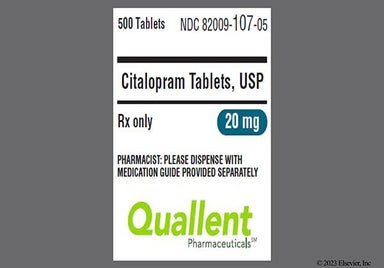
Citalopram (Celexa) is a first-choice medication for treating depression in adults. This antidepressant belongs to the drug class called selective serotonin reuptake inhibitors (SSRIs). Citalopram (Celexa) is typically taken by mouth once daily. It typically takes a few weeks or longer of consistent treatment to notice an improvement to your mood. Common side effects include nausea and dry mouth. There's a low risk for weight gain, but suddenly stopping the medication can lead to withdrawal symptoms (e.g., upset stomach, trouble sleeping, anxiety).

Citalopram (Celexa) is a selective serotonin reuptake inhibitor (SSRI). It works by raising the levels of serotonin in your brain. Serotonin is important for regulating your mood.
| Common Brands | Celexa |
|---|---|
| Drug Class | SSRI |
| Controlled Substance Classification | Not a controlled medication |
| Generic Status | Lower-cost generic available |
| Availability | Prescription only |

The following side effects may get better over time as your body gets used to the medication. Let your healthcare provider know immediately if you continue to experience these symptoms or if they worsen over time.
Contact your healthcare provider immediately if you experience any of the following.
Along with its needed effects, a medicine may cause some unwanted effects. Although not all of these side effects may occur, if they do occur they may need medical attention.
Check with your doctor immediately if any of the following side effects occur:
Less common
Agitation
blurred vision
confusion
increase in the frequency of urination or amount of urine produced
lack of emotion
loss of memory
menstrual changes
skin rash or itching
trouble breathing
Rare
Behavior change similar to drunkenness
bleeding gums
breast tenderness or enlargement or unusual secretion of milk (in females)
chills
convulsions (seizures)
difficulty with concentrating
dizziness or fainting
drowsiness
increased hunger
increased thirst
irregular heartbeat
lack of energy
lethargy
nosebleed
overactive reflexes
poor coordination
purple or red spots on the skin
rapid weight gain
red or irritated eyes
redness, tenderness, itching, burning, or peeling of the skin
shivering
slow or irregular heartbeat (less than 50 beats per minute)
stupor
sweating
swelling of the face, ankles, or hands
talking or acting with excitement you cannot control
trembling, shaking, or twitching
trouble with holding or releasing urine
unusual or sudden body or facial movements or postures
unusual tiredness or weakness
Incidence not known
Abdominal or stomach pain
back or leg pains
black, tarry stools
bloody stools
confusion as to time, place, or person
darkened urine
difficult or fast breathing
difficulty with swallowing
fast, slow, or irregular heartbeat
general body swelling
hive-like swelling on the face, eyelids, lips, tongue, or throat
holding false beliefs that cannot be changed by fact
impaired consciousness, ranging from confusion to coma
indigestion
itching, puffiness or swelling of the eyelids or around the eyes, face, lips, or tongue
loss of appetite
loss of bladder control
loss of consciousness
muscle cramps or spasms
muscle tightness
muscle twitching or jerking
painful or prolonged erection of the penis
pale skin
penile erections, frequent or continuing
recurrent fainting
rhythmic movement of the muscles
seeing, hearing, or feeling things that are not there
swelling of the breasts or unusual milk production
tenderness, pain, swelling, warmth, skin discoloration, and prominent superficial veins over the affected area
tightness in the chest
total body jerking
twitching, twisting, uncontrolled repetitive movements of the tongue, lips, face, arms, or legs
uncontrolled jerking or twisting movements
unusual excitement
vomiting of blood or material that looks like coffee grounds
yellowing of the eyes or skin
Some side effects may occur that usually do not need medical attention. These side effects may go away during treatment as your body adjusts to the medicine. Also, your health care professional may be able to tell you about ways to prevent or reduce some of these side effects. Check with your health care professional if any of the following side effects continue or are bothersome or if you have any questions about them:
More common
Decrease in sexual desire or ability
sleepiness or unusual drowsiness
Less common
Body aches or pain
change in sense of taste
headache (severe and throbbing)
increased sweating
increased yawning
loss of voice
pain in the muscles or joints
stuffy or runny nose
tingling, burning, or prickly feelings on the skin
tooth grinding
unusual increase or decrease in weight
watering of the mouth
Incidence not known
Bruising
inability to sit still
large, flat, blue or purplish patches in the skin
need to keep moving
uncontrolled eye movements
Other side effects not listed may also occur in some patients. If you notice any other effects, check with your healthcare professional.
Call your doctor for medical advice about side effects. You may report side effects to the FDA at 1-800-FDA-1088.



More tips for citalopram (Celexa) 10 mg/5 mL liquid:

Citalopram (Celexa) can cause some serious health issues. This risk may be even higher for certain groups. If this worries you, talk to your doctor or pharmacist about other options.
 Taking citalopram (Celexa) can put you at risk for worsened depression and thoughts of suicide or self-harm. The risk is highest if you're 24 years of age or younger, if you just started taking the medication (during the first few weeks of starting), and if your dose just changed. Get medical help right away if you or anyone around you notices that you have suicidal thoughts or unusual behavior (e.g., anxiety, panic attacks, trouble sleeping, feeling angry or irritated, restlessness) while you're taking citalopram (Celexa).
Citalopram (Celexa) can affect your heart rhythm, which can be serious and life-threatening. More specifically, this medication can lengthen the time period from when the heart pumps and then relaxes. This is known as QT prolongation.
Your risk for QT prolongation and heart rhythm problems is higher if you have certain factors, including having abnormal electrolyte levels, having heart rhythm conditions, or taking other medications that cause heart rhythm problems, among others. To lower your risk, your psychiatrist or primary care provider might recommend that you get an electrocardiogram (EKG) done to make sure your heart rhythm is normal.
Call 911 right away if you feel your chest pounding, chest pain, short of breath, faint, or lightheaded while you're taking citalopram (Celexa). These can be symptoms of an abnormal heart rhythm.
Some people who took citalopram (Celexa) have developed a rare, but potentially life-threatening condition called serotonin syndrome. This condition happens when there's too much serotonin in the brain.
Your risk for serotonin syndrome is higher if you take citalopram (Celexa) with other medications that can raise your serotonin levels. These medications can include certain antidepressants, mental health medications, and migraine medications. Let your psychiatrist, primary care provider, and pharmacist know about all the medications you take before you start citalopram (Celexa). Also, don't start any new medications without talking to them first.
Get medical help right away if you have any symptoms of serotonin syndrome while you're taking citalopram (Celexa). Symptoms can include fast heart rate, sweating, muscle stiffness or spasms, fever, and confusion.
Suddenly stopping citalopram (Celexa) can cause withdrawal symptoms. You might feel nauseous, anxious, distressed, or dizzy; have flu-like symptoms; or have trouble sleeping. Ask your prescriber if you want to or need to stop taking citalopram (Celexa). Your prescriber will give you specific instructions on how to stop the medication safely over time. Never try to stop citalopram (Celexa) on your own and without your prescriber's guidance.
Citalopram (Celexa) can raise your risk of bleeding or bruising. Be careful if you need to take citalopram (Celexa) along with other medications that can put you at greater bleeding risk. These other medications can include aspirin, clopidogrel (Plavix), and blood thinners like warfarin (Coumadin) and apixaban (Eliquis). Get medical help if you have signs of unusual bleeding, such as bruising that doesn't improve, black-colored stools, pink or red-colored urine, coughing up or vomiting blood, or unusual bleeding from the nose or gums.
Depression can be the first sign of bipolar disorder. If you're at risk for bipolar disorder, taking antidepressants like citalopram (Celexa) by themselves can trigger a bipolar manic episode. For this reason, citalopram (Celexa) isn't used to treat bipolar depression.
Your psychiatrist will check whether you have or are at risk for bipolar disorder before you start taking citalopram (Celexa). Talk to your psychiatrist right away if you or your loved ones notice unusual changes in your behavior, such as racing thoughts, restlessness, getting easily distracted, or unusual talkativeness. These can be symptoms of a manic episode.
Citalopram (Celexa) can lead to or worsen angle-closure glaucoma. Be sure to visit your optometrist for regular eye exams to check your eyes and vision while you're taking this medication. Contact your optometrist or psychiatrist if you notice changes in your vision after you start taking citalopram (Celexa).
Citalopram (Celexa) can cause low sodium levels in the blood. Watch out for symptoms of low sodium levels, such as weakness, headache, trouble concentrating, and confusion. Get medical help right away if you notice these symptoms because having low sodium levels is a medical emergency.

The typical starting dose is 20 mg by mouth once daily. If needed, your prescriber might raise your dose to 40 mg once daily after a week. The maximum recommended dose is 40 mg daily.
Your dose might be lower if you're an older adult or if you have liver problems.

Although certain medicines should not be used together at all, in other cases two different medicines may be used together even if an interaction might occur. In these cases, your doctor may want to change the dose, or other precautions may be necessary. When you are taking this medicine, it is especially important that your healthcare professional know if you are taking any of the medicines listed below. The following interactions have been selected on the basis of their potential significance and are not necessarily all-inclusive.
Using this medicine with any of the following medicines is not recommended. Your doctor may decide not to treat you with this medication or change some of the other medicines you take.
Using this medicine with any of the following medicines is usually not recommended, but may be required in some cases. If both medicines are prescribed together, your doctor may change the dose or how often you use one or both of the medicines.
Using this medicine with any of the following medicines may cause an increased risk of certain side effects, but using both drugs may be the best treatment for you. If both medicines are prescribed together, your doctor may change the dose or how often you use one or both of the medicines.


Contraindications are specific health conditions or situations in which a person should not take a medication due to safety concerns. If you have any of the following conditions or if any of the following apply to you, let your healthcare provider know because Citalopram (Celexa) will not be safe for you to take.




















Prescription savings
Stop paying too much for your prescriptions. Compare prices, get pharmacy coupons, and save up to 80%. Find expert answers to your health questions so you can make the best decisions for yourself and your family.
Health conditions
Medications & treatment
Access & affordability
 Our monthly healthcare membership can help you save thousands on your prescription costs.
Resources

Citalopram can start to work within 2 weeks for some people. But in general, it can take about 1 to 2 months to feel the full effects of the medication for treating depression. Be aware that you might have side effects, like nausea and sleep problems, before your mood improves. But don't get discouraged and make sure to continue taking the medication as prescribed. Keep in mind that each person can have a different experience with Citalopram. Contact your prescriber if you're not sure whether Citalopram is working for you.
How you feel after you start taking Citalopram can differ from person to person. It also might depend on your Citalopram dose and how serious your depression is. In general, you might notice feeling more energetic or having a more positive mood after a couple weeks of taking Citalopram. But it can take a few months to feel the full benefits of the medication. At the same time, it's common to have side effects from Citalopram, like nausea or dizziness, before you feel noticeable benefit from the medication. Talk with your psychiatrist or primary care provider if you have more questions about what it might feel like to take Citalopram.
Citalopram has a few serious side effects and risks that you should be aware of. All antidepressants, including Citalopram, have a risk for worsening depression and thoughts of suicide. The risk is highest if you're 24 years old or younger, just starting the medication, or changing the dose. In addition, taking Citalopram can put you at risk for a rare, but serious condition called serotonin syndrome if you're also taking other medications that can raise your serotonin levels, such as other antidepressants and certain migraine medications. Lastly, taking Citalopram can rarely lead to a serious irregular heart rhythm problem called QT prolongation. Your primary care provider or psychiatrist will regularly follow up with you to check for your risk of these serious side effects and make adjustments to your treatment, if needed.
It's possible to experience weight changes, such as weight gain, while you're taking Citalopram. But in general, there's a low risk for weight gain, especially compared to some other SSRIs like paroxetine (Paxil). In fact, in clinical studies, some people reported a little weight loss (about 1 pound) after they started taking Citalopram. Talk with your psychiatrist or primary care provider if you experience unexpected weight changes after you start treatment with this medication.
Yes, Citalopram can make you tired. But it's also possible for the medication make it harder to fall asleep. Pay attention to how Citalopram affects your sleep, especially when you start the medication and when your dose changes. Contact your psychiatrist or primary care provider if Citalopram is making you too sleepy or interrupting your sleep. They might recommend to try changing the time of day you take the medication, or they might lower your dose.
There isn't a set amount of time that you can continue to take Citalopram. Your psychiatrist or primary care provider will probably recommend that you continue taking the medication as long as it's helping your depression and as long as you're not having any significant side effects. Your prescriber might try to slowly lower your dose to see whether your depression is well controlled. There might be a point where you can stop taking Citalopram if your depression seems manageable without medication.
Yes, Citalopram is an selective serotonin reuptake inhibitor (SSRI). It works by raising the levels of serotonin in your brain to regulate and improve your mood. As with many of the other SSRIs, Citalopram is a first-choice medication for treating depression.
No, Citalopram isn't a controlled substance. It doesn't have a risk of addiction, misuse, or dependence.
