


5 Outdated High Blood Pressure Medications You Should Consider Upgrading
Some blood pressure medications may no longer be the best choice for helping your blood pressure. Here are five outdated medications, plus alternative options.
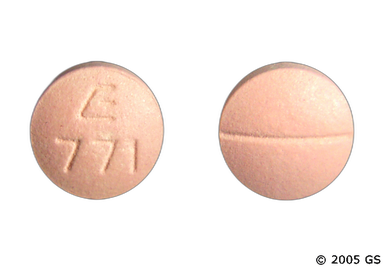
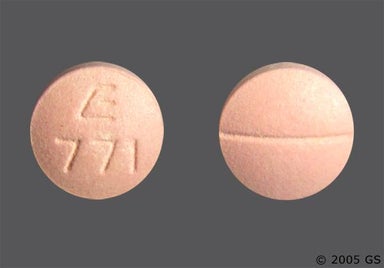
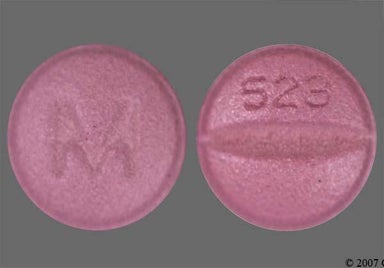
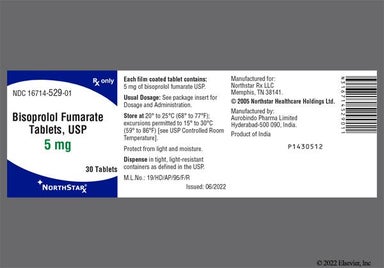
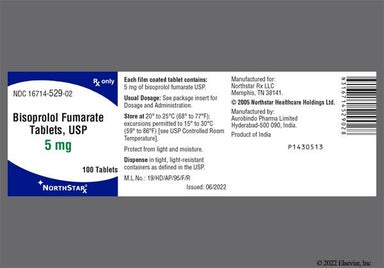
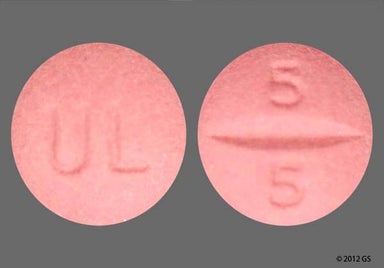
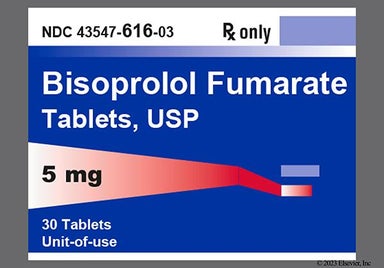
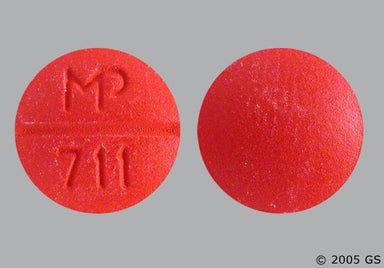
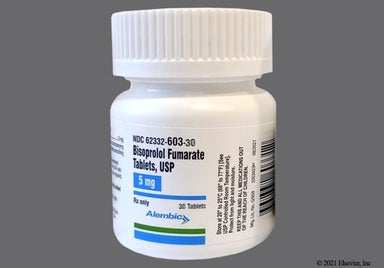
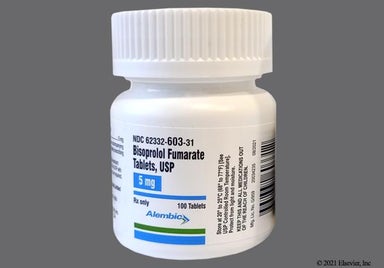
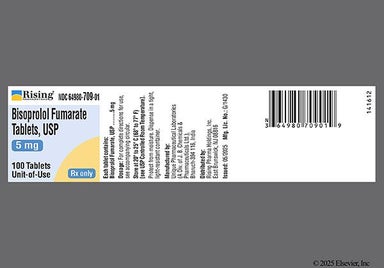
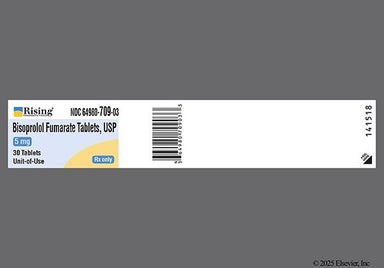
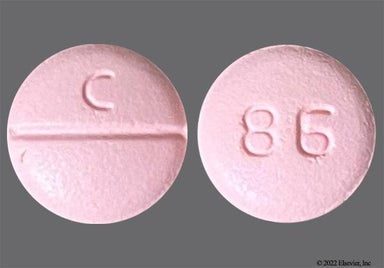
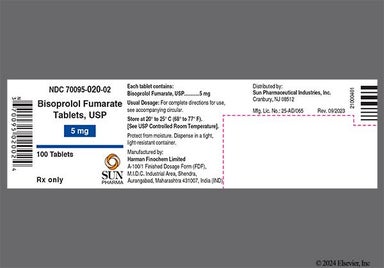
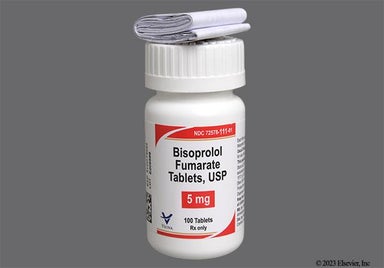
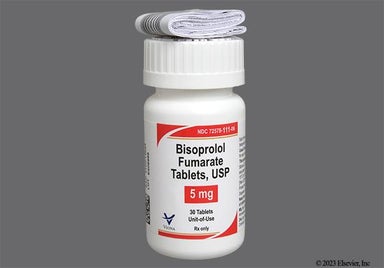
Bisoprolol, or bisoprolol fumarate, is a tablet that's used to treat high blood pressure. It belongs to a group of medications called beta blockers. It's usually only given when first-choice blood pressure medications aren't working well enough. Some common side effects of bisoprolol include headache, feeling tired, and diarrhea. It has some interactions with alcohol and taking bisoprolol with alcohol can worsen dizziness and raise the risk for fainting.

Bisoprolol is a selective beta blocker. It works to lower blood pressure by slowing down the heart rate to give your heart some time to relax between contractions.
| Common Brands | Zebeta |
|---|---|
| Drug Class | Beta blocker |
| Controlled Substance Classification | Not a controlled medication |
| Generic Status | Lower-cost generic available |
| Availability | Prescription only |

The following side effects may get better over time as your body gets used to the medication. Let your healthcare provider know immediately if you continue to experience these symptoms or if they worsen over time.
Contact your healthcare provider immediately if you experience any of the following.
Along with its needed effects, a medicine may cause some unwanted effects. Although not all of these side effects may occur, if they do occur they may need medical attention.
Check with your doctor immediately if any of the following side effects occur:
Less common
Body aches or pain
chills
difficult or labored breathing
ear congestion
headache
loss of voice
pain or tenderness around eyes and cheekbones
shortness of breath or troubled breathing
stuffy or runny nose
tightness in chest
unusual tiredness or weakness
Rare
Chest discomfort
lightheadedness, dizziness, or fainting
slow or irregular heartbeat
Get emergency help immediately if any of the following symptoms of overdose occur:
Symptoms of overdose
blurred vision
cold sweats
coma
confusion
cool, pale skin
decreased urine output
dilated neck veins
dizziness, faintness, or lightheadedness when getting up from a lying or sitting position suddenly
extreme fatigue
fast heartbeat
increased hunger
irregular breathing
nervousness
nightmares
noisy breathing
seizures
shakiness
slurred speech
sweating
swelling of face, fingers, feet, or lower legs
Some side effects may occur that usually do not need medical attention. These side effects may go away during treatment as your body adjusts to the medicine. Also, your health care professional may be able to tell you about ways to prevent or reduce some of these side effects. Check with your health care professional if any of the following side effects continue or are bothersome or if you have any questions about them:
Less common
Abnormal or decreased touch sensation
difficulty in moving
lack or loss of strength
muscle pain or stiffness
pain in joints
trouble sleeping
unable to sleep
vomiting
Other side effects not listed may also occur in some patients. If you notice any other effects, check with your healthcare professional.
Call your doctor for medical advice about side effects. You may report side effects to the FDA at 1-800-FDA-1088.




Bisoprolol can cause some serious health issues. This risk may be even higher for certain groups. If this worries you, talk to your doctor or pharmacist about other options.
Don't stop taking bisoprolol suddenly without talking to your provider first, especially if you have heart disease. Doing so can cause chest pain, irregular heart rhythm, high blood pressure, and even a heart attack. If you need to stop taking bisoprolol, work with your provider to lower your dose gradually over time, typically over 1 week.
People with heart failure shouldn't take bisoprolol if their heart failure symptoms aren’t well-managed. That’s because this medication can make your condition worse. But you might be able to take bisoprolol if your healthcare provider thinks your symptoms are under controlled. Keep in mind that, though rare, sometimes taking a beta-blocker, like bisoprolol over time might lead to heart failure even in people without this condition. Let your healthcare provider know right away if you experience symptoms of heart failure, such as fluid build-up in different areas of the body including the ankles, legs, and lungs, and difficulty breathing.
Beta-blocker medications like bisoprolol are generally not recommended for people with bronchospastic conditions, like asthma or chronic obstructive pulmonary disease (COPD), because it can trigger difficulty breathing. Bisoprolol has a lower chance of causing difficulty breathing because it works specifically on the heart, but should only be used under careful supervision of a healthcare provider if you have any conditions that can cause breathing problems.
Taking bisoprolol can make it difficult for you to identify symptoms of low blood sugar, such as fast heart beat or tremors. If you’re taking medications, like glipizide or insulin, to lower your blood sugar, you might not be able to rely on all the typical symptoms of low blood sugar (e.g., irritability, sight tremors, confusion, and fast heartbeat) to warn you of a dangerous drop in your sugar levels. Sweating might be the only symptom not affected by taking bisoprolol. Speak with your healthcare provider about when and how to monitor your blood sugar if you start bisoprolol.
Bisoprolol can hide signs of hyperthyroidism, especially a fast heart rate. It's important to talk to your provider before stopping bisoprolol suddenly, since doing so can worsen thyroid problems.
Beta blockers like bisoprolol can lessen your response to life-saving treatments for severe allergic reactions (anaphylaxis). They can also cause your allergic reaction to be more severe than usual. Discuss all of your allergies with your provider and a plan on what to do if you experience an allergic reaction while taking bisoprolol.
Bisoprolol can cause the symptoms of peripheral artery disease (PAD) to worsen. This can lead to worsening of blood circulation, which can result in tiredness, aching, and cramping in the legs. Be sure to tell your provider if you have PAD before starting bisoprolol because they might want to monitor you more closely.

 Tablet
| Dosage | Quantity | Price as low as | Price per unit |
|---|---|---|---|
| 10mg | 90 tablets | $33.67 | $0.37 |
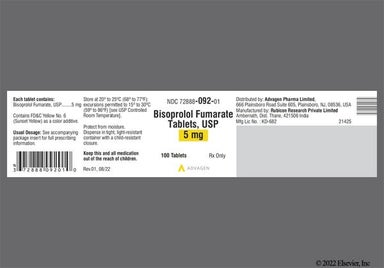
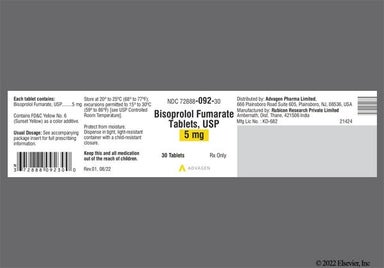
| 5mg | 30 tablets | $9.00 | $0.30 |
| 2.5mg of | 30 tablets | $29.24 | $0.97 |
The typical starting dose is 5 mg by mouth once daily. Your provider might raise your dose if your blood pressure is not well-controlled. The maximum daily dose is 20 mg.
Your dose might differ if you have liver or kidney problems.

Although certain medicines should not be used together at all, in other cases two different medicines may be used together even if an interaction might occur. In these cases, your doctor may want to change the dose, or other precautions may be necessary. When you are taking this medicine, it is especially important that your healthcare professional know if you are taking any of the medicines listed below. The following interactions have been selected on the basis of their potential significance and are not necessarily all-inclusive.
Using this medicine with any of the following medicines is usually not recommended, but may be required in some cases. If both medicines are prescribed together, your doctor may change the dose or how often you use one or both of the medicines.
Using this medicine with any of the following medicines may cause an increased risk of certain side effects, but using both drugs may be the best treatment for you. If both medicines are prescribed together, your doctor may change the dose or how often you use one or both of the medicines.


Contraindications are specific health conditions or situations in which a person should not take a medication due to safety concerns. If you have any of the following conditions or if any of the following apply to you, let your healthcare provider know because Bisoprolol will not be safe for you to take.









Prescription savings
Stop paying too much for your prescriptions. Compare prices, get pharmacy coupons, and save up to 80%. Find expert answers to your health questions so you can make the best decisions for yourself and your family.
Health conditions
Medications & treatment
Access & affordability
 Our monthly healthcare membership can help you save thousands on your prescription costs.
Resources

Bisoprolol is a cardioselective beta blocker. This means it targets the heart and might be less likely to cause breathing problems compared to some other beta blockers (i.e., non-selective beta blockers).
Research is mixed when it comes to the best time to take your blood pressure medication. You don't need to take it at a certain time of the day. It's more important that you take it at about the same time every day so the levels of medication stay consistent in your body. Choose a time that's easy for you to remember to take your medication and stick to it.
Weight gain isn't a common side effect of Bisoprolol, but it has been reported. Other beta blockers seem to be more likely to cause a few pounds of weight gain. If you're worried about weight gain as a side effect, make sure to eat a healthy diet and get enough exercise (about 150 minutes of moderate activity, such as brisk walking, a week). Your provider can also talk with you about more weight loss tips, such as cutting back on carbs and drinking more water. If you do experience a weight gain of more than a few pounds within 24 hours, this could be a sign of heart failure or other serious conditions. If this happens, contact your provider.
There's a risk that taking beta blockers can worsen heart failure in people whose heart failure symptoms aren’t well-controlled. Rarely, people without heart failure might also develop symptoms of heart failure. If you have heart failure and your provider thinks you'll benefit from taking Bisoprolol or another beta blocker, they'll work with you to manage your symptoms before you begin treatment. In general, beta blockers are sometimes recommended to help lower the risk of death or hospitalization in people with a certain type of heart failure. Keep in mind that only metoprolol succinate (Toprol XL) and carvedilol (Coreg) are approved to treat heart failure, but there's evidence that Bisoprolol can also help in heart failure. If you have questions about heart failure and beta blockers, talk with your provider.
Don't stop taking Bisoprolol without first talking to your provider. Suddenly stopping this medication can lead to dangerous health problems, like abnormal heart rhythm and heart attack. If you need to stop taking this medication, work with your provider to slowly lower your dose until they say it's safe for you to stop completely.
