


7 Meloxicam Interactions You Should Know About
Meloxicam is an anti-inflammatory used to treat arthritis. Taking meloxicam with alcohol and other medications can produce harmful interactions.
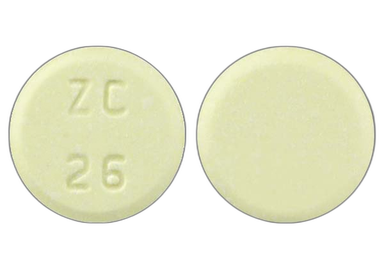
Meloxicam is a prescription non-steroidal anti-inflammatory drug (NSAID). It's used for different types of arthritis pain. It comes as capsules, tablets and a liquid. All forms are for adults, but some are also for children of certain age and weight. Meloxicam is taken by mouth once a day. The dosage depends on your arthritis type, the form of meloxicam you're using, and age and weight for children. Common side effects include diarrhea, joint pain, and stomach upset. Like all NSAIDs, it can raise the risk of stomach bleeds. Meloxicam is a generic medication; its brand name Mobic is no longer available.

Meloxicam is a non-steroidal anti-inflammatory drug (NSAID). It works by blocking proteins in the body called cyclooxygenase (COX). In particular, it can block the COX-2 protein more than COX-1. These proteins play a role in causing inflammation from arthritis.
By blocking COX, meloxicam helps relieve pain, swelling, stiffness, and other arthritis symptoms.
| Common Brands | Mobic |
|---|---|
| Drug Class | NSAID |
| Controlled Substance Classification | Not a controlled medication |
| Generic Status | Lower-cost generic available |
| Availability | Prescription only |

The following side effects may get better over time as your body gets used to the medication. Let your healthcare provider know immediately if you continue to experience these symptoms or if they worsen over time.
Contact your healthcare provider immediately if you experience any of the following.
Side effects that you should report to your care team as soon as possible:
Side effects that usually do not require medical attention (report these to your care team if they continue or are bothersome):



More tips for the meloxicam oral liquid:

Meloxicam can cause some serious health issues. This risk may be even higher for certain groups. If this worries you, talk to your doctor or pharmacist about other options.
 Meloxicam can raise your risk of stomach problems. This can include stomach inflammation, stomach ulcers (sores), and stomach bleeding. These problems can happen any time while taking this medication. They can be serious and sometimes life-threatening and need treatment right away.
Tell your prescriber and pharmacist about your health conditions. Also tell them about all the medications you take. They can check your risk for stomach ulcers and stomach bleeding from meloxicam.
Let your care team know if you feel gnawing pain in the stomach, have acid reflux, or feel full quickly. These can be signs of a stomach ulcer.
People who have stomach bleeds often don't have any symptoms since the bleed can happen over time. But get medical help right away if you feel faint, have severe stomach pain that doesn't go away, vomit blood, or have bloody or dark stools. These can be signs of stomach bleeding.
Meloxicam might raise your risk of having blood clots. Some blood clots can lead to a serious heart attack or stroke.
If you have heart problems, including a recent heart attack, talk to your prescriber. Also tell them if you've had a recent heart surgery or will have one soon. This is because your risk of serious problems is much higher right after surgery. Your prescriber can make sure meloxicam is safe for you.
To lower your risk, take the lowest dose of meloxicam for the shortest time needed. Call 911 if you have signs of a heart attack. Look out for chest pain that spreads to your arm or neck, shortness of breath, or sweating. Also, get medical help right away if you have a severe headache, weakness on one side of your body, a droopy face, or trouble speaking or walking. These can be signs of a stroke.
Meloxicam can raise your blood pressure. Tell your prescriber if you have high blood pressure. Also let them know if you take any blood pressure medications. This is because meloxicam might make them work less well. Your prescriber can make sure meloxicam is right for you.
While taking meloxicam, check your blood pressure regularly at home. Let your primary care provider know if your blood pressure stays higher than usual.
Meloxicam can cause your body to hold onto extra fluid. This can cause swelling in your legs or feet. Too much fluid buildup in the body can also put you at risk of heart failure.
Tell your prescriber if you have heart problems or heart failure. People with severe heart failure should only take meloxicam if the benefits are greater than the risks. Also let your prescriber know if you take any medications for your heart. Meloxicam can affect how well they work. Your prescriber can make sure meloxicam is safe for you.
Let your care team know if you notice swelling in your legs or ankles. Watch for other signs of heart failure like shortness of breath, chest pain with physical activity, sudden weight gain, and tiredness.
Although rare, some people taking NSAIDs like meloxicam can have higher liver enzyme levels. This can be a sign of liver damage. Liver damage has rarely led to serious problems like liver failure.
Get medical help right away if you notice swelling of your stomach or pain in the upper right side of your stomach. Also get help if you have yellowing of your skin or eyes, changes in your stool (black, tarry, or bloody stools), dark urine, nausea, or tiredness. These can be signs of liver damage.
NSAIDs like meloxicam can slow blood flow to the kidneys. This can damage your kidneys if you take the medication for a long time. In most cases, kidney problems get better after stopping meloxicam.
Before starting meloxicam, tell your prescriber about your health conditions, especially kidney problems. This medication isn't recommended for people with severe kidney problems unless the benefits are greater than the risks. Also tell your prescriber if you take other medications that can harm the kidneys, like certain diuretics (water pills). Your prescriber can check your risk for kidney issues and make sure meloxicam is safe for you.
If you're at risk of kidney damage, your prescriber might check your kidney health with blood tests. Call your care team if you notice a change in how often you urinate after starting meloxicam . Also let them know if you start feeling very tired or having muscle cramps. These can be signs of kidney damage.
Some people taking NSAIDs like meloxicam have had high potassium levels. This has happened in both people with or without kidney problems.
Look out for signs of high potassium levels. This can include nausea, muscle weakness, or tingling or numbness. If these symptoms happen while taking meloxicam, tell your care team. They can check your potassium levels. It's important to address high potassium levels because it can be dangerous.
NSAIDs like meloxicam can raise your risk of bleeding. Be careful if you also take other medications that raise bleeding risk, such as blood thinners. Tell your care team if you notice easy bruising or bleeding that takes longer to stop while taking meloxicam.
Some people can also have anemia (low red blood cell count) while taking NSAIDs. Let your care team know if you feel very weak, dizzy, or short of breath or have skin that's paler than usual. These could be signs of anemia, and your care team can check to make sure everything is okay.
It's possible to have a severe allergic reaction to meloxicam. These can include swelling of the face or anaphylaxis, which can be life-threatening. It can also include drug reaction with eosinophilia and systemic symptoms (DRESS), which can happen with or without a rash. If you're allergic to aspirin or other NSAIDs, talk to your prescriber before taking meloxicam. This is because you could also have an allergic reaction to meloxicam.
In rare cases, meloxicam can also cause severe skin reactions. These reactions can cause rash, blisters, or peeling skin.
Get medical help right away if you have a rash, swollen lips or tongue, swollen face, or trouble breathing after taking meloxicam. Also stop taking the medication and call 911 right away if you have any unusual skin changes.
If you have asthma, let your prescriber know. Also tell them if you're allergic to aspirin or other NSAIDs. Your prescriber can make sure meloxicam is safe for you. Some people with these conditions have had severe asthma attacks while taking NSAIDs. Get medical help right away if your throat tightens and you can't breathe while taking meloxicam.
Meloxicam can cause harm to an unborn baby, especially if taken during the second half of pregnancy (after week 20). It can raise the risk of serious health issues, like heart or kidney problems in your unborn baby.
If you're pregnant, talk to your prescriber or obstetrician-gynecologist (OB-GYN) about the risks and benefits of taking meloxicam. Ask if there are other safer options for you.

The dose depends on your arthritis type and the form of meloxicam you have. For children, it also depends on age and weight. The prescriber will choose the right dose for you based on your needs.
Your dose might differ if you have kidney problems.


Contraindications are specific health conditions or situations in which a person should not take a medication due to safety concerns. If you have any of the following conditions or if any of the following apply to you, let your healthcare provider know because Meloxicam will not be safe for you to take.












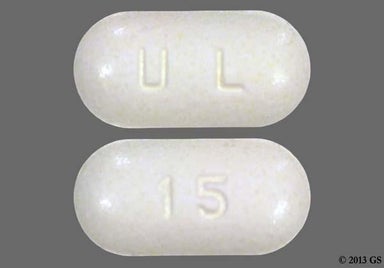
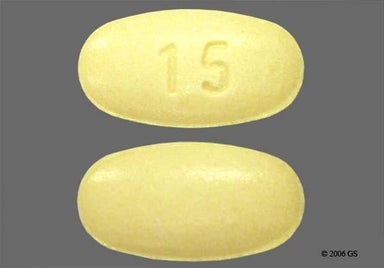
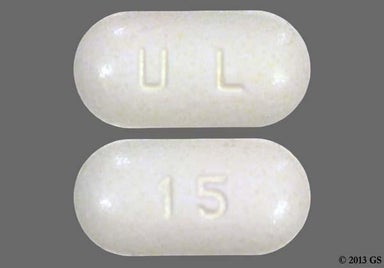
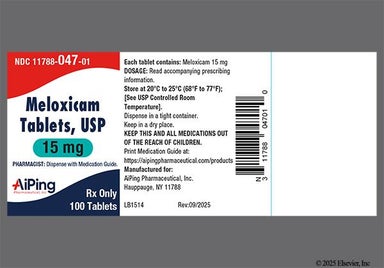

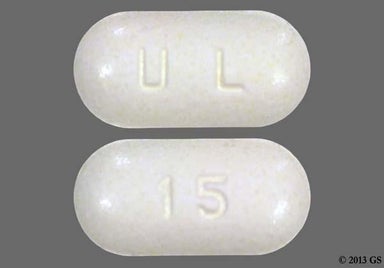
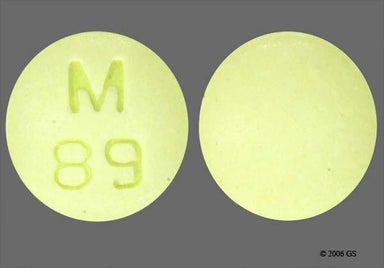
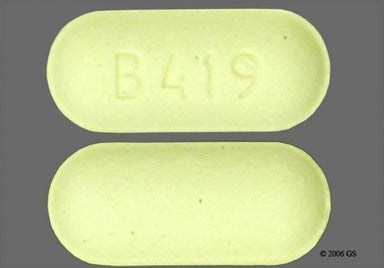
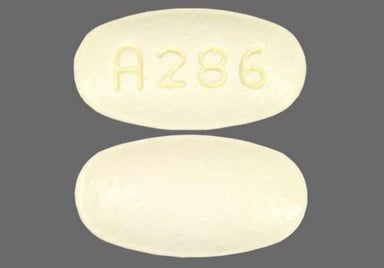
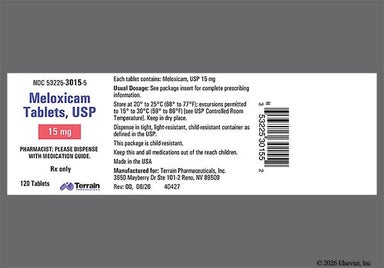
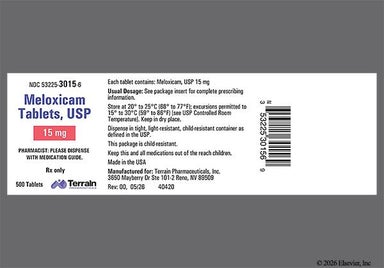
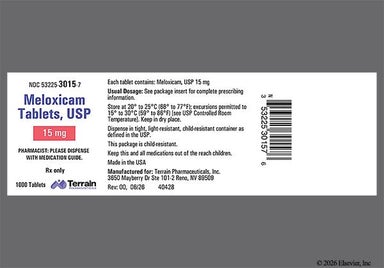
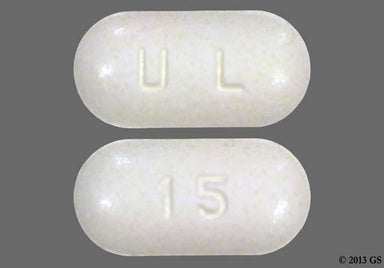
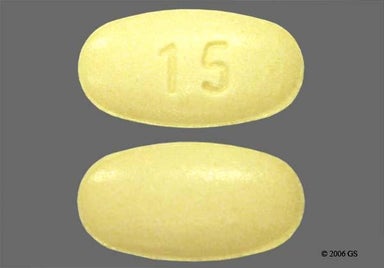
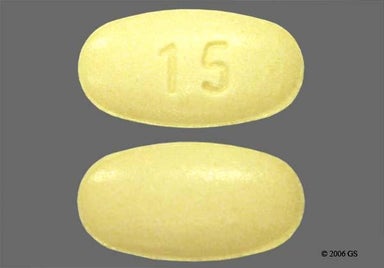
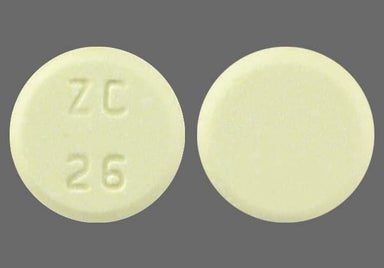
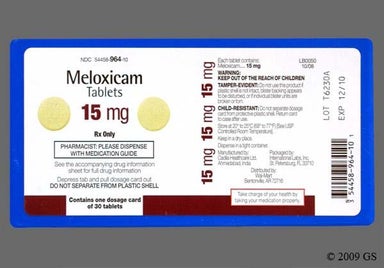
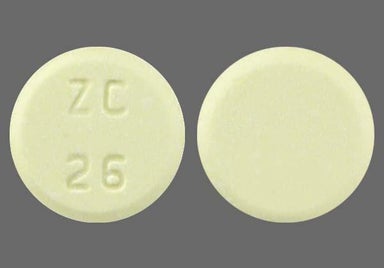
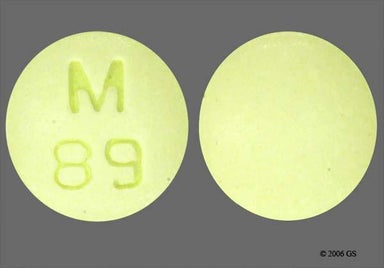
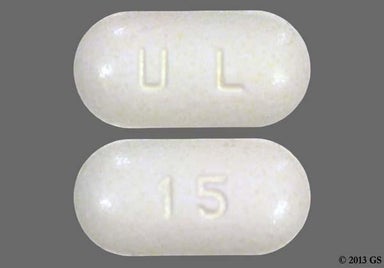
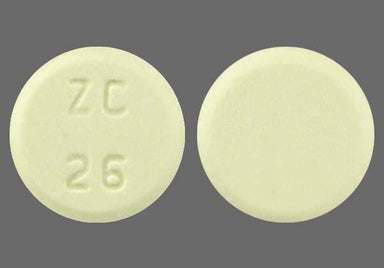
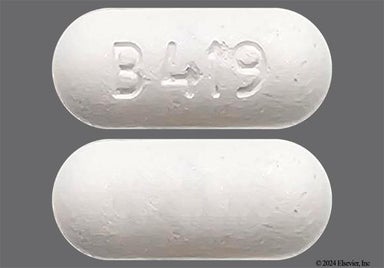

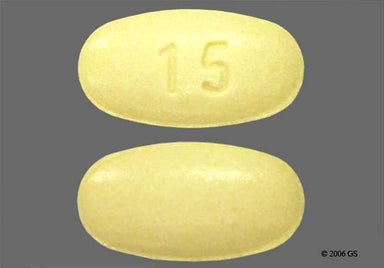
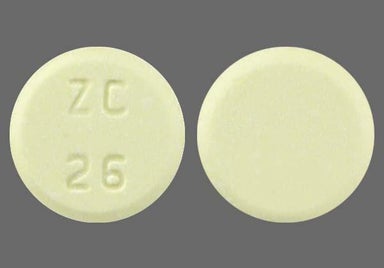
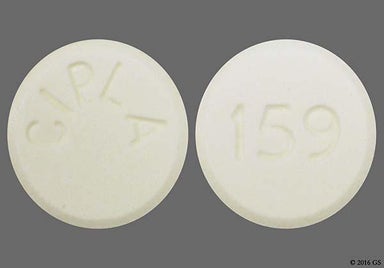
Prescription savings
Stop paying too much for your prescriptions. Compare prices, get pharmacy coupons, and save up to 80%. Find expert answers to your health questions so you can make the best decisions for yourself and your family.
Health conditions
Medications & treatment
Access & affordability
Medication discounts


Ask your provider or pharmacist if you're not sure if you can take a particular over-the-counter pain medication with Meloxicam. It's generally safe to also take acetaminophen (Tylenol) while taking Meloxicam, if you don't have liver problems. Make sure to ask your provider if it's safe for you, and how much acetaminophen (Tylenol) you can take. However, don't take other over-the-counter NSAIDs like ibuprofen (Advil) or naproxen (Aleve). Taking more than one NSAID can raise your risk for severe side effects (e.g., heart problems, kidney problems, bleeding problems, etc.) without giving you more pain relief than Meloxicam alone. Make sure to carefully check the manufacturer label to see if a specific product contains a NSAID.
You're recommended to avoid or limit drinking alcohol while taking Meloxicam, depending on what other health conditions you have and what other medications you're taking. Drinking alcohol while taking Meloxicam can raise your risk for stomach bleeds and stomach ulcers. Your risk is higher if you're also taking medications, like selective serotonin reuptake inhibitors (SSRIs) or blood thinners.
Unlike other over-the-counter pain medications like ibuprofen (Advil, Motrin) or naproxen (Aleve), Meloxicam isn't typically taken on an as-needed basis because it's prescribed for people with moderate-to-severe pain from inflammatory problems. It's recommended to take Meloxicam every day to treat pain as well as prevent pain from coming back. If you feel you no longer need to take Meloxicam because you're not in pain, contact your provider.
If you're prescribed Meloxicam and become pregnant while taking the medication, stop using it and let your provider know right away. A study from the CDC showed that babies born to mothers who took NSAIDs in early pregnancy had a higher risk of birth defects (e.g., hole in the stomach, cleft palate), compared to mothers who took acetaminophen (Tylenol). Additionally, the FDA specifically says to avoid NSAIDs in pregnant females who are at least 20 weeks pregnant because it can cause kidney and heart problems in your unborn baby. If you're pregnant or thinking of becoming pregnant, don't use Meloxicam until you've talked to your provider first. They might be able to recommend safer options for your pain.
It's not known how safe taking Meloxicam is for your baby while you're breastfeeding because it hasn't been well studied. Tell your provider if you're breastfeeding so they can discuss the risks and benefits of this medication with you.
