


What Is Serotonin Syndrome? What You Need to Know If You Take SSRIs
Serotonin syndrome is a reaction to commonly prescribed medications and supplements. Learn what serotonin syndrome is, what causes it, and how to treat it.
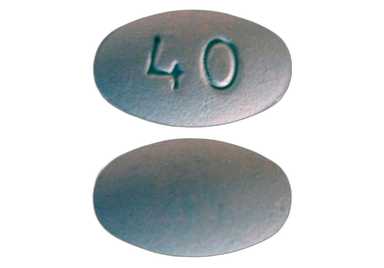
Vilazodone (Viibryd) helps treat depression in adults. It works in a similar way to the drug class called selective serotonin reuptake inhibitors (SSRIs). You take vilazodone (Viibryd) by mouth once a day. Some common side effects are diarrhea, nausea, and headache. Research suggests that it might be less likely to cause weight gain and sexual side effects than some other antidepressants. But it can have many drug interactions. It's important not to stop taking this medication all of a sudden because it can lead to withdrawal symptoms. Vilazodone (Viibryd) comes as both a brand-name and generic version.

Vilazodone (Viibryd) works in a way that's similar to selective serotonin reuptake inhibitors (SSRIs). It works in the brain to block a chemical called serotonin from getting reabsorbed. This helps boost the amount of serotonin in the brain. Having more serotonin around in the brain is thought to help regulate mood.
vilazodone (Viibryd) also attaches to a specific protein in the brain called the 5HT1A serotonin receptor. We don't know for sure what role this plays in how the medication helps with depression. But scientists think it might help increase serotonin levels in the brain.
| Common Brands | Viibryd |
|---|---|
| Drug Class | SSRI/ 5HT1A receptor partial agonist |
| Controlled Substance Classification | Not a controlled medication |
| Generic Status | Lower-cost generic available |
| Availability | Prescription only |

The following side effects may get better over time as your body gets used to the medication. Let your healthcare provider know immediately if you continue to experience these symptoms or if they worsen over time.
Contact your healthcare provider immediately if you experience any of the following.
Side effects that you should report to your care team as soon as possible:
Side effects that usually do not require medical attention (report to your care team if they continue or are bothersome):




Vilazodone (Viibryd) can cause some serious health issues. This risk may be even higher for certain groups. If this worries you, talk to your doctor or pharmacist about other options.
 Vilazodone (Viibryd) might raise your risk of suicidal thoughts or behavior. The risk is highest in people 24 years and younger.
 Watch out for signs that depression is getting worse or any unusual changes in your mood or behavior. This is especially important during the first few months of taking this medication or when your dose changes. Talk to a healthcare professional if you experience unusual mood or behavior changes. And call 911 right away if you start think about hurting yourself.
Although it's rare, vilazodone (Viibryd) can cause a serious problem called serotonin syndrome. This happens when there's too much serotonin in the brain.
It's more likely to happen if you take vilazodone (Viibryd) with other medications that raise serotonin. This can include other antidepressants, some opioid pain medications, and triptans for migraine. Always tell your care team about all your medications so they can check your risk.
Stop taking vilazodone (Viibryd) and get emergency help right away if you have signs of serotonin syndrome. Watch for high fever, heavy sweating, fast heart rate, stiff muscles, and confusion.
Vilazodone (Viibryd) can raise the risk of bleeding more easily. The risk is higher if you also take other medications that have a bleeding risk. This includes nonsteroidal anti-inflammatory drugs like ibuprofen (Advil) and aspirin. Other examples are blood thinners such as warfarin (Coumadin). Let your care team know about all the medications you take so they can check your bleeding risk.
Tell your prescriber if you notice that you bleed or bruise more easily than before. Get medical help right away if you have bleeding that's hard to stop, bruising that doesn't go away, bloody urine, or black and tarry stool. These can be signs of serious bleeding.
If you have bipolar disorder, taking vilazodone (Viibryd) to treat a depressive episode can sometimes cause a manic episode or mixed episode to happen.
Before starting vilazodone (Viibryd), let your prescriber know if you have bipolar disorder. Tell them if you've ever had a manic or hypomanic episode in the past. Also tell them if anyone in your family has bipolar disorder.
Don't stop taking vilazodone (Viibryd) all of a sudden without talking to your prescriber first. Stopping it too quickly could cause uncomfortable withdrawal symptoms. You could feel nauseous or dizzy. You could also have headaches, muscle aches, and trouble sleeping.
If you want to stop taking vilazodone (Viibryd), be sure to discuss with your prescriber. They can help you do this in a safe way to lower your risk of withdrawal symptoms. This usually involves helping to lower your dose over time before you stop the medication completely.
Vilazodone (Viibryd) can make your pupils widen. For some people, this can cause a serious eye problem called an angle closure attack.
If an eye specialist has told you that you have "narrow-angle eyes" and you haven't had eye surgery for it, tell your prescriber before starting vilazodone (Viibryd). This medication might not be the best choice for you.
Get medical help right away if you notice any sudden eye problems while taking vilazodone (Viibryd). Watch for sharp pain in one eye, blurry vision, or halos around lights. This can also come with headache, nausea, or vomiting. These can be signs of an angle closure attack.
Vilazodone (Viibryd) can sometimes cause low sodium levels in your blood. Watch out for signs like headache, trouble focusing, feeling confused or weak, or being unsteady on your feet. Some symptoms of low sodium levels can lead to falls. Severely low sodium levels could lead to serious problems. This can potentially include fainting, seizure, and hallucinations (seeing or hearing things that aren't there).
If you have signs of low sodium levels while taking vilazodone (Viibryd), talk to your prescriber or get medical care right away. It's important to get low sodium levels treated to prevent serious problems.
There's a chance that vilazodone (Viibryd) can cause sexual problems. Some people might have low sex drive or trouble having an orgasm. Others might have trouble with ejaculation or erectile dysfunction.
If you notice changes in your sex life that worry you while taking vilazodone (Viibryd), let your prescriber know. They can check if something else is causing these issues and find ways to help you.

 Tablet
| Dosage | Quantity | Price as low as | Price per unit |
|---|---|---|---|
| 10mg | 30 tablets | $37.36 | $1.25 |
| 20mg | 30 tablets | $36.05 | $1.20 |
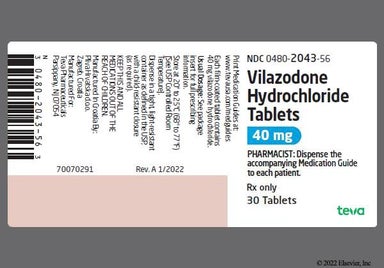
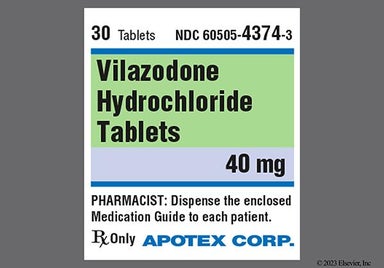
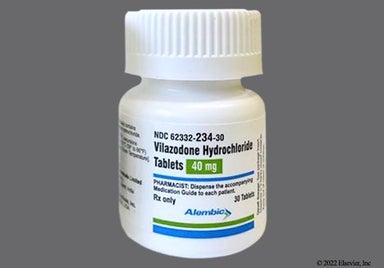
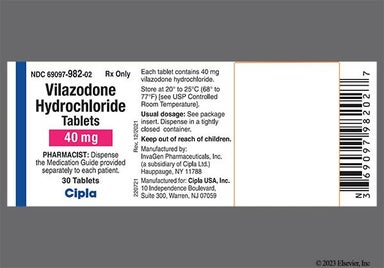
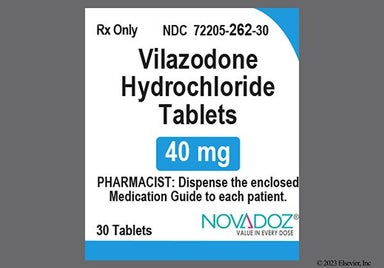
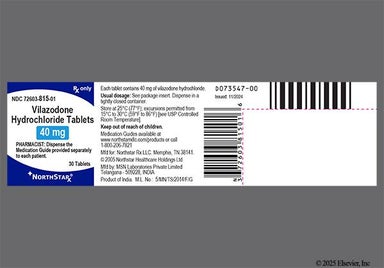
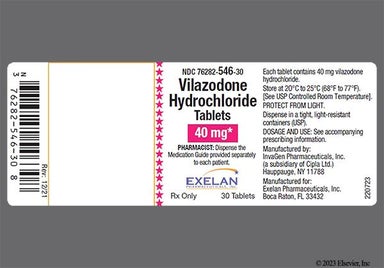
| 40mg | 30 tablets | $40.99 | $1.37 |
The typical starting dose is 10 mg by mouth once a day with food for a week.
After the first week, your prescriber will raise your dose to 20 mg once a day.
If needed, your prescriber might raise your dose to 40 mg once a day after another week.


Contraindications are specific health conditions or situations in which a person should not take a medication due to safety concerns. If you have any of the following conditions or if any of the following apply to you, let your healthcare provider know because Vilazodone (Viibryd) will not be safe for you to take.









Prescription savings
Stop paying too much for your prescriptions. Compare prices, get pharmacy coupons, and save up to 80%.Resources
About GoodRx
 Find expert answers to your health questions so you can make the best decisions for yourself and your family.
Health conditions
Medications & treatment
Access & affordability
Well-being
Medication discounts

Viibryd is a little different from other SSRIs because it's not a typical SSRI. Like SSRIs, Viibryd works to help raise the level of serotonin in the brain. This is thought to help improve mood. But Viibryd also attaches to a specific protein in the brain called the 5HT1A serotonin receptor. Scientists think it might help increase serotonin levels in the brain. They also think this unique action is why the medication might be less likely to cause sexual side effects than other SSRIs. Talk to your prescriber to learn more about Viibryd.
In studies, only a few people who took Viibryd said that they gained weight. In fact, research suggests that this medication might be less likely to cause weight gain than some other antidepressants. If you have trouble with your weight, talk to your prescriber or primary care provider.
No. Viibryd isn't a controlled substance. It doesn't have a risk of misuse or dependence.
In general, antidepressants like Viibryd take about 1 to 2 months to help improve your mood. It's possible for some people to start feeling better sooner, though. It's important to keep taking Viibryd every day, even if you don't feel better at first. Try not to get discouraged. If you're not sure if Viibryd is working, check in with your prescriber.
Viibryd isn't FDA approved to treat anxiety. There's some research looking into how well it works to ease anxiety. But more research is still needed in this area to learn more about this off-label use. Ask your prescriber about your options to help with anxiety.
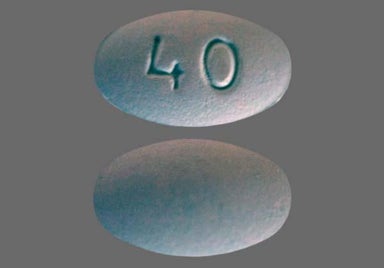
It's not a good idea to cut Viibryd tablets in half. The tablets aren't scored (they don't have an indented line down the middle). This means the tablets aren't made to be cut. Cutting unscored tablets could result in uneven halves and you might hurt yourself. If you want to halve your dose or if you have trouble swallowing the tablets whole, speak to your prescriber. They can decide what your options are, such as a change in your dose or treatment plan.
Traces of Viibryd can stay in your system for up to 5 days after your last dose. This is calculated from the medication's half-life. The half-life is an estimate of how long it takes for half the medication to leave the body. If you have questions about how long Viibryd stays in your system, talk to your prescriber.
No. Viibryd and sertraline (Zoloft) are both antidepressants that work in similar ways to improve mood. They both help raise the serotonin levels in the brain. But Viibryd is different because it also acts on a specific protein in the brain called 5HT1A serotonin receptor. Researchers think that this extra action helps it work. It also might be why it's less likely to cause sexual side effects than other antidepressants. In addition, both can treat depression. But sertraline (Zoloft) can also be used to treat certain types of anxiety problems. Talk to your prescriber to compare the antidepressants and see which is right for you.
