






Ketorolac Dosages for Adults: Typical Dose, Max Dose, and Missed Dose Guidance
Ketorolac is a pain relief medication prescribed during recovery from medical procedures. Here’s our guide for different ketorolac dosage forms.
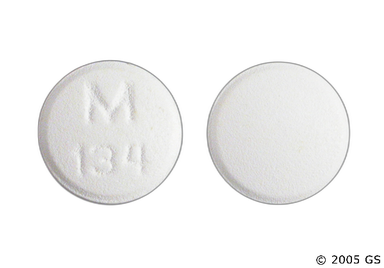
Ketorolac (Toradol) is a prescription non-steroidal anti-inflammatory drug (NSAID). It provides pain relief by blocking certain chemicals in your body that cause pain and inflammation. But ketorolac (Toradol) is meant for short-term use only due to the risk for severe side effects, such as heart attack and stomach ulcers. Typically, ketorolac (Toradol) is first given as an injection in a hospital or clinic setting. After that, you'll likely continue treatment with the oral tablets, which are taken every 4 to 6 hours for a maximum of 5 days. Your care team will help you transition to a safer alternative pain medication as soon as possible.

Ketorolac (Toradol) is a non-steroidal anti-inflammatory drug (NSAID). It works by blocking proteins (called cyclooxygenase, or COX) in your body that cause inflammation, pain, and swelling.
| Common Brands | Toradol |
|---|---|
| Drug Class | NSAID |
| Controlled Substance Classification | Not a controlled medication |
| Generic Status | Lower-cost generic available |
| Availability | Prescription only |

The following side effects may get better over time as your body gets used to the medication. Let your healthcare provider know immediately if you continue to experience these symptoms or if they worsen over time.
The following side effects occurred in at least 10% of people during clinical studies:
Contact your healthcare provider immediately if you experience any of the following.
Along with its needed effects, a medicine may cause some unwanted effects. Although not all of these side effects may occur, if they do occur they may need medical attention.
Check with your doctor immediately if any of the following side effects occur:
More common
Itching, redness, tearing, or other sign of eye irritation not present before use of this medicine or becoming worse during use
redness of the clear part of the eye
sensitivity to light
swelling of the eye
swelling of the eyelids
tearing
throbbing pain
Some side effects may occur that usually do not need medical attention. These side effects may go away during treatment as your body adjusts to the medicine. Also, your health care professional may be able to tell you about ways to prevent or reduce some of these side effects. Check with your health care professional if any of the following side effects continue or are bothersome or if you have any questions about them:
More common
Stinging or burning of the eye when medicine is applied
Other side effects not listed may also occur in some patients. If you notice any other effects, check with your healthcare professional.
Call your doctor for medical advice about side effects. You may report side effects to the FDA at 1-800-FDA-1088.




Ketorolac (Toradol) can cause some serious health issues. This risk may be even higher for certain groups. If this worries you, talk to your doctor or pharmacist about other options.
 Ketorolac (Toradol) raises your risk for serious bleeds, including brain bleeds, stomach ulcers (sores), and stomach bleeds. These bleeds can happen at any time, even without warning. If not treated right away, these bleeds can be life-threatening. Your risk is higher if you're taking other medications that can raise your risk for bleeds. To lower your risk of serious bleeds, make sure to take the lowest dose of ketorolac (Toradol) for the shortest amount of time possible. If you're feeling faint, experience headaches, vomiting blood, have bloody or dark stools, or have severe stomach pain or discomfort that doesn't go away while taking ketorolac (Toradol), get medical attention right away.
Ketorolac (Toradol) can raise your risk of having blood clots, which can cause a heart attack or stroke. Try to take the lowest dose for the shortest time. If you have heart problems, talk to your healthcare professional (HCP) before starting this medication. Don't take ketorolac (Toradol) if you had or will have heart surgery. Call 911 or get help right away if you experience chest pain, shortness of breath, weakness on one side of your body, or trouble speaking or walking.
Ketorolac (Toradol) can cause kidney problems. Your risk is higher if you have certain factors like older age, certain medical problems like diabetes, or you're taking medications that can cause kidney problems. Your HCP might order lab tests to monitor your kidney health before and during treatment with ketorolac (Toradol). If your kidney health worsens, your HCP might stop your ketorolac (Toradol) treatment. Contact your HCP if you develop any signs or symptoms of kidney failure, including changes in your need to urinate, tiredness, dry and itchy skin, low appetite, and muscle cramps.
You should avoid taking any other NSAIDs with ketorolac (Toradol) because doing so will raise your risk of serious side effects, such as bleeding, stroke, and kidney problems. Make sure to check all of your medications, including OTC medications, as NSAIDs are often found in combination medications for cold, flu, or headache.
If you have any of the risk factors listed above, you're at a higher risk for serious side effects, such as bleeding, heart attack, and stroke. Your HCP will prescribe you a lower dose of ketorolac (Toradol) in order to lessen your risk of these side effects. Don't take more ketorolac (Toradol) than what's prescribed for you. Talk with your HCP about switching to another safer pain medication as soon as possible.
Ketorolac (Toradol) can cause your body to hold onto extra fluid, which can raise your blood pressure or put you at risk for heart failure. Tell your HCP if you have a history of heart problems or are taking blood pressure medications before starting ketorolac (Toradol) to make sure it's safe for you. Your HCP will screen you for heart problems before starting you on this medication. Some forms of ketorolac (Toradol) contain sodium, so it's important to keep track of how much you're getting from your doses if you're on a low-salt diet. If you experience unexplained fainting, chest pain with physical activity, or irregular heartbeat while taking ketorolac (Toradol), contact your healthcare team.
Though rare, ketorolac (Toradol) can cause serious liver problems that can lead to liver failure. Get medical attention right away if you notice swelling of your stomach, stomach pain, yellowing of your skin or the whites of your eyes, clay-colored stools, nausea, vomiting, confusion, or dark or brown urine. You might need to stop using the medication to prevent further liver damage.
Severe allergic reactions to ketorolac (Toradol) are possible, including life-threatening reactions like facial swelling, shock, and anaphylaxis (closing of the throat). Let your healthcare team know if you have an allergy to aspirin or other NSAIDs before starting ketorolac (Toradol). If you notice hives, rash, red skin, swelling of the lips or tongue, or difficulty breathing after using ketorolac (Toradol), get medical attention right away.
Although rare, ketorolac (Toradol) can cause serious skin reactions, such as rash, blisters, skin reddening, or skin peeling. If you notice changes in your skin, stop using ketorolac (Toradol) and get medical attention right away.

Your healthcare professional will determine your dose of ketorolac (Toradol) based on your age, body weight, and whether or not you have kidney problems. The maximum length of time that you'll take ketorolac (Toradol) (injection and oral combined) is 5 days.
Injection into the veins: The typical dose is 15 mg or 30 mg injected as a single dose, or 15 mg or 30 mg injected every 6 hours as needed by a healthcare professional. The maximum daily dose is 60 mg or 120 mg, depending on your age, weight, and health conditions.
Injection into the muscle: The typical dose is 30 mg or 60 mg injected as a single dose, or 15 mg or 30 mg injected every 6 hours as needed by a healthcare professional. The maximum daily dose is 60 mg or 120 mg, depending on your age, weight, and health conditions.
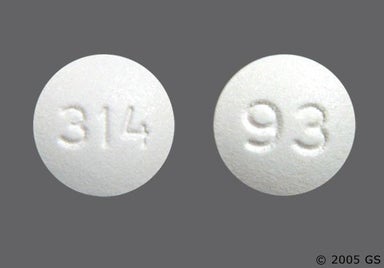
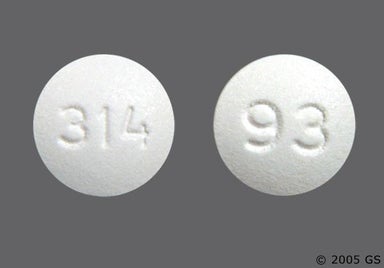
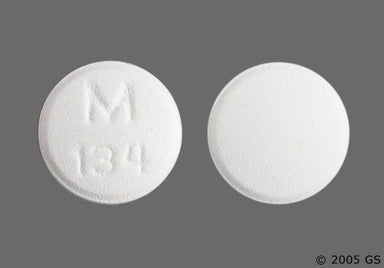
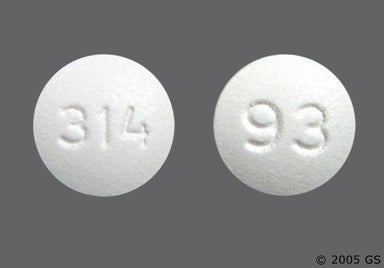
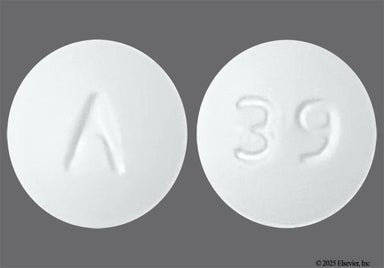
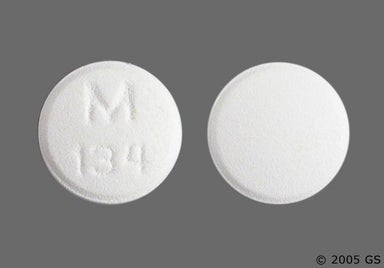
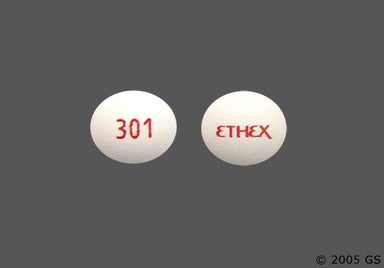
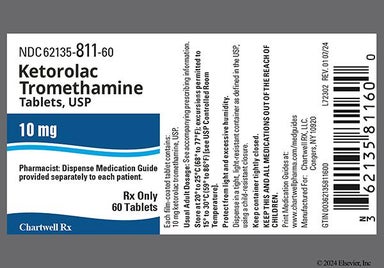
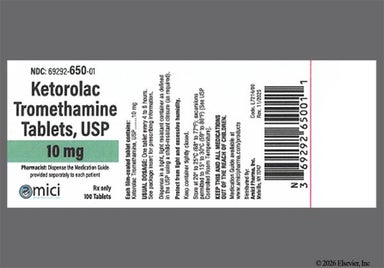
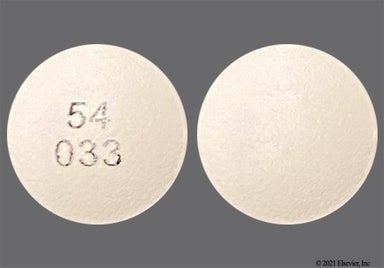
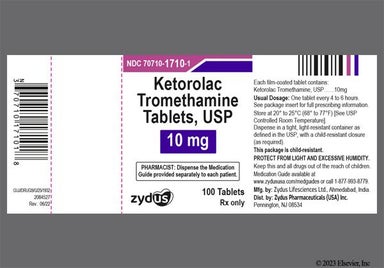
Oral (by mouth): You'll only take ketorolac (Toradol) oral tablets if you've already started ketorolac (Toradol) injections during your hospital stay. The typical dose is 10 mg or 20 mg by mouth as a single dose, followed by 10 mg every 4 to 6 hours as needed. The maximum daily dose is 40 mg.

Although certain medicines should not be used together at all, in other cases two different medicines may be used together even if an interaction might occur. In these cases, your doctor may want to change the dose, or other precautions may be necessary. When you are taking this medicine, it is especially important that your healthcare professional know if you are taking any of the medicines listed below. The following interactions have been selected on the basis of their potential significance and are not necessarily all-inclusive.
Using this medicine with any of the following medicines is not recommended. Your doctor may decide not to treat you with this medication or change some of the other medicines you take.
Using this medicine with any of the following medicines is usually not recommended, but may be required in some cases. If both medicines are prescribed together, your doctor may change the dose or how often you use one or both of the medicines.


Contraindications are specific health conditions or situations in which a person should not take a medication due to safety concerns. If you have any of the following conditions or if any of the following apply to you, let your healthcare provider know because Ketorolac (Toradol) will not be safe for you to take.










Prescription savings
Stop paying too much for your prescriptions. Compare prices, get pharmacy coupons, and save up to 80%. Find expert answers to your health questions so you can make the best decisions for yourself and your family.
Health conditions
Medications & treatment
Access & affordability
Medication discounts


No, Ketorolac isn't a narcotic or controlled substance and it doesn't have a risk of abuse or dependence. But, your pain specialist will still limit the length of Ketorolac treatment to a maximum of 5 days because it can cause serious side effects with long-term use. Be sure to discuss these risks with your healthcare team before starting Ketorolac.
Yes,Ketorolac can cause drowsiness, though it's not a common side effects. To be safe, you might want to avoid driving or doing activities that require focus until you know how Ketorolac affects you.
The Ketorolac tablets are typically taken every 4 to 6 hours. So the effects of Ketorolac will likely last up to 6 hours.
You can start to feel pain relief from Ketorolac about half an hour after your injection. If you're taking the Ketorolac tablets by mouth, it can take a little longer (with peak pain relief within 2 to 3 hours) just because your body needs to break down the medication first.
Ask your healthcare professional (HCP) or pharmacist if you're not sure if you can take a particular over-the-counter pain medication with Ketorolac. It's generally safe to also take acetaminophen (Tylenol), if you don't have liver problems. Make sure to ask your HCP how much acetaminophen (Tylenol) you can take. But don't take other NSAIDs, like ibuprofen (Advil) or naproxen (Aleve), because they're in the same drug class as Ketorolac. Taking more than one NSAID can raise your risk for severe side effects, such as heart problems, kidney problems, or bleeds. Make sure to check the manufacturer label carefully to see if a specific product contains an NSAID.
You need to wait until Ketorolac is fully out of your system before taking ibuprofen (Advil), or any other NSAID. This can take a little more than a day based on the half-life of Ketorolac, but it might take longer for certain people. Taking more than one NSAID at a time raises your risk for kidney problems, serious bleeds, or heart problems. Talk with your healthcare team about when it's safe to take other pain medications after finishing your Ketorolac course.
Ketorolac can cause constipation as a side effect. lead to bowel habit changes, like constipation or diarrhea. Although NSAIDs like Ketorolac don't slow down the gut like opioid pain relievers, they can still back you up. If you can't have a bowel movement after using Ketorolac, speak with your healthcare team so they can investigate further.
If you're pregnant and are prescribed Ketorolac, let your healthcare team know before starting the medication. A study from the CDC showed that babies born to mothers who took NSAIDs in early pregnancy had a higher risk of birth defects (e.g., hole in the stomach, cleft palate), compared to mothers who took acetaminophen (Tylenol). Additionally, the FDA specifically says to avoid NSAIDs in pregnant females who are at least 20 weeks pregnant because it can cause kidney and heart problems to your unborn baby. If you're pregnant or thinking of becoming pregnant, don't use Ketorolac until you've talked to your healthcare team first and they specifically told you it was safe to use. They might be able to recommend safer options for your pain.
