








Scratching the Surface: 8 Medications That Can Make You Feel Itchy
Itching can be an unexpected medication side effect. Certain drugs, including some blood pressure medications and cancer treatments, can cause itchiness.
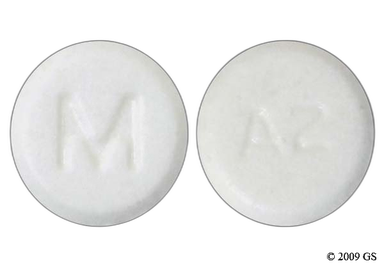
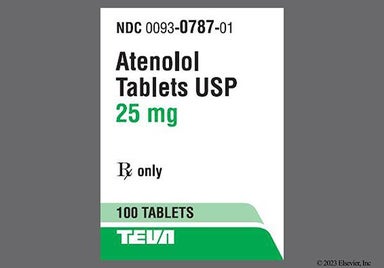
Atenolol (Tenormin) is a cardioselective beta-blocker that's used to treat high blood pressure and chest pain. It's also used to lower the risk of death after a heart attack. Atenolol (Tenormin) works by slowing down heart rate and making it easier for your heart to pump blood. Atenolol (Tenormin) is taken by mouth, typically once daily. Some common side effects of this medication include dizziness, feeling tired, and having cold hands and feet.

Atenolol (Tenormin) is a cardioselective beta-blocker. It slows down heart rate so your heart doesn't have to work as hard to pump blood through the body. This puts less stress on the blood vessels, which lowers blood pressure. Atenolol (Tenormin) also improves blood flow to the heart, which eases chest pain.
| Common Brands | Tenormin |
|---|---|
| Drug Class | Beta blocker |
| Controlled Substance Classification | Not a controlled medication |
| Generic Status | Lower-cost generic available |
| Availability | Prescription only |

The following side effects may get better over time as your body gets used to the medication. Let your healthcare provider know immediately if you continue to experience these symptoms or if they worsen over time.
Note: Side effects were reported by people who took atenolol for high blood pressure
Contact your healthcare provider immediately if you experience any of the following.
Along with its needed effects, a medicine may cause some unwanted effects. Although not all of these side effects may occur, if they do occur they may need medical attention.
Check with your doctor immediately if any of the following side effects occur:
More common
Blurred vision
cold hands or feet
confusion
difficult or labored breathing
dizziness, faintness, or lightheadedness when getting up from a lying or sitting position suddenly
shortness of breath
sweating
tightness in chest
unusual tiredness or weakness
Less common
chest pain or discomfort
chills
cold sweats
dizziness or lightheadedness
fainting
fast heartbeat
leg pain
noisy breathing
slow or irregular heartbeat
sudden shortness of breath or troubled breathing
Rare
Bloody urine
decreased frequency or amount of urine
increased blood pressure
increased thirst
loss of appetite
lower back or side pain
swelling of face, fingers, or lower legs
vomiting
Incidence not determined
Black, tarry stools
bleeding gums
blood in urine or stools
blurred or loss of vision
bone or joint pain
disturbed color perception
double vision
feeling that others are watching you or controlling your behavior
feeling that others can hear your thoughts
feeling, seeing, or hearing things that are not there
halos around lights
night blindness
overbright appearance of lights
paleness or cold feeling in fingertips and toes
pinpoint red or purple spots on skin
severe mood or mental changes
skin irritation or rash, including rash that looks like psoriasis
swollen or painful glands
tingling or pain in fingers or toes when exposed to cold
tunnel vision
unusual behavior
unusual bleeding or bruising
Get emergency help immediately if any of the following symptoms of overdose occur:
Symptoms of overdose
coma
cool, pale skin
dilated neck veins
extreme fatigue
headache
increased hunger
irregular breathing
nervousness
nightmares
seizures
shakiness
slurred speech
unusual drowsiness, dullness, tiredness, weakness, or feeling of sluggishness
Some side effects may occur that usually do not need medical attention. These side effects may go away during treatment as your body adjusts to the medicine. Also, your health care professional may be able to tell you about ways to prevent or reduce some of these side effects. Check with your health care professional if any of the following side effects continue or are bothersome or if you have any questions about them:
More common
Discouragement
feeling sad or empty
irritability
lack of appetite
loss of interest or pleasure
trouble concentrating
trouble sleeping
Less common
dream activity
feeling of constant movement of self or surroundings
sensation of spinning
sleepiness
Other side effects not listed may also occur in some patients. If you notice any other effects, check with your healthcare professional.
Call your doctor for medical advice about side effects. You may report side effects to the FDA at 1-800-FDA-1088.




Atenolol (Tenormin) can cause some serious health issues. This risk may be even higher for certain groups. If this worries you, talk to your doctor or pharmacist about other options.
 Don’t stop taking atenolol (Tenormin) suddenly since it can worsen your chest pain, heart attack, or irregular heartbeat. If you need to stop taking this medication for any reason, let your provider know. They can work with you to lower your dose safely over time. While your dose is being lowered, make sure to limit physical activity as much as possible to lower the stress on your heart. Watch out for symptoms of heart attack (e.g., chest pain and tightness, pain that spreads to arms and neck, trouble breathing, lightheadedness, and fatigue) and irregular heartbeat (e.g., chest pain, fast heartbeat, dizziness, nausea). Get medical attention right away if you have any of these symptoms.
Atenolol (Tenormin) might lead to heart failure or worsen heart failure in people who already have it. This is because atenolol (Tenormin) can slow down your heart, which leads to your heart muscle not pumping as often. In people with a history of heart problems, this can cause their heart to not work as well, leading to heart failure. People with heart failure shouldn't take atenolol (Tenormin) if their heart failure symptoms aren’t well-managed. Discuss with your provider before starting atenolol (Tenormin) if you have a history of heart failure. Let your provider know right away if you experience symptoms such as trouble breathing, tiredness, swelling in your body, or sudden weight gain. Your provider might ask you to stop this medication if you have symptoms of heart failure.
Atenolol (Tenormin) can cause the vessels in your lung to tighten. This can make breathing difficult, especially in people with breathing problems, like asthma. This problem is very rare with atenolol (Tenormin) because it's a cardioselective beta-blocker, meaning it targets your heart rather than your lungs. To be safe, make sure your provider knows about your full medical history before starting this medication. Your provider will start you on the lowest dose possible that works well for you.
If you're planning to undergo a major surgery requiring anesthesia, tell your surgeon that you are taking atenolol (Tenormin). Beta-blockers, such as atenolol (Tenormin), might raise the risk of side effects from anesthesia. If you've been taking it for a while, your surgeon might not ask you to stop it, but they'll need to monitor your heart closely during your procedure.
Taking atenolol (Tenormin) can make it difficult for you to identify some symptoms of low blood sugar, such as fast heart beat or tremors. If you’re taking blood sugar medications, you might not be able to rely on all the typical symptoms of low blood sugar to warn you of a dangerous drop in your sugar levels. Watch out for sweating and dizziness, which aren't affected by atenolol (Tenormin), to identify low blood sugar episodes. If you have diabetes, speak with your provider about how often to monitor your blood sugar once you start atenolol (Tenormin).
If you have hyperthyroidism (overactive thyroid), talk to your provider before stopping atenolol (Tenormin). This is because atenolol (Tenormin) lowers your heart rate, which makes it harder to notice heart-related symptoms that are caused by hyperthyroidism. In some people, stopping this medication suddenly might lead to a condition called a "thyroid storm,” which include symptoms such as a high temperature, rapid heartbeat, and fainting. Get medical attention right away if you have these symptoms.
You should avoid taking atenolol (Tenormin) with certain calcium channel blockers (CCBs), like diltiazem (Cardizem) or verapamil. Doing so can raise the risk of dangerously low heart rate and heart block.
Atenolol (Tenormin) can cause slow heart rate and low blood sugar to your breastfed baby or unborn baby if it's taken after second trimester of pregnancy. Speak to your provider about the risks and benefits of atenolol (Tenormin) if you're pregnant or breastfeeding. Ask them whether there are safer alternatives.

 Tablet
| Dosage | Quantity | Price as low as | Price per unit |
|---|---|---|---|
| 25mg | 30 tablets | $4.00 | $0.13 |
| 50mg | 90 tablets | $10.00 | $0.11 |
| 100mg | 90 tablets | $10.00 | $0.11 |
High blood pressure
Chest pain (angina)
After a heart attack
Your dose might differ if you have kidney problems.

Although certain medicines should not be used together at all, in other cases two different medicines may be used together even if an interaction might occur. In these cases, your doctor may want to change the dose, or other precautions may be necessary. When you are taking this medicine, it is especially important that your healthcare professional know if you are taking any of the medicines listed below. The following interactions have been selected on the basis of their potential significance and are not necessarily all-inclusive.
Using this medicine with any of the following medicines is usually not recommended, but may be required in some cases. If both medicines are prescribed together, your doctor may change the dose or how often you use one or both of the medicines.
Using this medicine with any of the following medicines may cause an increased risk of certain side effects, but using both drugs may be the best treatment for you. If both medicines are prescribed together, your doctor may change the dose or how often you use one or both of the medicines.


Contraindications are specific health conditions or situations in which a person should not take a medication due to safety concerns. If you have any of the following conditions or if any of the following apply to you, let your healthcare provider know because Atenolol (Tenormin) will not be safe for you to take.











Prescription savings
Stop paying too much for your prescriptions. Compare prices, get pharmacy coupons, and save up to 80%.Resources
About GoodRx
 Find expert answers to your health questions so you can make the best decisions for yourself and your family.
Health conditions
Medications & treatment
Access & affordability
Well-being
Medication discounts

Studies show that Atenolol can start to lower exercise tachycardia (fast heart rate from exercise) within an hour after your dose. And you'll see a more noticeable effect on heart rate around 2 to 4 hours after a dose. But if you're taking Atenolol for blood pressure you might not see the full effects of this medication until about 1 to 2 weeks after you start. To make sure Atenolol is working well for you, your provider might ask you to check your heart rate and blood pressure regularly while taking this medication. Keep in mind that it might take a few weeks for your provider to find a dose that works for you. Make sure to follow the titration schedule as directed by your provider.
If you need to stop taking Atenolol for any reason, let your provider know. Don't suddenly stop Atenolol because this not only raises your risk of high blood pressure and chest pain, but also your risk of having a heart attack. Your provider can help you stop Atenolol safely by lowering your dose slowly over time.
It can take between 1 to 2 days for most of Atenolol to leave your body. But it can take much longer for older adults and people with kidney problems. Keep in mind that this time frame is estimated based on the half-life of Atenolol. It can also be affected by your health conditions and genetics, so it can be different for each individual person. Talk with your provider if you have more questions about how long Atenolol stays in your system.
Atenolol is only FDA-approved to be taken once daily for high blood pressure and chest pain. If you're taking Atenolol after a heart attack, your provider might ask you to take it twice daily for a short period of time. Don't stop, start, or change how your take your blood pressure or heart medications on your own without first speaking to your provider.
The maximum dose of Atenolol is different depending on what medical condition you're taking it to treat. For example, the maximum dose of Atenolol to treat high blood pressure is 100 mg once daily. On the other hand, the maximum dosage for chest pain is 200 mg of Atenolol once daily. In either condition, your provider will typically start you at 50 mg once daily and raise your dose every few weeks until your blood pressure or chest pain is controlled. Don't adjust the dose of Atenolol without talking to your provider.
Even though it's not common, Atenolol might cause some weight gain as a side effect. This is because beta blockers, such as Atenolol, have been shown to slow down metabolism, which can lead to weight gain. In addition, beta blockers can also cause you to be more tired, which can make it harder for you to exercise. To minimize weight gain, try to stick with an exercise routine that works for you. Talk with your provider if you have more questions about Atenolol and weight gain.
According to the American Psychiatric Association, Atenolol can be prescribed off-label for performance-only social anxiety, such as public speaking. The typical dose is to take 50 mg to 150 mg by mouth 1-2 hours before an event that causes anxiety. Keep in mind that Atenolol doesn't work against generalized social anxiety. Ask your provider if Atenolol is appropriate for you.
Atenolol and metoprolol tartrate (Lopressor) are both cardioselective beta-blockers that can help lower blood pressure, ease chest pain, and to lower the risk of death after a heart attack. One main difference is that Atenolol is typically taken once daily, whereas metoprolol tartrate (Lopressor) is taken twice daily. But metoprolol does come in an extended-release version called metoprolol succinate (Toprol XL) that's taken once daily. Talk with your provider if you have more questions about the differences between atenolol and metoprolol.
