


Does Kerendia (Finerenone) Cause Weight Gain? Plus, 5 More Kerendia FAQs to Know About
Kerendia (finerenone) shouldn’t cause weight gain. Learn more about how Kerendia works and its effects on the heart with GoodRx.

Ketoconazole tablet is taken by mouth to treat certain serious fungal infections, including ones caused by blastomycosis and coccidioidomycosis (also known as "valley fever"). Ketoconazole tablet isn't a first-choice option, but it's only for people who haven't responded well to or can't take safer alternative antifungals. This is because ketoconazole tablet can interact with many medications and potentially serious side effects, such as heart rhythm problems and liver problems. It's available as a lower-cost generic tablet by prescription only.

Ketoconazole tablet is an azole antifungal medication that works by stopping the fungus from being able to make a protective covering. This causes the fungus to not grow or survive.
| Common Brands | Nizoral |
|---|---|
| Drug Class | Antifungal |
| Controlled Substance Classification | Not a controlled medication |
| Generic Status | Lower-cost generic available |
| Availability | Prescription only |

The following side effects may get better over time as your body gets used to the medication. Let your healthcare provider know immediately if you continue to experience these symptoms or if they worsen over time.
Contact your healthcare provider immediately if you experience any of the following.
Along with its needed effects, a medicine may cause some unwanted effects. Although not all of these side effects may occur, if they do occur they may need medical attention.
Check with your doctor immediately if any of the following side effects occur:
Less common—For cream, shampoo, foam, or gel
Itching, stinging, burning, or irritation not present before use of this medicine
Rare—For cream, foam, or gel
bleeding from sore in the mouth
blistering, crusting, irritation, itching, or reddening of the skin
burning, crawling, itching, numbness, prickling, "pins and needles", or tingling feelings
cracked, dry, or scaly skin
discoloration of the fingernails or toenails
dizziness
eye dryness, irritation, or swelling
red rash with watery, yellow-colored, or pus filled blisters with or without thick yellow to honey-colored crusts
skin dryness, pain, rash, redness, or swelling
sore in the mouth or on the gums
swelling of the face
Rare—For shampoo
Hair loss and irritation
Incidence not known—For gel
Incidence not known—For shampoo
Blistering, burning, crusting, dryness, or flaking of the skin
burning sensation of the skin
burning, itching, redness, skin rash, swelling, or soreness at the application site
discoloration of the hair
fast heartbeat
hoarseness
irritation
itching, scaling, severe redness, or soreness of the skin
joint pain, stiffness, or swelling
rash
shortness of breath
swelling of the eyelids, face, lips, hands, or feet
thinning of the hair
tightness in the chest
troubled breathing or swallowing
Some side effects may occur that usually do not need medical attention. These side effects may go away during treatment as your body adjusts to the medicine. Also, your health care professional may be able to tell you about ways to prevent or reduce some of these side effects. Check with your health care professional if any of the following side effects continue or are bothersome or if you have any questions about them:
Less common—For shampoo or gel
Dryness or oiliness of the hair and scalp
headache
Rare—For shampoo
Abnormal hair texture
mild dryness of the skin
scalp pustules
Other side effects not listed may also occur in some patients. If you notice any other effects, check with your healthcare professional.
Call your doctor for medical advice about side effects. You may report side effects to the FDA at 1-800-FDA-1088.




Ketoconazole tablet can cause some serious health issues. This risk may be even higher for certain groups. If this worries you, talk to your doctor or pharmacist about other options.
 Ketoconazole tablet can cause very serious side effects, such as liver damage and heart problems. Your provider will only prescribe this medication if you have a very serious fungal infection that have spread throughout the body, and only if you have no safer options. Ketoconazole tablet shouldn't be used to treat nail fungal infections, surface-level fungal skin infections, or Candida yeast infections.
People who took ketoconazole tablets have reported developing very serious liver problems, including ones that needed liver transplant. Because of this risk, your provider will order blood tests before you start and during treatment to check your liver function tests to make sure your liver is healthy. Get medical attention right away if you notice yellowing of your skin or the whites of your eyes; stool changes; dark or brown urine; swelling of your stomach; stomach pain; or confusion. Your provider might ask you to stop taking ketoconazole tablet in order to prevent further liver damage.
Ketoconazole tablet can affect your heart rhythm, which can be serious and life-threatening. One example includes lengthening the time period from when the heart pumps and then relaxes. This is known as QT prolongation. Your risk is higher if you have certain factors, including abnormal electrolyte levels, heart rhythm problems, or are taking other medications that cause heart rhythm problems, such as amiodarone (Pacerone) and ciprofloxacin (Cipro), among others. To lower your risk, your provider might periodically monitor your heart and perform electrocardiograms (EKGs) to make sure your heart rhythm is normal. If you feel your chest pounding, have trouble breathing, have chest pain, or feel faint or lightheaded while taking ketoconazole tablet, call 911 right away.
Ketoconazole tablet can lower your cortisol levels. Cortisol is a hormone your body makes that's involved in many things, such as controlling your blood sugar, maintaining your blood pressure, and lowering inflammation. Let your provider know if you experience symptoms of low cortisol (adrenal insufficiency), such as weakness, fatigue, dizziness, loss of appetite, or mood changes. Your provider will decide whether it's still appropriate for you to continue ketoconazole tablet.
Severe allergic reactions to ketoconazole tablet are possible, including life-threatening reactions like facial swelling, hives, and anaphylaxis (e.g., closing of the throat). If you notice difficulty breathing; a choking sensation; dizziness; fast heartbeat; nausea; or swelling around your eyes, lips, or tongue after taking ketoconazole tablet, get medical attention right away.
Ketoconazole tablet interacts with a lot of commonly used medications, including over-the-counter (OTC) medications, vitamins, and herbal supplements. Some of these interactions can be dangerous or life-threatening. When ketoconazole tablet is taken with other medications, it can cause your body to absorb more of those medications. This can raise your risk for serious side effects. Some examples include alprazolam (Xanax) and statins like simvastatin (Zocor) or lovastatin. This isn't a complete list, so make sure to tell both your healthcare provider and your pharmacist about all medications and OTC products you're taking before you start ketoconazole tablet, even if you only take them once in a while or as needed.

 Tablet
| Dosage | Quantity | Price as low as | Price per unit |
|---|---|---|---|
| 200mg | 30 tablets | $31.44 | $1.05 |
Your provider will determine the dose of ketoconazole tablet and length of treatment depending on what type of fungal infection you have and how serious it is. The usual length of treatment is 6 months.

Although certain medicines should not be used together at all, in other cases two different medicines may be used together even if an interaction might occur. In these cases, your doctor may want to change the dose, or other precautions may be necessary. Tell your healthcare professional if you are taking any other prescription or nonprescription (over-the-counter [OTC]) medicine.


Contraindications are specific health conditions or situations in which a person should not take a medication due to safety concerns. If you have any of the following conditions or if any of the following apply to you, let your healthcare provider know because Ketoconazole tablet will not be safe for you to take.

Severe fungal infections in people with weakened or healthy immune systems - itraconazole (Tolsura) and itraconazole (Sporanox) capsule:
Fungal toenail and fingernail infections (onychomycosis) for people with healthy immune systems - itraconazole (Sporanox) capsule only











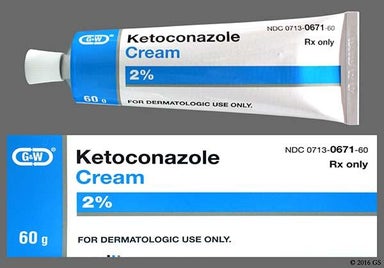
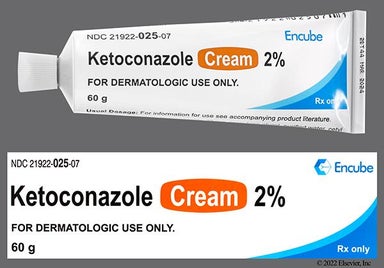
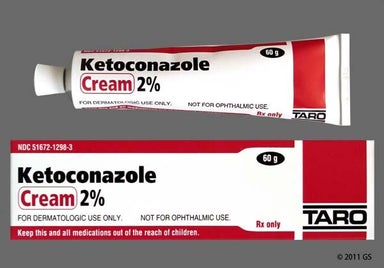
Prescription savings
Stop paying too much for your prescriptions. Compare prices, get pharmacy coupons, and save up to 80%. Find expert answers to your health questions so you can make the best decisions for yourself and your family.
Health conditions
Medications & treatment
Access & affordability
 Our monthly healthcare membership can help you save thousands on your prescription costs.
Resources

Nizoral is used to treat certain types of systemic fungal infections, which are infections that have spread throughout the body. But your provider will only prescribe Nizoral if you have no safer medication options. This is because Nizoral has a lot of medication interactions and potentially serious side effects, like liver damage and heart rhythm problems. Your provider won't prescribe Nizorals for less-serious infections, such as nail fungal infections, surface-level fungal skin infections, or Candida yeast infections.
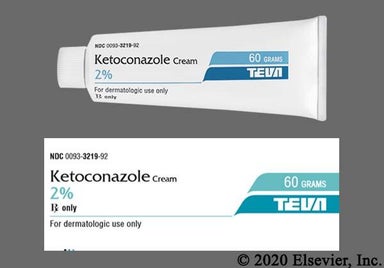
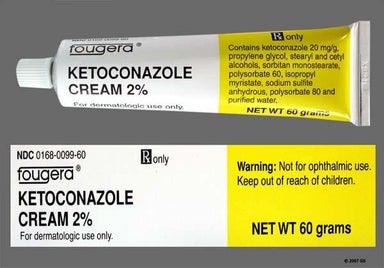
Ketoconazole 2% cream is one of the available treatment options for ringworm. Oral Nizoral isn't typically used for ringworm. This is because the oral medication has more risks and side effects than the topical (on the skin) version. Nizoral is a last-choice medication reserved for people with severe fungal infections.
Nizoral can potentially cause hair loss, but it's not a common side effect. If you notice hair loss after starting this medication, talk with your provider. They can help you determine what might be the cause for the hair loss, and recommend treatment options that are appropriate for you.
No, Nizoral isn't a steroid. It's an antifungal medication.
Yes, Nizoral is known as an azole antifungal and it's used to target and treat certain types of fungal infections.
No, Nizoral is only available by prescription. But ketoconazole shampoo for dandruff is available OTC.
Nizoral hasn't been well-studied in pregnant females. But animal studies suggest and reports show that it can cause harm to unborn babies. Speak with your healthcare provider right away if you find out you're pregnant or you're thinking of becoming pregnant while taking Nizoral.
