



Anxiety and IBS: What’s the Connection?
Do your irritable bowel syndrome (IBS) symptoms get worse when you’re anxious or stressed? Explore the link between IBS and anxiety, and learn coping strategies.
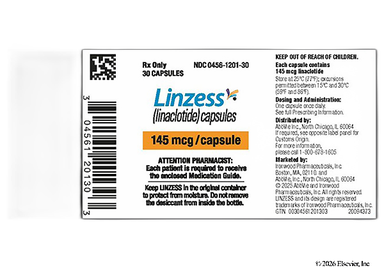
Linzess (linaclotide) is used to treat constipation from irritable bowel syndrome (IBS-C) in people 7 years and older. It's also approved for adults with chronic constipation from unknown reasons. In addition, it treats functional constipation in children 2 years and up. This medication belongs to a drug class called guanylate cyclase-C agonists. It helps stool move through the gut more easily. Linzess (linaclotide) comes as a capsule taken by mouth once a day. Diarrhea is a common side effect. Linzess (linaclotide) is brand name only; there's no generic version yet.

Linzess (linaclotide) is a guanylate cyclase-C (GC-C) agonist. GC-C is a protein that works in the intestines.
Linzess (linaclotide) turns on the GC-C protein. This raises the amount of fluid in your intestines and speeds up the movement of food through your gut. These actions help you have regular bowel movements and possibly relieve belly pain.
| Common Brands | Linzess |
|---|---|
| Drug Class | GC-C agonist |
| Controlled Substance Classification | Not a controlled medication |
| Generic Status | No lower-cost generic available |
| Availability | Prescription only |

The following side effects may get better over time as your body gets used to the medication. Let your healthcare provider know immediately if you continue to experience these symptoms or if they worsen over time.
Adults:
Children:
Adults:
Children:
Contact your healthcare provider immediately if you experience any of the following.
Along with its needed effects, a medicine may cause some unwanted effects. Although not all of these side effects may occur, if they do occur they may need medical attention.
Check with your doctor immediately if any of the following side effects occur:
Rare
Bleeding from the rectum
bloody, black, or tarry stools
confusion
decreased urination
difficulty swallowing
dizziness
fainting
fast heartbeat
hives or welts, itching, or skin rash or redness
increase in heart rate
lightheadedness
loss of bowel control
puffiness or swelling of the eyelids or around the eyes, face, lips or tongue
rapid breathing
shortness of breath
sunken eyes
thirst
tightness in the chest
unusual tiredness or weakness
wrinkled skin
Some side effects may occur that usually do not need medical attention. These side effects may go away during treatment as your body adjusts to the medicine. Also, your health care professional may be able to tell you about ways to prevent or reduce some of these side effects. Check with your health care professional if any of the following side effects continue or are bothersome or if you have any questions about them:
More common
Body aches or pain
chills
ear congestion
excess air or gas in the stomach or intestines
full or bloated feeling
headache
loss of voice
passing gas
stuffy or runny nose
Less common
Acid or sour stomach
belching
indigestion
pain or tenderness around the eyes and cheekbones
pressure in the stomach
stomach discomfort or upset
swelling of the abdominal or stomach area
Other side effects not listed may also occur in some patients. If you notice any other effects, check with your healthcare professional.
Call your doctor for medical advice about side effects. You may report side effects to the FDA at 1-800-FDA-1088.



Tips for taking Linzess (linaclotide) if you have trouble swallowing or have a feeding tube:

Linzess (linaclotide) can cause some serious health issues. This risk may be even higher for certain groups. If this worries you, talk to your doctor or pharmacist about other options.
Linzess (linaclotide) isn't for children younger than 2 years old because of the risk of serious dehydration. In studies with baby animals, the medication caused severe, deadly dehydration.
Studies show that children over 2 years old aren't likely to have a high risk of life-threatening dehydration with Linzess (linaclotide). But it's not clear how much risk there is for diarrhea and serious dehydration in babies under 2.
Keep Linzess (linaclotide) away from children so they don't take it by accident. If you think a baby has swallowed this medication, call 911 right away. You can also call a poison control center at 1-800-222-1222.
Although it's rare, Linzess (linaclotide) can sometimes cause severe diarrhea. This can lead to dehydration, which can be dangerous.
Be sure to drink lots of fluids while taking Linzess (linaclotide). Stop taking the medication and get medical help right away if you have severe diarrhea, severe stomach pain, bloody stool, or black stool that looks like tar. Also get help if you feel dizzy, very tired, faint, or confused. These could be signs of serious dehydration, which needs to get treated quickly.

 Capsule
| Dosage | Quantity | Price as low as | Price per unit |
|---|---|---|---|
| 145mcg | 30 capsules | $286.60 | $9.55 |
| 290mcg | 30 capsules | $286.47 | $9.55 |
| 72mcg | 30 capsules | $286.37 | $9.55 |
The dose depends on which type of chronic constipation you have.
Take Linzess (linaclotide) on an empty stomach, at least 30 minutes before eating.
Irritable bowel syndrome with constipation (IBS-C)
Chronic idiopathic constipation (CIC)
Functional constipation (FC)

Although certain medicines should not be used together at all, in other cases two different medicines may be used together even if an interaction might occur. In these cases, your doctor may want to change the dose, or other precautions may be necessary. Tell your healthcare professional if you are taking any other prescription or nonprescription (over-the-counter [OTC]) medicine.


Contraindications are specific health conditions or situations in which a person should not take a medication due to safety concerns. If you have any of the following conditions or if any of the following apply to you, let your healthcare provider know because Linzess (linaclotide) will not be safe for you to take.











Prescription savings
Stop paying too much for your prescriptions. Compare prices, get pharmacy coupons, and save up to 80%.Resources
About GoodRx
 Find expert answers to your health questions so you can make the best decisions for yourself and your family.
Health conditions
Medications & treatment
Access & affordability
Well-being
Medication discounts

Diarrhea is one of the most commonly reported side effects of Linzess. But rarely, diarrhea can be severe enough that it cause dehydration. Dehydration can lead to confusion, dizziness, fainting, or a racing heart. Sometimes, dehydration can be so serious that you might need to be hospitalized to get treated. To prevent serious dehydration, make sure to drink plenty of fluids while you're taking Linzess. Get medical help right away if you experience severe diarrhea with symptoms of dehydration; sudden stomach pain; or stool that’s bright red or black like tar.
In clinical studies, people who took Linzess noticed improvements in their constipation in about a week. People with IBS-C also started to feel relief from stomach pain, bloating, and discomfort within a week of starting the medication as well. With daily use, how often you have complete bowel movements and stomach-related symptom relief should continue to improve over time.
Take Linzess once a day on an empty stomach, at least 30 minutes before a meal. It’s not recommended to take the medication with a meal (especially one with high fat content), since this can cause diarrhea. Make sure to swallow the capsule whole. If you have trouble swallowing pills or have a feeding tube, you can open the capsule and use the beads inside to prepare your dose. Either sprinkle the beads onto applesauce or mix them with bottled water; mixing with bottled water is the only option if you take medications through a feeding tube though. Review the instructions on how to prepare and take your Linzess dose, and ask your prescriber if you have any questions.
Not very long. After you take Linzess and it reaches your intestines, it works in the intestines to help with constipation and stomach pain. The medication doesn't get absorbed into your system and gets broken down quickly in the intestines once it gets there. Studies estimate that Linzess gets broken down in the intestines within 1 hour of reaching the intestines. Although it doesn't last long in the intestines, Linzess works best when you take it consistently once a day long term.
Neither weight gain nor weight loss was reported as a side effect of Linzess during clinical studies. If you experience unusual or concerning changes in weight while you're taking Linzess, contact your prescriber. They can examine you to figure out what's causing your weight changes.
If you forget to take a dose of Linzess, skip the missed dose. Wait to take your regular dose the next day. Don't take two doses at the same time since this can cause stomach upset or diarrhea.
There isn't enough information to know whether Linzess is safe to take during pregnancy. In general, very little medication gets absorbed into the body so it isn't expected that an unborn baby will get exposed to the medication if it's taken during pregnancy. But animals studies showed that harm to mothers and unborn babies is possible at doses higher than what's recommended for humans. Keep in mind that what happens in animal studies might not always happen in humans. So to be safe, discuss with your prescriber about the risks and benefits of taking Linzess if you're pregnant or thinking of getting pregnant.
If you need help with affording Linzess, there's a manufacturer's assistance program that can provide resources to help you get your medication at the price you can afford. Keep in mind that whether you can take part in the savings program depends on your financial needs. Ask your prescriber for more information about how the manufacturer's assistance program might be able to help you.
