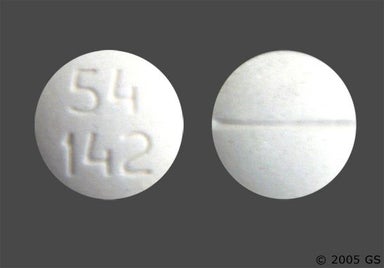
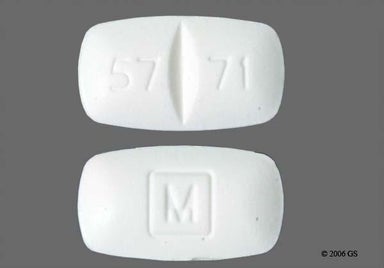
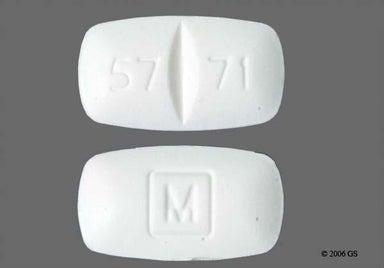
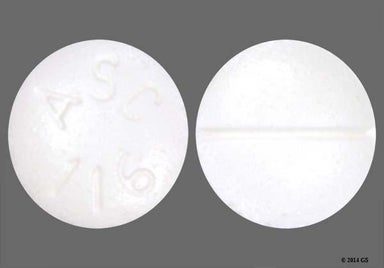
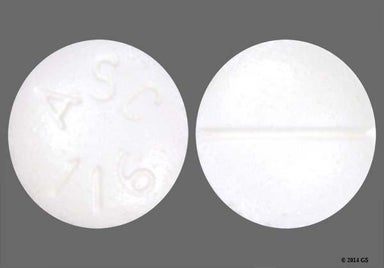
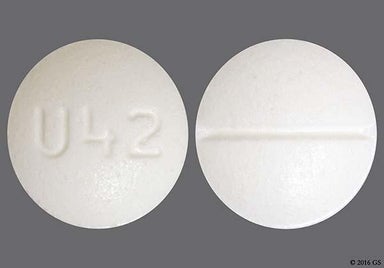
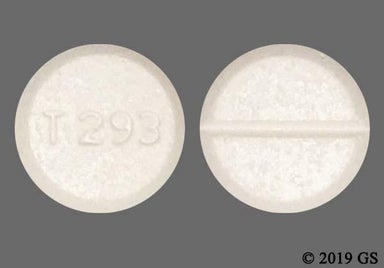
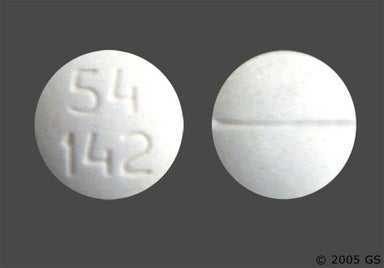
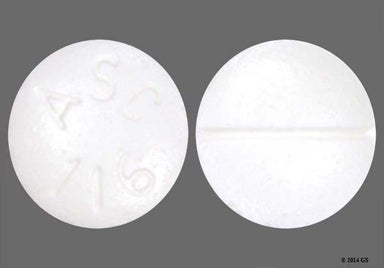
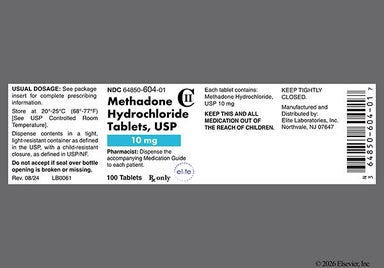
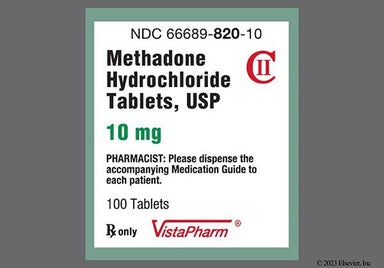
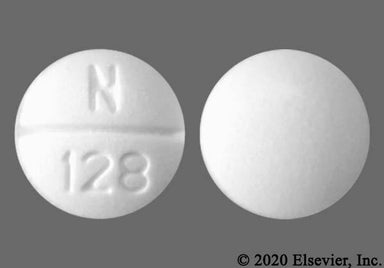
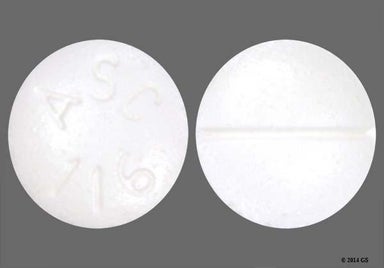
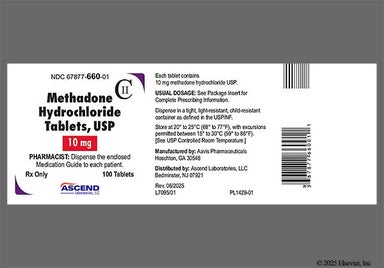
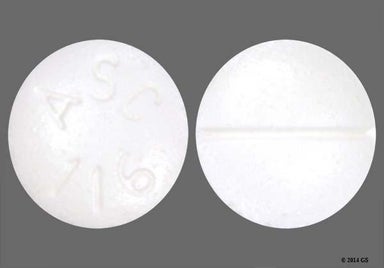
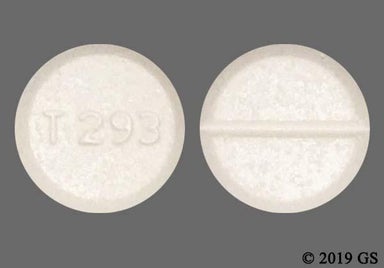
Methadone is an opioid medication. It's used to treat adults with long-term pain that's not relieved by non-opioid pain medications. Methadone is also used with counseling and support programs for opioid use disorder (or opioid addiction). When it's used for opioid use disorder, it's first given at a methadone clinic under the supervision of a healthcare professional (HCP). Methadone is available as tablets, liquids, and dissolvable tablets that are taken by mouth. It's common to have side effects like lightheadedness, dizziness, and sleepiness.
Methadone is a controlled substance, which means that it's more likely to be misused or cause dependence. There are federal and state laws that limit the amount of medication that can be prescribed or dispensed within a certain period of time.
Methadone can cause some serious health issues. This risk may be even higher for certain groups. If this worries you, talk to your doctor or pharmacist about other options.
Potential for misuse and addiction
Risk factors: Personal or family history of alcohol or substance use disorder | Personal or family history of mental health conditions | History of taking an opioid for a long period of time
Methadone is a controlled substance that has a risk for misuse and addiction. Take the medication exactly as prescribed. Don't change how much or how often you take it without talking to your prescriber first.
Misusing methadone can raise the risk for serious and possibly life-threatening side effects, such as dangerously slow breathing, not being able to stay awake, addiction, and opioid overdose. You'll be prescribed the lowest amount of methadone that's necessary to manage your condition for the shortest period of time possible.
Because of the risk for misuse and addiction, methadone for the treatment of pain is only available through a Risk Evaluation and Mitigation Strategy (REMS) program called the Opioid Analgesic REMS program. Your prescriber and pharmacy must register with the program, receive training on proper medication use, and discuss with you about how to take methadone safely.
Risk factors: Taking medications that can cause slow breathing | Drinking alcohol | Older age | Being frail | Medical conditions that cause breathing problems (e.g., COPD, asthma, head injury) | Taking too much methadone
Methadone can cause dangerously slow breathing, which can be life-threatening. This can happen to anyone and at recommended doses. But the risk is greatest when you first start treatment or when your dose goes up.
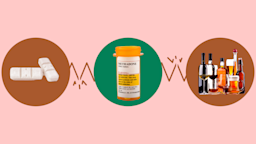
Don't drink alcohol while you're taking methadone. And don't take methadone with other medications that slow your body down (e.g., benzodiazepines, other opioids, muscle relaxants). Otherwise, you're at very high risk for extremely slowed breathing.
Your prescriber will recommend that you also have a medication called naloxone (Narcan) — either by prescription or over the counter — to carry with you at all times. Naloxone helps reverse slow breathing from opioids. Use naloxone, call 911, and get help right away if you or your loved one notices that you have trouble breathing or have bluish-colored lips, fingers, or toes.
Risk for opioid overdose
Risk factors: History of opioid use disorder | Previous opioid overdose | Taking high doses of methadone | Taking more opioids than prescribed | Alcohol use
Take methadone exactly as prescribed. Taking too much medication or taking it more often than prescribed can lead to an overdose. It can be very dangerous if someone accidentally swallows the medication. Be sure to keep the medication out of reach from children, pets, or visitors to prevent accidental exposure or overdose.
Symptoms of an opioid overdose include not responding to sound or touch, extremely slow breathing, slow heartbeat, extreme sleepiness, and cold or clammy skin. Be sure you and your loved ones know how to recognize an overdose. Your prescriber will recommend getting naloxone (Narcan) — either by prescription or over the counter. Naloxone is a medication that can treat an opioid overdose. Carry naloxone with you at all times; use it and call 911 right away if an overdose happens.
Difficulty concentrating and extreme sleepiness
Risk factors: Taking high doses of methadone | Age 65 years or older | Drinking alcohol | Taking other medications that can cause sleepiness
Methadone can cause extreme sleepiness and lower your ability to think, react, and focus. Don't drink alcohol or take other medications that can cause sleepiness or "brain fog" (e.g., benzodiazepines, muscle relaxants, sleep medications) with methadone. Otherwise, it can worsen these side effects.
Make sure you know how methadone affects you before driving a car or doing activities that require your concentration. Talk to your prescriber if you feel too sleepy from the medication.
Risk factors: High methadone dose | Heartbeat or heart rhythm problems | Heart failure | Electrolyte levels that aren't balanced in the body | Taking other medications that cause QT prolongation
It's possible for methadone to lengthen the time it takes for your heart to relax and contract. This is called QT prolongation and it can sometimes lead to a potentially life-threatening heart rhythm problem. Tell your prescriber about your full medical history and all the medications you take before you start methadone. Contact a healthcare professional (HCP) if you feel symptoms of a heart rhythm problem, such as pounding chest, trouble breathing, feeling faint or lightheaded, or chest pain, while you're taking methadone.
Drug interactions
Methadone interacts with many medications. So it's important to tell your prescriber and pharmacist about the medications you're taking and planning to take with methadone. Your care team can check that your medications are safe to take together. Also speak with your care team first before making any changes to your medications because sudden dose adjustments can also lead to harm.
Some interactions can raise the level of methadone in your body. This can raise your risk for serious side effects, including potentially life-threatening slow breathing. Some medications that can lead to this type of interaction with methadone include erythromycin, ketoconazole, and sertraline (Zoloft).
Long-term use of methadone during pregnancy can cause your unborn baby to become dependent on the medication. This is because methadone can pass through the placenta to your unborn baby.
Once your baby is born, they can experience withdrawal symptoms, such as high-pitched crying, poor feeding behavior, trembling, abnormal sleep patterns, and even seizures. This condition is called neonatal opioid withdrawal syndrome and can be life-threatening if not recognized and treated in time. Let your HCP know if you've taken methadone during pregnancy or if you notice these symptoms in your baby.
Serotonin syndrome
Risk factors: Taking a monoamine oxidase inhibitor (MAOI) 14 days before starting methadone | Taking other medications that raise serotonin levels in your brain
Some people have reported developing serotonin syndrome when they took methadone with other medications that affect serotonin levels, like certain antidepressants, MAOIs, linezolid (Zyvox), and migraine medications. Serotonin syndrome is a rare, but potentially life-threatening condition that happens when there's too much serotonin in the brain. Get medical help right away if you have any symptoms of serotonin syndrome, including fast heart rate, muscle stiffness or spasms, high fever, and confusion.
Low blood pressure
Methadone can cause extremely low blood pressure. In addition, your blood pressure might drop when you stand from a sitting or lying down position. Having low blood pressure can lead to dizziness and fainting. To avoid falling, get up slowly if you've been sitting or lying down. Talk to your HCP if any dizziness or lightheadedness doesn't go away.
Low adrenal hormone levels
Risk factors: Taking methadone for longer than 1 month
Some people taking opioid medications like methadone have had low adrenal hormone levels. This might be more likely to happen after taking opioids for longer than 1 month. Tell your HCP if you have any symptoms of low adrenal hormone levels, like tiredness, dizziness, weakness, not feeling hungry, nausea, and vomiting. If your adrenal hormone levels are too low, you might need to stop methadone and get treated with corticosteroids.
Seizures
Risk factors: History of seizure conditions
Opioids like methadone can raise the risk of having seizures more often in people who've had one before. Methadone can also raise your risk of seizures in certain situations. Get medical help right away if you have a seizure while you're taking this medication.
Low blood sugar (hypoglycemia)
Risk factors: History of diabetes
Although rare, some people with diabetes who took methadone reported having episodes of low blood sugar levels (hypoglycemia). Sometimes, blood sugar levels were low enough that it required hospitalization. Check your blood sugar if you feel symptoms of hypoglycemia, such as fast heartbeat, shakiness, anxiety, sweating, weakness, or confusion. Treat your low blood sugar right away.
Withdrawal symptoms
Risk factors: Long-term use of methadone
Don't suddenly lower your dose or stop taking methadone without talking to your prescriber if you're physically dependent on opioids. Being physically dependent means that your body relies on opioids to function normally.
Lowering your dose or stopping methadone too fast can cause your pain to come back. It can also lead to bothersome withdrawal symptoms, including anxiety, restlessness, irritability, runny nose, sweating, and chills. If needed, your prescriber will slowly lower your methadone dose over time to prevent withdrawal symptoms.
Side effects of Methadone
The following side effects may get better over time as your body gets used to the medication. Let your healthcare provider know immediately if you continue to experience these symptoms or if they worsen over time.
Common Side Effects
Lightheadedness
Dizziness
Sleepiness
Nausea
Vomiting
Sweating
Less Common Side Effects
Constipation
Dry mouth
Headache
Swelling
Itching
Rash
Methadone serious side effects
Contact your healthcare provider immediately if you experience any of the following.
Dangerously slow breathing: trouble breathing; bluish-colored lips, fingers, or toes
Accidentally taking too much (overdose): not responding to sound or touch, slow heartbeat, slow breathing, extreme sleepiness, cold or clammy skin
Heart rhythm problems (QT prolongation): chest pounding, chest pain, fluttering in the chest, trouble breathing, feeling faint or lightheaded
Serotonin syndrome: fast heart rate, sweating, muscle stiffness or spasms, fever, confusion
The following Methadone side effects have also been reported
Along with its needed effects, a medicine may cause some unwanted effects. Although not all of these side effects may occur, if they do occur they may need medical attention.
Check with your doctor immediately if any of the following side effects occur:
Some side effects may occur that usually do not need medical attention. These side effects may go away during treatment as your body adjusts to the medicine. Also, your health care professional may be able to tell you about ways to prevent or reduce some of these side effects. Check with your health care professional if any of the following side effects continue or are bothersome or if you have any questions about them:
Other side effects not listed may also occur in some patients. If you notice any other effects, check with your healthcare professional.
Call your doctor for medical advice about side effects. You may report side effects to the FDA at 1-800-FDA-1088.
Pros and cons of Methadone
Pros
Comes as a tablet and liquid that are taken by mouth
Available as a lower-cost generic version
Cons
Can cause life-threatening slow breathing, especially if it's mixed with alcohol
Has potential to be habit-forming
Pharmacist tips for Methadone
Constipation is a common side effect of opioids like methadone. To help manage constipation, drink plenty of water and add more foods with fiber to your meals. Speak to your care team about your options if it doesn't seem to improve with these lifestyle changes.
Don't drink alcohol while you're taking methadone. Otherwise, you might get very sleepy or dizzy and you might not be able to think clearly, which can lead to accidental injuries.
Take methadone exactly as your prescriber instructed you to. Don't lower your dose or stop taking it without talking to your prescriber first. Your prescriber will give you specific instructions to follow to lower your dose slowly over time. This lowers your risk for withdrawal symptoms like muscle aches, chills, and trouble sleeping.
It's recommended that you always have naloxone (Narcan) with you. Naloxone is a medication that can help reverse the effects of methadone in situations like an accidental overdose. Be sure your loved ones know how to give naloxone to you if you can't do it yourself. Call 911 right away if you need to use naloxone because its effects are temporary.
Let your prescriber know if you're pregnant or breastfeeding. Your prescriber will weigh the risks and benefits of taking methadone. In general, opioids aren't recommended for pain while pregnant or breastfeeding because they can raise the risk for serious harm to the baby.
Keep methadone out of reach from children, pets, or visitors. Ask your prescriber or pharmacist about drug take-back options to safely get rid of the medication if you don't need it anymore. This lessens the risk for accidental overdose and medication misuse.
Tips for the methadone liquid:
Methadone liquid comes in different strengths: 1 mg/mL, 2 mg/mL, and 10 mg/mL. Make sure you know which strength of the liquid you have and how to properly measure your dose to avoid potentially taking the wrong dose. Ask your prescriber if you're not sure.
For the dissolvable tablets for oral suspension, only prepare the dose when you're ready to take it. Place the tablet in 120 mL (about one-half cup) of water, orange juice, or other acidic fruit drink. Let the tablet dissolve before you drink the mixture. Don't swallow the tablets whole.
Only use the dose cup or oral syringe that your prescriber provides you with to measure out your methadone dose. Don't use household spoons because they aren't accurate.
Store the methadone liquid at room temperature. Keep the medication in the original container that it came in to protect it from light.
Tips for taking methadone for OUD:
When you start treatment with methadone for opioid use disorder, you'll need to go to a methadone clinic every day to take your methadone dose. Mark your appointment dates and times in your calendar so you don't miss any doses.
Be sure to continue to visit and follow up with your prescriber as scheduled, even after you get to a stable methadone dose to manage your OUD. This helps check your progress with treatment and adjust your treatment plan, if needed.
Methadone dosage
The average cost for 90 tablets of 10mg of Methadone is $25.72 with a free GoodRx coupon. This is 53.57% off the average retail price of $55.40.
Methadone may interact with certain medications or supplements. Always let your doctor and pharmacist know about any other medications or supplements (including prescribed and over-the-counter medications, vitamins, and dietary or herbal supplements) that you are currently taking. The list below does not include all possible drug interactions with Methadone. Please note that only the generic name of each medication is listed below.
Although certain medicines should not be used together at all, in other cases two different medicines may be used together even if an interaction might occur. In these cases, your doctor may want to change the dose, or other precautions may be necessary. When you are taking this medicine, it is especially important that your healthcare professional know if you are taking any of the medicines listed below. The following interactions have been selected on the basis of their potential significance and are not necessarily all-inclusive.
Using this medicine with any of the following medicines is not recommended. Your doctor may decide not to treat you with this medication or change some of the other medicines you take.
Using this medicine with any of the following medicines is usually not recommended, but may be required in some cases. If both medicines are prescribed together, your doctor may change the dose or how often you use one or both of the medicines.
Using this medicine with any of the following medicines may cause an increased risk of certain side effects, but using both drugs may be the best treatment for you. If both medicines are prescribed together, your doctor may change the dose or how often you use one or both of the medicines.
Contraindications are specific health conditions or situations in which a person should not take a medication due to safety concerns. If you have any of the following conditions or if any of the following apply to you, let your healthcare provider know because Methadone will not be safe for you to take.
GoodRx Health has strict sourcing policies and relies on primary sources such as medical organizations, governmental agencies, academic institutions, and peer-reviewed scientific journals. Learn more about how we ensure our content is accurate, thorough, and unbiased by reading our editorial guidelines.
Prescription savings
Stop paying too much for your prescriptions. Compare prices, get pharmacy coupons, and save up to 80%.
Plans start at $9.99/mo. (when paid yearly). Terms apply.
Common questions about Methadone
In general, you can take non-opioid pain medications with Methadone. These medications include acetaminophen (Tylenol), ibuprofen (Advil, Motrin), and naproxen (Aleve). In fact, pain specialists typically recommend taking non-opioid pain medications with opioids for additional pain relief. This helps lessen the amount of opioids you need to take to manage pain and the risks that come with opioids. But keep in mind that these non-opioid medications also have their own risks to consider, such as risks to the heart, kidney, and liver. Before you use other pain medications with Methadone, speak with your prescriber or a pharmacist to make sure it's safe for you.
Yes. Even though Methadone is used to treat opioid use disorder (OUD), the medication can still be habit-forming if it's misused because it's an opioid. All opioids, including Methadone, have a black box warning for risk of addiction and dependence. Black box warnings are the strictest and most serious type of safety warning that the FDA can give to a medication. Signs of addiction can include cravings to take the medication, continued use even though you have negative consequences from it, and possible withdrawal symptoms when you suddenly stop taking it. To lower the risk for addiction, take Methadone exactly as prescribed to you. Your prescriber will work with you to find the lowest dose needed to manage your condition and treat you for the shortest period of time possible.
Yes, Methadone is a narcotic. The term "narcotic" refers to opioid medications, and Methadone is an opioid medication.
It takes anywhere from 2 to 12 days for most of Methadone to leave your body after a single dose. This time frame is estimated based on the half-life of Methadone, which has a wide range based on studies.
Yes, sleepiness or drowsiness is one of the most common side effects of opioid medications like Methadone. The risk is higher if you're taking other medications that make you sleepy, such as certain allergy medications or antidepressants. Make sure to avoid driving or doing anything that requires concentration until you know how Methadone affects you. Also avoid alcohol because it can worsen sleepiness. Talk with your prescriber if Methadone makes you feel too sleepy to the point where you can't go about your day; your prescriber might adjust your dose.
It's not completely clear whether Methadone directly causes weight gain. Some suggest that Methadone might make you crave sweets, which can potentially lead to weight gain. But there isn't enough evidence to confirm. In a small study, people who took Methadone for opioid use disorder gained weight. But the authors of this study concluded that it wasn't related to the medication itself but rather to being less careful with diet habits. Talk to your care team if you've noticed weight gain after you start taking Methadone. They can recommend ways to plan balanced and nutritious meals and build a regular exercise routine that works best for you.
No. The only similarity between Methadone and Suboxone is that they're both opioid medications that are used to treat opioid use disorder (OUD). But Methadone must be given in a clinic under the supervision of a healthcare professional at least at the start of treatment, whereas Suboxone can be prescribed and taken at home. In addition, Methadone comes as tablets and liquids that are swallowed, but Suboxone is a film that's dissolved under the tongue. Suboxone is a combination medication containing buprenorphine (an opioid) and naloxone (an opioid antagonist). There are many other differences between Methadone and Suboxone, so talk to your prescriber to learn more.
A Methadone clinic is a treatment facility that administers Methadone for opioid use disorder (OUD). At the start of treatment, people who take Methadone for OUD must go to the clinic once a day to get and take their dose under the supervision of a healthcare professional (HCP). Once you're at a stable dose, your prescriber will discuss with you about whether getting take-home doses of Methadone is appropriate for you. Be sure to keep visiting your prescriber as scheduled so that they can check your progress and adjust your treatment.
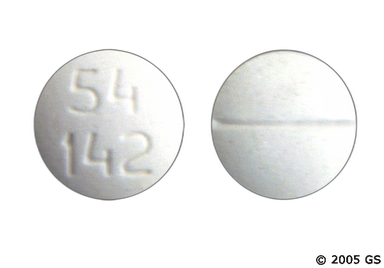




 Methadone is a
 Misusing methadone can raise the risk for serious and possibly life-threatening side effects, such as dangerously slow breathing, not being able to stay awake,