


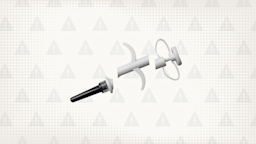
9 Cimzia Side Effects and How to Manage Them
Cimzia is used to treat rheumatoid arthritis and other autoimmune disorders. Cimzia side effects include cold and flu symptoms, headaches, and more.

Cimzia (certolizumab) is a prescription biologic used to treat several autoimmune conditions, like rheumatoid arthritis, psoriatic arthritis, and Crohn's disease. It works by blocking a protein called tumor necrosis factor (TNF), which helps reduce inflammation in your body. The medication is given as an injection under the skin every 2 to 4 weeks, depending on your condition. Common side effects include upper respiratory infections, urinary tract infections (UTIs), and skin rash.

Cimzia (certolizumab) is a type of biologic disease-modifying antirheumatic drug (DMARD). More specifically, it's a tumor necrosis factor (TNF) blocker. TNF is a protein in the body that plays a key role in inflammation. By blocking TNF, Cimzia (certolizumab) helps lower inflammation and relieve symptoms like pain, swelling, and tissue damage.
| Common Brands | Cimzia |
|---|---|
| Drug Class | TNF blocker |
| Controlled Substance Classification | Not a controlled medication |
| Generic Status | No lower-cost generic available |
| Availability | Prescription only |

The following side effects may get better over time as your body gets used to the medication. Let your healthcare provider know immediately if you continue to experience these symptoms or if they worsen over time.
Contact your healthcare provider immediately if you experience any of the following.
Along with its needed effects, a medicine may cause some unwanted effects. Although not all of these side effects may occur, if they do occur they may need medical attention.
Check with your doctor immediately if any of the following side effects occur:
More common
Bladder pain
bloody or cloudy urine
body aches or pain
chills
difficult, burning, or painful urination
difficulty with breathing
ear congestion
frequent urge to urinate
headache
hoarseness
loss of voice
lower back or side pain
unusual tiredness or weakness
Less common
Bleeding, blistering, burning, coldness, discoloration of the skin, feeling of pressure, hives, infection, inflammation, itching, lumps, numbness, pain, rash, redness, scarring, soreness, stinging, swelling, tenderness, tingling, ulceration, or warmth at the injection site
bloating or swelling of the face, arms, hands, lower legs, or feet
pain in the arms, ankles, knees, or legs
painful, red lumps under the skin, mostly on the legs
rapid weight gain
stomach pain
tingling of the hands or feet
tightness in the chest
unusual weight gain or loss
Rare
Blurred vision
confusion
coughing or spitting up blood
dizziness, faintness, or lightheadedness when getting up suddenly from a lying or sitting position
fainting
feeling of warmth
general feeling of discomfort, illness, or weakness
itching, skin rash
joint pain or swelling
large, hive-like swelling on the face, eyelids, lips, tongue, throat, hands, legs, feet, or genitals
loss of appetite
muscle aches
night sweats
redness of the face, neck, arms, and occasionally, upper chest
sudden high fever or low-grade fever for months
sweating
swelling of the lymph glands
weakness
Incidence not known
Blistering, peeling, or loosening of the skin
red skin lesions, often with a purple center
red, irritated eyes
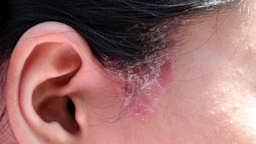
red, scaling, or crusted skin
sores, ulcers, or white spots in the mouth or on the lips
Some side effects may occur that usually do not need medical attention. These side effects may go away during treatment as your body adjusts to the medicine. Also, your health care professional may be able to tell you about ways to prevent or reduce some of these side effects. Check with your health care professional if any of the following side effects continue or are bothersome or if you have any questions about them:
Less common
Vomiting
Other side effects not listed may also occur in some patients. If you notice any other effects, check with your healthcare professional.
Call your doctor for medical advice about side effects. You may report side effects to the FDA at 1-800-FDA-1088.



How to use Cimzia (certolizumab):

Cimzia (certolizumab) can cause some serious health issues. This risk may be even higher for certain groups. If this worries you, talk to your doctor or pharmacist about other options.
 Cimzia (certolizumab) can make it harder for your body to fight off infections. This means you have a higher risk of getting serious or even life-threatening infections caused by bacteria, viruses, or fungi. Your risk is even higher if you're 65 or older, already have an infection, have certain health conditions, or take other medications that weaken your immune system.
 Cimzia (certolizumab) can also cause tuberculosis (TB) infections or hepatitis B virus (HBV) to come back if you've had them in the past or are a carrier. That’s why you’ll need to get tested for both TB and HBV before starting this medication. If you test positive, you’ll need treatment before it’s safe to begin Cimzia (certolizumab).
Call your care team or go to the hospital right away if you get signs of an infection like fever, cough, trouble breathing, diarrhea, chills, sweating, or weakness. You might need to stop Cimzia (certolizumab) for a while so your body can fight the infection.
Cimzia (certolizumab) might raise your risk of getting certain types of cancers, like leukemia, lymphoma, or skin cancer. The risk is higher in people ages 18 and younger, those with rheumatoid arthritis, or if you're taking other medications that weaken your immune system. You'll probably need certain blood tests and occasional physical exams to check for signs of cancer while you're taking this medication. Contact your care team if you notice any warning signs like swollen lymph nodes (in your neck, armpits, or groin), tiredness, weight loss, reduced appetite, frequent nosebleeds, or lumps on your skin.
Some people have had new or worsening heart failure while taking TNF blockers like Cimzia (certolizumab). Contact your prescriber if you notice signs like shortness of breath, swelling in your legs or feet, an irregular heartbeat, feeling very tired, or weakness while taking this medication. These could be signs of a serious heart problem that needs medical attention.
Though rare, some people taking Cimzia (certolizumab) have had allergic reactions to the medication. These can include rash, hives, trouble breathing, swelling of the face or lips, and serious reactions like anaphylaxis. Get medical help right away if you have any of these symptoms while taking this medication.
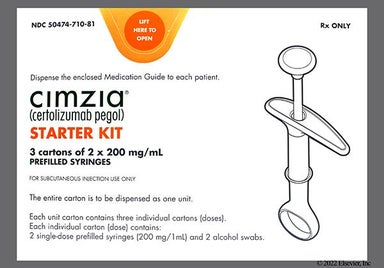
Also, the needle shield inside the cap of the Cimzia (certolizumab) prefilled syringe contains a material similar to natural rubber latex. If you’re sensitive to latex, this might cause a reaction. Be sure to tell your prescriber if you have a latex allergy and what kind of reaction you’ve had in the past.
In rare cases, TNF blockers like Cimzia (certolizumab) have been linked to new or worsening nervous system problems, including conditions like multiple sclerosis or Guillain-Barré syndrome. Let your care team know if you experience dizziness, numbness or tingling, weakness in your arms or legs, or vision changes while taking this medication.
Although rare, people taking TNF blockers like Cimzia (certolizumab) have had low blood cell counts. This can raise your risk of serious infections, bleeding, and anemia. Call your care team right away if you notice signs like fever that won’t go away, easy bruising, unusual bleeding, or pale skin. If your blood counts drop too low, you'll probably need to stop taking the medication.
Cimzia (certolizumab) can sometimes lead to a rare condition called drug-induced lupus erythematosus (DILE). Symptoms can include shortness of breath, joint pain, or a rash on your cheeks or arms that gets worse in sunlight. If you have any of these symptoms, your prescriber might stop the medication to keep you safe. Let your care team know right away if you notice any unusual symptoms.
It’s not clear if Cimzia (certolizumab) makes the vaccines work less well. To be safe, you should avoid live vaccines while taking this medication and right before starting it. It’s a good idea to get caught up on your vaccines before beginning treatment. Talk to your prescriber about which ones you might need.


Although certain medicines should not be used together at all, in other cases two different medicines may be used together even if an interaction might occur. In these cases, your doctor may want to change the dose, or other precautions may be necessary. When you are taking this medicine, it is especially important that your healthcare professional know if you are taking any of the medicines listed below. The following interactions have been selected on the basis of their potential significance and are not necessarily all-inclusive.
Using this medicine with any of the following medicines is usually not recommended, but may be required in some cases. If both medicines are prescribed together, your doctor may change the dose or how often you use one or both of the medicines.












Prescription savings
Stop paying too much for your prescriptions. Compare prices, get pharmacy coupons, and save up to 80%. Find expert answers to your health questions so you can make the best decisions for yourself and your family.
Health conditions
Medications & treatment
Access & affordability
 Our monthly healthcare membership can help you save thousands on your prescription costs.
Resources

In clinical studies, some people started to feel better within 1 week of starting Cimzia. These studies included people with rheumatoid arthritis, ankylosing spondylitis and psoriatic arthritis. Everyone responds to treatment differently, so it might take more time for some people to notice results. So it's important to continue taking the medication, even if you don't feel an improvement right away.
The most common side effect of Cimzia in clinical studies was upper respiratory tract infections, like a cold or the flu. And because Cimzia lowers your immune system, other types of infections are possible too, like urinary tract infections (UTIs). Contact your prescriber if you experience symptoms of an infection, such as fever, chills, or feeling unwell. Another common side effect is skin rash. Let your prescriber know if you get a new rash and or if it gets worse, becomes painful, or spreads.
How long side effects from Cimzia last can depend on the specific side effect. For example, infections can last a few days to a few weeks depending on where they occur in your body. But injection site reactions often go away within a few hours to a few days. Be sure to tell your prescriber if you have any side effects that are bothering you or not going away.
People who took Cimzia didn't report weight gain as a side effect during clinical studies. But, some people did experience swelling or fluid retention, which can sometimes lead to a small increase in weight. Also, TNF blockers like Cimzia can cause new or worsening heart failure. This can lead to fluid buildup in the body and result in weight gain. If you notice sudden weight gain along with symptoms like shortness of breath, swelling, feeling tired, contact your prescriber.
It takes about 56-70 days for most of Cimzia to leave your body after a single dose. This estimate is based on its half-life, which is the time it takes the amount of medication in your body to go down by half. Even though it stays in your system for a while, you still need to take Cimzia every 2 or 4 weeks, depending on your condition. This helps keep enough medication in your body to control your symptoms. If you have concerns about how long it stays in your system, talk with your prescriber.
Yes, Cimzia is considered an immunosuppressant because it works by weakening your immune system. It helps treat autoimmune conditions caused by an overactive immune response. By making the immune system less active, it lowers inflammation and helps relieve symptoms. But this also means you might have a higher risk of getting infections.
It’s not clear if Cimzia is completely safe to use during pregnancy. Small studies found little to no medication in babies' blood when taken in the third trimester. And another study didn't show a higher risk of harm to unborn babies. If you're pregnant or planning to be, talk to your prescriber about the risks and benefits of using Cimzia. If you do take this medication during pregnancy, it's recommended that you contact MotherToBaby to join a registry that tracks the health of you and your baby.
No, but they work in similar ways. Both Cimzia and Humira (adalimumab) are TNF blockers that treat the same kinds of autoimmune conditions. But Humira (adalimumab) is also FDA approved for other conditions like ulcerative colitis, uveitis and hidradenitis suppurativa. Not to mention, these are different medications with different ingredients and dosing schedules. Talk to your prescriber if you have questions about how these two medications compare.
