Key takeaways:
Anterior uveitis is an inflammatory condition of the front part of the eye that causes eye pain, redness, and vision changes.
Certain autoimmune conditions and infections can cause anterior uveitis.
Early treatment of anterior uveitis is important to relieve symptoms and prevent complications that lead to vision damage.
The term “uvea” describes the middle part of the eye. It starts right beneath the sclera, which is the white part of your eyeball. The uvea is made up of several parts, including the:
Iris: the colored part of your eye
Ciliary body: the part of your eye that makes the fluid inside of your eyeball
Choroid: the blood vessels inside of your eye

These parts need to work in order for you to see. If you have inflammation of your uvea, or uveitis, you will have vision changes. These changes can get worse or even become permanent without treatment. That’s why it’s important to see an ophthalmologist if you have uveitis or are at risk for developing it.
If you’ve recently been diagnosed with uveitis, here’s everything you need to know to keep your vision safe.
What is uveitis, and what are the different types of uveitis?
Uveitis is a condition that affects the eye. There are four types of uveitis, and each type affects a different part of the uvea:
Anterior uveitis: causes inflammation of the iris
Intermediate uveitis: causes inflammation of the ciliary body
Posterior uveitis: causes inflammation of the choroid
Panuveitis: causes inflammation of all the parts of the uvea
What are the symptoms of anterior uveitis?
Anterior uveitis is the most common type of uveitis. People can have acute uveitis, which means the condition only lasts a short amount of time. People can also have chronic uveitis, which means they have multiple episodes of uveitis.
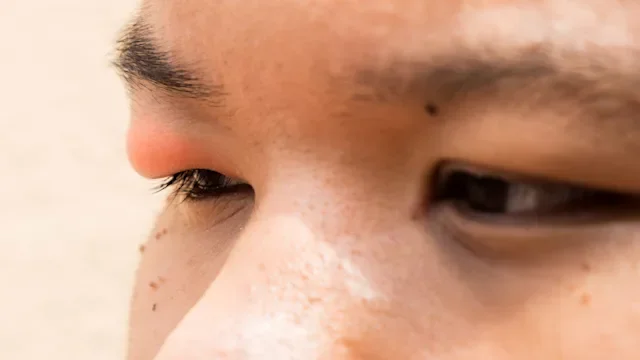
When an anterior uveitis episode is happening, you can experience:
Blurry vision
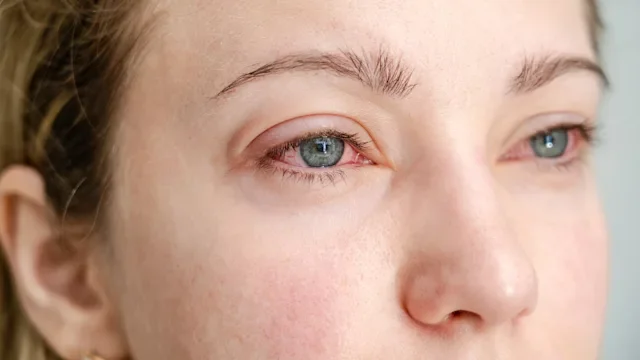
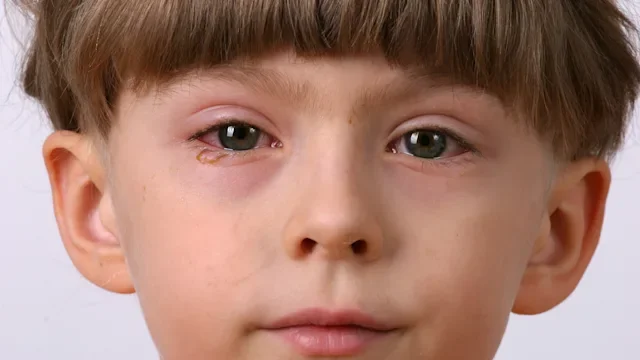
Redness of the white part of the eye
Eye pain
Light sensitivity
New black spots in your vision, also called “floaters”
These symptoms tend to start all of sudden and get worse very fast. These symptoms may occur in one or both eyes. Most episodes of anterior uveitis will get better with medication. But any type of untreated uveitis can cause other eye problems that can affect your vision. These problems include:
Macular edema
Glaucoma
What causes anterior uveitis?
Several things can cause anterior uveitis, including autoimmune disorders, infections, and trauma.
Autoimmune disorders
In an autoimmune condition, the immune system attacks the body. In some conditions, that includes the eye. These conditions include:
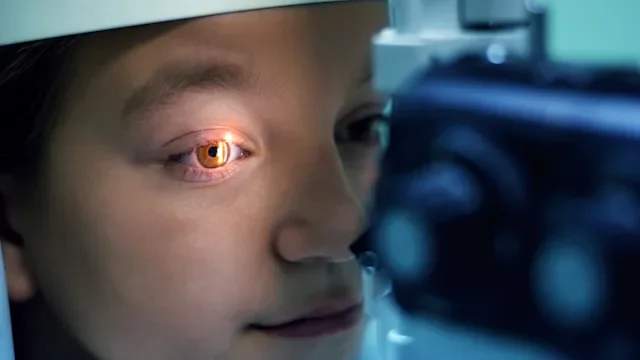
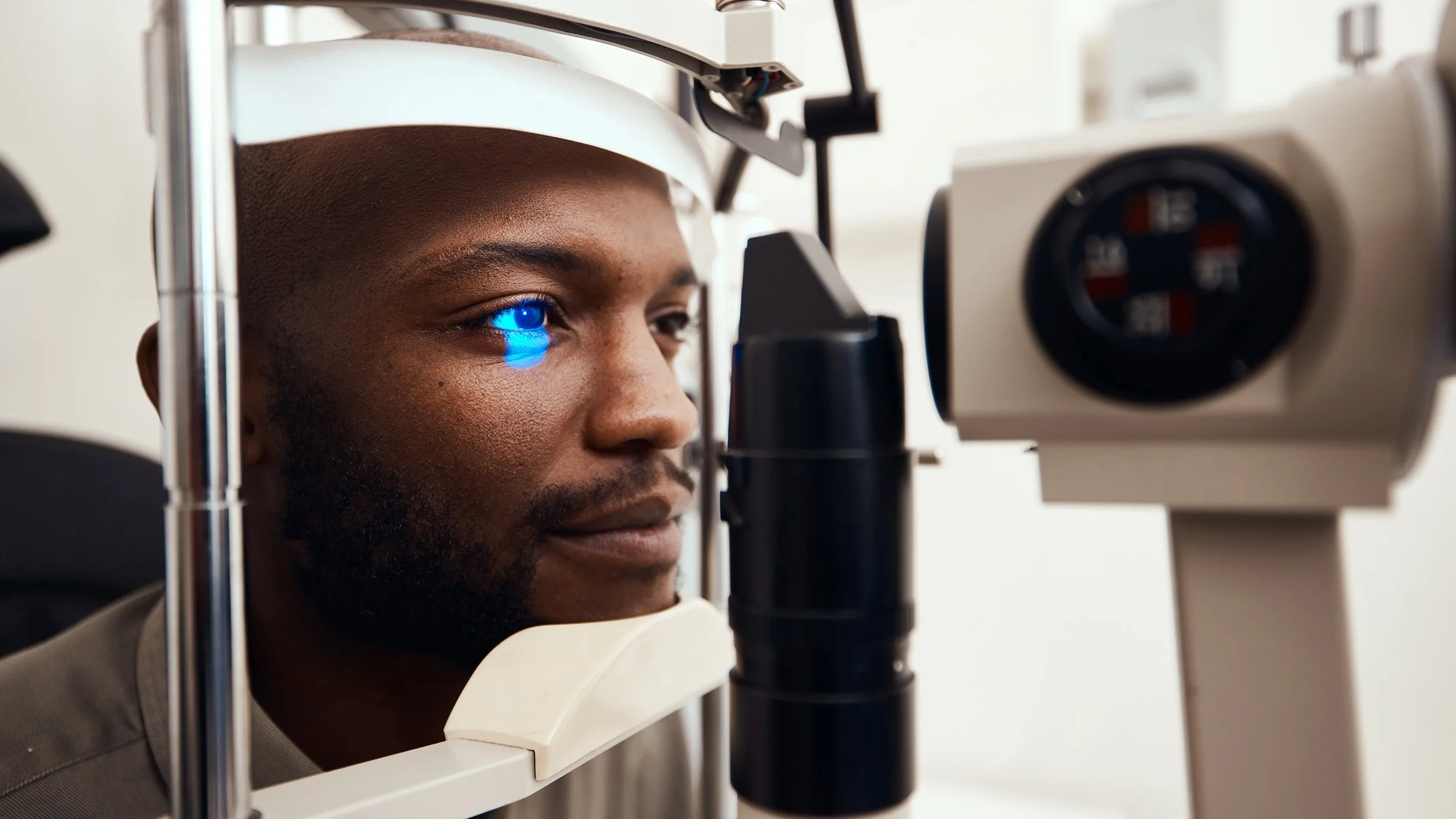
If you have one of these conditions, your rheumatologist will ask you to have an annual eye exam. This eye exam is important because it will look for signs of anterior uveitis. Sometimes the eye exam can show signs of uveitis even before you have symptoms.
Infections
Some infections are associated with anterior uveitis, including:
Cytomegalovirus (CMV)
Herpes
Histoplasmosis
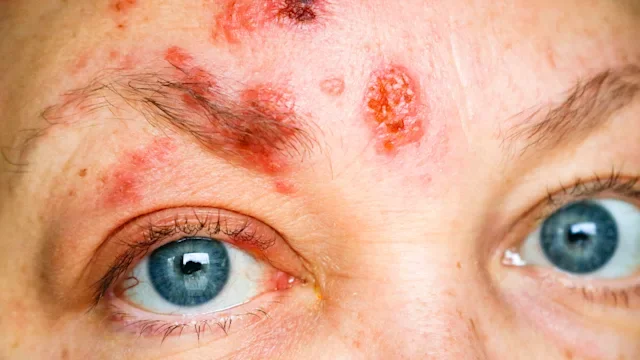
Shingles
Syphilis
Toxoplasmosis
When a person has one of these infections, the immune system attempts to fight it off. Sometimes the immune system can cause uveitis during this process. So the cause of uveitis isn’t the virus or bacteria itself — it’s the body’s response to the infection. If you’ve never had an episode of uveitis before, and you don’t have a history of autoimmune conditions, your ophthalmologist will probably get bloodwork to look for these infections.
Other causes
Other causes of anterior uveitis include:
Cancer: Some types of cancer affect the eye, like lymphoma. If you have a history of certain cancers, your oncologist may ask you to get a yearly eye exam.
Trauma: Certain eye injuries can also cause anterior uveitis. If you have an injury to your eye, your ophthalmologist will look for signs of uveitis and make sure your injury is healing.
Some people have a single episode of uveitis, but their evaluation doesn’t show any signs of infection, cancer, or autoimmune conditions. In these situations, there’s never an identified reason for the episode of uveitis. These cases are often called “idiopathic uveitis.” If you have an episode of idiopathic uveitis, your ophthalmologist might ask you to have a yearly eye exam for a few years to make sure you don’t have another episode. In the future, the cause for these cases might be discovered, as science invents new tests and ways to diagnose illnesses.
What are the treatment options for anterior uveitis?
Treatment for anterior uveitis helps improve symptoms like eye pain and also restores vision and prevents complications. In most cases, steroid eye drops and eye drops to dilate the pupil are enough to treat anterior uveitis. If your case is severe or doesn’t respond to steroid eye drops, you might need treatment with oral steroids or a steroid injection underneath the outer layer of your eye.
If you have an autoimmune condition that is causing your case of uveitis, your rheumatologist might recommend additional medications like methotrexate, cyclosporine, or azathioprine. These medications will help treat your autoimmune condition as well as the uveitis.
The bottom line
Anterior uveitis is an eye condition that can affect vision. Early treatment is important to preserve vision. Many autoimmune conditions can cause anterior uveitis, so it’s important for people with these conditions to have yearly eye exams. Anterior uveitis can be treated with steroids, and early treatment can help relieve symptoms and prevent complications.

Why trust our experts?



References
Boyd, K. (2021). What is uveitis? American Academy of Ophthalmology.
National Eye Institute. (2021). Uveitis.
The Ocular Immunology and Uveitis Foundation. (n.d.). Uveitis symptoms and causes.