Key takeaways:
A stye is a painful eyelid bump. Styes usually go away on their own within 1 to 2 weeks.
Warm compresses and eyelid scrubs can help a stye heal faster.
Don’t pop a stye — it won’t get rid of your stye. Popping it can spread bacteria into your eye and can lead to a serious eye infection.
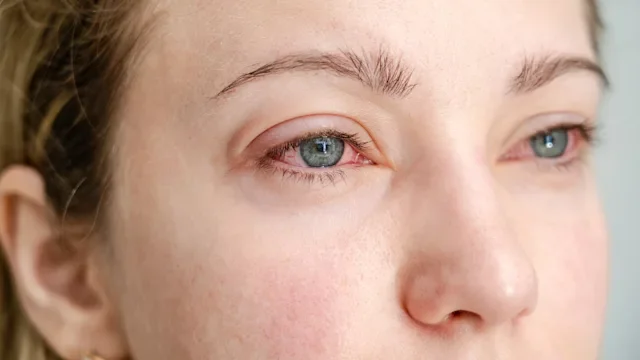
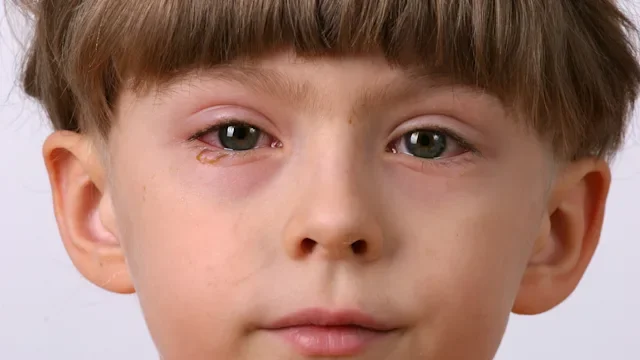
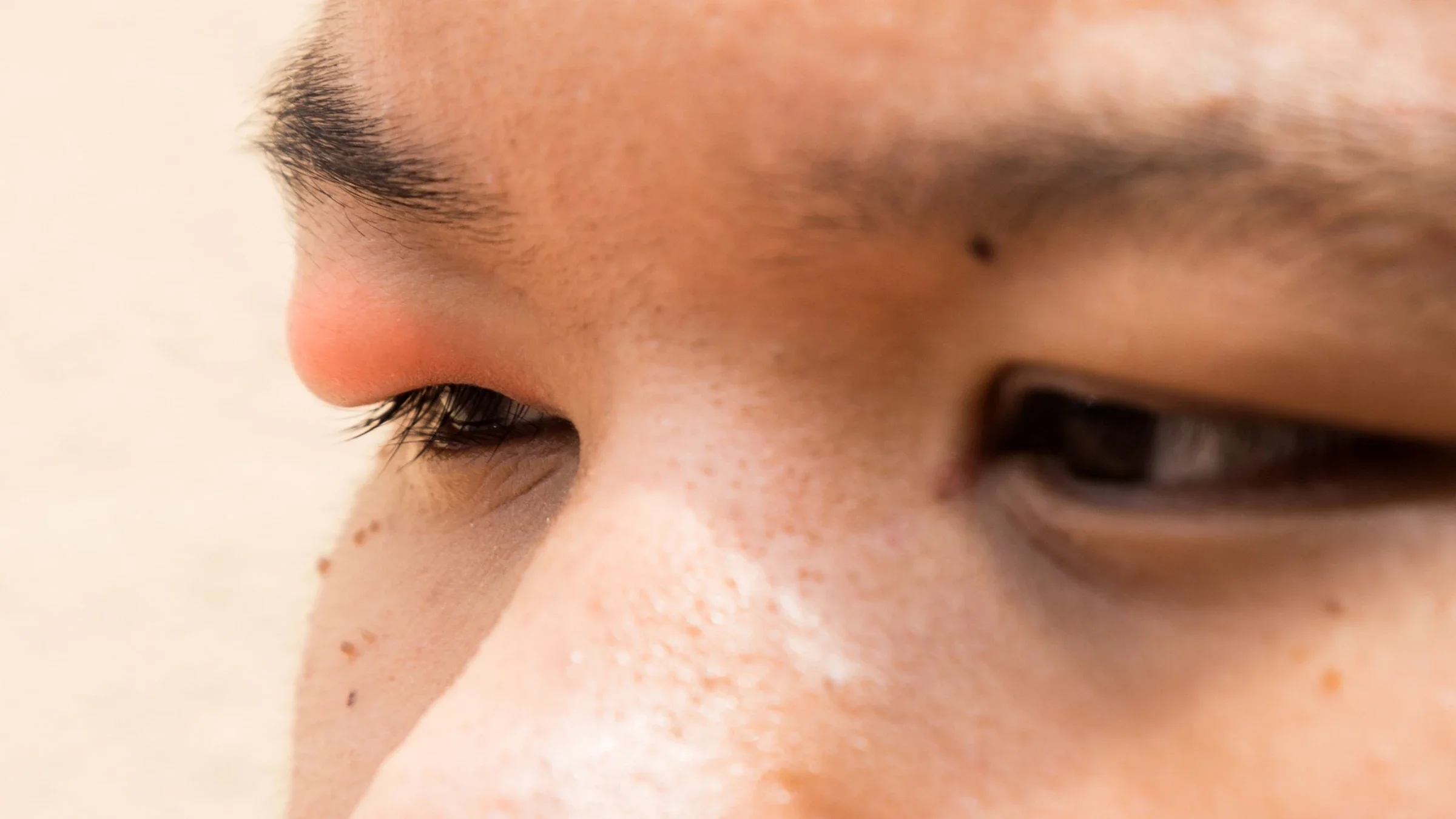
A hordeolum (stye) is an irritating, painful bump that develops on your eyelid. It can also cause redness, swelling, and eye discharge.
Styes form when bacteria infect an oil gland in your eyelid. Most styes go away on their own within 1 to 2 weeks. You may be able to speed up the healing process with home remedies and medications.
There’s no way to get rid of a stye instantly. But these four tips can help you feel better and get rid of your stye faster.
1. Apply a warm compress
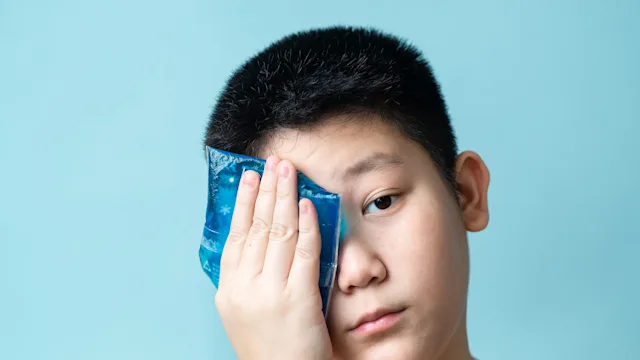
A warm compress can help unclog your affected eyelid gland and relieve swelling and pain. The warmth allows trapped oil, dead skin cells, and other debris to drain. For best results, apply a warm compress directly to your stye for 10 minutes, about 3 to 4 times per day.
Most people make warm compresses at home by putting a clean washcloth under warm water. But wet washcloths cool quickly. So, you may need to rewarm the cloth, so it lasts for a full 10 minutes.
Another option is to make a warm compress with dry rice and a clean sock. Here’s how:
Fill a clean sock with dry rice and tie it off at one end.
Microwave the filled sock for about 15 seconds.
Check to make sure the sock isn’t too hot by testing it on your hand.
Put the warm compress over your stye for 10 minutes.
You can also buy reusable masks made specifically for the eyes. Microwaveable eye masks often contain beads that hold heat longer than a wet washcloth does. Examples include masks from Bruder, OCuSOFT, and Optase.
2. Clean your eyelids
Like warm compresses, eyelid scrubs can also help remove dead skin cells and other buildup that can clog your eyelid glands.
Here’s how to make your own eyelid scrub at home:
Mix several drops of tearless baby shampoo in about 1 oz of warm water.
Wash your hands and dip a clean washcloth into the mixture.
Using the washcloth, gently clean the base of your eyelashes for about 15 seconds.
You can also gently massage your stye for about 10 seconds while doing your eyelid scrub. Gentle massage can help your eyelid gland drain.
You can use eyelid scrubs once or twice a day while your stye heals.
Over-the-counter eyelid scrubs and sprays
There are also over-the-counter (OTC) eyelid scrubs. One example is from OCuSOFT.
To use an OTC eyelid scrub, wrap the pad around your finger and gently wipe your upper and lower eyelid. Flip the pad over before cleaning your other eye.
You can also use an eyelid spray to cleanse your eyelids once a day. Examples include versions from Avenova and HypoChlor. Using a daily eyelid spray can help lower the chances that you’ll develop styes in the future.
3. Replace eye makeup and contact lenses
Avoid wearing eye makeup while you have a stye. Once the stye has healed, replace disposable eye products and makeup that touched your eye area, since they may have been contaminated. Or, thoroughly clean makeup tools and brushes. Bacteria from your stye can remain on these items. Reusing them could introduce bacteria into your eye and raise the chance of another infection.
If you usually wear contact lenses, wear glasses until your stye heals. Once your stye is gone, use a new pair of contact lenses. You should also change or disinfect your contact lens case.
4. Ask if you need antibiotic eye drops or ointment
Most styes don’t need antibiotics. But a healthcare professional may prescribe antibiotics if the infection isn’t improving or seems to be spreading.
Antibiotics require a prescription. Contact your primary care provider, eye doctor, or urgent care center to find out whether prescription antibiotics may be right for your situation.
If you do get a prescription, follow the instructions carefully. Some eye ointments are prescribed for use at night because they’re thick and can briefly blur your vision. You may need to use antibiotic eye drops several times a day, depending on your prescription.
Can you pop a stye?
No, you should never pop a stye.
It might be tempting to pop your stye, especially if it develops a whitehead. But a stye isn’t a pimple, and popping it won’t make it go away faster.
When you pop a stye, you can spread the infection to other parts of your eyelid or eye. Though rare, a spreading infection can cause preseptal cellulitis. This condition needs quick medical attention and usually needs to be treated with antibiotics.
When should you see a healthcare professional about a stye?
Styes usually start to improve within several days. But the bump may take 1 to 2 weeks to completely go away.
Contact your primary care provider or eye doctor if your stye isn’t improving after about 1 to 2 weeks, despite using warm compresses and eyelid scrubs, or if you develop several styes at the same time.
Get care right away if:
Your stye is getting bigger and more painful each day, instead of smaller and less painful.
You have redness and swelling over your entire eyelid — not just around the stye.
Your vision changes.
You experience pain with eye movement.
You have a fever.
Sometimes a stye can develop into a chalazion. This happens when your body’s immune system closes off the infected eyelid gland. Chalazions look like eyelid bumps. But they usually aren’t red or painful.
See an eye doctor if you still have a bump on your eyelid after the redness and pain from your stye goes away. This could be a sign you’ve developed a chalazion. Like styes, chalazions often go away on their own. Rarely, you may need treatment with steroid injections or surgery to get rid of a chalazion.
Frequently asked questions
A bacterial infection causes most styes.
Things that can increase your risk of bringing bacteria to your eyelid include:
Touching or rubbing your eyes without washing your hands first
Wearing contact lenses
Using makeup on or near your eyelids, especially if you don’t wash your cosmetic brushes or tools regularly
Styes can last 1 to 2 weeks. They often get bigger during the first few days. They should then get smaller and go away over the next week or so. Contact a healthcare professional if at-home treatments don’t lessen your stye after 1 to 2 weeks or if your stye gets worse after showing signs of improvement.
To lower your risk of getting a stye, limit how often you touch your eyes and face. When you do need to touch your eyes — like when putting in contact lenses — make sure to wash your hands first.
If you use makeup, avoid sharing it. Also, replace it regularly. And be sure to remove your makeup before going to bed.
The bottom line
Styes are common infections of the eyelid glands. They usually heal on their own within 1 to 2 weeks. There’s no way to get rid of a stye immediately. Never pop a stye. This can spread the infection and cause serious eye problems.
Warm compresses and gentle eyelid scrubs may relieve your symptoms and help your stye heal faster. In some cases, a healthcare professional may recommend antibiotic treatment.

Why trust our experts?



References
Alsoudi, A. F., et al. (2022). Efficacy of care and antibiotic use for chalazia and hordeola. Eye Contact Lens.
American Optometric Association. (n.d.). Chalazion.
Boyd, K. (2026). What is the difference between a stye and a chalazion? Causes, symptoms, treatment. American Academy of Ophthalmology.
Gurnani, B., et al. (2024). Stye. StatPearls.
Permanente Medicine. (n.d.). Eyelid scrubs.
Simon, G. J. B. (2011). Intralesional triamcinolone acetonide injection versus incision and curettage for primary chalazia: A prospective, randomized study. American Journal of Ophthalmology.
Wilkinson, C. P. (2022). Is it OK to pop a stye? American Academy of Ophthalmology.