








10 Medications That May Raise Your Risk of Kidney Damage
Diuretics and nonsteroidal anti-inflammatory drugs, like ibuprofen, could harm your kidneys. Here are common medications that may cause kidney damage.
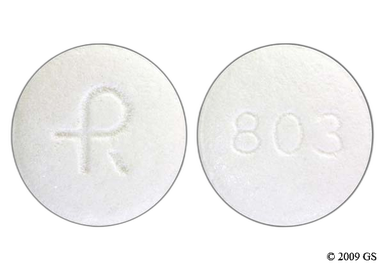
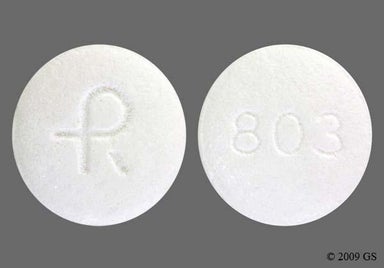
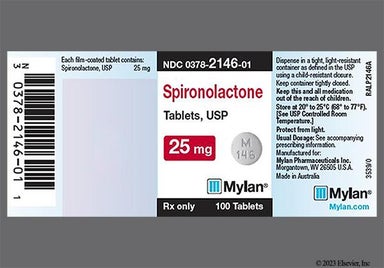
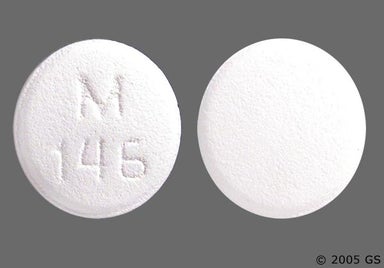
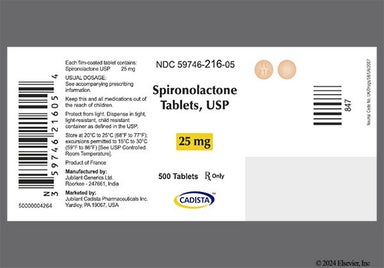
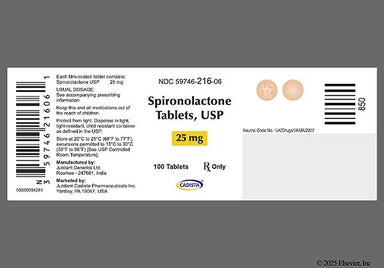
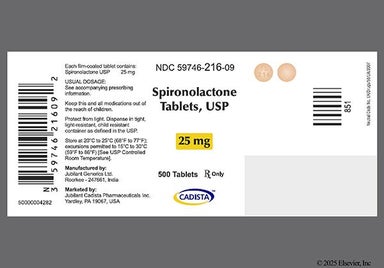
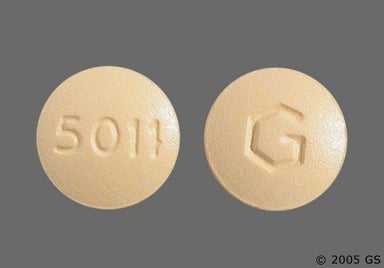
Spironolactone (Aldactone) is a type of potassium-sparing diuretic (water pill). It's used to treat heart failure, high blood pressure, and swelling from kidney or liver problems in adults. Because it blocks aldosterone (a hormone that affects sodium and potassium levels), spironolactone (Aldactone) can also treat conditions where there's too much aldosterone. Spironolactone (Aldactone) is taken by mouth, generally once or a few times a day, depending on your condition. Some common side effects of this medication include breast tenderness (males and females) and loss of libido (in males).

Spironolactone (Aldactone) is a potassium-sparing diuretic (water pill) that's also an aldosterone antagonist. It blocks aldosterone (a hormone), so your kidneys can remove extra water and sodium. This helps lower the amount of fluid in your blood vessels and other areas of your body. It makes you urinate more without lowering the amount of potassium in your body, unlike other types of water pills.
| Common Brands | Aldactone, CaroSpir |
|---|---|
| Drug Class | Potassium sparing diuretic |
| Controlled Substance Classification | Not a controlled medication |
| Generic Status | Lower-cost generic available |
| Availability | Prescription only |

The following side effects may get better over time as your body gets used to the medication. Let your healthcare provider know immediately if you continue to experience these symptoms or if they worsen over time.
Contact your healthcare provider immediately if you experience any of the following.
Along with its needed effects, a medicine may cause some unwanted effects. Although not all of these side effects may occur, if they do occur they may need medical attention.
Check with your doctor immediately if any of the following side effects occur:
Incidence not known
Bleeding gums
bloody or black, tarry stools
bloody urine
blurred vision
breast pain
clay-colored stools
clear or bloody discharge from the nipple
cloudy urine
confusion
dark urine
decrease in urine output or decrease in urine-concentrating ability
difficulty with swallowing
dimpling of the breast skin
dizziness
dizziness, faintness, or lightheadedness when getting up suddenly from a lying or sitting position
drowsiness
fast or irregular heartbeat
fever with or without chills
general feeling of tiredness or weakness
headache
hoarseness
increased thirst
indigestion
inverted nipple
loss of appetite
loss of consciousness
lower back or side pain
lump in the breast or under the arm
muscle pain or cramps
muscle spasms or twitching
painful or difficult urination
persistent crusting or scaling of the nipple
pinpoint red spots on the skin
puffiness or swelling of the eyelids or around the eyes, face, lips, or tongue
redness or swelling of the breast
seizures
severe stomach pain
shakiness and unsteady walk
sore on the skin of the breast that does not heal
sores, ulcers, or white spots on the lips or in the mouth
stomach cramping, burning, or tenderness
swelling of the face, fingers, feet, ankles, or lower legs
swollen, painful, or tender lymph glands in the neck, armpit, or groin
tightness in the chest
trembling
troubled breathing
unpleasant breath odor
unsteadiness, trembling, or other problems with muscle control or coordination
unusual bleeding or bruising
unusual tiredness or weakness
vomiting
vomiting of blood or material that looks like coffee grounds
yellow eyes or skin
Get emergency help immediately if any of the following symptoms of overdose occur:
Symptoms of overdose
Irregular heartbeat
nervousness
numbness or tingling in the hands, feet, or lips
rash with flat lesions or small raised lesions on the skin
reddened skin
weakness or heaviness of the legs
Some side effects may occur that usually do not need medical attention. These side effects may go away during treatment as your body adjusts to the medicine. Also, your health care professional may be able to tell you about ways to prevent or reduce some of these side effects. Check with your health care professional if any of the following side effects continue or are bothersome or if you have any questions about them:
Incidence not known
Burning feeling in the chest or stomach
decreased interest in sexual intercourse
hair loss or thinning of the hair
inability to have or keep an erection
leg cramps
loss in sexual ability, desire, drive, or performance
pain in the nipples
sores, welts, or blisters
stomach upset
swelling of the breasts or breast soreness in both females and males
unusual dullness or feeling of sluggishness
Other side effects not listed may also occur in some patients. If you notice any other effects, check with your healthcare professional.
Call your doctor for medical advice about side effects. You may report side effects to the FDA at 1-800-FDA-1088.




Spironolactone (Aldactone) can cause some serious health issues. This risk may be even higher for certain groups. If this worries you, talk to your doctor or pharmacist about other options.
Spironolactone (Aldactone) can raise your blood potassium levels, which can be serious. Your risk is higher if you've kidney problems or are taking other medications that can raise your potassium levels. Your healthcare provider will check your potassium levels a week after you start spironolactone (Aldactone) and regularly after that to make sure it's within a safe range. If your potassium level is too high, then your provider might lower your dose of spironolactone (Aldactone) or ask you to stop taking it all together. Let your provider know if you feel symptoms of high potassium levels, such as tiredness, muscle weakness, numbness, nausea, or vomiting.
Because spironolactone (Aldactone) causes you to urinate more, it can sometimes lead to dehydration, low blood pressure, and kidney problems. The risk is higher for people who already have kidney problems or are also taking other medications that can cause kidney problems, such as nonsteroidal anti-inflammatory drugs (NSAIDs) and certain antibiotics. Your provider might order blood tests from time to time to check your kidney health while you're taking spironolactone (Aldactone).
Spironolactone (Aldactone) can lower sodium, calcium, and magnesium levels in your blood. These electrolytes are important for many bodily functions. When they're too low, you can experience muscle cramps, fainting, irregular heart beats, or even seizures. Your healthcare provider will be checking these electrolytes before you start spironolactone (Aldactone) and regularly after starting to make sure it's safe to keep taking it.
In addition, though rare, spironolactone (Aldactone) can also raise your blood sugar levels and uric acid levels. Sometimes, higher uric acid levels might trigger a gout attack. To be safe, your provider will also check these labs through blood work occasionally, while you're taking spironolactone (Aldactone).
Spironolactone (Aldactone) can cause breast pain or swelling in males and females, especially with higher doses of the medication. Some people have this side effect within 1 to 2 months of starting spironolactone (Aldactone), while others might not experience it until they've been taking the medication for a year or more. It usually goes away when you stop taking spironolactone (Aldactone). If the breast pain or swelling bothers you, talk to your healthcare provider about other options to treat your condition.

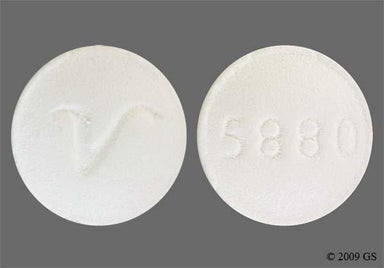
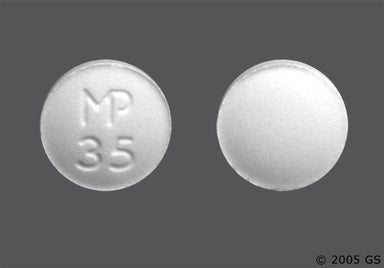
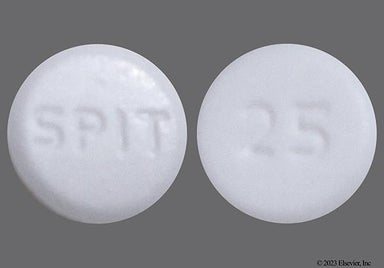
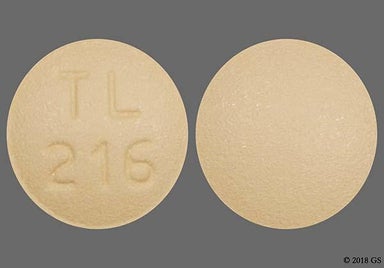
Please note: The spironolactone (Aldactone) tablets and spironolactone (CaroSpir) oral suspension aren't the same and can't be substituted for each other. See FAQs for more information.
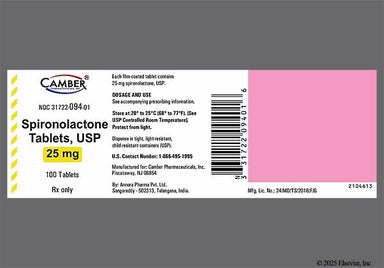
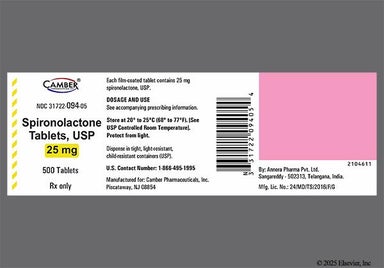
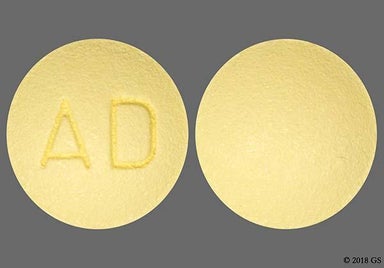
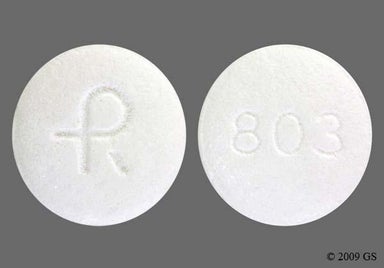
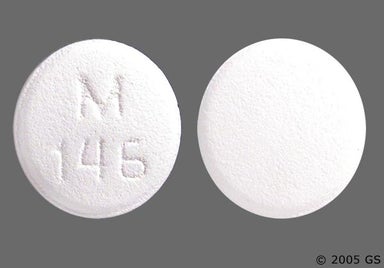
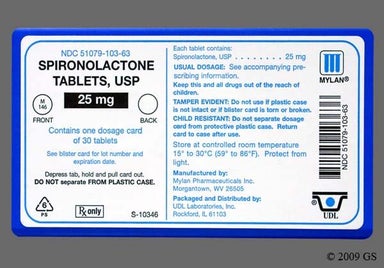
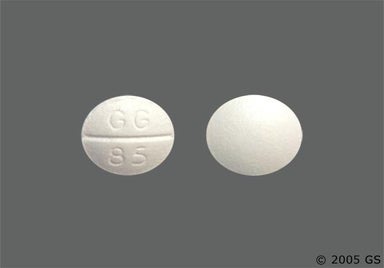
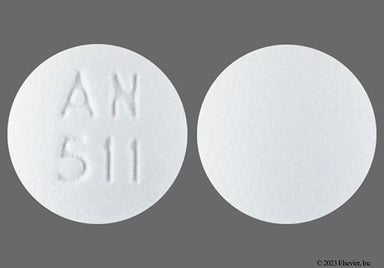
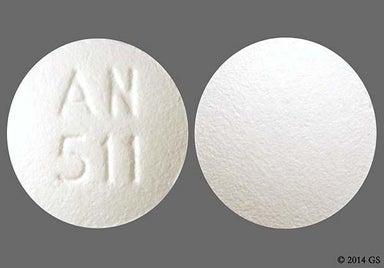
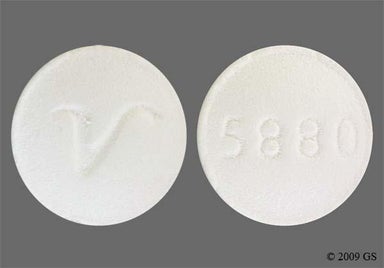
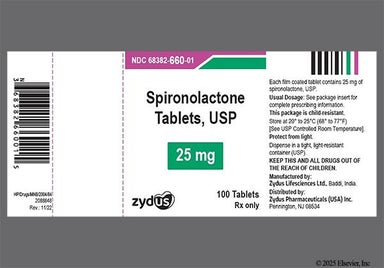
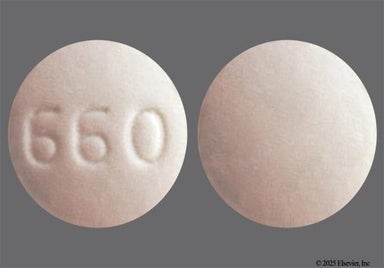
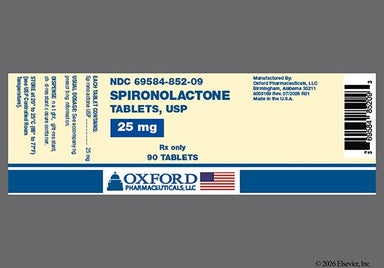
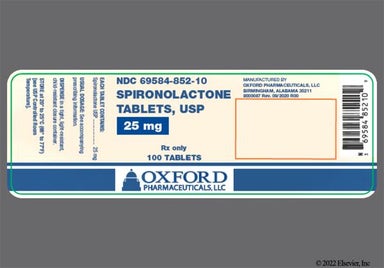
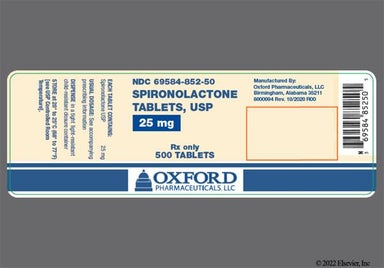
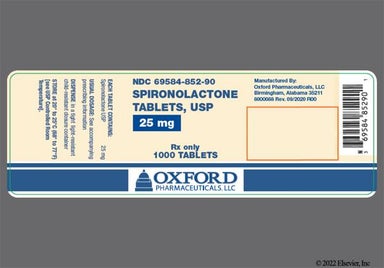
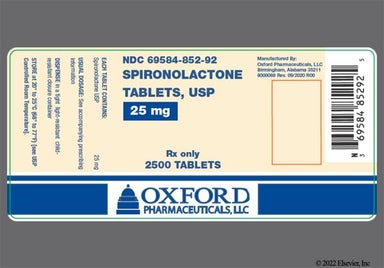
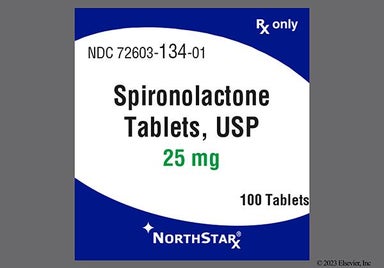
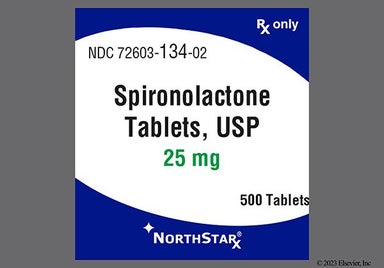
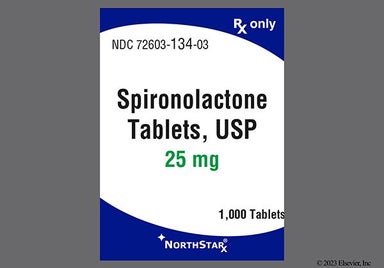
Tablets
Oral suspension

Although certain medicines should not be used together at all, in other cases two different medicines may be used together even if an interaction might occur. In these cases, your doctor may want to change the dose, or other precautions may be necessary. When you are taking this medicine, it is especially important that your healthcare professional know if you are taking any of the medicines listed below. The following interactions have been selected on the basis of their potential significance and are not necessarily all-inclusive.
Using this medicine with any of the following medicines is not recommended. Your doctor may decide not to treat you with this medication or change some of the other medicines you take.
Using this medicine with any of the following medicines is usually not recommended, but may be required in some cases. If both medicines are prescribed together, your doctor may change the dose or how often you use one or both of the medicines.
Using this medicine with any of the following medicines may cause an increased risk of certain side effects, but using both drugs may be the best treatment for you. If both medicines are prescribed together, your doctor may change the dose or how often you use one or both of the medicines.


Contraindications are specific health conditions or situations in which a person should not take a medication due to safety concerns. If you have any of the following conditions or if any of the following apply to you, let your healthcare provider know because Spironolactone (Aldactone) will not be safe for you to take.












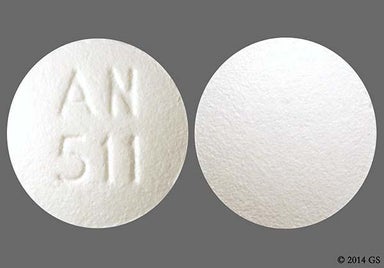
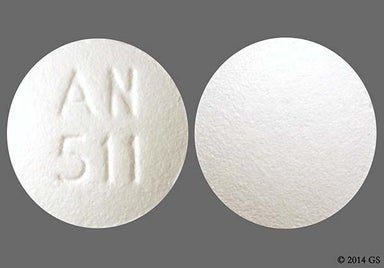
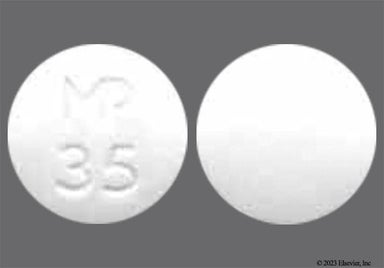
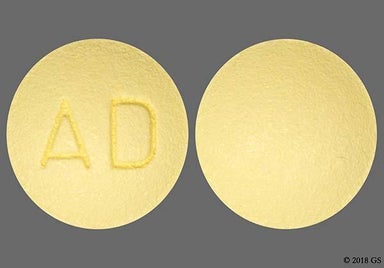

Prescription savings
Stop paying too much for your prescriptions. Compare prices, get pharmacy coupons, and save up to 80%. Find expert answers to your health questions so you can make the best decisions for yourself and your family.
Health conditions
Medications & treatment
Access & affordability
Medication discounts

Yes, Spironolactone is considered a potassium-sparing diuretic. This means that it helps you get rid of extra fluids from your body without causing your potassium levels to drop. In addition, Spironolactone also has antiandrogen activities, meaning that it blocks male sex hormones, like testosterone. That's why this medication can cause side effects related to low testosterone levels, such as lower sex drive in males and breast tenderness in both males and females.
People who took Spironolactone during clinical studies didn't report weight gain as a side effect. If you experience sudden or unexpected weight gain after starting Spironolactone, let your provider know. They can work with you to try to figure out the cause of weight gain and let you know if you need more medical attention.
Ask your provider how much water you should drink when taking Spironolactone. The amount of water you need can differ depending on whether you have certain health conditions, such as kidney or heart problems. In general, you need to drink enough water to stay hydrated. Because Spironolactone causes you to urinate more, you're at higher risk for dehydration and electrolyte problems, which can be serious. You probably need to drink more water if you notice symptoms of dehydration, such as having dark-yellow urine, feeling thirsty, or having headaches.
Hair loss (alopecia) is one of the side effects reported by people who took Spironolactone in clinical studies. But there's not much information on whether the hair loss was caused by Spironolactone or something else, and how severe the hair loss was. Please note that providers sometimes prescribe Spironolactone off-label to limit hair growth in females with more severe cases of hirsutism (too much facial and body hair growth), a condition triggered by higher testosterone levels. Because Spironolactone lowers testosterone levels, it also causes less hair to grow. If you have questions about Spironolactone and hair loss, talk with your provider.
While Spironolactone isn't FDA-approved to treat acne, providers sometimes prescribe it off-label to help with acne for females. Once you start Spironolactone, it might take a few weeks for your skin to be less oily and greasy, and less prone to breakouts. Some studies suggest that you need to take it for about 3 months to see more noticeable improvements to acne. If you've questions about Spironolactone and acne, talk with your provider.
If you're pregnant or thinking of becoming pregnant, talk with your provider before starting Spironolactone. This medication isn't recommended for people who are pregnant because limited studies suggest that it can cause harm to developing babies. But at the same time, if you have high blood pressure and heart failure, it's important to manage these conditions during pregnancy for your health and that of your baby. Depending on what health conditions you have, your provider can talk with you about safer options.
