



What Is the Best Psoriasis Treatment for You?
Whether your psoriasis is moderate or severe, there are many treatment options. Browse over-the-counter medications, biologics, and other psoriasis treatments.
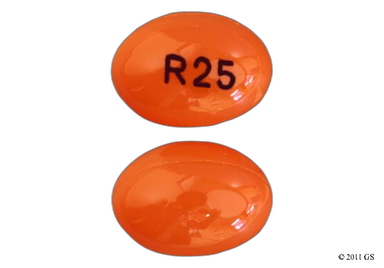
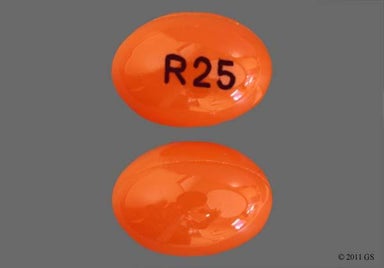
Calcitriol (Rocaltrol) is a form of vitamin D that's used to raise blood calcium levels; it's commonly used in people with kidney and parathyroid hormone problems. Side effects of calcitriol (Rocaltrol) are similar to the effects you can get when you take too much vitamin D, which includes muscle weakness, feeling tired or sleepy, or upset stomach. Calcitriol (Rocaltrol) comes as capsules and a liquid that you take by mouth. It's available as a brand-name and generic medication.

| Common Brands | Rocaltrol |
|---|---|
| Drug Class | Vitamin D analog |
| Controlled Substance Classification | Not a controlled medication |
| Generic Status | Lower-cost generic available |
| Availability | Prescription only |

The following side effects may get better over time as your body gets used to the medication. Let your healthcare provider know immediately if you continue to experience these symptoms or if they worsen over time.
Early signs of high calcium levels:
Contact your healthcare provider immediately if you experience any of the following.
Side effects that you should report to your care team as soon as possible:
Side effects that usually do not require medical attention (report these to your care team if they continue or are bothersome):




Calcitriol (Rocaltrol) can cause some serious health issues. This risk may be even higher for certain groups. If this worries you, talk to your doctor or pharmacist about other options.
Calcitriol (Rocaltrol) is a potent (strong) form of vitamin D. Taking too much can lead to high levels of calcium in the blood, which can be dangerous. High levels of calcium can damage your kidneys and blood vessels. Keep your calcium intake consistent; eat the same amount of calcium-rich foods or take the same amount of calcium supplements every day. Let your provider know if you notice any signs of high calcium levels, such as a metallic taste in your mouth, dry mouth, muscle or bone pain, or a headache. Your provider can order labs to check your calcium levels and start treatment to lower your calcium levels, if needed.
Calcitriol (Rocaltrol) can interact with a number of medications. These medications can include ketoconazole, cholestyramine (Prevalite), corticosteroids, phosphate binders, magnesium-containing supplements or antacids, and diuretics like hydrochlorothiazide. Some medications can raise the levels of calcitriol (Rocaltrol), vitamin D, calcium, or other electrolytes; other medications can lower these levels. Make sure all of your providers have a full list of medications and supplements you're taking so they can adjust your dose based on possible drug interactions.


Contraindications are specific health conditions or situations in which a person should not take a medication due to safety concerns. If you have any of the following conditions or if any of the following apply to you, let your healthcare provider know because Calcitriol (Rocaltrol) will not be safe for you to take.






Prescription savings
Stop paying too much for your prescriptions. Compare prices, get pharmacy coupons, and save up to 80%. Find expert answers to your health questions so you can make the best decisions for yourself and your family.
Health conditions
Medications & treatment
Access & affordability
 Our monthly healthcare membership can help you save thousands on your prescription costs.
Resources

Yes, Calcitriol is an active form of vitamin D. Although the name sounds a bit like calcium, it's not calcium, but the medication does affect your calcium levels. Vitamin D helps your body absorb and hold onto calcium to raise calcium levels in the blood.
Calcitriol helps the gut absorb more phosphorus, which can raise your blood phosphate levels. This might be problematic for people with kidney failure who already struggle with high phosphate levels. Your provider will check your blood phosphate levels regularly while you take Calcitriol. They might have you take a phosphate binder if your levels get too high.
Calcitriol is a very potent (strong) form of vitamin D and you shouldn't have to take additional vitamin D supplements to help treat your condition. Taking additional vitamin D supplements can actually lead to having too much vitamin D and calcium in your body, which can be dangerous. Make sure to check with your provider or pharmacist first before starting any new supplements because some can include vitamin D and calcium.
You shouldn't take Calcitriol and calcium together, unless your provider specifically instructed you to. Calcitriol can raise your calcium levels and it can be very harmful if your calcium levels get too high. Your provider might also want you to be mindful of how much calcium you're getting from your diet and other medications. High calcium levels can lead to symptoms like constipation, stomach upset or pain, confusion, or muscle weakness. If you experience these symptoms, get medical help right away.
Calcitriol doesn't affect your kidneys unless the dose is too high. An overdose of the medication can lead to high levels of calcium in the blood, which your body will try to remove by passing it into your urine. If this continues for a long time, it can lead to kidney tissue damage.
Calcitriol works very quickly. You might not feel a difference when you take the medication. But your provider will be able to see a change in your calcium levels on your blood test results within a few days.
