




How Much Is Biktarvy Without Insurance?
Biktarvy can cost more than $4,000 for a 30-day supply without insurance. Learn more about how much Biktarvy is without insurance and ways to save with GoodRx.
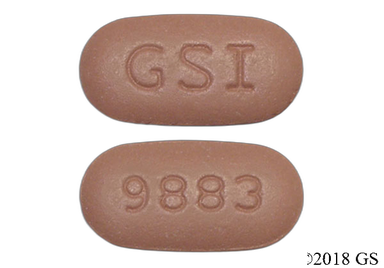
Biktarvy is a combination antiretroviral medication. It contains bictegravir, emtricitabine, and tenofovir alafenamide (BIC/FTC/TAF). Biktarvy is a complete treatment for human immunodeficiency virus (HIV) infection. It's approved for adults and children who weigh at least 30 pounds with HIV. Biktarvy is a first-choice option for people starting HIV treatment. This medication comes as a single tablet and is taken by mouth once daily. It can cause side effects, such as nausea, diarrhea, and headache.

Biktarvy is a combination of three medications that work together to fight HIV.
Bictegravir is an integrase strand transfer inhibitor (INSTI). It works by blocking an HIV protein called integrase. The virus uses integrase to put its DNA into your cells. Once inserted, the virus can make more copies of itself. By blocking integrase, bictegravir helps stop HIV from spreading in your body.
Emtricitabine and tenofovir alafenamide are nucleoside reverse transcriptase inhibitors (NRTIs). They work by blocking a protein in HIV called reverse transcriptase. This stops the virus from making more copies of itself.
| Common Brands | Biktarvy |
|---|---|
| Drug Class | HIV ARV |
| Controlled Substance Classification | Not a controlled medication |
| Generic Status | No lower-cost generic available |
| Availability | Prescription only |

The following side effects may get better over time as your body gets used to the medication. Let your healthcare provider know immediately if you continue to experience these symptoms or if they worsen over time.
Contact your healthcare provider immediately if you experience any of the following.
Side effects that you should report to your care team as soon as possible:
Side effects that usually do not require medical attention (report these to your care team if they continue or are bothersome):




Biktarvy can cause some serious health issues. This risk may be even higher for certain groups. If this worries you, talk to your doctor or pharmacist about other options.
 Before you start Biktarvy, your care team will test you for hepatitis B virus (HBV). It's important because HBV could get worse after stopping Biktarvy. This is called an HBV flare-up and can cause serious liver problems.
Don't stop taking Biktarvy without talking with your prescriber first. Make sure to get your refills on time so your treatment isn't interrupted.
If it's the right choice to stop Biktarvy, your prescriber will keep checking on you for another several months. You'll still need to get blood work so they can check your liver for an HBV flare-up. Your prescriber also might give you hepatitis B medications to prevent problems.
Taking Biktarvy can cause a strong immune response called immune reconstitution syndrome. After you start this medication, your immune system gets stronger. It begins to fight off infections that it couldn't defend against before. This immune response can cause a lot of inflammation in the body.
In rare cases, your immune system can improve so much that it starts to attack healthy parts of your body. This can cause certain autoimmune problems. These problems can happen soon after starting Biktarvy or months later.
Tell your healthcare team right away if you have fever, chills, swollen lymph nodes, night sweats, trouble breathing, or cough after starting Biktarvy. Your care team can help manage this reaction.
Some people have had kidney problems while taking medications containing tenofovir like Biktarvy. It's not completely clear if they were caused by the medication or other factors.
Before starting Biktarvy, tell your care team if you have kidney problems. It isn't recommended for people with severe kidney problems. Your prescriber will also check your kidneys with blood tests and urine tests. They can make sure Biktarvy is safe for you to take.
Also let your care team know about the medications you take or plan to take. Some can harm the kidneys, and taking them with Biktarvy can raise your risk of kidney damage. Your care team can check for this and make treatment changes to keep you safe if needed. Avoid these medications, which can include nonsteroidal anti-inflammatory drugs (NSAIDs), unless your prescriber says it's okay.
During treatment, your prescriber will keep checking your kidneys periodically with lab tests. Watch for signs of serious kidney problems, like frequent urination, muscle weakness, or bone pain. Tell your care team if you notice these. You might need to stop Biktarvy if any kidney problems become serious.
In rare cases, some people taking medications with emtricitabine, like Biktarvy, have had liver problems, like fatty liver. Some have also had a buildup of lactic acid in the blood (lactic acidosis). Both can be very harmful.
Your prescriber will order blood tests while you're taking Biktarvy. This helps check for liver problems and lactic acidosis.
Look out for signs of liver problems. This can include pain on the upper right side of your stomach, yellowish skin or eyes, or dark urine. Also watch for signs of lactic acidosis, like weakness, muscle pain, and trouble breathing. Call your care team if you notice these symptoms. If you develop these problems, you might need to stop Biktarvy.
Some medications can lower the amount of Biktarvy in your body. This can make it work less well and make HIV harder to treat. These medications can include some seizure medications, the antibiotic rifampin, and the herbal supplement St. John's wort.
Biktarvy can also raise the amount of other medications in your body. For example, it can raise the level of a heart medication called dofetilide (Tikosyn). This can raise your risk of serious irregular heart rhythms. Because of this risk, don't take dofetilide (Tikosyn) and Biktarvy together.
Tell your care team about all the medications you take or plan to take. They can make sure your medications are safe to take together and make changes if needed.


Contraindications are specific health conditions or situations in which a person should not take a medication due to safety concerns. If you have any of the following conditions or if any of the following apply to you, let your healthcare provider know because Biktarvy will not be safe for you to take.





Prescription savings
Stop paying too much for your prescriptions. Compare prices, get pharmacy coupons, and save up to 80%.Resources
About GoodRx
 Find expert answers to your health questions so you can make the best decisions for yourself and your family.
Health conditions
Medications & treatment
Access & affordability
Well-being
Medication discounts

Bloating and feeling gassy are potential side effects of Biktarvy. If this happens, there are a few things you can do to help. Try choosing foods that are easier to digest and avoid carbonated drinks. Staying active with light exercise and drinking plenty of water can also keep your digestion moving. These side effects can usually get better as your body adjusts to the medication. But if the bloating doesn't go away or feels severe, reach out to your care team.
Some people might gain some weight while taking Biktarvy. This can happen over several months. In studies, some people gained an average of 2 lbs after 3 months of treatment and an average of about 5 lbs after a year. Some research suggests that integrase strand transfer inhibitors (INSTIs), like bictegravir in Biktarvy, might be more likely to cause weight gain than other types of HIV medications. To help manage your weight, keep eating nutritious foods and stay active. Talk to your prescriber if you're concerned about weight gain.
It’s always a good idea to talk to your prescriber about how much alcohol is safe for you while taking Biktarvy. Alcohol doesn't directly interact with Biktarvy. But it might make some side effects like nausea, dizziness, or headache worse. Alcohol can also affect your memory, so you might be more likely to forget to take your dose. And it's important to stay consistent with your doses so the medication can work the best it can for you. If you have liver problems, alcohol might be more risky for you since it can cause liver damage.
You don't need to completely cut out many foods while taking Biktarvy. But try to limit high-fat or greasy meals since they can make side effects like nausea or diarrhea worse. Talk to your care team about what you can eat while taking Biktarvy.
Don't take Biktarvy if you're taking dofetilide (Tikosyn). This can raise your risk of serious heart rhythm problems. Also don't take Biktarvy with the antibiotic rifampin or St. John's wort. These can make Biktarvy work less well. Some antacids, laxatives, and vitamins can block your body from absorbing Biktarvy well. They include those that contain magnesium, aluminum, calcium, or iron. If you need these, you'll likely have to take them a few hours before or after Biktarvy. Your care team can give you more specific instructions. Always tell your care team about the medications and supplements you take or plan to take. They can make sure everything stays safe and effective.
No, Biktarvy isn't approved for pre-exposure prophylaxis (PrEP). This means it's not used to prevent HIV in people who don't currently have the infection and are at risk. The CDC guidelines list three medications that are currently approved for HIV PrEP. They are Descovy, Truvada, and Apretude (cabotegravir). If you're interested in HIV PrEP, talk to your care team about the best option for you.
Biktarvy starts working right away to lower the amount of HIV in your body. But it doesn't reach its full effect overnight. For most people who take their HIV medication as prescribed, the amount of virus in their blood can drop to very low (undetectable) levels within 6 months. How fast this happens can depend on your starting viral load. It can also depend on how consistent you are with your medication. Your prescriber will check your progress with regular blood tests. Ask them if you have questions about how long it's taking to work for you.
Biktarvy and Triumeq are both three-in-one HIV medications. They combine three different HIV medications into a single daily dose. But they have different ingredients and side effects. With Triumeq, you need to do a genetic blood test before you can start it to make sure you won't have a serious allergic reaction to it. But you don't need this testing with Biktarvy. Both medications work well at reaching an undetectable viral load. But Biktarvy can be taken by people who weigh at least 30 lbs and Triumeq is for people who weigh as little as 13 lbs. Your prescriber will help you choose the best option for you based on your lab results and health history.
