Virasal

salicylic acid
Used for Dry Skin, Hyperkeratosis, Keratosis Pilaris, Psoriasis, Warts

Salicylic acid is a topical medication that comes in different strengths to treat a variety of skin conditions, including acne, warts, psoriasis, and dandruff. It's available in different formulations, such as cleanser, shampoo, body and face wash, and cream. Some salicylic acid products are available by prescription only. OTC topical salicylic acid can typically be used for a limited time during pregnancy, but you should check in with your provider before you start. Side effects of salicylic acid include skin irritation, dry skin, and itching.

Reviewed by:Last reviewed on August 25, 2023
basics-icon

What is Salicylic acid?

What is Salicylic acid used for?

How Salicylic acid works

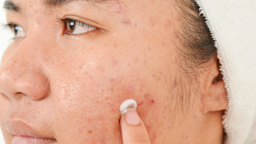
Salicylic acid is an exfoliating agent. It breaks down the outer layer of your skin and slough off dead skin cells. This helps to treat conditions with abnormally thickened skin, such as calluses, corns, psoriasis, dandruff, and warts. It also can treat acne by helping softening the skin and unclogging pores.

Drug facts

Common BrandsSalex, Salacyn, Salvex, Keralyt, Virasal
Drug ClassKeratolytic agent
Controlled Substance ClassificationNot a controlled medication
Generic StatusLower-cost generic available
AvailabilityPrescription or over-the-counter
side-effects-icon

Side effects of Salicylic acid

The following side effects may get better over time as your body gets used to the medication. Let your healthcare provider know immediately if you continue to experience these symptoms or if they worsen over time.

Common Side Effects

Salicylic acid serious side effects

Contact your healthcare provider immediately if you experience any of the following.

  • Severe allergic reaction: difficulty breathing, skin rash, swelling
  • Reye's syndrome: diarrhea, vomiting, unusually low energy, loss of consciousness, seizure

Source: DailyMed

The following Salicylic acid side effects have also been reported

Along with its needed effects, a medicine may cause some unwanted effects. Although not all of these side effects may occur, if they do occur they may need medical attention.

Check with your doctor immediately if any of the following side effects occur:

Less common or rare

Skin irritation not present before use of this medicine (moderate or severe)

Incidence not known

Difficult breathing

dryness and peeling of skin

fainting

hives or itching

redness of the skin

swelling of the eyes, face, lips, or tongue

tightness in the throat

unusually warm skin

Get emergency help immediately if any of the following symptoms of overdose occur:

Symptoms of overdose

Confusion

diarrhea

dizziness

fast or deep breathing

headache (severe or continuing)

hearing loss

lightheadedness

nausea

rapid breathing

ringing or buzzing in the ears (continuing)

severe drowsiness

stomach pain

vomiting

Some side effects may occur that usually do not need medical attention. These side effects may go away during treatment as your body adjusts to the medicine. Also, your health care professional may be able to tell you about ways to prevent or reduce some of these side effects. Check with your health care professional if any of the following side effects continue or are bothersome or if you have any questions about them:

More common

Skin irritation not present before use of this medicine (mild)

stinging

Other side effects not listed may also occur in some patients. If you notice any other effects, check with your healthcare professional.

Call your doctor for medical advice about side effects. You may report side effects to the FDA at 1-800-FDA-1088.

prices-container

Get your GoodRx coupon

Avg retail price
$Infinity(Save 100.00%)
GoodRx discount
$33.60
See prices
pros-and-cons-icon

Pros and cons of Salicylic acid

Pros

  • Convenient to use because it’s available in many different forms
  • Generally well-tolerated and works well at treating a variety of skin conditions
  • Available over the counter
  • Available as a lower-cost generic medication

Cons

  • Can cause side effects, such as dryness, peeling, and irritation of the skin
  • Might need to use for a long time for certain conditions (e.g., warts)
  • Might not work as well as other acne medications (e.g., benzoyl peroxide, retinoids)
  • Higher strengths are only available by prescription
pharmacist-tips-icon

Pharmacist tips for Salicylic acid

pharmacist
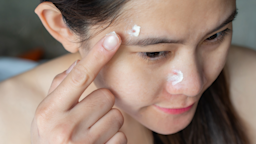
  • Wash and dry the affected areas before applying salicylic acid. Wash your hands after use, unless you're applying it to your hands.
  • Apply salicylic acid only on your skin. Avoid contact with other areas of your body, including your eyes, mouth, or genitals, to prevent irritation.
  • For some conditions such as acne, to avoid dryness and skin irritation, you can start applying salicylic acid to the affected area once a day. If you tolerate the medication, you can eventually work your way up and apply it to your skin 3 times a day. If dryness and peeling occur and are bothersome, then apply salicylic acid less often, like every other day.
  • Salicylic acid can cause rare but serious allergic reactions. Stop using salicylic acid if you have throat tightness, trouble breathing, swelling of your eyes, lips, or tongue, or get hives or itching.
  • Salicylic acid is flammable, meaning it can easily catch on fire. Keep the medication away from fires or flames to protect yourself and others around you. Store the medication with the cap on tight.
faq-icon

Common questions about Salicylic acid

It's best to avoid using salicylic acid and retinol together unless your provider or dermatologist gives you specific direction to do so. Retinol is topical form of vitamin A that's found in many anti-aging OTC skin care products. Both salicylic acid and retinol are known to cause skin irritation and using these products together can worsen skin-related side effects, such as peeling and dry skin.

Like salicylic acid, benzoyl peroxide is a topical acne medication. While it's possible to use benzoyl peroxide together with salicylic acid, you should check with your skin provider before doing so. This is because using both products together can worsen side effects, such as dry skin and skin irritation. If you do use both products, the American Academy of Dermatology Association recommends to start out with one acne treatment, and if you don't see improvement after 4-6 weeks you can add on a different medication. Your provider can help you decide the best acne treatment options for you.

Salicylic acid isn't a first-choice option for acne because it hasn't been as well-studied as other treatment options. But providers might still recommend it for certain types of acne. Let your provider know if you're looking for medications for acne and they can help you come up with the best treatment plan depending the cause and symptoms.

Salicylic acid hasn't been well-studied in human pregnancy. But the American College of Obstetricians and Gynecologists (ACOG) says over-the-counter products containing salicylic acid (which ranges from salicylic acid 0.5% to 2%) can be used during pregnancy. To be safe, your provider might only recommend it for a short period of time. Check in with your healthcare provider before using salicylic acid during pregnancy.

Yes, salicylic acid is classified under a group of ingredients known as beta hydroxy acids (BHAs). BHAs help remove dead skin cells and can improve skin texture.

Depending on the dosage form and condition you are treating, salicylic acid can take many weeks or months to work, but you might see improvements sooner. For acne, it could take 4 to 6 weeks to see improvement in your skin. If you're treating a wart, it could take up to 12 weeks to cure it with salicylic acid. If you're not sure how long you should use salicylic acid, ask your pharmacist or healthcare provider.

The amount of time you should use salicylic acid depends on what you're using it for and which product you're using. Since there are many different products that contain salicylic acid, make sure to follow the instructions on the packaging or from your provider. For some conditions like acne, it's usually recommended to use salicylic acid 1-3 times a day. But for other conditions, like dandruff, you might use the shampoo formula at least twice a week. Keep in mind that skin dryness and irritation can occur with some forms, and these side effects can worsen if you use salicylic acid too often. If you start experiencing bothersome side effects, check the product label to see if you should be using it less often or contact your provider.

educational-icon

How to save using GoodRx

Compare Prices
1. Compare PricesSpecify your dosage and quantity to find out exactly how much you can save.
Select your free coupon
2. Select your free couponYou can use the displayed coupon, or compare prices at other pharmacies near you.
Show coupon to your pharmacist
3. Show coupon to your pharmacistPresent your printed or electronic coupon when you pick up your prescription.
Get free couponLearn more
warnings-icon

Risks and warnings for Salicylic acid

Salicylic acid can cause some serious health issues. This risk may be even higher for certain groups. If this worries you, talk to your doctor or pharmacist about other options.

Infection in people with diabetes or poor blood flow

  • Risk factors: History of diabetes | Conditions with poor blood flow

Because salicylic acid works by breaking down the skin, it can cause dry skin, which can crack more easily. This can lead to infections, especially in people with diabetes or conditions causing poor blood flow. People with diabetes are more likely to not feel when they have an open cut. In addition, diabetes or poor blood flow can cause longer healing times, which could also lead to an infection. If you have diabetes or a condition with poor blood flow, talk to your provider before using salicylic acid to make sure it is safe for you.

Brain and liver damage in children or teenagers (Reye's syndrome)

  • Risk factors: Children or teenagers with viral infections

Using salicylic acid in children or teenagers could lead to a rare, life-threatening condition called Reye's syndrome where liver damage and brain swelling occur. Let your provider know if your child experiences diarrhea, vomiting, or unusually low energy. Get medical help right away if your child experiences confusion, loss of consciousness, or a seizure. The risk is higher in children and teenagers who have viral infections and the use of salicylic acid should be avoided.

Higher levels of salicylate (salicylate toxicity)

  • Risk factors: History of kidney or liver problems | Children | Higher doses of salicylic acid

It's important to only use salicylic acid in the affected areas. Applying this medication over larger areas of your skin can cause your body to absorb too much of the medication. This can lead to a life-threatening side effect called salicylate toxicity. Symptoms include nausea, vomiting, dizziness, loss of hearing, ringing in the ears, tiredness, fast breathing, diarrhea, and mental health conditions. Let your provider know if you have any of these symptoms above after taking salicylic acid.

dosage-icon

Salicylic acid dosage

The average cost for 1 tube of 100g of 6% of Salicylic acid is $39.99 with a free GoodRx coupon. This is 61.46% off the average retail price of $103.75.
bottle of shampooBottle of shampoo
DosageQuantityPrice as low asPrice per unit
160ml of 6%1 bottle$39.99$39.99
tube of gelTube of gel
DosageQuantityPrice as low asPrice per unit
100g of 6%1 tube$39.99$39.99
60g of 6%1 tube$39.99$39.99

Typical dosage for Salicylic acid

Each salicylic acid product has specific instructions for use. To make sure you’re using salicylic acid correctly, refer to the product’s administration directions and talk to your provider or pharmacist. Some examples include:

Acne:

  • The typical dose is to apply a thin layer of salicylic acid cream, gel, lotion, ointment, pads, soap, or topical solution to the affected areas 1 to 3 times a day.

Insect bites, burns, and fungal infections:

  • The typical dose is to apply a thin layer of salicylic acid ointment to the affected area 2 times a day for up to 10 days.

Calluses and corns:

  • The typical dose is to apply salicylic acid plaster to the affected areas every 2 days for up to 14 days until the callus or corn is removed.
  • If using salicylic acid topical solution, apply it to the affected areas 1 to 2 times a day as needed for up to 14 days until the callus or corn is removed.

Dandruff:

  • The typical dose is to apply salicylic acid shampoo on your scalp and rinse two times a week.
  • If using salicylic acid lotion, apply it to your scalp 1 to 2 times a day.

Warts:

  • The typical dose is to apply salicylic acid gel or topical solution to the affected area 1 to 2 times a day as needed for up to 12 weeks until the wart is removed.
  • If using salicylic acid plaster, apply every 2 days as needed to the affected area for up to 12 weeks until the wart is removed.

Ichthyosis vulgaris and pityriasis ruba pilaris:

  • The typical dose is to apply salicylic acid foam 2 times a day to the affected areas.

Psoriasis or seborrheic dermatitis:

  • The typical dose is to apply salicylic acid gel, cream, or ointment to the affected areas 1 to 4 times a day.
  • If using salicylic acid shampoo, apply on the scalp and rinse twice a week.
interactions-icon

Interactions between Salicylic acid and other drugs

Salicylic acid may interact with certain medications or supplements. Always let your doctor and pharmacist know about any other medications or supplements (including prescribed and over-the-counter medications, vitamins, and dietary or herbal supplements) that you are currently taking. The list below does not include all possible drug interactions with Salicylic acid. Please note that only the generic name of each medication is listed below.

Although certain medicines should not be used together at all, in other cases two different medicines may be used together even if an interaction might occur. In these cases, your doctor may want to change the dose, or other precautions may be necessary. When you are taking this medicine, it is especially important that your healthcare professional know if you are taking any of the medicines listed below. The following interactions have been selected on the basis of their potential significance and are not necessarily all-inclusive.

Using this medicine with any of the following medicines is not recommended. Your doctor may decide not to treat you with this medication or change some of the other medicines you take.

Using this medicine with any of the following medicines is usually not recommended, but may be required in some cases. If both medicines are prescribed together, your doctor may change the dose or how often you use one or both of the medicines.

Using this medicine with any of the following medicines may cause an increased risk of certain side effects, but using both drugs may be the best treatment for you. If both medicines are prescribed together, your doctor may change the dose or how often you use one or both of the medicines.

cost-icon

How much does Salicylic acid cost?

To access savings, use a GoodRx coupon and pay just a fraction of the retail price.
contraindications-icon

Salicylic acid contraindications

Contraindications are specific health conditions or situations in which a person should not take a medication due to safety concerns. If you have any of the following conditions or if any of the following apply to you, let your healthcare provider know because Salicylic acid will not be safe for you to take.

  • Children under 2 years of age
alternatives-icon

What are alternatives to Salicylic acid?

There are a number of medications that your doctor can prescribe in place of Salicylic acid. Compare a few possible alternatives below.
Salicylic acid
Used for:
$33.60Lowest GoodRx priceView prices
Used for:
  • Acne
$5.01Lowest GoodRx priceView prices
Used for:
$13.01Lowest GoodRx priceView prices
latest-news-icon

News about Salicylic acid

Scalp psoriasis can’t be cured, but there are treatments to help manage your symptoms. Learn more about the topical options for scalp psoriasis with GoodRx.
7 Topical Treatment Options for Scalp Psoriasis
Scalp psoriasis can’t be cured, but there are treatments to help manage your symptoms. Learn more about the topical options for scalp psoriasis with GoodRx.
Whether your psoriasis is moderate or severe, there are many treatment options. Browse over-the-counter medications, biologics, and other psoriasis treatments.
What Is the Best Psoriasis Treatment for You?
Whether your psoriasis is moderate or severe, there are many treatment options. Browse over-the-counter medications, biologics, and other psoriasis treatments.
Autoimmune diseases occur when your immune system targets normal parts of your body. When this happens in the skin, it can cause rashes and skin changes.
Autoimmune Rashes: Causes, Treatments, Pictures, and More
Autoimmune diseases occur when your immune system targets normal parts of your body. When this happens in the skin, it can cause rashes and skin changes.
Not all acne is created equal. Treatment can vary if you have comedonal, inflammatory, or cystic acne. Here’s how to tell what type of acne you have.
How to Tell the Difference Between 3 Common Types of Acne (With Images)
Not all acne is created equal. Treatment can vary if you have comedonal, inflammatory, or cystic acne. Here’s how to tell what type of acne you have.
Administering aspirin to a child can cause Reye’s syndrome, a life-threatening condition that can lead serious complications.
What Is Reye’s Syndrome, and How Is It Related to Aspirin?
Administering aspirin to a child can cause Reye’s syndrome, a life-threatening condition that can lead serious complications.
Whether you are a teen or adult who struggles with acne, there are various low-cost medications to help. Explore the best-value acne treatments and eight ways to save.
The Best-Value Acne Medications: How to Get the Most for Your Money
Whether you are a teen or adult who struggles with acne, there are various low-cost medications to help. Explore the best-value acne treatments and eight ways to save.
Salicylate toxicity occurs when someone takes too much salicylate (a substance found in aspirin and other medications). Salicylate toxicity is serious and can lead to life-threatening complications.
Salicylate Toxicity: What to Know About This Potential OTC Medication Overdose
Salicylate toxicity occurs when someone takes too much salicylate (a substance found in aspirin and other medications). Salicylate toxicity is serious and can lead to life-threatening complications.
Breakouts are never fun, but there are ways to stop pimples before they even appear. Here are some tips for preventing acne, including diet hacks and more.
How Do I Prevent Acne? 10 Science-Backed Tips
Breakouts are never fun, but there are ways to stop pimples before they even appear. Here are some tips for preventing acne, including diet hacks and more.
Pregnancy breakouts are common, but they’re no fun. Luckily, there is relief in every trimester. Learn why pregnancy acne happens and how to treat it safely.
What Causes Pregnancy Acne and How Can You Treat It?
Pregnancy breakouts are common, but they’re no fun. Luckily, there is relief in every trimester. Learn why pregnancy acne happens and how to treat it safely.
Winlevi (clascoterone) is a prescription cream used to treat acne in people ages 12 and older. While there are other acne creams on the market, they don’t work the same as Winlevi. Learn more with GoodRx about what makes Winlevi unique and how safe and effective it is compared to other options.
What Makes Winlevi Different from Other Acne Medications?
Winlevi (clascoterone) is a prescription cream used to treat acne in people ages 12 and older. While there are other acne creams on the market, they don’t work the same as Winlevi. Learn more with GoodRx about what makes Winlevi unique and how safe and effective it is compared to other options.

Get savings updates for Salicylic acid

Receive price alerts, news, and other messages from GoodRx about Salicylic acid and other healthcare topics and relevant savings offers.

By providing your email, you consent to receive marketing communications from GoodRx, which may include content and/or data related to men's health, women's health, reproductive care, or sexual health. You agree to the GoodRx Terms of Use and acknowledge the Privacy Policy. You can unsubscribe at any time.

References

Best studies we found

Acella Pharmaceuticals, LLC. (2024). Salicylic acid- salicylic acid aerosol, foam [package insert]. DailyMed.

Allure Labs, Inc. (2017). Acne cleanser w/ salicylic acid- salicylic acid cream [package insert]. DailyMed.

American Academy of Dermatology Association. (n.d.). Ichthyosis vulgaris: Diagnosis and treatment.

GoodRx Health has strict sourcing policies and relies on primary sources such as medical organizations, governmental agencies, academic institutions, and peer-reviewed scientific journals. Learn more about how we ensure our content is accurate, thorough, and unbiased by reading our editorial guidelines.

Was this page helpful?