







What Is the Best Psoriasis Treatment for You?
Whether your psoriasis is moderate or severe, there are many treatment options. Browse over-the-counter medications, biologics, and other psoriasis treatments.
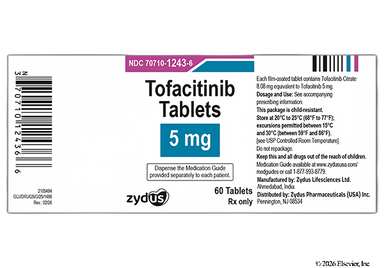
Xeljanz (tofacitinib) is an oral medication that can treat different inflammatory problems. It can help adults with psoriatic arthritis, rheumatoid arthritis (RA), and ulcerative colitis, among other conditions. It's also helpful for children with a certain kind of arthritis. Xeljanz (tofacitinib) is a JAK inhibitor that lowers inflammation in the body. It comes as a tablet or liquid that's taken twice a day. There's also a longer-lasting once-daily tablet for adults. Xeljanz (tofacitinib) is a good option for people who've tried other medications first. But it can have side effects like headache, diarrhea, and a higher risk of infection. This medication is brand name only; there isn't a generic yet.

Xeljanz (tofacitinib) is a Janus kinase (JAK) inhibitor. It blocks proteins in the body called JAK. When JAK proteins get blocked, it stops immune cells from talking to each other. Xeljanz (tofacitinib) helps calm an overactive immune system that causes certain autoimmune conditions. This helps lower inflammation in your body.
| Common Brands | Xeljanz, Xeljanz XR |
|---|---|
| Drug Class | JAK inhibitor |
| Controlled Substance Classification | Not a controlled medication |
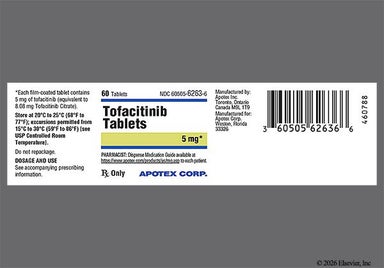
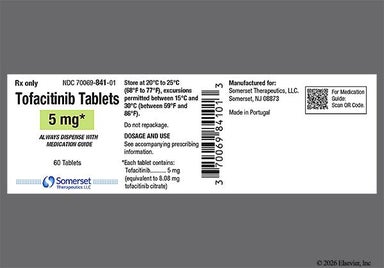
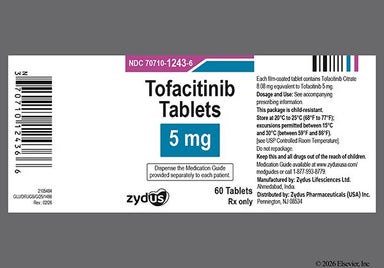
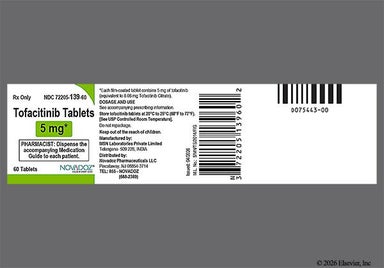
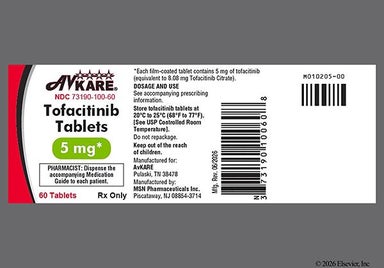
| Generic Status | Lower-cost generic available |
| Availability | Prescription only |

The following side effects may get better over time as your body gets used to the medication. Let your healthcare provider know immediately if you continue to experience these symptoms or if they worsen over time.
Arthritis:
Ulcerative colitis:
Note: The side effects you have might differ based on your dose and the reason why you're taking Xeljanz or Xeljanz XR (tofacitinib).
Contact your healthcare provider immediately if you experience any of the following.
Side effects that you should report to your care team as soon as possible:
Side effects that usually do not require medical attention (report these to your care team if they continue or are bothersome):



Tips for Xeljanz XR (tofacitinib extended-release):
Tips for the Xeljanz (tofacitinib) liquid:

Xeljanz (tofacitinib) can cause some serious health issues. This risk may be even higher for certain groups. If this worries you, talk to your doctor or pharmacist about other options.
 Xeljanz (tofacitinib) can make it harder for your body to fight off germs. This can raise your risk of getting serious bacterial, viral, or fungal infections. Some examples include pneumonia, shingles, and urinary tract infection. Xeljanz (tofacitinib) can also make old tuberculosis (TB), shingles, or hepatitis infections come back.
 Before you start Xeljanz (tofacitinib), tell your prescriber about all your past medical problems and all the medications you take. This helps them check if you're at risk of getting infected easily during treatment. You'll also get tested for TB and hepatitis. You shouldn't take Xeljanz (tofacitinib) if you already have a serious infection.
It's important to know the signs of an infection. And let your care team know right away if you feel sick. Signs of an infection can include a fever, chills, body aches, cough, night sweats, or pain when urinating.
In a study, there was a higher risk of death in people 50 years and older with RA and at least one risk factor for heart disease who took Xeljanz (tofacitinib). This was compared to those who took a different RA medication called a TNF blocker. Talk to your prescriber about the risks and benefits of taking Xeljanz (tofacitinib).
Some people who took Xeljanz (tofacitinib) got cancer while taking this medication. These cancers included lymphoma, lung cancer, and skin cancer, among others. Your prescriber will check if you're at risk of cancer as you take the medication. If you're worried about this risk with Xeljanz (tofacitinib), talk to your prescriber.
To help lower your risk of getting skin cancer, be sure to wear clothes that cover your skin and use sunscreen when you go outside. Also, get your skin checked by a dermatologist every so often and tell them if you see any strange changes to your skin. Ask your prescriber about recommendations to screen for other cancers.
Xeljanz (tofacitinib) can raise your risk of having a serious and sometimes life-threatening blood clot. Blood clots can happen anywhere in the body. This includes in the leg (also called a deep vein thrombosis or DVT). They can also happen in the lung (also called a pulmonary embolism or PE).
Sometimes, blood clots can cause other very serious problems, like a heart attack or stroke. In studies, heart attack or stroke happened more often in people 50 years and up with RA and at least one risk factor for heart disease who took Xeljanz (tofacitinib). This was compared to those who took TNF blocker, a different kind of RA medication.
It's important to tell your prescriber everything about your health and the medications you take. They can check your risk for clots. Be sure you can recognize signs of a blood clot.
Call 911 right away if you think you have a blood clot, heart attack, or stroke.
During studies, some people taking Xeljanz (tofacitinib) have gotten a tear in their stomach or intestines. We don't know if the medication caused this.
Tell your prescriber about all the medications you take and the health problems you have. Taking NSAIDs or having diverticulitis before might raise your risk of this gut damage.
Also be careful taking Xeljanz XR if you have stomach problems that make your gut narrower. Although rare, other similar extended-release medications have caused blockages in the intestines. Talk to your prescriber if you're worried about this.
Get medical help right away if you notice stomach pain or blood in your stool. These could be signs of problems in the digestive tract.
It's possible to have an allergic reaction to Xeljanz (tofacitinib). Sometimes, these reactions can be serious. It could make your face, mouth, tongue, or throat swell up and cause a rash. An allergic reaction can also make you have trouble breathing. Stop taking Xeljanz (tofacitinib) and get medical help right away if this happens.
Xeljanz (tofacitinib) can lower your red blood cell count and put you at risk of anemia. The medication can also lower your white blood cell count, which can make you more likely to get sick easily.
Before you start Xeljanz (tofacitinib), Your prescriber will check your blood counts to make sure it's safe for you. Then, they'll check every few months during treatment. If your blood counts get low, your prescriber will have you stop taking it until your numbers go back up. If it gets too low, you might need to stop the medication altogether.
Tell your care team if you have symptoms of anemia like tiredness, pale skin, and fast heart rate. Also let them know if you feel sick with a fever, chills, body aches, or cough.
Xeljanz (tofacitinib) can raise the level of liver enzymes in your blood. This can be a sign of liver damage. While you're taking Xeljanz (tofacitinib), you'll need blood tests done from time to time to check that your liver is okay.
If the tests show liver damage or if you have signs of liver problems, your prescriber will stop treatment for a bit to figure out what's happening. Let your care team know if you have nausea, stomach pain, or yellow skin or eyes. These could be signs of liver problems.

Your dose depends on what you're taking Xeljanz (tofacitinib) for.
Xeljanz (tofacitinib) immediate-release tablets or liquid
Xeljanz XR (tofacitinib) extended-release tablets
The dose might be lower if you have kidney or liver problems or if you take certain interacting medications.
Your prescriber will adjust the dose based on how well Xeljanz (tofacitinib) is working for you and if you have side effects.









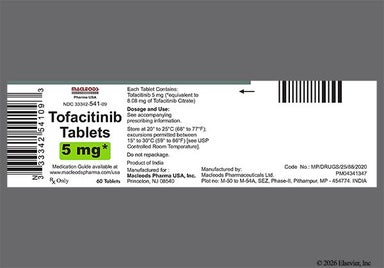
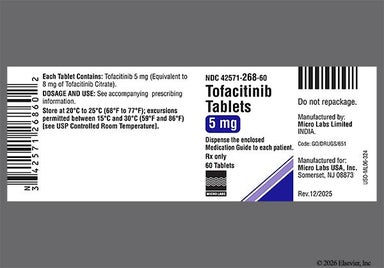
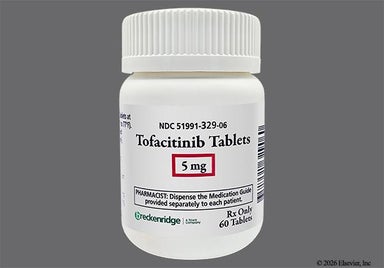
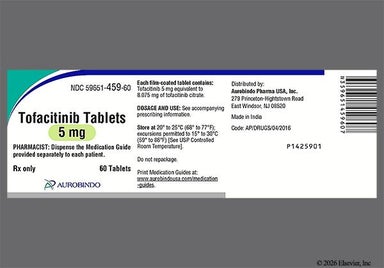
Prescription savings
Stop paying too much for your prescriptions. Compare prices, get pharmacy coupons, and save up to 80%. Find expert answers to your health questions so you can make the best decisions for yourself and your family.
Health conditions
Medications & treatment
Access & affordability
Medication discounts


No, Xeljanz isn't a biologic. Biologics are medications that are made from living sources, like cells. But Xeljanz is a medication that's made from chemicals.
You can think of Xeljanz as an immunosuppressant, or a medication that can weaken your immune system. Xeljanz helps lower inflammation from autoimmune conditions by blocking how your immune cells talk to each other. It can also lower your white blood cell count, which helps your body fight infections. Because of this, Xeljanz can put you at risk of getting sick more easily.
Xeljanz doesn't appear to cause weight gain. Talk to your primary care provider if you notice any weight changes while taking this medication.
In studies, hair loss wasn't a side effect that people who took Xeljanz had. Speak to your primary care provider if you notice hair loss while taking this medication. They can help you figure out if there's something causing your hair loss.
Yes, it's usually okay to take ibuprofen (Advil) or acetaminophen (Tylenol) for pain with Xeljanz. But remember, these pain relievers also have their own risks. For example, ibuprofen (Advil) has a risk of heart problems, kidney problems, and stomach damage. And acetaminophen (Tylenol) can be hard on your liver. Before taking any pain relievers with Xeljanz, ask a healthcare professional to check it's safe for you.
It depends on the antibiotic. Some antibiotics, like clarithromycin, can make the levels of Xeljanz in your body go up. This can raise your risk of side effects. Another antibiotic called rifampin does the opposite. It makes the amount of Xeljanz in your body go down. This means that Xeljanz might not work as well. There are lots of medications that interact with Xeljanz. So it's important to tell your healthcare team that you're taking Xeljanz before you start any new medications.
Xeljanz can raise the risk of getting a blood clot. This can include a clot in the arm or leg or in the lungs. A blood clot can also lead to a heart attack if it travels to the heart or a stroke if it reaches the brain. Because of this, people who are at risk of blood clots should avoid taking Xeljanz. Tell your prescriber about your full medical history and talk to them about your risk for clots.
No. Rinvoq (upadacitinib) and Xeljanz are not the same medication. They're both JAK inhibitors that can treat some of the same autoimmune conditions. This includes psoriatic arthritis, ulcerative colitis, and juvenile arthritis. But Rinvoq can also help with eczema, Crohn's disease, and non-radiographic axial spondyloarthritis. Also, they have some different side effects. Talk to your prescriber to compare the medications to see which is right for you.
