Key takeaways:
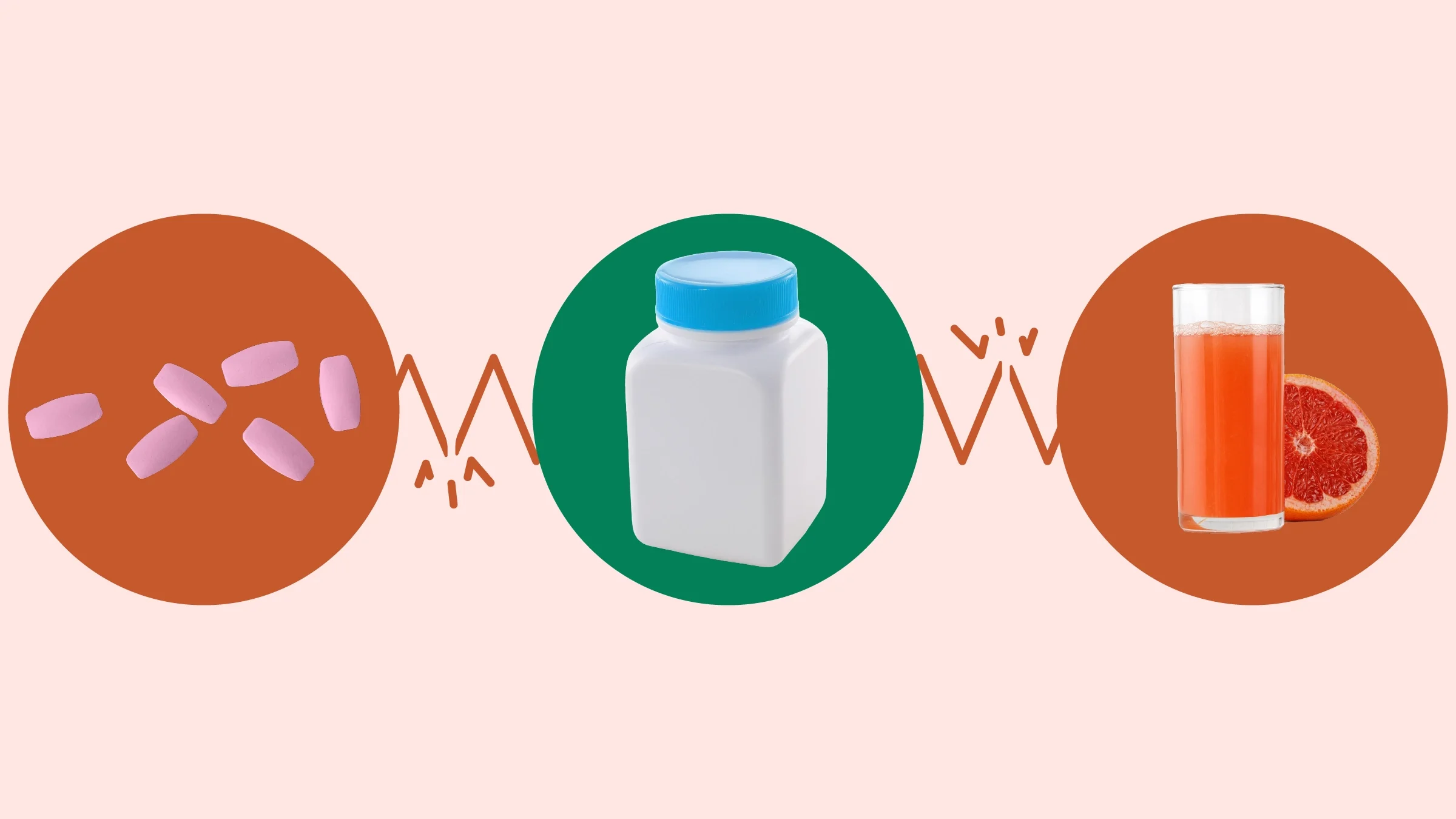
Xeljanz (tofacitinib) interacts with oral antifungals, macrolide antibiotics, and grapefruit juice. These interactions can raise your risk for developing Xeljanz side effects.
Some anti-seizure medications and rifampin (Rifadin) also interact. These medications can make Xeljanz less effective.
Xeljanz interacts with other medications that weaken the immune system, such as Humira (adalimumab). You should also avoid receiving live vaccines while taking Xeljanz.
Save on related medications
If you have an autoimmune disorder such as rheumatoid arthritis, you’re likely aware that there are many available treatments. One option is an oral medication called Xeljanz (tofacitinib), which is a Janus kinase (JAK) inhibitor.
While Xeljanz can be effective, it has many possible interactions. Some interactions can raise your risk of Xeljanz side effects. Others may make this medication less effective. But there are ways your prescriber and pharmacist can help you avoid or manage Xeljanz interactions.
Xeljanz interactions at a glance
The following medications and substances interact with Xeljanz:
Oral antifungal medications, such as fluconazole (Diflucan)
Macrolide antibiotics, such as clarithromycin (Biaxin XL)
Grapefruit juice
Ritonavir (Norvir) and medications that contain it, such as Paxlovid (nirmatrelvir / ritonavir)
Ciprofloxacin (Cipro)
Certain calcium channel blockers, such as diltiazem (Cardizem) and verapamil (Verelan)
Certain anti-seizure medications, such as phenytoin (Dilantin)
Rifampin (Rifadin)
St. John’s wort, an over-the-counter (OTC) supplement
Certain biologics, such as Humira (adalimumab)
Methotrexate (Trexall)
Other immunosuppressants, such as cyclosporine (Gengraf, Neoral, Sandimmune)
Live vaccines, such as the measles, mumps, rubella (MMR) vaccine
This isn’t a full list of all possible Xeljanz interactions. Share a current medication list with your prescriber and pharmacist. Be sure to include all prescription and OTC medications on this list, as well as any vitamins and supplements you take. Your healthcare team can use this list to help you avoid or manage potential interactions.
Below are more details about nine notable Xeljanz interactions.
1. Oral antifungals like ketoconazole
Xeljanz can interact with some oral azole antifungal medications. These include ketoconazole and fluconazole.
Certain liver enzymes (proteins) break down Xeljanz in your body. Oral azole antifungals can block the action of these liver enzymes. This causes higher levels of Xeljanz in your body and can raise your risk for Xeljanz side effects, such as diarrhea or headaches.
The manufacturer of Xeljanz recommends a lower dose if you’re taking it with oral azole antifungals. But don’t change your dosage without talking with your prescriber first.
Good to know: It’s unlikely that Xeljanz would interact with topical antifungal products, such as ketoconazole shampoo (Nizoral A-D). Very little of the medication reaches your bloodstream when applied to the skin. But it’s still a good idea to check with a healthcare professional before combining Xeljanz and topical antifungals.
2. Macrolide antibiotics like clarithromycin
Certain macrolide antibiotics also block liver enzymes that break down Xeljanz. Examples include clarithromycin and erythromycin (Ery-Tab). This causes higher levels of Xeljanz in your body and raises the risk for side effects. You may need a lower dosage of Xeljanz while taking one of these antibiotics.
Courses of macrolide antibiotics are often short. So you may only need to lower your Xeljanz dosage for a brief time. Be sure to ask your healthcare professional about potential dosage changes if they prescribe an antibiotic while you’re taking Xeljanz. But don’t change your dosage unless your prescriber tells you to.
3. Grapefruit juice
Grapefruit juice is notorious for interacting with medications, including Xeljanz. Like the interactions above, grapefruit juice can raise levels of Xeljanz in your body. This is because grapefruit juice blocks liver enzymes that break down the medication.
It’s best to avoid grapefruit or grapefruit juice while taking Xeljanz. This helps you steer clear of this interaction. But if you’re craving grapefruit, check with your prescriber to see if there’s a safe amount for you to have.
4. Certain anti-seizure medications like phenytoin
Certain anti-seizure medications, such as phenytoin and carbamazepine (Tegretol), also interact with Xeljanz. These medications also affect liver enzymes. But instead of blocking the enzymes, they speed them up. This causes the enzymes to break down Xeljanz too quickly, leading to lower levels in the body. Xeljanz may then become less effective.
It’s recommended to avoid taking Xeljanz with these anti-seizure medications. Your prescriber can help find alternatives that don’t interact with each other. But if you’re already taking these medications together, do not stop taking either Xeljanz or your anti-seizure medication unless your prescriber tells you to.
5. Rifampin
Rifampin is an antibiotic that treats tuberculosis and other infections. It’s another medication that speeds up liver enzymes. Rifampin may make Xeljanz less effective. It’s best to avoid this combination if possible.
If you need to take rifampin long term, your prescriber may suggest a Xeljanz alternative. But if you’re taking rifampin short term, there may be other options. However, don’t make any medication changes without consulting your healthcare team.
6. Certain biologics like Humira
Some biologic medications, such as Humira and Enbrel (etanercept), interact with Xeljanz. Many of these biologics can treat some of the same conditions as Xeljanz. But you don’t typically take them at the same time.
These medications and Xeljanz both suppress (weaken) the immune system. This is how they work to treat autoimmune disorders. But combining them can raise your risk of infections, which could be serious or life-threatening.
Generally, your prescriber will suggest using either Xeljanz or a biologic medication such as Humira to treat your condition. But be sure to let your care team know if you’re taking any biologic medications before starting Xeljanz.
7. Methotrexate
Methotrexate is another medication that suppresses your immune system. If you take it with Xeljanz, you may have a higher risk of infection. Combining them also raises the risk of serious side effects, such as intestinal damage.
But unlike biologics, Xeljanz is often taken with methotrexate to treat autoimmune disorders. So while an interaction does exist, the benefits may outweigh the risks.
Your prescriber will likely monitor you for serious side effects if you’re taking Xeljanz and methotrexate. Be sure to let them know if you notice any new or severe symptoms, such as fever, stomach pain, or a change in your bowel habits.
8. Other immunosuppressants like cyclosporine
Other immunosuppressants, including cyclosporine and azathioprine (Imuran), also interact with Xeljanz. Similar to certain biologics and methotrexate, they suppress your immune system. Combining them with Xeljanz can raise your risk of serious or life-threatening infections.
Cyclosporine and azathioprine tend to have a greater effect on your immune system than methotrexate. These medications are typically taken to help prevent rejection after an organ transplant.
Because of the risks, it’s recommended to avoid Xeljanz if you take immunosuppressants. It’s best to discuss Xeljanz alternatives with your prescriber.
9. Live vaccines like the MMR
Xeljanz also interacts with live vaccines. These include the MMR vaccine, the nasal flu vaccine (FluMist), and the chickenpox vaccine (Varivax).
Live vaccines don’t cause infections in people with a normally functioning immune system. But Xeljanz suppresses your immune system. This means your body won’t respond to these vaccines as expected. Some people have reported getting infections from a live vaccine while taking Xeljanz.
Ideally, you should receive any live vaccines you need at least 4 weeks before starting Xeljanz. But if you need to receive a live vaccine while taking Xeljanz, you’ll likely need to stop the medication first. You may need to wait at least 1 week after stopping Xeljanz before receiving a live vaccine.
Your prescriber can help recommend the best course of action if you need a live vaccine and you’re currently taking Xeljanz.
Good to know: Most vaccines that are available are inactivated (dead virus) vaccines. Common examples include the injectable flu shot and the Tdap (tetanus, diphtheria, and pertussis) shot. It’s typically OK to receive these vaccines while taking Xeljanz.
Frequently asked questions
Yes, you can take Tylenol (acetaminophen) while taking Xeljanz. There are no known interactions between the two medications. But Tylenol has its own risks and interactions to consider, especially if you take it frequently or at high doses. Discuss whether Tylenol is safe for you with your healthcare professional.
Between Rinvoq (upadacitinib) and Xeljanz, one isn’t safer than the other. These two medications are very similar. They’re both oral JAK inhibitors and treat some of the same conditions. Because they work similarly, they share many side effects and interactions. Often, the choice between Rinvoq and Xeljanz comes down to what condition you’re treating and whether one is more affordable than the other for you.
Xeljanz is unlikely to cause weight gain. This isn’t a listed side effect in the medication’s labeling. But you may be taking other medications that can cause weight gain, such as prednisone, to manage your autoimmune condition. Weight gain could also be related to your condition. If you’ve noticed weight changes since starting Xeljanz, tell your prescriber. They can help determine the likely cause and work with you to help you achieve a body weight that’s comfortable for you.
Yes, you can take Tylenol (acetaminophen) while taking Xeljanz. There are no known interactions between the two medications. But Tylenol has its own risks and interactions to consider, especially if you take it frequently or at high doses. Discuss whether Tylenol is safe for you with your healthcare professional.
Between Rinvoq (upadacitinib) and Xeljanz, one isn’t safer than the other. These two medications are very similar. They’re both oral JAK inhibitors and treat some of the same conditions. Because they work similarly, they share many side effects and interactions. Often, the choice between Rinvoq and Xeljanz comes down to what condition you’re treating and whether one is more affordable than the other for you.
Xeljanz is unlikely to cause weight gain. This isn’t a listed side effect in the medication’s labeling. But you may be taking other medications that can cause weight gain, such as prednisone, to manage your autoimmune condition. Weight gain could also be related to your condition. If you’ve noticed weight changes since starting Xeljanz, tell your prescriber. They can help determine the likely cause and work with you to help you achieve a body weight that’s comfortable for you.
The bottom line
Common Xeljanz (tofacitinib) interactions include oral antifungals, macrolide antibiotics, and grapefruit juice. These can raise your risk of Xeljanz side effects. Other interactions include anti-seizure medications and rifampin (Rifadin). They can make Xeljanz less effective.
Xeljanz also interacts with methotrexate (Trexall), biologics such as Humira (adalimumab), and other immunosuppressants. Combining them raises your risk of immune-related side effects, including infections. And you shouldn’t receive live vaccines while taking Xeljanz. Share your medication list with your prescriber and pharmacist so they can better manage any interactions.

Why trust our experts?




References
Bass, A. R., et al. (2023). 2022 American College of Rheumatology guideline for vaccinations in patients with rheumatic and musculoskeletal diseases. Arthritis Care & Research.
Padda, I. S., et al. (2023). Tofacitinib. StatPearls.
Pfizer Laboratories Div Pfizer. (2025). Medication guide: XELJANZ- tofacitinib tablet, film coated, XELJANZ XR- tofacitinib tablet, film coated, extended release, XELJANZ- tofacitinib solution [package insert].
Pfizer Laboratories Div Pfizer. (2025). XELJANZ- tofacitinib tablet, film coated, XELJANZ XR- tofacitinib tablet, film coated, extended release, XELJANZ- tofacitinib solution [package insert].
U.S. Food and Drug Administration. (2021). Grapefruit juice and some drugs don't mix.