








A Complete Guide to Non-Narcotic Pain Medication: NSAIDs, Non-NSAIDs, and Other Options
Explore non-narcotic pain medications for pain relief and learn about alternative non-medication treatments.
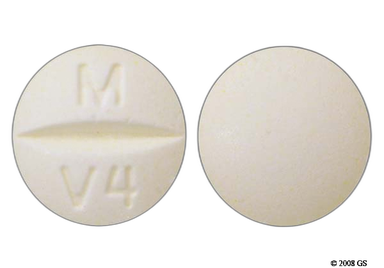
Venlafaxine is an antidepressant used to treat mental health conditions like depression, generalized anxiety disorder, social anxiety disorder, and panic disorder. It comes in two forms: extended-release, which is taken once a day, and immediate-release, which is taken in split doses throughout the day. This medication can interact with many things, including other medications and alcohol. Possible side effects can include nausea, weight changes, and sexual problems. It can also cause withdrawal symptoms if you stop taking it suddenly.

Venlafaxine is a serotonin and norepinephrine reuptake inhibitor (SNRI). It raises certain chemicals in your brain, like serotonin and norepinephrine, which can improve your mood and reduce anxiety. By balancing these chemicals, it helps to make you feel better.
| Common Brands | Effexor XR |
|---|---|
| Drug Class | SNRI |
| Controlled Substance Classification | Not a controlled medication |
| Generic Status | Lower-cost generic available |
| Availability | Prescription only |

The following side effects may get better over time as your body gets used to the medication. Let your healthcare provider know immediately if you continue to experience these symptoms or if they worsen over time.
Extended-release:
Immediate-release:
Contact your healthcare provider immediately if you experience any of the following.
Along with its needed effects, a medicine may cause some unwanted effects. Although not all of these side effects may occur, if they do occur they may need medical attention.
Check with your doctor immediately if any of the following side effects occur:
More common
Lack or loss of strength
severe headache
sweating
Less common
Blurred vision
fast or irregular heartbeat
mood or mental changes
ringing or buzzing in the ears
suicidal thoughts
Rare
Actions that are out of control
convulsions
high fever
irritability
itching or skin rash
lightheadedness or fainting, especially when getting up suddenly from a sitting or lying position
menstrual changes
nervousness
problems with urinating or holding urine
severe muscle stiffness
talking, feeling, and acting with excitement that you cannot control
trouble breathing
unusually pale skin
Incidence not known
Agitation
bloody, black, or tarry stools
bloody stool or urine
dark urine
decreased frequency or amount of urine
drowsiness
general feeling of tiredness or weakness
headache
increased thirst
light-colored stools
muscle cramps, spasms, or pain
nausea or vomiting
nosebleeds
overactive reflexes
poor coordination
red or purple spots on the skin
restlessness
shivering
stomach pain on the upper right side
swelling of the face, lower legs, ankles, hands, or fingers
trembling or shaking that is hard to control
twitching
unusual bruising
unusual tiredness or weakness
vomiting of blood or material that looks like coffee grounds
yellow eyes or skin
Some side effects may occur that usually do not need medical attention. These side effects may go away during treatment as your body adjusts to the medicine. Also, your health care professional may be able to tell you about ways to prevent or reduce some of these side effects. Check with your health care professional if any of the following side effects continue or are bothersome or if you have any questions about them:
More common
Abnormal dreams
chills
decrease in sexual desire or ability
increased sweating
loss of appetite
stuffy or runny nose
tingling, burning, or prickly sensations
trouble sleeping
vomiting
Less common
Change in taste
muscle tension
yawning
Incidence not known
Night sweats
Other side effects not listed may also occur in some patients. If you notice any other effects, check with your healthcare professional.
Call your doctor for medical advice about side effects. You may report side effects to the FDA at 1-800-FDA-1088.




Venlafaxine can cause some serious health issues. This risk may be even higher for certain groups. If this worries you, talk to your doctor or pharmacist about other options.
 Venlafaxine can raise your risk of having suicidal thoughts or behavior. Watch for symptoms like new or worsening depression, suicidal thoughts or behavior, aggression, or agitation, especially during the first few months of treatment or when the dose changes. Though the risk is higher for people ages 24 and younger, it can happen to anyone. Let your mental health provider know right away if you or your loved ones notice any unusual changes in your mood or behavior while taking this medication.
Serotonin syndrome is a rare, but potentially life-threatening condition where there's too much serotonin in the brain. Serotonin is one of the chemicals in your brain responsible for your mood. Your risk goes up if you use venlafaxine with other medications that affect serotonin levels (e.g., other antidepressants, lithium (Lithobid), tramadol (Ultram), triptans, mirtazapine (Remeron), St. John's wort). Symptoms include fast heart rate, sweating, muscle stiffness or spasms, fever, and confusion. Tell your prescriber or get medical help right away if you have any of these symptoms.
Venlafaxine can raise your blood pressure. Your prescriber will check your blood pressure before starting this medication, and regularly during treatment. If you're currently taking medication for high blood pressure, continue taking it as prescribed. You might want to check your blood pressure at home and keep a log to share with your healthcare team.
Venlafaxine can raise your risk of bleeding or bruising, especially if you're also taking aspirin, NSAIDs (like ibuprofen (Advil, Motrin)), or certain blood thinners. Tell your prescriber about any bruising that doesn't get better, black-colored stools, pink or red urine, or unusual bleeding from your nose or gums. If you're taking blood thinners, your prescriber might need to change your dose.
Sometimes, depression is the first symptom of bipolar disorder. Treating someone with bipolar disorder with an antidepressant, like venlafaxine, alone can cause a manic episode. Symptoms of a manic episode include great excitement, euphoria, delusions, and overactivity. This is more likely to happen if you or someone in your family has had bipolar disorder. Your mental health provider should make sure that you don't have bipolar disorder before starting this medication because venlafaxine isn't approved to treat bipolar disorder. Talk to your prescriber right away if you notice unusual changes in your behavior.
Antidepressants like venlafaxine can cause your pupils to dilate (widen), which can block the flow of fluid in the eye and lead to high eye pressure. This is particularly important for people with a history of glaucoma. Symptoms can include sudden eye pain, headache with blurry vision, nausea, and vomiting. Speak to your prescriber if you have a history of glaucoma to learn more of this potential side effect.
Stopping venlafaxine suddenly can cause withdrawal symptoms such as nausea, anxiety, agitation, flu-like symptoms, trouble sleeping, and dizziness. These symptoms usually appear within 3 days of stopping the medication and typically go away within 1 to 2 weeks. For this reason, it's important to work with your mental health provider to gradually lower your dose to prevent these symptoms.
Some people taking venlafaxine have experienced seizures. Tell your prescriber if you have a history of seizures before starting this medication. If you develop any seizures, stop using this medication and tell your prescriber right away.
Rarely, venlafaxine can cause low sodium levels in the body. The risk is higher if you're an older adult, taking a diuretic (water pill), or have low fluids in your body. Get medical attention if you experience headaches, trouble concentrating, problems with your memory, confusion, weakness, or if you feel unsteady.
Although rare, venlafaxine has been linked to lung problems and pneumonia. Tell your prescriber or get medical help if you experience shortness of breath, cough, or discomfort in your chest.
Venlafaxine can cause sexual side effects. In males, this might include issues like abnormal ejaculation, low sex drive, or erectile dysfunction. In females, it can lead to a lower sex drive or orgasm problems. Speak with your prescriber if you experience this side effect. They might have some recommendations to help you with this potential side effect.

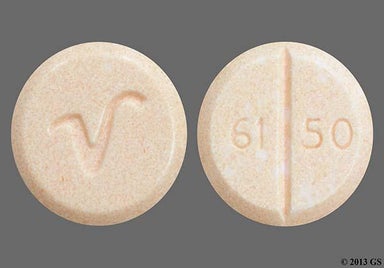
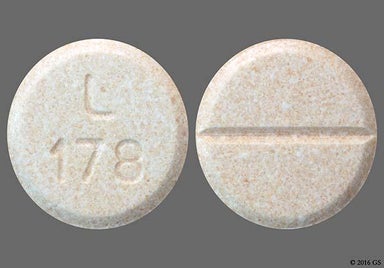
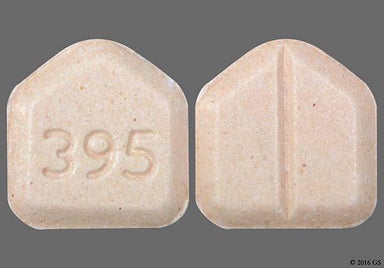
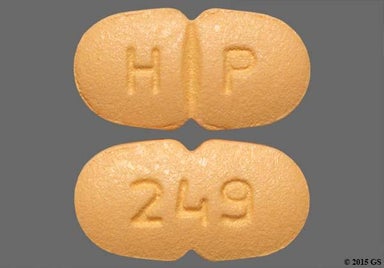
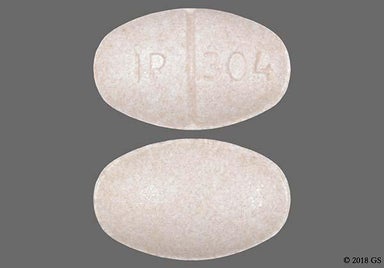
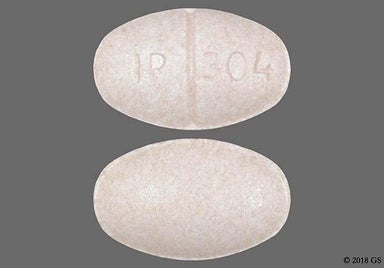
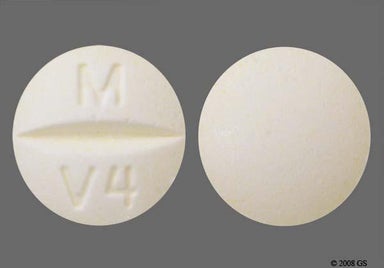
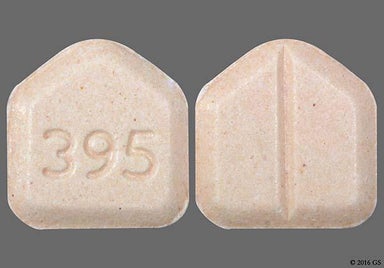
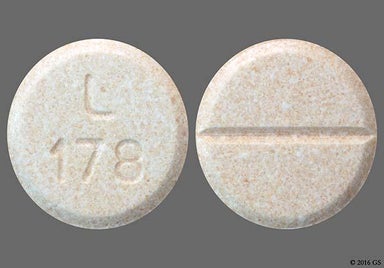
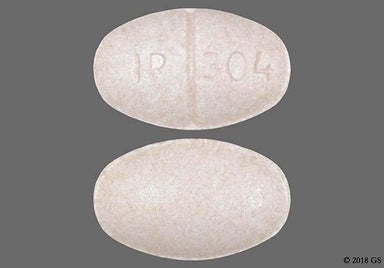
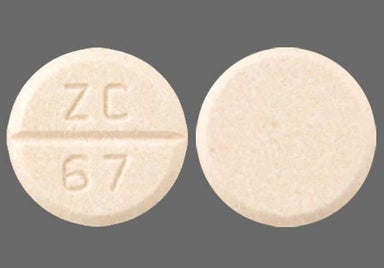
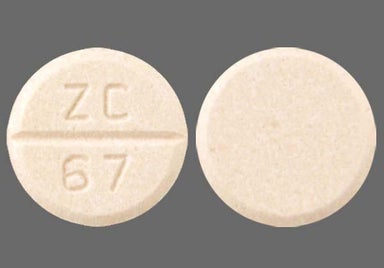
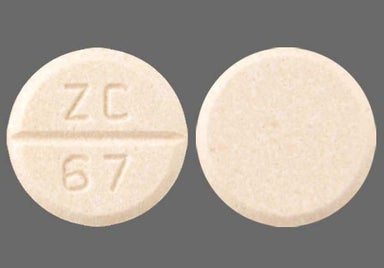
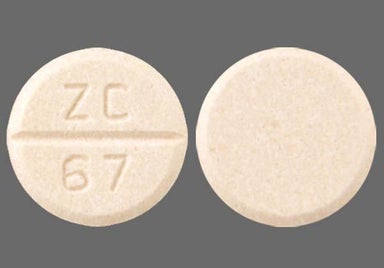
 Tablet
| Dosage | Quantity | Price as low as | Price per unit |
|---|---|---|---|
| 100mg | 60 tablets | $15.00 | $0.25 |
| 37.5mg | 30 tablets | $12.26 | $0.41 |
| 50mg | 60 tablets | $17.42 | $0.29 |
| 75mg | 90 tablets | $18.59 | $0.21 |
| 25mg | 60 tablets | $17.68 | $0.29 |

Although certain medicines should not be used together at all, in other cases two different medicines may be used together even if an interaction might occur. In these cases, your doctor may want to change the dose, or other precautions may be necessary. When you are taking this medicine, it is especially important that your healthcare professional know if you are taking any of the medicines listed below. The following interactions have been selected on the basis of their potential significance and are not necessarily all-inclusive.
Using this medicine with any of the following medicines is not recommended. Your doctor may decide not to treat you with this medication or change some of the other medicines you take.
Using this medicine with any of the following medicines is usually not recommended, but may be required in some cases. If both medicines are prescribed together, your doctor may change the dose or how often you use one or both of the medicines.
Using this medicine with any of the following medicines may cause an increased risk of certain side effects, but using both drugs may be the best treatment for you. If both medicines are prescribed together, your doctor may change the dose or how often you use one or both of the medicines.


Contraindications are specific health conditions or situations in which a person should not take a medication due to safety concerns. If you have any of the following conditions or if any of the following apply to you, let your healthcare provider know because Venlafaxine will not be safe for you to take.












Prescription savings
Stop paying too much for your prescriptions. Compare prices, get pharmacy coupons, and save up to 80%. Find expert answers to your health questions so you can make the best decisions for yourself and your family.
Health conditions
Medications & treatment
Access & affordability
Medication discounts


It depends on the form of Venlafaxine you're taking and what condition it's being used to treat. If an extended-release version is used for generalized anxiety disorder, depression, or panic disorder, the maximum dose is 225 mg per day. But if you're taking the extended-release capsules for social anxiety disorder, you shouldn't take more than 75 mg per day because higher doses don't provide additional benefit. For the immediate-release version, the maximum daily dose is 375 mg, split up into two or three doses throughout the day. Work with your mental health provider to find the best dose for managing your symptoms.
Weight gain isn't a common side effect of Venlafaxine. In fact, it more often causes weight loss in some people. If you notice changes in your body weight while taking this medication, speak with your mental health provider.
No, Venlafaxine isn't a selective serotonin reuptake inhibitor (SSRI); instead, it's a serotonin and norepinephrine reuptake inhibitor (SNRI). Though both drug classes work to boost serotonin levels in the brain, SNRIs like Venlafaxine also raise norepinephrine levels to help regulate your mood. Speak to your prescriber to learn about more key differences between SSRIs and SNRIs.
This can depend on many things, like your dose of Venlafaxine, other medications you're taking, and any other medical conditions you have. In general, side effects like nausea and dizziness often go away on their own as your body adjusts to the medication. But other side effects, like dry mouth, tend to stay around as you continue to take the medication. Speak with your prescriber if you have questions about how long side effects from Venlafaxine can last.
Antidepressants like Venlafaxine generally take a few weeks to start working. And it can take a month or two before you to feel the full effects. As you take this medication, you'll work with your prescriber closely to find the right dose for you.
It's possible for SNRIs like Venlafaxine to cause sexual side effects like erectile dysfunction. Talk to your prescriber if you have any questions about how to manage this side effect.
The extended-release version of Venlafaxine lasts longer in the body compared to the immediate-release version. For this reason, people taking the immediate-release version need to take 2 or 3 doses throughout the day since it wears off quicker. Also, the immediate-release version is only approved for depression, while the extended-release version can be used for depression, generalized anxiety, panic disorder (capsules only), and social anxiety disorder (capsules only). Ask your prescriber if you have questions comparing these two types of the same medication.
