



Forteo vs. Prolia: 5 Differences Between These Osteoporosis Injections
Prolia (denosumab) and Forteo (teriparatide) are medications that are prescribed to treat osteoporosis. Is one better than the other? Here’s what you need to know.
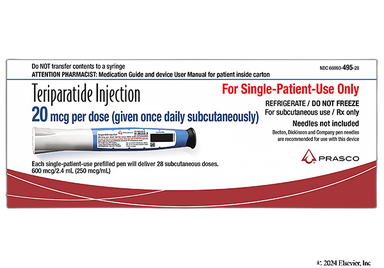
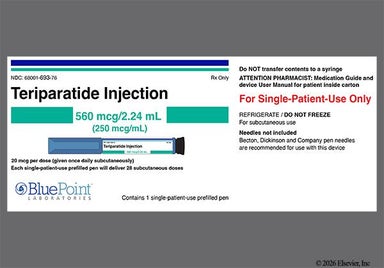
Forteo (teriparatide) is a parathyroid hormone analog used to treat osteoporosis (weak bones). It's used in women who have gone through menopause, men, and people with weak bones from long-term steroid use. Forteo (teriparatide) is for people at high risk of broken bones or those who've already tried other osteoporosis medications. Forteo (teriparatide) is given as an injection once a day using a prefilled pen. Common side effects are body pain and joint pain. Forteo (teriparatide) is available as a brand-name and generic medication.

Forteo (teriparatide) is a parathyroid hormone (PTH) analog. It works like PTH, a hormone your body makes to help keep your bones healthy.
By working like PTH, Forteo (teriparatide) helps your body build new bone. This raises your bone mineral density (BMD), which is a measure of how strong your bones are. Stronger bones are less likely to break.
| Common Brands | Forteo |
|---|---|
| Drug Class | Parathyroid hormone analog |
| Controlled Substance Classification | Not a controlled medication |
| Generic Status | Lower-cost generic available |
| Availability | Prescription only |

The following side effects may get better over time as your body gets used to the medication. Let your healthcare provider know immediately if you continue to experience these symptoms or if they worsen over time.
Contact your healthcare provider immediately if you experience any of the following.
Along with its needed effects, a medicine may cause some unwanted effects. Although not all of these side effects may occur, if they do occur they may need medical attention.
Check with your doctor immediately if any of the following side effects occur:
More common
Confusion
headache
incoherent speech
increased urination
loss of appetite
metallic taste
muscle weakness
stomach pain
thirst
unusual tiredness
vomiting
Less common
Arm, back, or jaw pain
chest pain, discomfort, tightness, or heaviness
fainting
fast or irregular heartbeat
fever or chills
sweating
trouble breathing
Some side effects may occur that usually do not need medical attention. These side effects may go away during treatment as your body adjusts to the medicine. Also, your health care professional may be able to tell you about ways to prevent or reduce some of these side effects. Check with your health care professional if any of the following side effects continue or are bothersome or if you have any questions about them:
More common
Acid or sour stomach
belching
blurred vision
body aches or pain
difficulty having a bowel movement (stool)
difficulty with moving
dizziness
hoarseness
indigestion
lack or loss of strength
muscle pain, stiffness, or spasm
nervousness
pain in the joints
pounding in the ears
runny or stuffy nose
tender, swollen glands in the neck
trouble with swallowing
voice changes
Less common
Back pain
discomfort
discouragement
dizziness, faintness, or lightheadedness when getting up suddenly from a lying or sitting position
feeling of constant movement of self or surroundings
feeling sad or empty
indigestion
irritability
lack of appetite
leg cramps
loss of interest or pleasure
neck pain
sensation of spinning
stomach cramps
swollen mouth and tongue
tiredness
tooth disorder
trouble concentrating
trouble sleeping
unpleasant taste
urge to have bowel movement
Incidence not known
Bleeding, blistering, burning, coldness, discoloration of skin, feeling of pressure, hives, infection, inflammation, itching, lumps, numbness, pain, rash, redness, scarring, soreness, stinging, swelling, tenderness, tingling, ulceration, or warmth at the injection site
flushing
unusually warm skin
Other side effects not listed may also occur in some patients. If you notice any other effects, check with your healthcare professional.
Call your doctor for medical advice about side effects. You may report side effects to the FDA at 1-800-FDA-1088.



How to use Forteo (teriparatide):
General tips:

Forteo (teriparatide) can cause some serious health issues. This risk may be even higher for certain groups. If this worries you, talk to your doctor or pharmacist about other options.
Forteo (teriparatide) has caused serious allergic reactions. This can include anaphylaxis; hives; swelling of your face, lips, tongue, or throat; and trouble breathing. Stop using Forteo (teriparatide) and get medical help right away if you notice these signs. If you have a severe allergic reaction to Forteo (teriparatide), you shouldn't use it again.
In animal studies, some rats treated with Forteo (teriparatide) developed a rare type of bone cancer called osteosarcoma. This cancer has been reported in some people taking Forteo (teriparatide). But studies haven't found that the medication raises the risk of this cancer in people.
To be safe, people at higher risk of bone cancer should avoid Forteo (teriparatide). This includes people with certain bone conditions (like Paget's disease) or a history of bone cancer. It also includes people who've had radiation treatment to their bones.
There isn't enough information about the risk of bone cancer after using Forteo (teriparatide) for more than 2 years. Because of this, it's usually used for no more than 2 years in your lifetime. Your prescriber might recommend longer treatment if you're still at high risk of broken bones or become high risk again. Your prescriber will help decide how long your treatment will be based on your risk of broken bones.
Forteo (teriparatide) can cause high calcium levels in your blood. Avoid Forteo (teriparatide) if you already have high calcium or a condition that causes this. Forteo (teriparatide) can make it worse. Tell your care team if you have signs of high calcium while taking Forteo (teriparatide). This can include feeling tired, weak muscles, constipation, or not feeling hungry.
In rare cases, people taking Forteo (teriparatide) have had calcium build up in their skin and blood vessels. Your risk might be higher if you have an autoimmune condition or kidney failure. Taking Forteo (teriparatide) with warfarin or steroids like prednisone can also raise your risk. Stop taking Forteo (teriparatide) and tell your care team right away if you notice new or worsening sores on your skin, especially on your thighs or buttocks.
Forteo (teriparatide) might make kidney stones worse if you already have them or have had them recently. Tell your prescriber if you have kidney stones or high calcium levels in your urine before starting Forteo (teriparatide). They might check your urine calcium levels to make sure this medication is safe for you.
Tell your care team right away if you have signs of a kidney stone. Watch for severe pain in your back or side, nausea, vomiting, or dark, cloudy, or bloody urine.
Forteo (teriparatide) can cause a drop in blood pressure when you stand up. This can make you feel dizzy or lightheaded. It can usually happen within 4 hours after your first few doses.
Sit or lie down when you inject Forteo (teriparatide) in case you feel dizzy or your heart races. If this happens, lie down until you feel better. Symptoms usually go away within a few minutes to a few hours. Tell your prescriber if your symptoms don't go away or get worse before taking your next dose.
Forteo (teriparatide) can raise calcium levels in your blood. This can raise your risk of serious side effects from the heart medication digoxin (Lanoxin). Signs include nausea, vomiting, changes in vision, or an uneven heartbeat.
Tell your prescriber if you take digoxin (Lanoxin) before starting Forteo (teriparatide). Also, let your cardiologist know if you start Forteo (teriparatide). Tell your care team right away if you notice any symptoms of serious digoxin side effects while taking both medications.

 Pen
| Dosage | Quantity | Price as low as | Price per unit |
|---|---|---|---|
| 20mcg/dose | 1 pen | $1,035.57 | $1,035.57 |

Although certain medicines should not be used together at all, in other cases two different medicines may be used together even if an interaction might occur. In these cases, your doctor may want to change the dose, or other precautions may be necessary. When you are taking this medicine, it is especially important that your healthcare professional know if you are taking any of the medicines listed below. The following interactions have been selected on the basis of their potential significance and are not necessarily all-inclusive.
Using this medicine with any of the following medicines is usually not recommended, but may be required in some cases. If both medicines are prescribed together, your doctor may change the dose or how often you use one or both of the medicines.






Prescription savings
Stop paying too much for your prescriptions. Compare prices, get pharmacy coupons, and save up to 80%. Find expert answers to your health questions so you can make the best decisions for yourself and your family.
Health conditions
Medications & treatment
Access & affordability
Medication discounts


You can inject Forteo at any time of day, but try to use it around the same time each day. The medication can make you feel dizzy after an injection, especially during your first few doses. So choose a time when you can sit or lie down if needed.
Inject Forteo under the skin of the outer part of your thigh or lower stomach. Use a different spot each day to help prevent skin irritation. After putting on a new needle and preparing the pen, gently pinch your skin and insert the needle. Press and hold the injection button while you slowly count to 5 to get the full dose. Follow the User Guide for the full steps. Ask your prescriber or pharmacist if you need help using the pen.
Forteo is usually used for up to 2 years during your lifetime. This is because there's not enough information about the risk of bone cancer with longer use. But your prescriber might recommend Forteo for more than 2 years in certain situations. These are if you're still at high risk of broken bones or if you become high risk again. After you stop Forteo, your prescriber can recommend another osteoporosis medication to help keep your bones strong. Talk to your prescriber if you have questions about how long to take Forteo.
Forteo should only be out of the fridge for as long as it takes to give your injection. Keep it in the fridge at 36°F to 46°F and put it back right after each injection. If you're traveling, Forteo can stay at room temperature (up to 77°F) for a total of 36 hours per pen. If you've left Forteo out too long, ask your pharmacist if it's still safe to use.
Forteo isn't known to cause weight gain. Weight gain wasn't reported as a common side effect in studies. Talk to your prescriber if you notice unusual weight gain while taking Forteo. They can help find out what's causing it.
After you stop taking Forteo, your bones can start to weaken again over time. Some studies show that you might still have a lower risk of broken bones for a while, but this benefit can fade. To help keep your bones strong, your prescriber will likely recommend another osteoporosis medication. These might include medications like alendronate (Fosamax) or Prolia (denosumab) after Forteo. Talk to your prescriber about your treatment options before stopping Forteo.
Forteo (teriparatide) and Tymlos (abaloparatide) both help build stronger bones. They're both used to treat osteoporosis in men and in women who've gone through menopause. Both are injected under the skin once a day. But only Forteo is also approved for osteoporosis caused by long-term steroid use. A study in women who've gone through menopause suggested that Tymlos might help prevent certain broken bones more than Forteo. The study also found that Tymlos might be less likely to cause high calcium levels. Talk to your prescriber to compare and discuss which medication is right for you.
Forteo (teriparatide) and Prolia (denosumab) both treat osteoporosis. But they work in different ways. Forteo helps your body build new bone, while Prolia slows bone loss. Forteo is injected under the skin once a day at home, usually for up to 2 years. But Prolia is given as an injection every 6 months by a trained healthcare professional. It can be used for a longer time. Talk to your prescriber to compare in detail. They can help decide which is right for you.
