Tacrolimus Coupon - Tacrolimus 60g of 0.1% tube of ointment

tacrolimus

Generic Protopic
Used for Eczema, Organ Transplant

Tacrolimus (Protopic) is a prescription non-steroid ointment used short-term on the skin to treat moderate-to-severe eczema (atopic dermatitis). It's a calcineurin inhibitor that helps lower the immune system’s response so it doesn’t cause inflammation and make eczema worse. Tacrolimus (Protopic) is approved for both adults and children ages 2 years and older who don't have a weakened immune system. It comes as both a brand-name and generic ointment that you apply to the affected area twice daily. Common side effects include stinging, itching, and a burning sensation at the application site.

Reviewed by:Last reviewed on November 12, 2024
basics-icon

What is Tacrolimus (Protopic)?

Reviewed by Christina Aungst, PharmD | November 27, 2024

What is Tacrolimus (Protopic) used for?

  • Moderate-to-severe eczema in adults and children ages 2 years and older

How Tacrolimus (Protopic) works

Tacrolimus (Protopic) is a topical calcineurin inhibitor. It's not completely known how this medication works to treat eczema. But it's thought to block calcineurin, a protein in the body that helps activate the immune system. By blocking calcineurin, tacrolimus (Protopic) helps to reduce inflammation on the skin to treat eczema.

When does Tacrolimus (Protopic) start working?Time passed since treatment started:
HOURS
DAYS
Initial effect
WEEKS
Full effect
MONTHS

Drug facts

Common BrandsProtopic
Drug ClassImmunosuppressant
Controlled Substance ClassificationNot a controlled medication
Generic StatusLower-cost generic available
AvailabilityPrescription only
side-effects-icon

Side effects of Tacrolimus (Protopic)

The following side effects may get better over time as your body gets used to the medication. Let your healthcare provider know immediately if you continue to experience these symptoms or if they worsen over time.

Common Side Effects

Adults:

  • Skin burning (up to 58%)
  • Itchiness (up to 46%)
  • Flu-like symptoms (up to 31%)
  • Skin redness (up to 28%)
  • Headache (up to 20%)

Children:

  • Skin burning (up to 43%)
  • Itchiness (up to 41%)
  • Flu-like symptoms (up to 34%)

Less Common Side Effects

  • Acne
  • Swollen or infected hair follicles
  • More sensitive to hot or cold temperatures
  • Skin tingling
  • Upset stomach
  • Muscle pain
  • Swollen glands
  • Cold sores
  • Chicken pox
  • Shingles

Tacrolimus (Protopic) serious side effects

Contact your healthcare provider immediately if you experience any of the following.

  • Serious skin infection: skin redness, pain, swelling, pus, fever, blisters
When do Tacrolimus (Protopic) possible side effects begin and end?
Time passed since treatment started:
M
H
D
W
M
Stinging
Itching
Burning sensation

Source: DailyMed

The following Tacrolimus (Protopic) side effects have also been reported

Along with its needed effects, a medicine may cause some unwanted effects. Although not all of these side effects may occur, if they do occur they may need medical attention.

Check with your doctor immediately if any of the following side effects occur:

Incidence not known

Agitation

black, tarry stools

bloody urine

burning or stinging sensation of the face

change in size, shape, or color of an existing mole

coma

confusion

convulsions

decreased frequency or amount of urine

depression

fever

general feeling of illness

growth or bump on skin

hostility

increase in bone pain

increased blood pressure

increased thirst

irritability

lethargy

looks very ill

loss of appetite

loss of bladder control

lower back or side pain

mole that leaks fluid or bleeds

muscle spasm or jerking of all extremities

muscle twitching

nausea

new mole

rapid weight gain

red rash with watery, yellow-colored, or pus filled blisters

redness of the face

seizures

small, red skin lesion, growth, or bump usually on the face, ears, neck, hands, or arms

sore that will not heal

spider-like blood vessels on the face

stupor

sudden loss of consciousness

swelling of the face, ankles, lower legs, hands, or fingers

swollen glands

thick, yellow to honey-colored crusts

unusual tiredness or weakness

vomiting

weight gain

weight loss

yellow skin and eyes

Some side effects may occur that usually do not need medical attention. These side effects may go away during treatment as your body adjusts to the medicine. Also, your health care professional may be able to tell you about ways to prevent or reduce some of these side effects. Check with your health care professional if any of the following side effects continue or are bothersome or if you have any questions about them:

More common

Cough

fever

general aches and pains

headache

itching skin—in children

loss of appetite

skin burning

skin flushing in areas of ointment application when drinking alcohol

sneezing

weakness

Less common

Acid or sour stomach

acne

back pain

belching

burning, itching, or pain in hairy areas

chills

cyst

flushing

heartburn

increased sensitivity to sunlight

increased skin sensitivity

indigestion

itching eyes

joint pain

muscle aches or pain

pain in the eye

pain or tenderness around the eyes and cheekbones

pus at root of the hair

rash

redness in the eye

runny nose

severe skin rash or hives

skin blisters—in children

skin tingling

stomach discomfort, upset, or pain

stuffy nose

swelling of the eye, eyelid, or inner lining of the eyelid

swollen glands

tightness of the chest

troubled breathing or wheezing

watery eyes

Other side effects not listed may also occur in some patients. If you notice any other effects, check with your healthcare professional.

Call your doctor for medical advice about side effects. You may report side effects to the FDA at 1-800-FDA-1088.

prices-container

Get your GoodRx coupon

Avg retail price
$110.53(Save 82.82%)
GoodRx discount
$18.99
See prices
pros-and-cons-icon

Pros and cons of Tacrolimus (Protopic)

Pros

  • Non-steroid option for treating eczema
  • Usually starts to work as early as 1 week
  • Can be used in both adults and children
  • Can be applied to the face, neck, groin, around the eyes, or in skin folds

Cons

  • Not a first-choice medication for treating eczema
  • Typically only used short term
  • Can cause burning and stinging where you apply it
  • Unknown if safe during pregnancy or while breastfeeding
pharmacist-tips-icon

Pharmacist tips for Tacrolimus (Protopic)

pharmacist
  • Before using tacrolimus (Protopic), let your prescriber know if you have areas of skin cancer or precancerous conditions. This medication has been linked to cancer but isn't known to cause it.
  • Apply the smallest amount of tacrolimus (Protopic) needed to cover the affected area with a thin layer. Wash your hands with soap after applying the ointment, unless your hands are being treated.
  • Tacrolimus (Protopic) might make your skin more sensitive to the sun. Limit your amount of time in the sun during treatment. If you need to be outdoors, wear clothing that protects the treated area from the sun and apply sunscreen.
  • Let your prescriber know if you have burning, stinging, itching, or any other skin irritation that's bothersome or doesn't go away during the first few days after applying tacrolimus (Protopic).
  • Avoid contact with water, like bathing, showering, or swimming, soon after applying tacrolimus (Protopic) to prevent washing off the ointment.
  • Don't cover medicated area(s) with bandages, dressings, or wraps. This can cause more tacrolimus (Protopic) to get absorbed into your body, which raises your risk for side effects. But it's okay to wear normal clothing over the affected area.
  • Use moisturizers to keep your skin hydrated since it can help relieve your symptoms. Be sure to apply it after tacrolimus (Protopic).
  • Stop using tacrolimus (Protopic) when your eczema symptoms, such as itching, rash, and redness, go away. If your symptoms don’t improve after 6 weeks, tell your prescriber. They might need to check whether you should continue the medication or not.
Common questions about Tacrolimus

Common questions about Tacrolimus

Tacrolimus is primarily used as an immunosuppressant to prevent and treat organ rejection in people who've undergone kidney, liver, or heart transplants. It's often prescribed in combination with other immunosuppressant medications to lower the risk of rejection.Learn more

Because of how it works, tacrolimus can increase your risk of serious infection and cancer. This includes bacterial, viral, and fungal infections. These infections can be life threatening and lead to hospitalization in some cases. It’s important to take all potential infection symptoms seriously — even if they feel minor.Learn more

Tacrolimus works by stopping the activity of an enzyme (protein) in the body called calcineurin. Calcineurin plays a key role in activating T cells — white blood cells that help regulate immune responses. When an organ is transplanted into a new body, the recipient's immune system may recognize it as foreign and attack it. By blocking calcineurin, tacrolimus can make the immune system less active, making organ rejection less likely. Learn more

Shakiness and tingling sensations in the hands and feet are common tacrolimus side effects. Most people taking tacrolimus experience them at some point. If you experience these side effects, it’s a good idea to let your transplant specialist know. They may be able to help by adjusting your medication dosage. They may also recommend other management tips, such as wrapping ice packs around your forearms or hands to help with hand tremors.Learn more

Grapefruit can cause your tacrolimus levels to rise to unsafe levels. It’s best to avoid grapefruit products while taking tacrolimus — especially in large or frequent quantities. It's also recommended to avoid eating large amounts of foods that are high in potassium, such as bananas.Learn more

Tacrolimus suppresses the immune system by inhibiting calcineurin, an enzyme that activates T cells, a type of white blood cell involved in immune defense. When a person receives an organ transplant, their immune system may identify the new organ as a foreign threat and attempt to attack it. By blocking calcineurin, tacrolimus reduces T-cell activity, helping to prevent the body from rejecting the transplanted organ.Learn more
educational-icon

How to save using GoodRx

Compare Prices
1. Compare PricesSpecify your dosage and quantity to find out exactly how much you can save.
Select your free coupon
2. Select your free couponYou can use the displayed coupon, or compare prices at other pharmacies near you.
Show coupon to your pharmacist
3. Show coupon to your pharmacistPresent your printed or electronic coupon when you pick up your prescription.
Get free couponLearn more
warnings-icon

Risks and warnings for Tacrolimus (Protopic)

Tacrolimus (Protopic) can cause some serious health issues. This risk may be even higher for certain groups. If this worries you, talk to your doctor or pharmacist about other options.

Long-term use and risk of cancer

  • Risk factors: Weakened immune system | Taking tacrolimus (Protopic) for a long time

Black Box WarningRarely, some people using tacrolimus (Protopic) have reported skin and lymphoma cancer. That's why it's important to only apply the ointment as directed and not for longer than prescribed. Try to keep the medication only on the treatment areas and away from healthy skin. If eczema symptoms don't get better within 6 weeks, schedule a follow-up visit with your prescriber since they might have to reassess.

Risk of infection

Tacrolimus (Protopic) can raise your risk of chickenpox, shingles, and other herpes infections. Don't apply it to areas of the skin where there's an active infection. If an infection develops while you're using this medication, stop using it and let your prescriber know. The infection will need to be treated before you can continue to use tacrolimus (Protopic).

Swollen lymph nodes

Let your prescriber know if you notice swollen lymph nodes after starting tacrolimus (Protopic). This could be a sign of an infection or another serious medical problem. Depending on the cause of your swollen lymph nodes, you might have to stop using tacrolimus (Protopic).

Sun exposure

Tacrolimus (Protopic) might affect how your body responds to sunlight. To prevent sunburns, make sure you use sunscreen or wear protective clothing. Stay away from tanning beds and direct sun exposure while applying this medication.

Sudden kidney failure

  • Risk factors: Kidney problems | Problems in the skin's protective layer | Applying tacrolimus (Protopic) to a large area

In some rare cases, tacrolimus (Protopic) can cause sudden kidney failure. This was reported in people who have problems in the skin’s protective layer and also applied the medication to a large area of skin. Speak with your prescriber if you're concerned about this potential side effect.

dosage-icon

Tacrolimus (Protopic) dosage

The average cost for 1 tube of 60g of 0.1% of Tacrolimus (Protopic) is $62.99 with a free GoodRx coupon. This is 77.21% off the average retail price of $276.38.
tube of ointmentTube of ointment
DosageQuantityPrice as low asPrice per unit
30g of 0.03%1 tube$36.01$36.01
60g of 0.03%1 tube$53.42$53.42
100g of 0.03%1 tube$72.70$72.70
100g of 0.1%1 tube$89.46$89.46
60g of 0.1%1 tube$62.99$62.99
30g of 0.1%1 tube$38.29$38.29

Typical dosage for Tacrolimus (Protopic)

Tacrolimus (Protopic) comes in two strengths: 0.03% and 0.01%. Both the 0.03% and 0.01% strengths are FDA approved for adults, while the 0.03% strength is only approved for children ages 2 to 15.

Adults and children: Apply a thin layer to the affected skin twice daily.

interactions-icon

Interactions between Tacrolimus (Protopic) and other drugs

Tacrolimus (Protopic) may interact with certain medications or supplements. Always let your doctor and pharmacist know about any other medications or supplements (including prescribed and over-the-counter medications, vitamins, and dietary or herbal supplements) that you are currently taking. The list below does not include all possible drug interactions with Tacrolimus (Protopic). Please note that only the generic name of each medication is listed below.

Although certain medicines should not be used together at all, in other cases two different medicines may be used together even if an interaction might occur. In these cases, your doctor may want to change the dose, or other precautions may be necessary. When you are taking this medicine, it is especially important that your healthcare professional know if you are taking any of the medicines listed below. The following interactions have been selected on the basis of their potential significance and are not necessarily all-inclusive.

Using this medicine with any of the following medicines is not recommended. Your doctor may decide not to treat you with this medication or change some of the other medicines you take.

Using this medicine with any of the following medicines is usually not recommended, but may be required in some cases. If both medicines are prescribed together, your doctor may change the dose or how often you use one or both of the medicines.

Using this medicine with any of the following medicines may cause an increased risk of certain side effects, but using both drugs may be the best treatment for you. If both medicines are prescribed together, your doctor may change the dose or how often you use one or both of the medicines.

cost-icon

How much does Tacrolimus (Protopic) cost?

To access savings, use a GoodRx coupon and pay just a fraction of the retail price.
alternatives-icon

What are alternatives to Tacrolimus (Protopic)?

There are a number of medications that your doctor can prescribe in place of Tacrolimus (Protopic). Compare a few possible alternatives below.
Tacrolimus (Protopic)
Used for:
  • Moderate-to-severe eczema in adults and children ages 2 years and older
$18.99Lowest GoodRx priceView prices
Used for:
  • Mild-to-moderate eczema in people ages 2 years and older
$46.87Lowest GoodRx priceView prices
Used for:
$12.68Lowest GoodRx priceView prices
latest-news-icon

News about Tacrolimus (Protopic)

Whether your psoriasis is moderate or severe, there are many treatment options. Browse over-the-counter medications, biologics, and other psoriasis treatments.
What Is the Best Psoriasis Treatment for You?
Whether your psoriasis is moderate or severe, there are many treatment options. Browse over-the-counter medications, biologics, and other psoriasis treatments.
Psoriasis treatment may include topical medications and full-body treatments. Try these psoriasis creams and lotions to calm inflammation, scaling, and dryness.
10 Best Psoriasis Creams, Ointments, Lotions, and Shampoos
Psoriasis treatment may include topical medications and full-body treatments. Try these psoriasis creams and lotions to calm inflammation, scaling, and dryness.
There's no cure for vitiligo, but phototherapy, topical steroids, and even natural supplements can restore pigment. Here are your options for vitiligo treatment.
What Vitiligo Treatments Work? A Look at 7 Effective Options
There's no cure for vitiligo, but phototherapy, topical steroids, and even natural supplements can restore pigment. Here are your options for vitiligo treatment.
Tacrolimus is used to prevent organ rejection after a transplant and to treat eczema. Find out how much tacrolimus costs without insurance and ways to save.
How Much Is Tacrolimus Without Insurance?
Tacrolimus is used to prevent organ rejection after a transplant and to treat eczema. Find out how much tacrolimus costs without insurance and ways to save.
With narrow therapeutic index drugs, even small changes in dosage can be dangerous. Learn more about how to protect your safety if you’re taking one of these medications.
A GoodRx Guide to Narrow Therapeutic Index Drugs
With narrow therapeutic index drugs, even small changes in dosage can be dangerous. Learn more about how to protect your safety if you’re taking one of these medications.
Anal itching (pruritus ani) can be caused by your diet, hemorrhoids, and rashes. Learn more about itchy anus causes, treatments, and anal itching at night.
Itchy Anus (Pruritus Ani): Causes and Treatments for Anal Itching
Anal itching (pruritus ani) can be caused by your diet, hemorrhoids, and rashes. Learn more about itchy anus causes, treatments, and anal itching at night.
Unusual rashes can be some of the most common early signs of lupus. Here’s what you need to know about skin lupus, including pictures, and its treatment.
Lupus Rash in Pictures: How to Recognize and Treat It
Unusual rashes can be some of the most common early signs of lupus. Here’s what you need to know about skin lupus, including pictures, and its treatment.
Tacrolimus (Prograf) is an immunosuppressant taken to prevent organ transplant rejection. Here are eight common and adverse side effects to know about.
8 Tacrolimus (Prograf) Side Effects and How to Manage Them
Tacrolimus (Prograf) is an immunosuppressant taken to prevent organ transplant rejection. Here are eight common and adverse side effects to know about.
Tacrolimus (Prograf) is an important medication that can prevent organ rejection. However, tacrolimus weakens the immune system and several interactions are possible.
8 Tacrolimus (Prograf) Interactions to Know About
Tacrolimus (Prograf) is an important medication that can prevent organ rejection. However, tacrolimus weakens the immune system and several interactions are possible.
Organ transplant rejection is a complication where the immune system targets a transplanted organ or tissue. Anti-rejection drugs help keep this from happening.
Anti-Rejection Drugs: How Do Organ Transplant Medications Work?
Organ transplant rejection is a complication where the immune system targets a transplanted organ or tissue. Anti-rejection drugs help keep this from happening.
images-icon

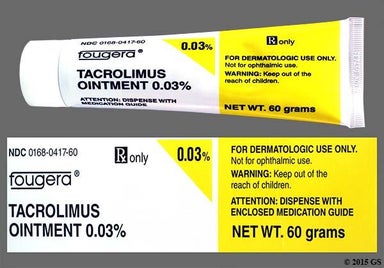
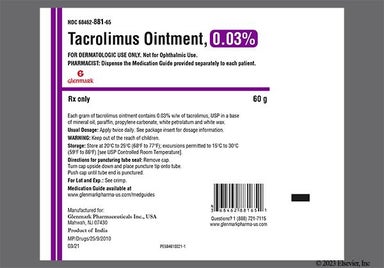
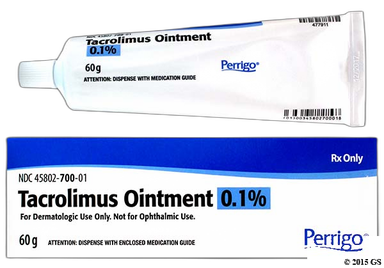
Tacrolimus (Protopic) images

This medicine is Colorless Tube Of Ointment.
white and yellow - Tacrolimus 0.1% Topical Ointment
This medicine is White And Yellow Tube Of Ointment.white and yellow - Tacrolimus 0.1% Topical Ointment
white - Tacrolimus 0.1% Topical Ointment
This medicine is White Tube Of Ointment.white - Tacrolimus 0.1% Topical Ointment
white - Tacrolimus 0.1% Topical Ointment
This medicine is White Tube Of Ointment.white - Tacrolimus 0.1% Topical Ointment

Get savings updates for Tacrolimus (Protopic)

Receive price alerts, news, and other messages from GoodRx about Tacrolimus (Protopic) and other healthcare topics and relevant savings offers.

By providing your email, you consent to receive marketing communications from GoodRx, which may include content and/or data related to men's health, women's health, reproductive care, or sexual health. You agree to the GoodRx Terms of Use and acknowledge the Privacy Policy. You can unsubscribe at any time.

References

Best studies we found

Accord Healthcare Inc. (2024). Tacrolimus ointment [package insert]. DailyMed.

Creamer, T. P. (2020). Calcineurin. Cell Communication and Signaling.

National Eczema Society. (n.d.). Topical calcineurin inhibitors (TCIs).

GoodRx Health has strict sourcing policies and relies on primary sources such as medical organizations, governmental agencies, academic institutions, and peer-reviewed scientific journals. Learn more about how we ensure our content is accurate, thorough, and unbiased by reading our editorial guidelines.

Was this page helpful?