




What Is Neuropathy, and What Causes It?
Neuropathy is a common nerve condition that affects millions of people every year. Learn what neuropathy is, what causes it, and how to treat it.
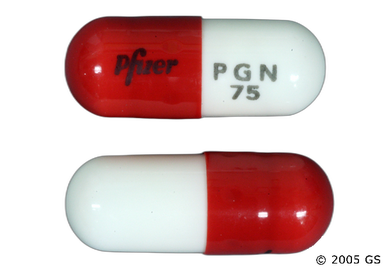
Pregabalin (Lyrica) helps treat nerve pain and fibromyalgia in adults. It can also be taken with other medications to help treat certain seizures in people 1 month and older. Pregabalin (Lyrica) comes as a capsule and oral solution in both brand-name and generic versions. The dosage depends on what condition you're treating, but it's usually taken by mouth 2 or 3 times a day. Common side effects include feeling dizzy and drowsy. This medication is a controlled substance and has interactions, like with alcohol and benzodiazepines.

Pregabalin (Lyrica) is a type of medication called an antiepileptic or anticonvulsant. The exact way it works to treat nerve pain and seizures isn't fully understood. But it's thought to lower the level of certain chemicals in the brain. This might help relieve pain and prevent seizures.
| Common Brands | Lyrica |
|---|---|
| Drug Class | Antiepileptic |
| Controlled Substance Classification | Schedule V |
| Generic Status | Lower-cost generic available |
| Availability | Prescription only |

Pregabalin (Lyrica) can cause some serious health issues. This risk may be even higher for certain groups. If this worries you, talk to your doctor or pharmacist about other options.
Some people have had an allergic reaction after taking pregabalin (Lyrica). These reactions can include skin redness, blisters, hives, rash, trouble breathing, or wheezing.
Rarely, a severe reaction called angioedema can also happen while taking pregabalin (Lyrica). This can cause swelling in your face, mouth (including your tongue, lips, or gums), or neck. Swelling of the tongue of neck can make it hard to breathe and can be life-threatening.
If you have an allergic reaction, swelling, or trouble breathing, stop taking pregabalin (Lyrica) and get medical help right away. Tell your prescriber that this happened so they can find a different medication for you to take.
Like other anti-seizure medications, pregabalin (Lyrica) can raise the risk of suicidal thoughts or behavior. This is rare, but the risk can appear as early as 1 week after starting the medication.
Be sure you and your loved ones watch for any signs of depression or unusual changes in mood or behavior. If this happens, tell your prescriber. If you start thinking about hurting yourself, call 911 right away.
Don't suddenly stop taking pregabalin (Lyrica) without first talking to your prescriber. Otherwise, you could have withdrawal symptoms that can be uncomfortable. This can include nausea, headache, trouble sleeping, anxiety, sweating, and diarrhea. It can sometimes include thoughts about hurting yourself. If you take the medication to control seizures, stopping it suddenly can cause more seizures to happen.
If you want to stop taking pregabalin (Lyrica), let your prescriber know. They'll help lower your dose slowly, usually over at least a week, before you can stop it completely. This helps lower the risk of withdrawal.
Pregabalin (Lyrica) might slow your breathing down. The risk is higher if you take it with other medications that have the same effect. This includes opioids and other medications that can slow your body down. Taking these medications with pregabalin (Lyrica) can make your breathing dangerously slow. This can be life-threatening.
Let your prescribers and pharmacist know about the medications you take. They can check if you're taking another medication that can slow down breathing and make it dangerous for you. Your care team might recommend adjustments to your medications to keep you safe.
If you or anyone around you notices that you have slow or shallow breathing or trouble breathing, get medical help right away.
Pregabalin (Lyrica) can make you feel dizzy, sleepy, and tired. It can also make it hard for you to concentrate and think straight. These side effects generally happen when you start the medication and when you take higher doses. Some people can keep having these side effects until they stop taking the medication. Avoid doing things that need your focus, like driving or using machinery, until you know how pregabalin (Lyrica) affects you.
Pregabalin (Lyrica) can cause swelling of your arms or legs, which might be from fluid buildup in the body. The risk is higher if you take medications that can cause type this of swelling. One example is the diabetes medication pioglitazone (Actos). Tell your prescriber if you have heart failure since extra fluid in the body can make it worse.
If you have sudden weight gain or swelling in the arms, ankles, or feet, let your care team know. They can check to see what's going on.
Pregabalin (Lyrica) can cause weight gain. Sometimes, the weight gain is related to extra fluid built up in the body. But this might not be the case for everyone. The risk of weight gain is higher if you take a higher dose of the medication or if you take it for a long time.
Watch your weight while taking pregabalin (Lyrica) and tell your prescriber if you notice a lot of weight gain. Talk to your care team about ways to keep your weight healthy.
In studies, some people taking pregabalin (Lyrica) had lower platelet levels. Platelets normally help your blood clot). When platelet levels are low, there's a possible risk of bleeding. But data from studies show that pregabalin (Lyrica) wasn't linked to a higher number of bleeding events.
To be safe, tell your prescriber if you notice blood in your urine or stool, easy bruising, or bleeding that takes longer to stop. They can check your platelet count through blood testing and make sure it's within a safe range.
Although rare, some people taking pregabalin (Lyrica) had higher creatine kinase levels. This can sometimes be a sign of muscle damage. Even rarer, a few people had a serious condition called rhabdomyolysis, which is when your muscles break down.
It's not clear how pregabalin (Lyrica) is related to these muscle problems. But tell your care team if you notice any unexplained muscle pain, tenderness, or weakness, particularly if you also have a fever. They can help figure out what's going on.

The following side effects may get better over time as your body gets used to the medication. Let your healthcare provider know immediately if you continue to experience these symptoms or if they worsen over time.
Note: Side effects were reported by adults. They might differ for children with partial-onset seizures.
Contact your healthcare provider immediately if you experience any of the following.
Side effects that you should report to your care team as soon as possible:
Side effects that usually do not require medical attention (report these to your care team if they continue or are bothersome):




 Bottle of oral solution
| Dosage | Quantity | Price as low as | Price per unit |
|---|---|---|---|
| 473ml of 20mg/ml | 1 bottle | $63.26 | $63.26 |
The dose will depend on why you're taking pregabalin (Lyrica). You'll usually start at a lower dose. Then after 1 week, your prescriber might adjust your dose if needed.
Adults
Children ages 1 month and older
Your dose might differ if you have kidney problems.














Prescription savings
Stop paying too much for your prescriptions. Compare prices, get pharmacy coupons, and save up to 80%.Resources
About GoodRx
 Find expert answers to your health questions so you can make the best decisions for yourself and your family.
Health conditions
Medications & treatment
Access & affordability
Well-being
Medication discounts

No, Lyrica isn't an opioid. It's called an antiepileptic medication. It works in a different way than opioids to specifically treat nerve pain.
Yes, Lyrica is a schedule V controlled substance. Studies found that the medication has a potential for addiction and dependence. This means that it's more strictly regulated than some other medications. Your pharmacy might also have policies in place to help lower your risk of these issues. Talk to your prescriber or pharmacist to learn about what this means for you.
Avoid drinking alcohol while taking Lyrica. Also avoid medications that make you sleepy. Examples include opioids, benzodiazepines, other sedatives, and some allergy medications like diphenhydramine (Benadryl). Taking these with Lyrica can worsen side effects like dizziness and drowsiness. It can also slow your breathing, which can be dangerous. Tell your prescribers and pharmacist about all the medications you take and plan to take. They can make sure all your medications are safe to take together.
Lyrica and gabapentin (Neurontin) are both treat nerve pain and seizures, but they have some differences. Lyrica can treat more types of pain than gabapentin (Neurontin). This includes fibromyalgia and nerve pain from shingles or spinal cord injuries. Lyrica can also be used for partial-onset seizures in people as young as 1 month old. But gabapentin (Neurontin) is approved for treating these seizures in people 3 years and older. Follow up with your prescriber to compare and see which medication best fits your needs.
How long you should take Lyrica for nerve pain isn't the same for everyone. It depends on your specific condition and how well the medication is working for you. It also depends on how well you can tolerate side effects from the medication. Make sure to go to follow-up appointments with your prescriber so they check in with you. Never stop taking Lyrica without talking to your prescriber first. Otherwise, it could lead to uncomfortable withdrawal symptoms like nausea, trouble sleeping, and anxiety.
Lyrica isn't a traditional painkiller. It's different from common painkillers like opioids and nonsteroidal anti-inflammatory drugs (NSAIDs). Lyrica doesn't help with all kinds of pain, like from a sprained ankle or surgery. Instead, it helps with certain types of nerve pain, such as burning or tingling pain.
Yes, Lyrica can cause weight gain as a side effect. In studies, some adults gained 7% or more of their body weight after taking the medication for up to a few months. 3 months. Sometimes, this weight gain might be related to fluid buildup in the body. But other times, there could be other reasons. If you're worried about your weight while taking this medication, talk to your prescriber or primary care provider.
Yes, it's common for Lyrica to make you sleepy. Before driving or doing anything that you need to concentrate for, wait and see how this medication affects you. Tell your prescriber if you feel so sleepy that it starts interfering with your daily life.
