




Budesonide, Rinvoq, and More: 8 Oral Crohn’s Disease Medications
Crohn's disease is a chronic inflammatory bowel disease. Treatment typically focuses on managing symptoms and may include these Crohn’s disease medications.

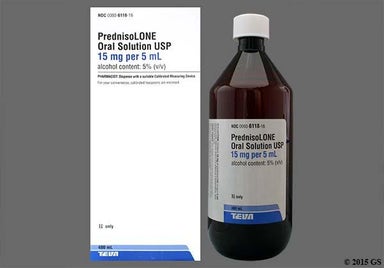
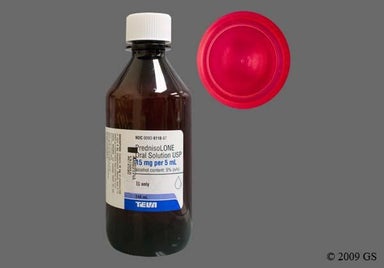
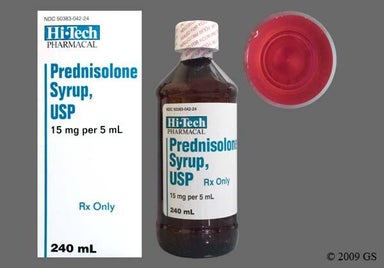
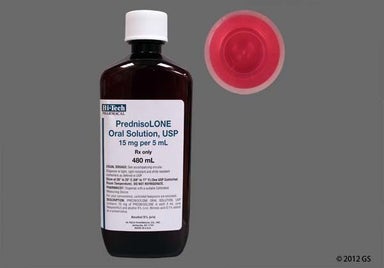
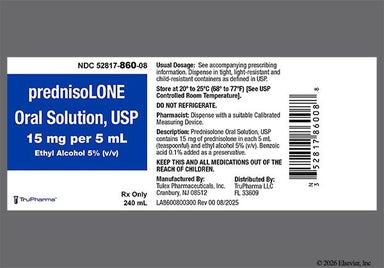
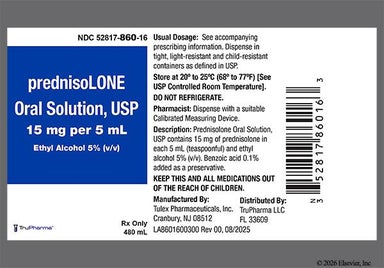
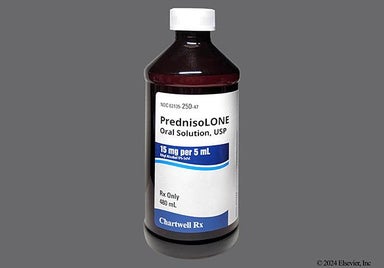
Oral prednisolone is a corticosteroid. It's taken by mouth to treat health conditions related to an overactive immune system or inflammation, such as rheumatoid arthritis and lupus, in adults and children. Your healthcare team will determine your dose based on what medical condition you have. Some common short-term side effects of prednisolone include trouble sleeping and mood changes. And if you take this medication for a longer period of time, you're more likely to experience long-term side effects, like weight gain and weakened immune system. If you need to stop prednisolone, your healthcare team might need to taper down your dosage slowly to avoid withdrawal symptoms.

This medication is used for many different conditions. Generally, it's used for autoimmune disorders, conditions related to swelling, or cancer. Some examples include:
Prednisolone is a corticosteroid. It's a lab-made medication that's similar to cortisol, a natural stress hormone your body makes. These medications work by lowering certain chemicals in your body that normally cause itching, redness, swelling, or pain.
| Common Brands | Pediapred, Millipred |
|---|---|
| Drug Class | Corticosteroid |
| Controlled Substance Classification | Not a controlled medication |
| Generic Status | Lower-cost generic available |
| Availability | Prescription only |

The following side effects may get better over time as your body gets used to the medication. Let your healthcare provider know immediately if you continue to experience these symptoms or if they worsen over time.
Contact your healthcare provider immediately if you experience any of the following.
Along with its needed effects, a medicine may cause some unwanted effects. Although not all of these side effects may occur, if they do occur they may need medical attention.
Check with your doctor immediately if any of the following side effects occur:
More common
Aggression
agitation
blurred vision
decrease in the amount of urine
dizziness
fast, slow, pounding, or irregular heartbeat or pulse
headache
irritability
mental depression
mood changes
nervousness
noisy, rattling breathing
numbness or tingling in the arms or legs
pounding in the ears
shortness of breath
swelling of the fingers, hands, feet, or lower legs
trouble thinking, speaking, or walking
troubled breathing at rest
Incidence not known
Abdominal cramping and/or burning (severe)
abdominal pain
backache
bloody, black, or tarry stools
cough or hoarseness
darkening of skin
decrease in height
decreased vision
eye tearing
facial hair growth in females
fainting
fever or chills
flushed, dry skin
fractures
fruit-like breath odor
full or round face, neck, or trunk
heartburn and/or indigestion (severe and continuous)
increased hunger
increased thirst
increased urination
loss of appetite
loss of sexual desire or ability
lower back or side pain
menstrual irregularities
muscle pain or tenderness
muscle wasting or weakness
pain in back, ribs, arms, or legs
painful or difficult urination
skin rash
sweating
trouble healing
trouble sleeping
unexplained weight loss
unusual tiredness or weakness
vision changes
vomiting
vomiting of material that looks like coffee grounds
Some side effects may occur that usually do not need medical attention. These side effects may go away during treatment as your body adjusts to the medicine. Also, your health care professional may be able to tell you about ways to prevent or reduce some of these side effects. Check with your health care professional if any of the following side effects continue or are bothersome or if you have any questions about them:
More common
Increased appetite
Incidence not known
Abnormal fat deposits on the face, neck, and trunk
dry scalp
lightening of normal skin color
red face
reddish purple lines on the arms, face, legs, trunk, or groin
swelling of the stomach area
thinning of the scalp hair
Other side effects not listed may also occur in some patients. If you notice any other effects, check with your healthcare professional.
Call your doctor for medical advice about side effects. You may report side effects to the FDA at 1-800-FDA-1088.




Prednisolone can cause some serious health issues. This risk may be even higher for certain groups. If this worries you, talk to your doctor or pharmacist about other options.
Taking prednisolone for a long time or at high doses can raise your risk of getting an infection. This medication can also hide some signs of infection so it might be hard to recognize if you're sick. Avoid contact with anyone who has chickenpox or measles. If you had tuberculosis (TB) in the past, your healthcare professional (HCP) will need to follow up with you while you're taking prednisolone to check if the infection has come back. You might need to take antibiotics to prevent or treat TB. Also, talk to your HCP first before getting vaccines while you're taking prednisolone. Depending on the vaccine and your treatment plan, they might not work as well or be safe for you during treatment. Let your HCP know if you feel sick while you're taking prednisolone.
Prednisolone can cause high blood pressure, water buildup in the body, and other changes in the way your kidneys work. These changes can worsen certain medical conditions, like high blood pressure, heart failure, and kidney problems. If you currently have or have had any of these medical conditions, talk to your HCP first before using prednisolone to make sure it's safe for you to take.
Long-term use of prednisolone can raise your risk of having weakened bones (osteoporosis) and bone fractures. This medication can also slow the growth in infants and children. This is more likely to happen if the medication is used for a long period of time. If your child needs to take prednisolone for a long time, their pediatrician will closely keep track of their growth during treatment. Discuss with a healthcare professional about any concerns you have about prednisolone and possible bone problems.
Your adrenal gland makes certain hormones for your body. Taking prednisolone for a long time can cause adrenal suppression. This is when your adrenal glands stop making your own natural hormones as your body gets used to prednisolone. This is more likely to happen if you're using the medication over a long period of time. Lowering the dose or stopping it suddenly can lead to steroid withdrawal because your adrenal glands need some time to start working again. These withdrawal symptoms include tiredness, joint or muscle pain, and low energy. Talk to your HCP or pharmacist before making any sudden changes to how you take prednisolone.
Long-term use of prednisolone leads to a higher risk of cataracts, glaucoma, and certain eye infections. Don't take prednisolone if you have herpes simplex of the eye. Let your prescriber know if you have blurry vision, eye pain, or any vision changes. If you're taking the medication for a long time, you might need to get regular eye exams.
Prednisolone can cause changes in your mood or behavior. Tell your HCP right away if you feel depressed, have mood swings, trouble sleeping, anxiety, or hallucinations (hearing or seeing things that aren't there) while taking this medication.
Taking prednisolone raises the risk of stomach damage, leading to certain problems, like stomach irritation, and more seriously, ulcers and bleeding. Your risk is higher if you have a history of stomach problems or if you're taking other medications that can damage your stomach, such as nonsteroidal anti-inflammatory drugs (NSAIDs). You should avoid drinking alcohol while taking this medication because it can worsen stomach irritation. Get medical attention right away if you have stomach pain that doesn't go away or you get bloody or dark stools. These can be signs of a serious stomach problem.


Although certain medicines should not be used together at all, in other cases two different medicines may be used together even if an interaction might occur. In these cases, your doctor may want to change the dose, or other precautions may be necessary. When you are taking this medicine, it is especially important that your healthcare professional know if you are taking any of the medicines listed below. The following interactions have been selected on the basis of their potential significance and are not necessarily all-inclusive.
Using this medicine with any of the following medicines is not recommended. Your doctor may decide not to treat you with this medication or change some of the other medicines you take.
Using this medicine with any of the following medicines is usually not recommended, but may be required in some cases. If both medicines are prescribed together, your doctor may change the dose or how often you use one or both of the medicines.
Using this medicine with any of the following medicines may cause an increased risk of certain side effects, but using both drugs may be the best treatment for you. If both medicines are prescribed together, your doctor may change the dose or how often you use one or both of the medicines.


Contraindications are specific health conditions or situations in which a person should not take a medication due to safety concerns. If you have any of the following conditions or if any of the following apply to you, let your healthcare provider know because Prednisolone will not be safe for you to take.

This medication is used for many different conditions. Generally, it's used for autoimmune disorders, conditions related to swelling, or cancer. Some examples include:
This medication is used for many different conditions. Generally, it's used for autoimmune problems, conditions related to swelling, or cancer. Some examples include:
Methylprednisolone (Medrol) is used for many different medical conditions, including:




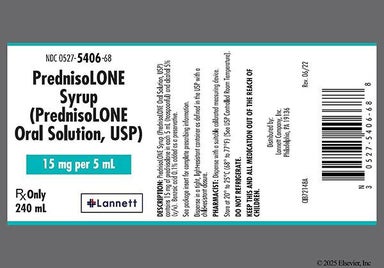
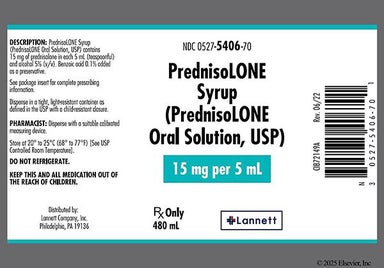
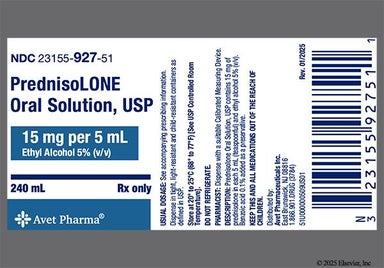
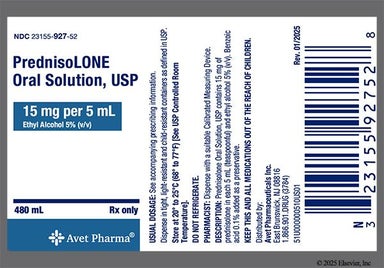
Prescription savings
Stop paying too much for your prescriptions. Compare prices, get pharmacy coupons, and save up to 80%. Find expert answers to your health questions so you can make the best decisions for yourself and your family.
Health conditions
Medications & treatment
Access & affordability
Medication discounts


You should avoid drinking alcohol while taking Prednisolone Sodium Phosphate or other oral steroids. Drinking alcohol can worsen certain side effects of steroids, like stomach irritation and poor sleep. Doing so can also raise the risk for more serious problems, such as stomach bleeding. If you drink alcohol regularly and it's difficult for you to stop, talk with your healthcare team. They can recommend resources to help you quit.
Prednisolone Sodium Phosphate gets absorbed into your body within hours after a dose. But how soon Prednisolone Sodium Phosphate starts to work might differ from person to person, depending on what health condition you have and how serious your condition is. Ask your healthcare team what you can expect from Prednisolone Sodium Phosphate treatment.
People don't typically report constipation or diarrhea as side effects while taking Prednisolone Sodium Phosphate. Tell your healthcare team if you have constipation or diarrhea that doesn't get better after a few days, or if you have severe symptoms like fever and bloody stool. They can try to help you figure out what might be causing your symptoms and give you more medical attention.
People who take Prednisolone Sodium Phosphate commonly report insomnia (trouble sleeping) as a side effect. If you experience difficulty sleeping at night, then you might feel tired the next day. Talk to your prescriber if you feel Prednisolone Sodium Phosphate is affecting your sleep and making you feel tired as a result. They can talk with you about ways to get better sleep, such as practicing good sleep hygiene. But if those tips don't work, they might be able to adjust your dose of Prednisolone Sodium Phosphate or recommend other treatment options.
Taking corticosteroids can make it harder for you to fall asleep. To lower the risk of this side effect, it's best to take Prednisolone Sodium Phosphate in the morning unless your prescriber has instructed you otherwise. If you have questions about when you should take Prednisolone Sodium Phosphate, contact your healthcare team.
Both prednisone and prednisolone are corticosteroids taken to treat similar health conditions. They're chemically different, which affects how they start working in your body after you take the medication. For example, prednisone is a prodrug. This means that once you take prednisone, it needs to get changed into its active form (prednisolone) in your liver before it can start to work. When you take prednisolone, it's already in the active form. One isn't really better than the other, but your prescriber will likely consider your liver's ability to convert prednisone to its active form.
Yes, Prednisolone Sodium Phosphate is a steroid. It belongs to the drug class known as corticosteroids.
No. Prednisolone Sodium Phosphate isn't an antibiotic, and it won't kill bacteria that's causing an infection.
