Key takeaways:
Tirzepatide (Mounjaro, Zepbound) works well for Type 2 diabetes and weight loss. But it often causes digestive side effects, especially when you first start using the medication.
Nausea or vomiting, diarrhea, and stomach pain are all typical tirzepatide side effects. Burping, heartburn, and flatulence (gas) are also possible. They usually get better as your body adjusts to the medication.
Severe or persistent nausea, vomiting, or stomach pain can be symptoms of serious tirzepatide side effects. These should always be reported to your prescriber as they may require emergency medical care.
Save on related medications
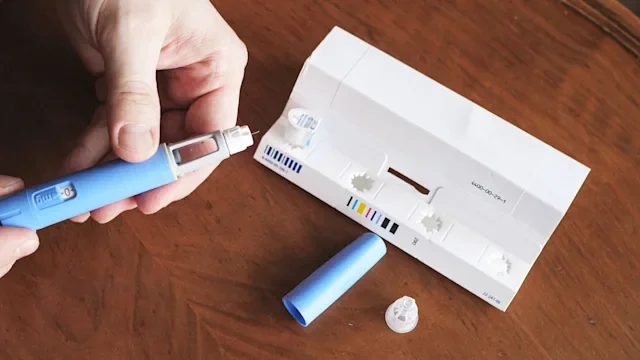
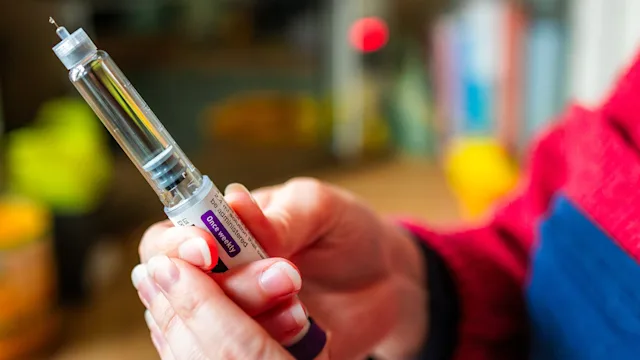
Non-insulin injectable medications for Type 2 diabetes have grown in popularity in the recent past. These medications have also made headlines when it comes to weight loss. One example is tirzepatide (Mounjaro, Zepbound). This once-weekly injection is the only medication in its class: glucagon-like peptide-1 (GLP-1) and glucose-dependent insulinotropic polypeptide (GIP) receptor agonists.
Tirzepatide works similarly to medications such as semaglutide (Ozempic, Wegovy, Rybelsus) and liraglutide (Victoza, Saxenda). This means it shares many of the same risks and side effects. And if you’re just starting tirzepatide, it’s important to know what those are.
Tirzepatide (Mounjaro, Zepbound) side effects at a glance
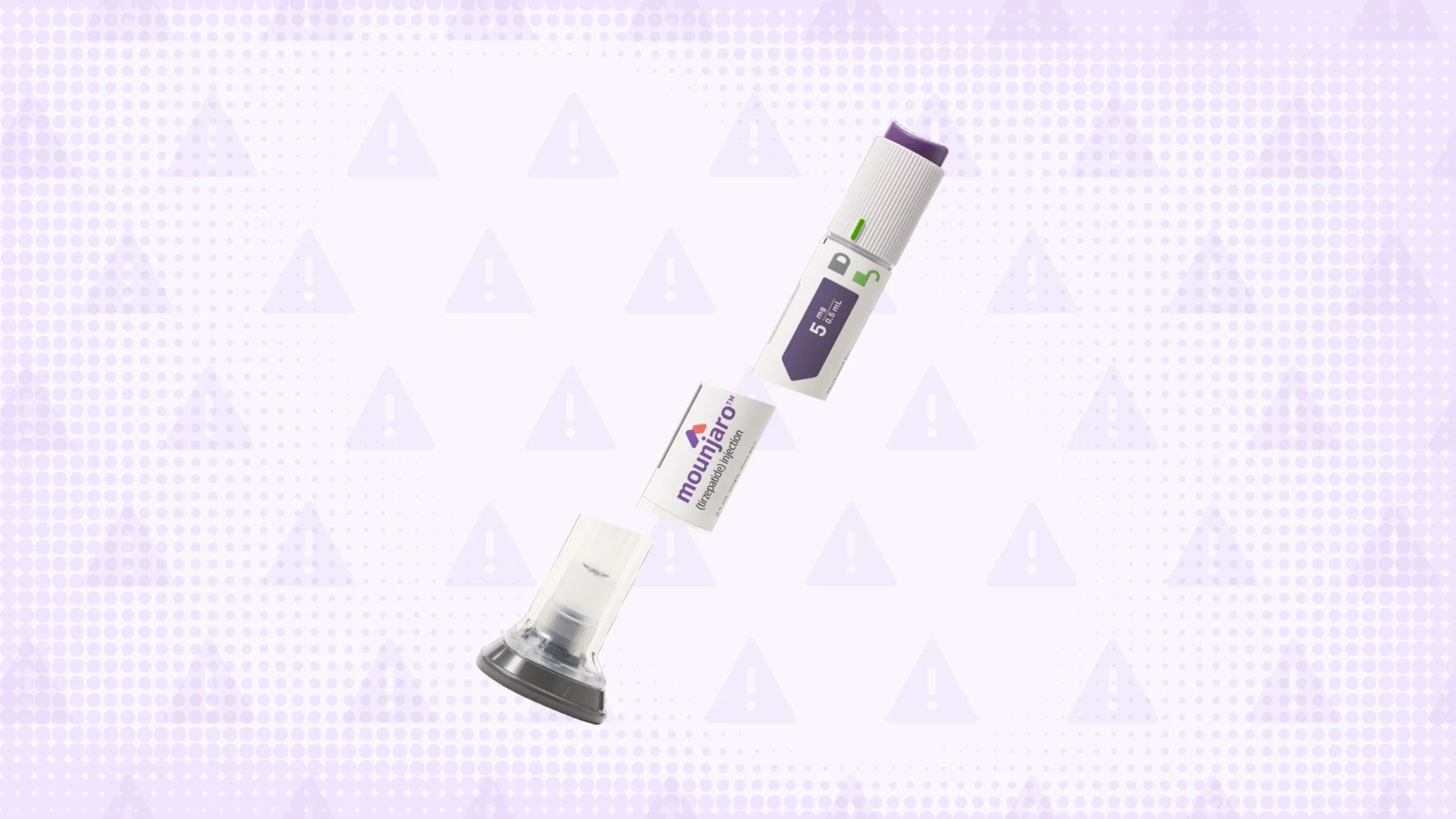
Mounjaro’s and Zepbound’s side effects are similar. That’s because they both contain the same active ingredient: tirzepatide. Most of tirzepatide’s side effects are mild or able to be managed at home. While rare, serious side effects are also possible. It’s good to learn about them, so you’re prepared in case they happen.
Search and compare options
Common or mild tirzepatide side effects:
Nausea
Vomiting
Diarrhea
Smaller appetite
Weight loss (side effect for Mounjaro, but an intended effect for Zepbound)
Heartburn or acid reflux
Upset stomach
Stomach pain or bloating
Burping, including “sulfur burps”
Flatulence (gas)
Constipation
Fatigue
Vivid dreams
Facial changes
Rebound weight gain if you stop using tirzepatide
Hair loss
Dizziness
Mildly low blood pressure, especially if you take blood pressure medications
Small heart rate increases
Taste changes
Small increases to liver enzymes (proteins)
Injection site reactions
Rare but serious risks and side effects reported by people using tirzepatide:
Low blood glucose (blood sugar)
Pancreatitis (swelling of the pancreas)
Gallbladder disease, including gallstones
Kidney damage following severe vomiting or diarrhea
Severe gastrointestinal reactions, such as bowel obstructions
Temporary worsening of diabetic retinopathy (eye problems caused by diabetes)
Allergic reactions
Tirzepatide also has a boxed warning for thyroid C-cell tumors. A boxed warning is the FDA’s strictest warning for medications. Because of this risk, you shouldn’t use tirzepatide if you have a family or personal history of certain thyroid cancers (more detail later).
Below are more details about 18 notable tirzepatide side effects and ways to manage them.
1. Nausea and vomiting
Nausea is the most common tirzepatide side effect. In clinical trials, up to 18% of people taking Mounjaro for diabetes and up to 29% of those taking Zepbound for weight loss reported experiencing nausea. Vomiting is also possible, though it’s less common. These side effects tend to happen when you first start tirzepatide, or after raising your dose. It’s also more common if you’re using higher doses.
To help prevent or lessen nausea and vomiting, your prescriber should start you on a low dose of Mounjaro or Zepbound. They’ll slowly raise it over a period of several weeks. If you do experience these side effects, they should get better or go away over time.
Eating smaller meals and avoiding fatty foods can help limit nausea and vomiting as your body adjusts to tirzepatide. You can also ask your prescriber about over-the-counter (OTC) nausea medications.
If you experience severe or persistent nausea and vomiting, let your prescriber know. These aren’t typical and could be symptoms of more serious tirzepatide side effects, like pancreatitis.
2. Diarrhea
Diarrhea is another common tirzepatide side effect. Up to 17% of people taking Mounjaro and up to 23% of those taking Zepbound in clinical trials reported it. Like nausea and vomiting, this is more common when starting tirzepatide or raising your dose. You’re also more likely to experience it with higher doses. It should get better as your body gets used to the medication.
It’s important to stay hydrated if you’re having loose stools. Persistent or severe diarrhea can lead to dehydration, and in severe cases, kidney issues. Staying hydrated helps replace the fluid you’re losing from diarrhea. Avoiding greasy or spicy foods and limiting caffeine and alcohol may help lessen this side effect until you adjust to tirzepatide.
If you’re experiencing severe diarrhea, or it isn’t getting better after a few weeks, check in with your prescriber. They may want to lower your dose or try a different medication.
3. Decreased appetite and weight loss
One of the ways tirzepatide works is by slowing down digestion and helping you feel fuller during and after meals. This can cause people to consume fewer calories while eating. It’s also one of the reasons tirzepatide can help people lose weight. So you may find you’re not hungry as often or able to eat as much as you were before starting tirzepatide.
This side effect isn’t necessarily a negative thing. Changes to your diet may be part of your diabetes treatment plan. Dietary changes are also an important step when it comes to weight loss. But a decreased appetite might surprise you if you’re not expecting it. It’s also important to make sure you’re still getting the right nutrients. This can be tricky if you don’t feel like eating.
Work with your prescriber or a dietician to develop a dietary plan that suits your needs. Let them know if tirzepatide has changed your appetite. They can suggest adjustments to your diet if needed.
4. Heartburn and acid reflux
Acid reflux symptoms, including heartburn and upset stomach, are also common with tirzepatide. Similar to those listed above, these uncomfortable side effects should go away as your body adjusts to the medication.
Eating smaller meals and avoiding lying down right after eating can help limit heartburn. Limiting caffeine and alcohol are also a good step to take, as they can worsen acid reflux. You can also discuss fast-acting OTC heartburn medications with your prescriber or pharmacist.
5. Stomach pain and bloating
Stomach pain is also common while using tirzepatide. You may also experience bloating or mild swelling after eating. These are typical and can contribute to stomach pain or discomfort.
Like with other digestive side effects, stomach pain and bloating or swelling should get better with time. Until it does, there are OTC medications that may help settle an upset stomach. Simethicone (Gas-X) can be helpful for bloating.
If you experience severe stomach pain or abdominal swelling, contact your prescriber. These can be symptoms of more serious side effects, such as gallbladder problems.
6. Burping and flatulence
Tirzepatide can also cause burping and flatulence (gas). These side effects happen because tirzepatide slows the movement of food through your digestive tract. Burping and flatulence may be more noticeable when you first start tirzepatide or shortly after a dose increase. They should lessen or resolve over time.
Burping is one tirzepatide side effect that’s garnered some negative attention. That’s because they’re different from the usual belching. People taking tirzepatide or similar medications have reported having sulfur burps — burps that smell and taste like rotten eggs.
Certain foods, such as peppermint and ginger, can help reduce the amount of gas in the digestive tract. There are also some yoga poses that can help relieve gas. If these tips don’t help, consider trying OTC gas relief products, such as simethicone.
7. Constipation
While diarrhea is more common, constipation is also possible with tirzepatide. As mentioned above, this medication slows digestion. And sometimes, slower movement of food through the digestive tract can cause harder or tough-to-pass stools. Similar to other stomach-related tirzepatide side effects, constipation should get better or resolve after you’ve been taking the medication for a bit.
In the meantime, adding fiber to your diet and drinking more water can help get things moving again. But it’s a good idea to gradually increase your fiber intake — too much too fast can worsen constipation. If these tips don’t work, ask your prescriber or pharmacist about OTC constipation medications. These can be a good short-term solution until your body adjusts to tirzepatide.
If you notice constipation isn’t getting any better after a few weeks, let your prescriber know. You’ll need to discuss safe long-term options for managing constipation.
8. Fatigue
Fatigue isn’t listed as a side effect for Mounjaro. But it is listed in Zepbound’s labeling. Even though not listed in its labeling, fatigue was noted by researchers conducting exit interviews at the end of Mounjaro’s clinical trials. Fatigue with either version of tirzepatide seems to be very uncommon and mild.
If you’re experiencing fatigue, take steps to make sure you’re getting enough sleep at night. Staying hydrated and eating nutrient-packed foods may also help boost your energy levels. If fatigue seems severe or excessive, contact your prescriber. This isn’t typical with tirzepatide, and there may be another cause for your tiredness.
9. Low blood sugar
When used as directed, tirzepatide is unlikely to cause hypoglycemia (low blood sugar) on its own. This is because it only signals your pancreas to release insulin when you eat. But combining it with certain diabetes medications can make this side effect more likely to happen.
Taking tirzepatide with insulin or other medications that stimulate insulin release (such as sulfonylureas or glinides) can raise the risk of low blood sugar. And sugar that’s too low can become dangerous. So it’s important to regularly check your blood sugar and treat it quickly if it’s low.
If you’re taking tirzepatide with other diabetes medications, your prescriber may have made some adjustments. They may have lowered the dosages of your other medications after starting tirzepatide. This helps lower the risk of hypoglycemia. But if you notice your blood sugar levels are low often, let them know. Further medication changes may be needed.
10. Vivid dreams
Vivid or bizarre dreams aren’t listed as a side effect in the labeling of Mounjaro or Zepbound. But many people taking them and other medications that work like tirzepatide have reported strange dreams while taking it. Experts don’t know why tirzepatide may cause this, or if vivid dreams are truly caused by the medication.
There are many other medications that cause bizarre or vivid dreams, as well. If you notice this happening and it’s bothersome to you, let your prescriber know. They can review your medication list to see what the most likely culprit may be and recommend actions you can take to help put a stop to them. In some cases, this could mean changing or stopping one of your medications.
11. Facial changes
This is another reported tirzepatide side effect that isn’t listed by the manufacturer. People have noticed facial changes after taking tirzepatide for a while. This can appear as a loss of fullness, but some people describe it as their face looking older. Facial changes have also been noted to happen with other similar injectable medications, such as Ozempic. And although this isn’t a harmful side effect, it can be upsetting or frustrating.
This long-term tirzepatide side effect is likely due to its effect on body weight. Any time you lose weight, especially if you lose a lot within a relatively short time, there’s a chance of losing fat in your face, too. This can make skin appear looser or wrinkles seem more pronounced.
If facial changes with tirzepatide are concerning for you, discuss it with your prescriber. There are treatment options available to help with facial fullness or wrinkle reduction.
12. Rebound weight gain
Tirzepatide is intended for long-term use. And as long as you continue taking it, you’ll likely sustain any weight loss you experience (although more studies are needed to confirm this).
But what happens if you and your prescriber decide you should stop taking tirzepatide? Will you gain back the weight you lost? In most cases, yes. Clinical trials found that people who stopped using tirzepatide regained much of the weight they lost.
It’s important to follow the diet and exercise routine you and your prescriber have agreed on when you start tirzepatide. These lifestyle changes are also important if you stop taking the medication, as they may help you maintain weight loss.
Discuss these steps with your prescriber if you’re going to be stopping tirzepatide. They can help you decide which lifestyle changes may be the best option for you to maintain a comfortable weight for you.
13. Hair loss
Significant and quick weight loss can cause you to shed more hair than usual. So it’s not surprising that some people report experiencing hair loss while taking tirzepatide. This type of hair loss is noted in Zepbound’s labeling.
The good news is that hair loss due to weight loss is typically temporary. Once your body adjusts to the changes in your body weight, the amount of shedding you experience should return to normal. Weight loss with tirzepatide happens over several months, though, so this could take some time.
If you’re noticing large chunks of hair falling out or bald patches, contact your prescriber. This isn’t the type of hair loss that’s associated with fast weight loss. There could be another cause for this symptom.
14. Pancreatitis
Some people have reported pancreatitis with tirzepatide. But more research is needed to confirm if this is due to the medication or a different cause. While rare, pancreatitis is considered a medical emergency. You’d likely need to be treated in a hospital if this happens.
Symptoms of pancreatitis include severe stomach pain, vomiting, and jaundice (yellowing of the skin and eyes). A fever and low blood pressure can also happen. If you notice these while taking tirzepatide, seek emergency medical care.
If you have a history of pancreatitis, let your prescriber know before starting tirzepatide. Experts don’t know if a history of the condition raises your risk for this side effect. But your prescriber still may want to monitor you more closely for it.
15. Gallbladder disease
Gallbladder disease, including gallstones and cholecystitis (gallbladder inflammation), can happen with tirzepatide. This side effect is very rare. But it can be painful and requires treatment.
It’s important to note that, in clinical trials, gallstones were reported by people receiving tirzepatide and people receiving a placebo (injections containing no medication). Weight loss from any cause can raise the risk of gallstones.
Symptoms of gallbladder problems can sometimes mirror pancreatitis symptoms. They include persistent stomach pain, nausea, and vomiting. A fever or jaundice are also possible. If you develop any of these symptoms with tirzepatide, get medical help right away.
16. Kidney damage
Research suggests that tirzepatide may help protect your kidneys when taken long-term. But sudden kidney damage is also a possible tirzepatide side effect. This is typically a concern if you experienced severe vomiting or diarrhea that led to dehydration.
Managing the more common digestive side effects can help prevent acute kidney damage. But you should also go for any regular blood tests your prescriber recommends. Kidney function tests can help your prescriber make sure your kidneys are working properly. These tests can also help them spot kidney damage early and take steps to manage it.
17. Thyroid tumors
Mounjaro and Zepbound both have a boxed warning about thyroid C-cell tumors. In animal studies, tirzepatide led to the development of these tumors. However, human studies haven’t confirmed this risk. To be safe, if you have a personal or family history of medullary thyroid cancer or if you have multiple endocrine neoplasia syndrome type 2, you shouldn’t use tirzepatide.
18. Injection site and allergic reactions
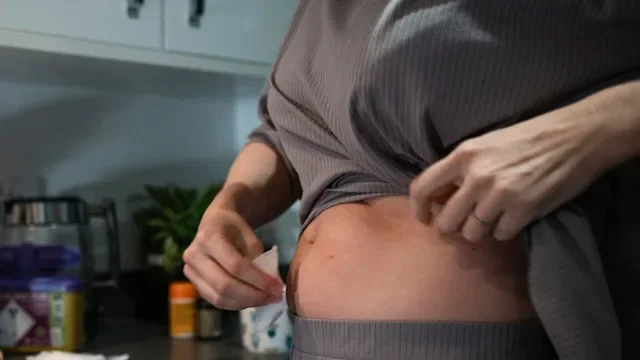
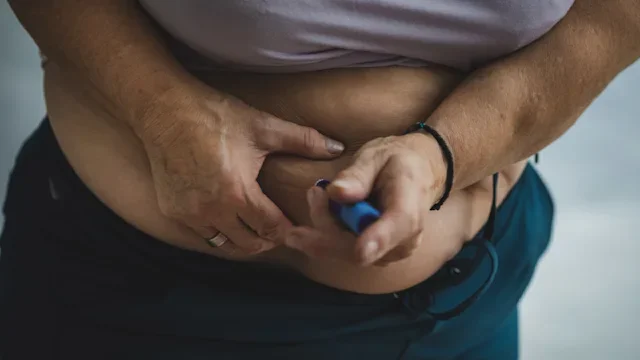
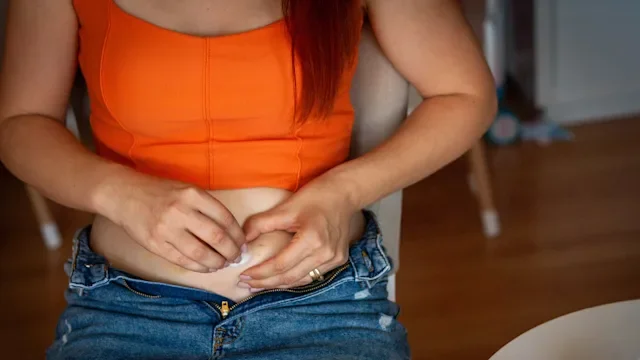
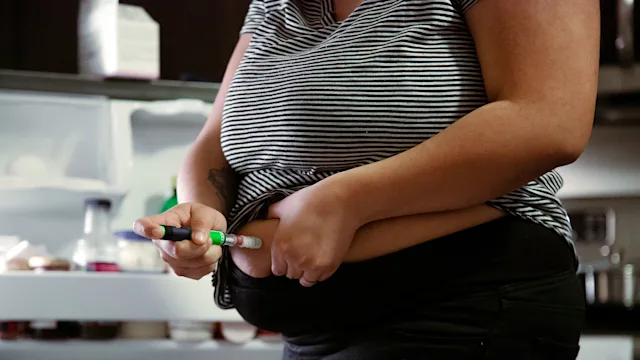
All injections, including tirzepatide, can cause injection site reactions. This usually appears as redness, pain, or swelling where you injected the medication. These reactions aren’t a type of allergic reaction, and they typically resolve on their own within a few days. Changing the area where you inject tirzepatide can help limit this side effect.
Very rarely, people using tirzepatide have experienced allergic reactions. In severe cases, life-threatening reactions, such as anaphylaxis, can happen. Call 911 if you experience trouble breathing or swelling or the throat, neck, or face after using tirzepatide.
Frequently asked questions
Mounjaro has a boxed warning for thyroid C-cell tumors. During animal studies, animals that received tirzepatide developed this type of tumor. But this risk hasn’t been confirmed in human studies. To be safe, it’s recommended that people with a personal or family history of medullary thyroid cancer avoid Mounjaro. People with an inherited condition called multiple endocrine neoplasia syndrome type 2 should also avoid Mounjaro.
No, burping, including sulfur burps, is not a direct side effect of Zepbound. It’s an indirect side effect and happens because Zepbound slows the passage of food through your gut. And when food sits in your stomach longer, there’s more opportunity for gas to form. Burping from Zepbound is typically more noticeable when you first start the medication or after raising your dose. It should improve with time.
Mounjaro shouldn’t cause withdrawal symptoms in the traditional sense. But its effects only last while you’re using it. If you stop using Mounjaro, your blood sugar levels will likely rise or not be managed as well. You may also notice you have a greater appetite. And it’s likely that you’ll regain some of the weight you’ve lost while using Mounjaro.
Mounjaro has a boxed warning for thyroid C-cell tumors. During animal studies, animals that received tirzepatide developed this type of tumor. But this risk hasn’t been confirmed in human studies. To be safe, it’s recommended that people with a personal or family history of medullary thyroid cancer avoid Mounjaro. People with an inherited condition called multiple endocrine neoplasia syndrome type 2 should also avoid Mounjaro.
No, burping, including sulfur burps, is not a direct side effect of Zepbound. It’s an indirect side effect and happens because Zepbound slows the passage of food through your gut. And when food sits in your stomach longer, there’s more opportunity for gas to form. Burping from Zepbound is typically more noticeable when you first start the medication or after raising your dose. It should improve with time.
Mounjaro shouldn’t cause withdrawal symptoms in the traditional sense. But its effects only last while you’re using it. If you stop using Mounjaro, your blood sugar levels will likely rise or not be managed as well. You may also notice you have a greater appetite. And it’s likely that you’ll regain some of the weight you’ve lost while using Mounjaro.
The bottom line
The most common tirzepatide (Mounjaro, Zepbound) side effects are usually temporary and include nausea, diarrhea, and stomach pain. A decreased appetite, burping, and flatulence (gas) are also typical. Some people have also reported facial changes, vivid dreams, and hair loss while taking tirzepatide.
More serious tirzepatide side effects, such as gallbladder problems and pancreatitis, are rare but possible. Let your prescriber know if any side effects seem excessive or severe.

Why trust our experts?



References
American Diabetes Association Professional Practice Committee for Diabetes. (2026). 8. Obesity and weight management for the prevention and treatment of diabetes: Standards of care in diabetes–2026. Diabetes Care.
Apperloo, E. M., et al. (2025). Tirzepatide associated with reduced albuminuria in participants with Type 2 diabetes: Pooled post hoc analysis from the randomized active- and placebo-controlled SURPASS-1–5 clinical trials. Diabetes Care.
Aronne, L. J., et al. (2023). Continued treatment with tirzepatide for maintenance of weight reduction in adults with obesity. JAMA.
Barnett, M. J. L., et al. (2025). SUN-344 much ado about nothing: Tirzepatide and medullary thyroid cancer debunked. Journal of the Endocrine Society.
Eli Lilly and Company. (2026). Mounjaro - tirzepatide injection, solution [package insert].
Eli Lilly and Company. (2026). Zepbound - tirzepatide injection, solution [package insert].
Etienne, V. (2023). What is Ozempic face? Doctors explain the side effect of the diabetes drug. People.
Gutman-Wei, R. (2023). Beware the Ozempic burp. The Atlantic.
Jafar, A. B., et al. (2024). Soft tissue facial changes following massive weight loss secondary to medical and surgical bariatric interventions: A systematic review. Aesthetic Surgery Journal Open Forum.
Matza, L. S., et al. (2022). Exit interviews examining the patient experience in clinical trials of tirzepatide for treatment of Type 2 diabetes. The Patient.
Middleton, A. (2023). Ozempic users are having bizarre dreams about A-listers — including one featuring Oprah on a go-kart at a baseball game. Business Insider.
Morgenthaler, L., et al. (2024). Case report: Small bowel obstruction after starting tirzepatide (Mounjaro). American Family Physician.
National Institute of Diabetes and Digestive and Kidney Diseases. (2017). Dieting and gallstones.
National Kidney Foundation. (2024). Kidney health 101: Making sense of kidney tests and lab results.
Wharton, S., et al. (2021). Managing the gastrointestinal side effects of GLP-1 receptor agonists in obesity: Recommendations for clinical practice. Postgraduate Medicine.