Key takeaways:
Mounjaro (tirzepatide) is an injectable medication that’s FDA approved for adults and children ages 10 and older living with Type 2 diabetes. But it’s not right for everyone.
You shouldn’t take Mounjaro if you have a personal or family history of certain thyroid cancers or are allergic to Mounjaro or any of its ingredients. You should also avoid it if you have a history of pancreatitis (swelling of the pancreas), certain gastrointestinal conditions, or are pregnant or nursing.
Discuss your personal and family medical history with your healthcare team before starting Mounjaro. This information helps them determine if this medication is safe for you.
Mounjaro (tirzepatide) is an injectable medication that’s become a valuable tool for people living with Type 2 diabetes. It can also promote weight loss when used alongside a diabetes-friendly diet and routine exercise.
While many people can benefit from Mounjaro, it’s not right for everyone. Understanding its risks and warnings can help you know if Mounjaro may be safe for you. Your healthcare team can also help determine if it might be a good option to help you manage diabetes.
Below are details about who shouldn’t take Mounjaro and why.
Search and compare options
What is Mounjaro?
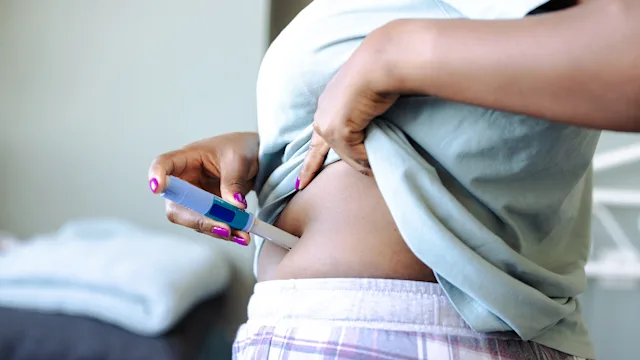
Mounjaro is a once-weekly injection. It acts like two natural gut hormones in your body. Mounjaro works in the following ways:
Promotes natural insulin release after eating
Lowers the amount of glucose (sugar) your liver makes
Slows how quickly food leaves your stomach, making you feel fuller longer
Targets areas of your brain that regulate appetite
These actions help lower your blood sugar and can promote weight loss. Keep in mind that Mounjaro isn’t FDA approved for weight loss. But some healthcare professionals may prescribe it off-label for this use.
Good to know: Tirzepatide (Mounjaro’s active ingredient) is approved for chronic weight management under a different brand name: Zepbound.
Who shouldn’t take Mounjaro?
Mounjaro can be helpful for many people living with Type 2 diabetes. But it’s not right for everyone. Your prescriber will consider your health history when deciding whether Mounjaro is the best medication for you.
Personal or family history of certain thyroid cancer
Mounjaro has a boxed warning (the FDA’s strictest medication warning) about thyroid C-cell tumors. This warning is based on animal studies that showed a higher risk of these tumors with medications similar to Mounjaro.
This risk hasn’t been confirmed in humans. But to be safe, it’s taken seriously. Because of this, Mounjaro is contraindicated in the following situations:
If you have a personal or family history of medullary thyroid carcinoma (MTC)
If you have an inherited condition called multiple endocrine neoplasia syndrome type 2 (MEN 2)
If you have a personal or family history of other thyroid cancers, you may still be able to take Mounjaro. If you’re unsure about your family’s medical history regarding thyroid cancer, talk to your prescriber. They can help weigh the risks for your situation and decide if Mounjaro would be safe for you.
History of pancreatitis
If you have a history of pancreatitis (inflammation of the pancreas), your prescriber will likely recommend avoiding Mounjaro. People taking this medication have reported pancreatitis. And people with a history of this condition were excluded from Mounjaro’s clinical trials. So we have limited information on how safe the medication is for people in this situation.
Keep in mind that the overall risk for pancreatitis while using Mounjaro is very low. And some studies suggest that the medication may actually lower the risk of pancreatitis for people prone to the condition. But until more safety research becomes available, it’s recommended to avoid Mounjaro if you have a history of pancreatitis.
Severe gastrointestinal conditions
People with severe gastrointestinal (GI) conditions, such as gastroparesis (delayed stomach emptying), should generally avoid Mounjaro.
Mounjaro works, in part, by slowing how quickly food leaves your stomach. While this can help manage blood sugar and reduce appetite, it can also cause GI side effects. Common ones include nausea, vomiting, and constipation.
There are cases of people who used Mounjaro or other similar medications and experienced severe GI problems. These included:
Reduced blood flow to the intestines (colonic ischemia)
Experts don’t know if Mounjaro directly causes any of these serious GI complications. But if you have a history of them, Mounjaro may not be the right treatment for you. Discuss these risks with your prescriber before starting the medication. And be sure to let your healthcare team know if you experience new or worsening digestive symptoms while using it.
Serious allergic reaction to ingredients
Allergic reactions to medications are rare but can be life-threatening. As with all medications, it’s possible for people to be allergic to Mounjaro. Reactions could be minor, such as a mild skin rash. But they could also be severe, such as anaphylaxis (swelling of the mouth, tongue, or throat).
If you’ve ever experienced a serious allergic reaction to tirzepatide or any of Mounjaro’s inactive ingredients, you shouldn’t take this medication. If you’ve had a reaction to another medication that’s similar to Mounjaro, such as Ozempic (semaglutide), tell your prescriber. Different medications have different ingredients. Depending on what you’re allergic to, you may still be able to use Mounjaro.
If you think you’re having an allergic reaction to Mounjaro, contact a healthcare professional. But if you’re having serious or life-threatening symptoms, such as trouble breathing, call 911 or go to the ER.
Pregnancy and nursing
It’s not recommended to use Mounjaro during pregnancy. Animal studies have shown that tirzepatide may harm developing fetuses. But this hasn’t been confirmed in humans. Because there’s a lack of safety information, it’s recommended to avoid Mounjaro if you’re pregnant or trying to become pregnant.
Mounjaro is a long-acting medication. Small amounts of tirzepatide may remain in your system for up to 25 days. Discuss with your prescriber when you should stop using Mounjaro before trying to become pregnant. And if you become pregnant while using Mounjaro, tell your healthcare team right away. They may want to switch you to a diabetes medication that’s recommended for use while expecting, such as insulin.
There’s also not much safety information regarding whether Mounjaro is safe to use while nursing. So as a precaution, your prescriber may ask you to avoid it.
Other considerations
Even if the above scenarios don’t apply to you, there are other situations where Mounjaro should be used with extra care. These include:
History of gallstones or gallbladder problems
Eye problems related to diabetes (diabetic retinopathy)
History of eating disorders, such as anorexia
Mood disorders, including depression
Having one of these conditions doesn’t always mean that you can’t use Mounjaro. But you may have a greater risk of certain side effects or complications. Your healthcare team should weigh the risks and benefits of Mounjaro use before prescribing it for you.
How do you know if Mounjaro is safe for you?
Determining whether Mounjaro is safe for you is a decision that you and your healthcare team should make together. Your prescriber should review your complete medical history, allergies, and any plans for pregnancy or nursing.
Here are points that you should discuss with your healthcare team before starting Mounjaro:
Your health history: Be sure to disclose all current and past medical conditions with your prescriber. This will help them know if you’re at greater risk for certain Mounjaro side effects.
Your family’s health history: Your family’s medical history can also help your healthcare team decide if Mounjaro is safe for you. This is especially true if a family member has a history of medullary thyroid cancer.
Your allergies: Be sure to include allergies to foods, environmental items, medications, and inactive ingredients. And make sure to share this information with both your prescriber and pharmacist.
Your pregnancy and family planning goals: Mounjaro isn’t recommended during pregnancy or while nursing. Discuss your family planning goals with your prescriber. They can work with you to make sure you’re taking medications that are safe during pregnancy or while nursing.
Keep in mind that your prescriber’s goal is to find the safest and most effective treatment for your unique situation. If Mounjaro isn’t a good fit for you, they can help you find a suitable alternative.
Frequently asked questions
There are no confirmed human cases of thyroid cancer caused by Mounjaro. Studies found that animals exposed to medications that work similarly to Mounjaro developed thyroid C-cell tumors. To be safe, the manufacturer doesn’t recommend the medication for people with:
A personal or family history of medullary thyroid carcinoma
An inherited condition called MEN 2
Mounjaro is approved only for treating people ages 10 and older living with Type 2 diabetes. But researchers are studying its active ingredient, tirzepatide, for other uses, such as heart failure and cardiovascular protection.
Healthcare professionals will sometimes prescribe Mounjaro for weight loss. But this is an off-label use of the medication.
There are no confirmed human cases of thyroid cancer caused by Mounjaro. Studies found that animals exposed to medications that work similarly to Mounjaro developed thyroid C-cell tumors. To be safe, the manufacturer doesn’t recommend the medication for people with:
A personal or family history of medullary thyroid carcinoma
An inherited condition called MEN 2
Mounjaro is approved only for treating people ages 10 and older living with Type 2 diabetes. But researchers are studying its active ingredient, tirzepatide, for other uses, such as heart failure and cardiovascular protection.
Healthcare professionals will sometimes prescribe Mounjaro for weight loss. But this is an off-label use of the medication.
The bottom line
Mounjaro (tirzepatide) can be a beneficial tool for managing Type 2 diabetes. But it’s not right for everyone. You shouldn’t take Mounjaro if you have a personal or family history of certain thyroid cancers, have a history of pancreatitis, or have had a serious allergic reaction to Mounjaro or any of its ingredients. You should also avoid Mounjaro if you have certain gastrointestinal conditions or are pregnant, nursing, or trying to become pregnant.
The best way to know if Mounjaro is right for you is to have an open and honest conversation with your healthcare team. They can help you weigh the risks and benefits and choose the safest, most effective treatment for your needs.

Why trust our experts?



References
American Diabetes Association Professional Practice Committee. (2026). 15. Management of diabetes in pregnancy: Standards of care in diabetes—2026. Diabetes Care.
Bayless, D., et al. (2024). Tirzepatide-associated colonic ischemia. ACG Case Reports Journal.
Drugs and Lactation Database (LactMed). (2026). Tirzepatide.
Drummond, R. F., et al. (2025). Glucagon-like peptide-1 receptor agonist use in pregnancy: A review. American Journal of Obstetrics & Gynecology.
Eli Lilly and Company. (2026). Mounjaro- tirzepatide injection, solution [package insert].
Guerdjikova, A. I., et al. (2025). Relapse in anorexia nervosa associated with tirzepatide: A case report. Journal of Clinical Psychopharmacology.
Iskander, M., et al. (2025). Acute functional gastric outlet obstruction associated with low-dose tirzepatide. Cureus.
Kamrul-Hasan, A. B. M., et al. (2024). Pancreatic safety of tirzepatide and its effects on islet cell function: A systematic review and meta‐analysis. Obesity Science & Practice.
Kamrul-Hasan, A. B. M., et al. (2025). Tirzepatide and cancer risk in individuals with and without diabetes: A systematic review and meta-analysis. Endocrinology and Metabolism.
Katz, B. J., et al. (2025). Ophthalmic complications associated with the antidiabetic drugs semaglutide and tirzepatide. JAMA Ophthalmology.
Morgenthaler, L., et al. (2024). Case report: Small bowel obstruction after starting tirzepatide (Mounjaro). American Family Physician.
MotherToBaby. (2024). Tirzepatide (Mounjaro, Zepbound). Organization of Teratology Information Specialists.
Nassar, M., et al. (2024). Decreased risk of recurrent acute pancreatitis with semaglutide and tirzepatide in people with Type 2 diabetes or obesity with a history of acute pancreatitis: A propensity matched global federated TriNetX database-based retrospective cohort study. Diabetes & Metabolic Syndrome: Clinical Research & Reviews.
National Cancer Institute. (n.d.). Multiple endocrine neoplasia type 2 syndrome.
Parkman, H. P., et al. (2024). Glucagonlike peptide-1 receptor agonists: The good, the bad, and the ugly—benefits for glucose control and weight loss with side effects of delaying gastric emptying. Journal of Nuclear Medicine Technology.
Sinha, R., et al. (2023). Efficacy and safety of tirzepatide in Type 2 diabetes and obesity management. Journal of Obesity & Metabolic Syndrome.
Tobaiqy, M., et al. (2024). Psychiatric adverse events associated with semaglutide, liraglutide and tirzepatide: A pharmacovigilance analysis of individual case safety reports submitted to the EudraVigilance database. International Journal of Clinical Pharmacy.
Zeng, Q., et al. (2023). Safety issues of tirzepatide (pancreatitis and gallbladder or biliary disease) in Type 2 diabetes and obesity: A systematic review and meta-analysis. Frontiers in Endocrinology.