



7 Medications That Can Interact With Dairy Products: Antibiotics, Levothyroxine, and More
Dairy products can affect how certain medications work in your body, potentially making them less effective. Here are the most common dairy interactions.
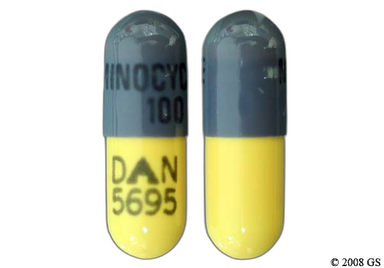
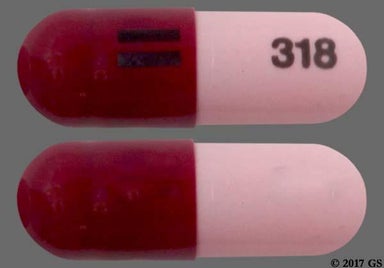
Immediate-release minocycline is a tetracycline antibiotic used to treat many types of bacterial infections in adults and children 8 years and older. These include urinary tract infections (UTIs), sinus infections, and even severe acne. It comes as a tablet or capsule, and is usually taken by mouth every 12 hours. Common side effects include headache, tiredness, and dizziness.

Minocycline is a tetracycline antibiotic. It stops bacteria from making the proteins they need to grow and multiply. This helps your immune system clear the infection.
For acne, minocycline lowers the amount of the P. acnes bacteria that naturally live on your skin. This helps reduce inflammation and can improve acne.
| Common Brands | Minocin |
|---|---|
| Drug Class | Tetracycline antibiotic |
| Controlled Substance Classification | Not a controlled medication |
| Generic Status | Lower-cost generic available |
| Availability | Prescription only |

The following side effects may get better over time as your body gets used to the medication. Let your healthcare provider know immediately if you continue to experience these symptoms or if they worsen over time.
Contact your healthcare provider immediately if you experience any of the following.
Along with its needed effects, a medicine may cause some unwanted effects. Although not all of these side effects may occur, if they do occur they may need medical attention.
Check with your doctor immediately if any of the following side effects occur:
Incidence not known
Black, tarry stools
blistering, peeling, or loosening of the skin
blood in the urine or stools
blurred or double vision
bulging soft spot on the head of an infant
chest pain, possibly moving to the left arm, neck, or shoulder
confusion
dizziness or lightheadedness
fast heartbeat
general feeling of discomfort or illness
general tiredness and weakness
joint or muscle pain
large, hive-like swelling on the face, eyelids, lips, tongue, throat, hands, legs, feet, or sex organs
loss of appetite
nausea or vomiting
red skin lesions, often with a purple center
severe headache
severe stomach pain
sores, ulcers, or white spots on the lips or in the mouth
troubled breathing
unusual bleeding or bruising
upper right abdominal or stomach pain
yellow eyes and skin
Some side effects may occur that usually do not need medical attention. These side effects may go away during treatment as your body adjusts to the medicine. Also, your health care professional may be able to tell you about ways to prevent or reduce some of these side effects. Check with your health care professional if any of the following side effects continue or are bothersome or if you have any questions about them:
Less common
Continuing ringing or buzzing or other unexplained noise in the ears
difficulty with moving
hearing loss
hives or welts
muscle stiffness
redness of the skin
sleepiness or unusual drowsiness
Incidence not known
discoloration of the tooth
increased sensitivity of the skin to sunlight
indigestion
severe sunburn
Other side effects not listed may also occur in some patients. If you notice any other effects, check with your healthcare professional.
Call your doctor for medical advice about side effects. You may report side effects to the FDA at 1-800-FDA-1088.




Minocycline can cause some serious health issues. This risk may be even higher for certain groups. If this worries you, talk to your doctor or pharmacist about other options.
Minocycline can harm an unborn baby, including causing problems with bone growth and permanent tooth discoloration. You shouldn't take this medication if you're pregnant or trying to become pregnant.
Minocycline can also make some birth control pills work less well. Use a backup birth control method while taking this medication. If you become pregnant during treatment, stop taking it and contact your prescriber right away.
Tetracycline antibiotics like minocycline can affect teeth while they are still developing in young children. The teeth can turn a permanent yellow, gray, or brown color. In rare cases, the enamel might not form correctly, which can make the teeth weaker.
These tooth changes can also happen to an unborn baby if taken during pregnancy, especially in the second half. Tooth side effects are more common with long-term use, but they can also happen after several short courses.
Tetracycline antibiotics like minocycline can slow bone growth when used during the second and third trimesters of pregnancy or in children younger than 8 years old. This happens because the medication binds to calcium in growing bones.
Antibiotics, including minocycline, can cause a serious infection called Clostridium difficile-associated diarrhea (CDAD). This happens when antibiotics change the normal bacteria in your gut, allowing harmful C. diff bacteria to grow too much. Call your care team right away if you have watery diarrhea, fever, stomach pain or cramps, nausea, vomiting, or loss of appetite. Tell your prescriber if you develop diarrhea during treatment or even up to 2 months after stopping the antibiotic.
In rare cases, minocycline can cause serious and life-threatening allergic and skin reactions, including a condition called drug reaction with eosinophilia and systemic symptom (DRESS). Stop taking it and get medical help right away if you have trouble breathing, facial swelling, fever, rash, or swollen lymph nodes.
In rare cases, minocycline can harm your kidneys, especially if you already have kidney problems. It can also cause liver damage, which can lead to liver failure. Contact your prescriber right away if you notice dark urine, changes in how much you urinate, stomach pain, or yellowing of your skin or the whites of your eyes.
Minocycline can cause you to feel lightheaded, dizzy, or like the room is spinning (vertigo). If this happens, don't drive or use heavy machinery until you know how this medication affects you. These symptoms might improve while you're taking it and usually go away after you stop the medication.
Tetracycline antibiotics, including minocycline, have been linked to a rare condition called intracranial hypertension. This is when pressure builds up around your brain. Symptoms can include headache, blurry vision, double vision, or vision loss. Women of childbearing age who are overweight or who have had this condition before have a higher risk. Taking isotretinoin with minocycline can raise this risk and should be avoided.
This condition usually improves after stopping the medication, but permanent vision loss is possible. Tell your prescriber right away if you notice vision changes. You might need an eye exam, and your care team will monitor you for several weeks after stopping the medication.
Taking tetracycline antibiotics like minocycline might be linked to rare autoimmune problems, especially with long-term use. Symptoms can include fever, rash, joint pain, and feeling very tired. If you notice these symptoms after taking the medication for a while, stop it and check in with your prescriber.
Some people taking minocycline can become sensitive to the sun. This means your skin may burn more easily in the sun and you might get a stronger sunburn than usual. To protect yourself, limit direct sunlight, avoid tanning beds, wear protective clothing like a wide-brimmed hat, and use sunscreen with SPF 30 or higher when outdoors.
Minocycline can cause your skin and nails to become darker. This can happen even if you haven't been taking it for very long. It can also affect other areas, such as your eyes, inside your mouth, or even some internal organs.
These color changes are usually not harmful. But if you notice them, contact your prescriber to make sure they aren't a sign of another condition.
Taking minocycline for a long time can sometimes lead to a new infection caused by bacteria or fungi that this medication can't treat. Don't take minocycline longer than your prescriber recommends. Tell your prescriber if you notice signs of a new infection or if your original symptoms don't improve.

Adults: Your dose will depend on the reason why you're taking minocycline.
Children over 8 years old: Your child's prescriber will calculate their dose based on their weight. The typical dose is 4 mg/kg (up to 200 mg per dose) by mouth once, then 2 mg/kg (up to 100 mg per dose) by mouth every 12 hours.
Minocycline is also available as an intravenous (IV) injection that's given by a healthcare professional.

Although certain medicines should not be used together at all, in other cases two different medicines may be used together even if an interaction might occur. In these cases, your doctor may want to change the dose, or other precautions may be necessary. When you are taking this medicine, it is especially important that your healthcare professional know if you are taking any of the medicines listed below. The following interactions have been selected on the basis of their potential significance and are not necessarily all-inclusive.
Using this medicine with any of the following medicines is not recommended. Your doctor may decide not to treat you with this medication or change some of the other medicines you take.
Using this medicine with any of the following medicines is usually not recommended, but may be required in some cases. If both medicines are prescribed together, your doctor may change the dose or how often you use one or both of the medicines.
Using this medicine with any of the following medicines may cause an increased risk of certain side effects, but using both drugs may be the best treatment for you. If both medicines are prescribed together, your doctor may change the dose or how often you use one or both of the medicines.


Contraindications are specific health conditions or situations in which a person should not take a medication due to safety concerns. If you have any of the following conditions or if any of the following apply to you, let your healthcare provider know because Minocycline will not be safe for you to take.

Doxycycline hyclate is used to prevent malaria due to the parasite Plasmodium falciparum and to treat many different infections caused by bacteria. Some examples include:








Prescription savings
Stop paying too much for your prescriptions. Compare prices, get pharmacy coupons, and save up to 80%. Find expert answers to your health questions so you can make the best decisions for yourself and your family.
Health conditions
Medications & treatment
Access & affordability
 Our monthly healthcare membership can help you save thousands on your prescription costs.
Resources

Minocycline isn't known to cause weight gain. If you notice a concerning change in your weight, contact your prescriber. They can help you figure out the cause.
Immediate-release Minocycline isn't FDA approved to treat rosacea. But other forms of minocycline are approved for this condition. Emrosi (an extended-release oral minocycline) and Zilxi (a topical minocycline foam) are FDA approved to treat certain types of rosacea. Talk to your primary care provider about the best rosacea treatment for you.
It's generally not recommended to drink alcohol while taking an antibiotic like Minocycline. Drinking alcohol can increase your risk of side effects such as stomach upset and dizziness.It can also make it harder for the antibiotic to fight your infection. Talk to your prescriber if you have questions about drinking alcohol while taking this medication.
When you take Minocycline for an infection, you will usually start to feel better within 1 to 3 days. Some infections need longer treatment, so it might take more time to notice improvement. Keep taking the medication exactly as prescribed, even if you feel better. If you stop too soon, the infection can come back and be harder to treat.
How quickly Minocycline works for acne depends on how severe your acne is when you start treatment. Some people notice improvement in about 2 weeks, but most people see the full results after about 12 weeks. Keep taking it as prescribed and follow up with your prescriber to check how well it’s working for you.
Yes, Minocycline can make certain birth control pills work less well at preventing pregnancy. Talk to your prescriber about using a backup birth control method while taking this medication. Also ask when it’s safe to rely on your birth control pills again after you finish treatment.
You shouldn't take Minocycline during pregnancy because it can harm an unborn baby. Taking it during the second half of pregnancy can also cause permanent tooth discoloration and weaker teeth in your baby. If you become pregnant while taking this medication, stop and contact your prescriber right away.
Both Minocycline and doxycycline are tetracycline antibiotics, but they aren't the same medication. They are both used to treat acne and many types of bacterial infections. Experts don't recommend one over the other for acne because they work about the same. Both come as tablets and capsules taken by mouth, and doxycycline is also available as a liquid for people who have trouble swallowing pills. Talk to your prescriber if you have questions comparing the two.
