Key takeaways:
Rosacea causes the skin on the face to be persistently red and painful with red bumps.
Several things cause it, including genetics, environment, and an overactive immune response.
Prescription medication and lifestyle changes can significantly improve and prevent rosacea flare-ups.
If you’ve ever had facial flushing that doesn’t seem to go away, or if the skin on your face burns and itches, you may have rosacea. This skin condition, pronounced “roh-zey-sha,” is relatively common among adults.
Rosacea is also commonly confused with other skin conditions. Here we’ll review the signs and symptoms of rosacea, as well as its many treatment options.
What is rosacea?
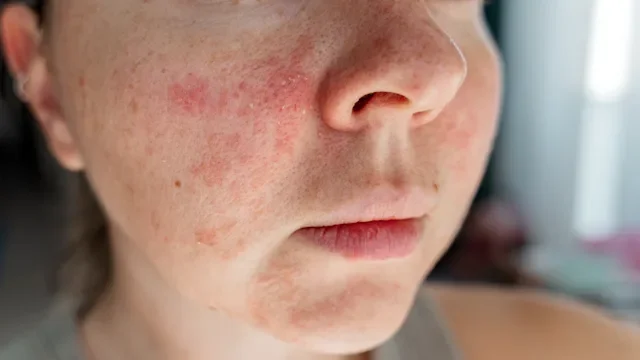
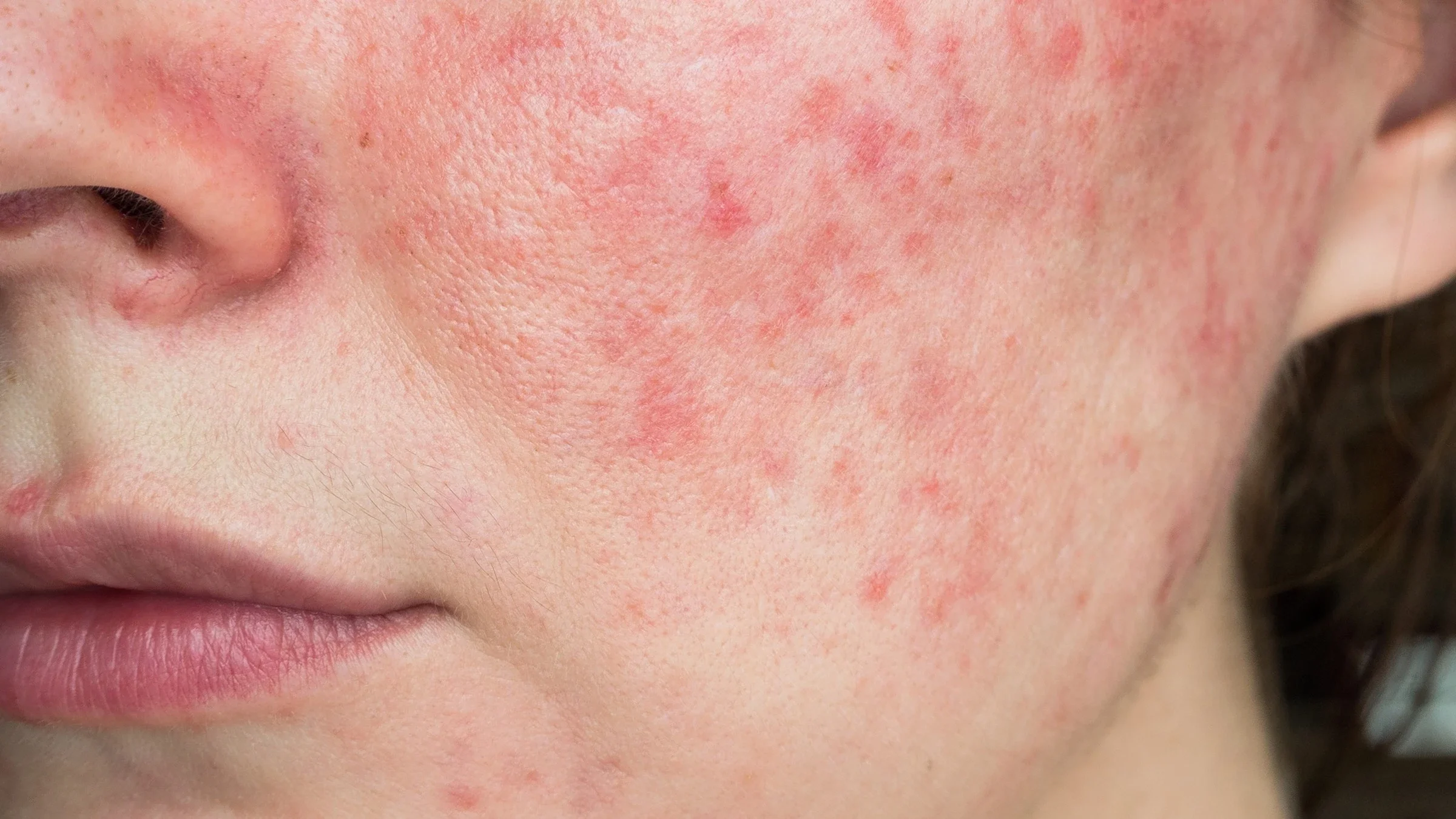
Rosacea is a chronic skin condition that affects about 1 in 20 people worldwide. It causes a pimple-like rash with red or purple skin discoloration on the cheeks and nose. The rash usually itches and burns. Rosacea symptoms often come and go, but triggers like stress, alcohol, and sunlight, can make things worse.
Rosacea can also affect the eyes — this is called ocular (eye) rosacea. Eye rosacea causes swollen, itchy eyes that can feel gritty and sensitive to light.
A group of experts developed a classification system for rosacea based on common symptoms. Various combinations of the rosacea symptoms that affect the skin and eyes can help diagnose the unique rosacea pattern for each person.
Types of rosacea
Historically, rosacea was divided into four subtypes depending on different symptoms:
Erythematotelangiectatic rosacea includes flushing and redness. People with darker skin tones may only feel flushing and not see a color change.
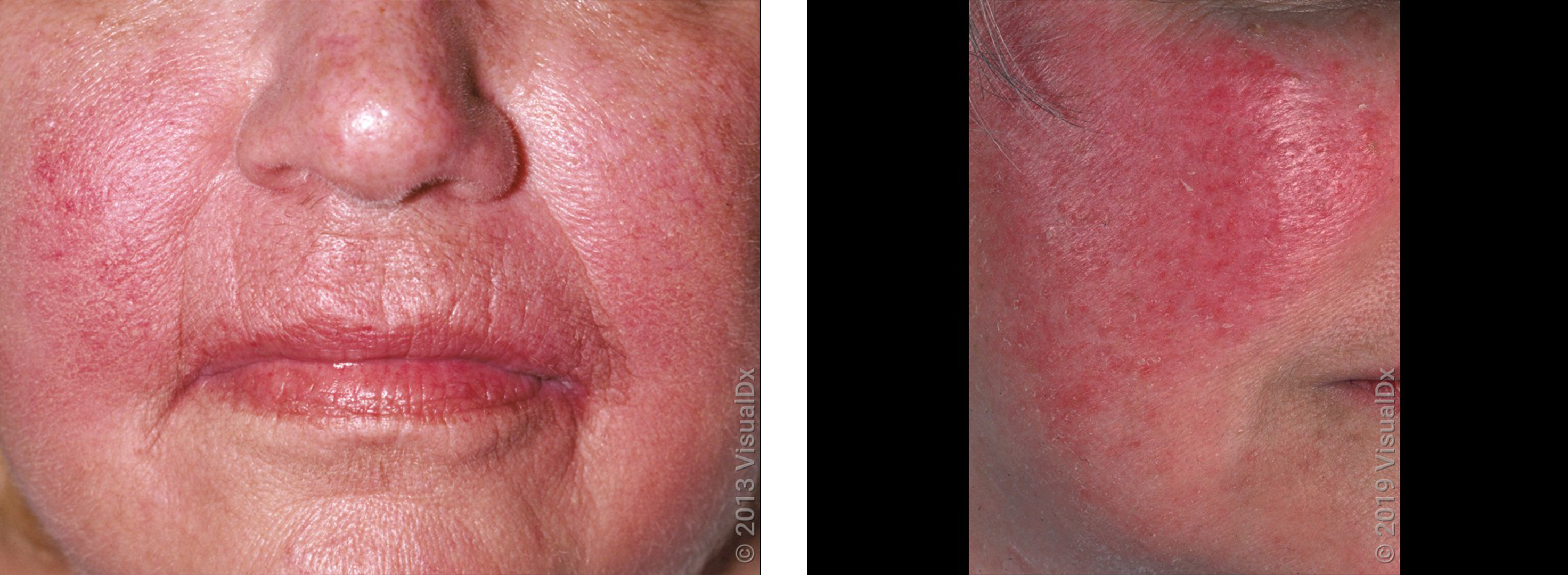
Left: Redness with visible blood vessels from erythematotelangiectatic rosacea. Right: Sunburn-like cheek redness from rosacea. Papular-pustular rosacea includes pimple-like bumps that come and go. In darker skin tones, this type of rosacea may not be as obvious, as the bumps can look more like the color of the skin.
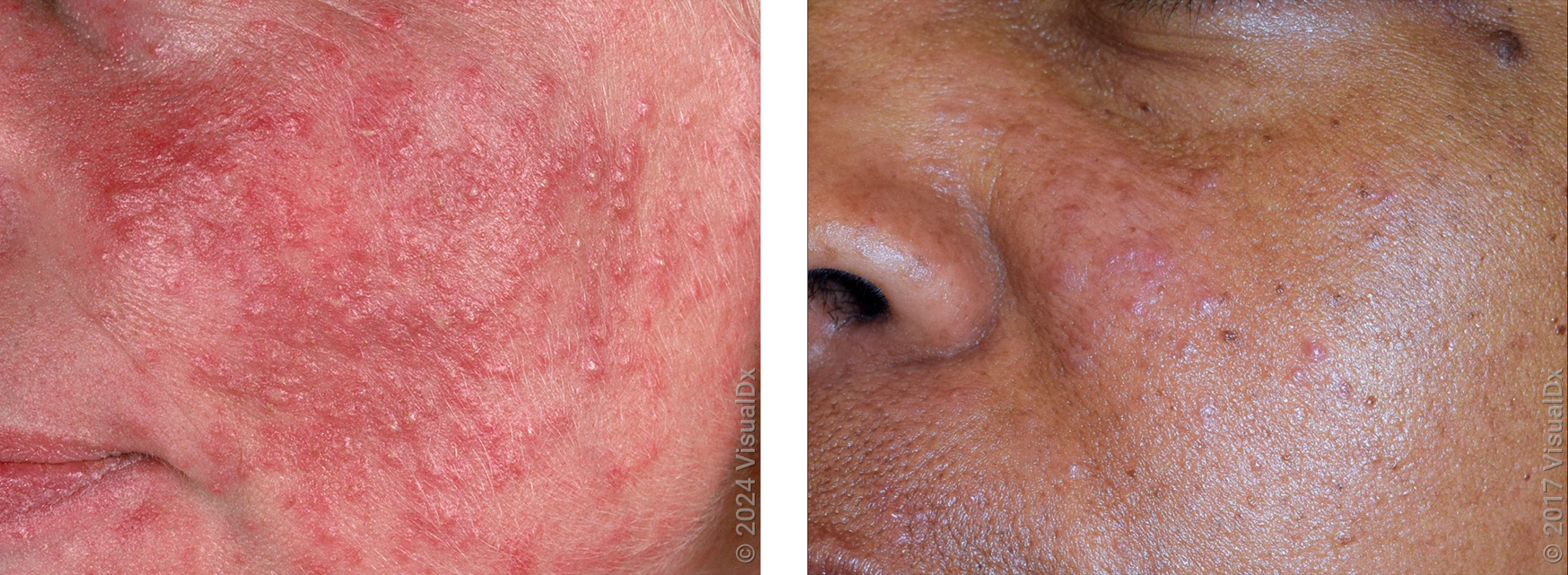
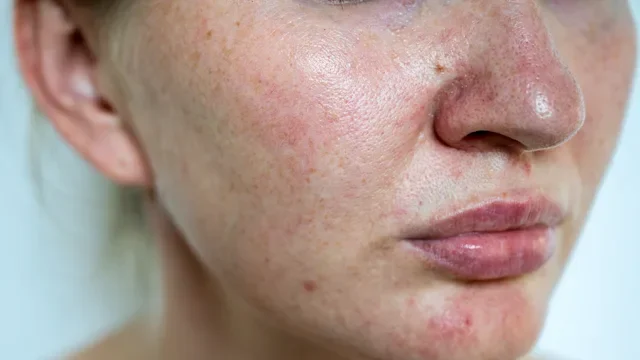
Left: Pink and red bumps and pus-bumps with background redness from papular-pustular rosacea on fair skin. Right: Papular-pustular rosacea with pink and tan bumps. Phymatous rosacea includes thickening of the skin (most commonly on the nose).
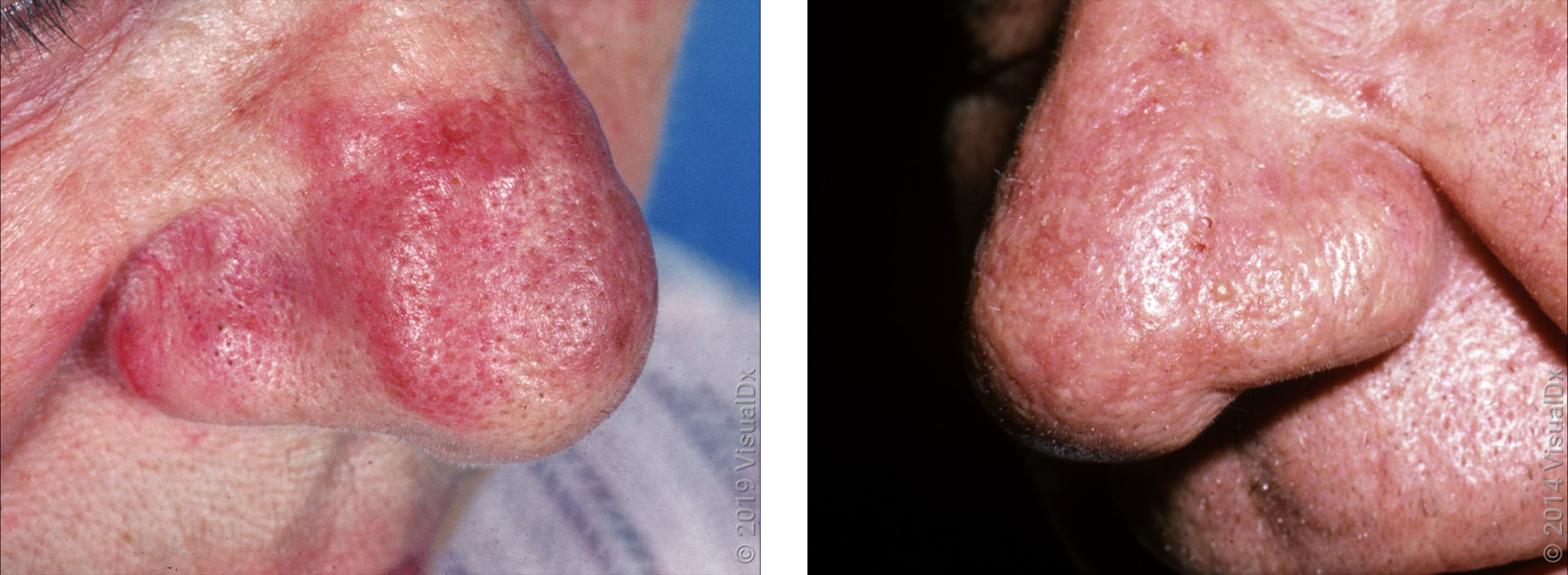
Left: Phymatous rosacea on the nose. Right: Darker and bulbous nose with prominent pores from rhinophyma. Ocular rosacea affects the eyes and causes redness, burning, stinging, and light sensitivity. The sclera (white part of the eye) can look inflamed and red (conjunctival injection). Ocular rosacea can also cause irritated pink bumps along the eyelids.
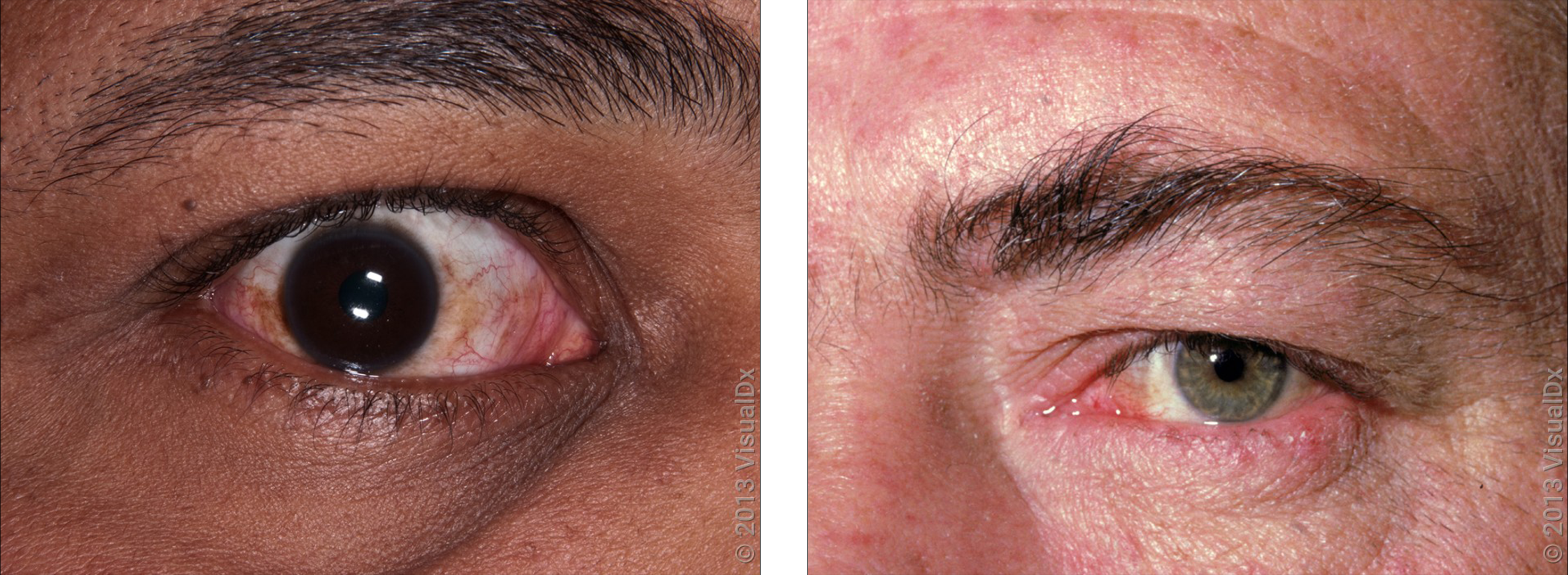
Left: Inflamed and red sclera from ocular rosacea. Right: Irritated pink bumps along the eyelids from ocular rosacea.
Rosacea symptoms
Rosacea can start with frequent facial flushing or a warm feeling that takes time to go away. Over time, the symptoms last longer and longer, and they often progress into skin bumps or thickening.
Rosacea signs and symptoms can vary from person to person, and they may look different in different skin tones.
Here are some common features:
In lighter skin, easy and frequent blushing, flushing, or lasting redness like a sunburn that doesn’t go away
In darker skin tones, a warm feeling that doesn’t go away, or a dusky brown discoloration
Facial burning, stinging, dryness, or itching
Thickening of the skin, more common in men and on the nose
Red or yellowish-brown bumps or pimples
Dry, irritated eyes and the feeling like there’s sand in your eyes
Regardless of which combination of symptoms you have, rosacea can significantly affect your quality of life. Surveys suggest that as many as 9 out of 10 people report having rosacea lowered their self-esteem.
Is it rosacea or something else?
The symptoms of rosacea aren’t unique to rosacea. This can make it hard to tell if it’s rosacea or something else, like acne, eczema, or even lupus.
Symptoms of rosacea vs. acne vs. lupus vs. eczema
Here are common symptoms of other rashes that can look like rosacea. An expert exam by a dermatologist may be helpful to make a diagnosis.
Rosacea
Rosacea leads to lasting redness and burning as well as smooth bumps, often on the forehead, cheeks, and chin. In darker skin, rosacea appears pink to purplish, while in fair skin it looks pink and red.

Acne
Acne can lead to whiteheads, blackheads, and some red or brown bumps on the face, chest, and back that eventually become whiteheads or blackheads. Acne in darker skin causes brown to violet pimples. In fair skin, the pimples look pinkish.

Eczema
Eczema leads to skin that’s red or brown, itchy, scaly, rough, and flaky. This mostly occurs in the folds of the skin (neck, arms, behind the knees), but it can also appear on the face. Eczema doesn’t cause pus bumps. It looks red in lighter skin, and in darker skin it can cause darker patches.

Lupus
Lupus can lead to lightly red or violet patches on the cheeks that worsen with sun exposure. It doesn’t cause acne bumps. In fair skin, lupus appears like bright red patches on the face that can look like a sunburn. In darker skin, lupus can cause scaly patches that range from pink to brown in color.

Comparison chart
| Skin changes | General body area | Typical age of onset | |
|---|---|---|---|
| Rosacea |
|
|
|
| Acne |
|
|
|
| Eczema |
|
|
|
| Lupus |
|
|
|
What causes rosacea?
Scientists don’t know exactly what causes rosacea. So far, research suggests that it’s probably a combination of different factors, such as:
An overactive immune response that causes inflammation
Hereditary factors (meaning it can run in families)
Your environment (like repeated unprotected sun exposure)
Widening of small blood vessels in the skin, which can make flushing more noticeable and also create a background of redness
Demodex mites, microorganisms that live on everyone’s skin but can overgrow in some people
Who is most prone to rosacea?
Rosacea is more likely in people who:
Are age 30 years or older
Are born female
Have fair skin and blond hair
Have a history of acne
That said, anyone of any age or background can develop rosacea.
Rosacea treatment
There are many good treatment options for rosacea, including different creams, pills, and lasers. The treatment you use depends on your symptoms and needs. In general, creams and gels are a first step. Pills can be a second, add-on step if symptoms persist.
There isn’t a one-size-fits-all treatment, and your medical provider can help you figure out the best treatment combination that’s right for you.
Creams that treat rosacea pimples
These creams and gels help treat and prevent the pimples associated with rosacea:
Azelaic acid (Finacea) helps lower inflammation and is available in over-the-counter (OTC) and prescription strengths.
Metronidazole (Metrogel) is a prescription antibiotic available as a cream, lotion, or gel, and it helps lower inflammation.
Ivermectin (Soolantra) is a prescription antiparasitic cream that kills demodex and helps lower inflammation.
Sodium sulfacetamide / sulfur is an antibiotic that helps lower inflammation and is available in OTC and prescription strengths.
Retinoids are prescription medications related to vitamin A. They can help treat rosacea pimples, and they’re available in different strengths and formulations.
Creams that reduce redness and flushing
These prescription creams help lower the redness and flushing associated with rosacea by causing small blood vessels to constrict (narrow):
Brimonidine (Mirvaso)
Oxymetazoline (Rhofade)
Some people can experience rebound flushing when they stop these medications, and they may need additional treatment.
Pills that treat rosacea pimples
For more serious rosacea pimples, prescription pills can work to get symptoms under control quickly — while continuing with the creams. People can usually stop taking the pills after a few months once symptoms have lessened — and then continue with just the creams.
Pills that can treat rosacea pimples include:
Oracea (low-dose doxycycline) is the only FDA-approved antibiotic used to treat rosacea.
Minocycline, azithromycin, and trimethoprim / sulfamethoxazole are other antibiotics that are sometimes used off-label to treat rosacea.
Isotretinoin is an oral retinoid that can be used when rosacea is very severe and other treatments don’t work.
Lasers and light devices
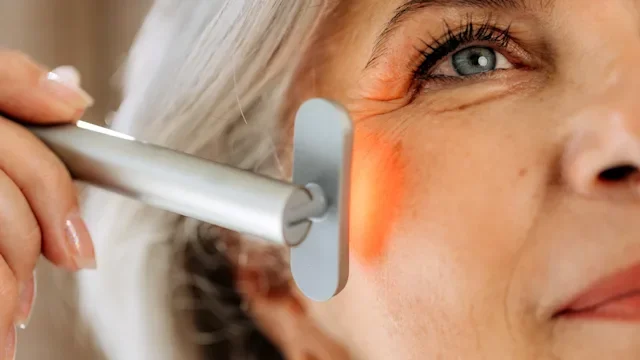
Cosmetic laser treatments help destroy widened blood vessels and reverse lasting redness. They are often combined with prescription medications for better results.
Does rosacea go away on its own?
No, rosacea doesn’t usually go away on its own. But with consistent treatment and lifestyle changes, you can improve rosacea symptoms and avoid flare-ups.
Rosacea triggers: How to prevent or reduce the chances of a rosacea flare-up
In addition to prescriptions, there are plenty of do-it-yourself solutions. This involves avoiding triggers to help prevent and relieve your rosacea flare-ups.
Here are some common rosacea triggers:
Sunlight: Sun exposure can worsen rosacea. So it’s important to protect yourself from the sun. Whenever going out in the sun, use sunscreen, hats, and protective clothing to avoid a flare-up.
Hot and spicy foods: Diet can play a big role in rosacea flares. Avoid hot and spicy foods, which lead to increased heat and also swollen and irritated blood vessels.
Lack of fiber: Research suggests that a diet high in fiber can improve gut health and also help prevent rosacea.
Alcohol and hot beverages: Hot drinks, like coffee and tea, can cause rosacea flare-ups. So try to avoid them, or wait for them to cool down to room temperature. Alcohol has also been reported as a trigger for many people with rosacea.
If you’re avoiding triggers, but you’re still struggling with symptoms, be sure to speak with your medical provider. They can help you understand treatment options and come up with a skin care plan that works for you.
Frequently asked questions
There isn’t a “best” product, but avoiding those with harsh ingredients (like exfoliating acids) can help. Products formulated as “gentle” or “noncomedogenic” are less likely to irritate your skin. It’s best to cleanse and moisturize your skin twice a day, and always wear sun protection.
People with rosacea report that certain ingredients can be irritating, including alcohol, menthol, peppermint, eucalyptus oil, and sodium lauryl sulfate. Dermatologists also recommend avoiding skin care products and cosmetics that have fragrances in them.
Yes, rosacea has been linked to other health issues that are often inflammatory in nature. Examples include rheumatoid arthritis, ulcerative colitis, and cardiovascular disease. There’s also a link with depression, anxiety, and diabetes mellitus. Research is underway to better understand these connections.
There isn’t a “best” product, but avoiding those with harsh ingredients (like exfoliating acids) can help. Products formulated as “gentle” or “noncomedogenic” are less likely to irritate your skin. It’s best to cleanse and moisturize your skin twice a day, and always wear sun protection.
People with rosacea report that certain ingredients can be irritating, including alcohol, menthol, peppermint, eucalyptus oil, and sodium lauryl sulfate. Dermatologists also recommend avoiding skin care products and cosmetics that have fragrances in them.
Yes, rosacea has been linked to other health issues that are often inflammatory in nature. Examples include rheumatoid arthritis, ulcerative colitis, and cardiovascular disease. There’s also a link with depression, anxiety, and diabetes mellitus. Research is underway to better understand these connections.
The bottom line
Rosacea is a pretty common condition among adults. It’s usually lifelong and can cause a range of skin symptoms that are sometimes confused with other skin conditions, like acne and eczema. Common symptoms include redness, burning, and bumps on the skin.
There’s no cure for rosacea, but you can help prevent flare-ups by avoiding triggers, such as sunlight, hot drinks, and spicy foods. There are also many treatments that can help with symptoms, including prescription topical creams, oral pills, and cosmetic laser treatments.

Why trust our experts?



Images used with permission from VisualDx (www.visualdx.com)
References
Haber, R., et al. (2018). Comorbidities in rosacea: A systematic review and update. Journal of the American Academy of Dermatology.
Hu, X-M., et al. (2022). Current research and clinical trends in rosacea pathogenesis. Heliyon.
Ludmann, P. (2024). 7 rosacea skin care tips dermatologists recommend. American Academy of Dermatology.
Ludmann, P. (2024). Rosacea: Causes. American Academy of Dermatology.
National Rosacea Society. (n.d.). Causes of rosacea: Introduction.
National Rosacea Society. (n.d.). Classification of rosacea.
National Rosacea Society. (2014). New rosacea survey shows emotional toll of facial redness equals impact of bumps, pimples.
National Rosacea Society. (n.d.). Rosacea skin care & cosmetics.
Nguyen, L., et al. (2025). Laser and energy-based devices for treating rosacea - a systematic review and network meta-analysis. Journal der Deutschen Dermatologischen Gesellschaft.
Schaller, M., et al. (2020). Recommendations for rosacea diagnosis, classification and management: update from the global ROSacea COnsensus 2019 panel. British Journal of Dermatology.
Searle, T., et al. (2021). Rosacea and diet: What is new in 2021? Journal of Clinical and Aesthetic Dermatology.
Skin Cancer Foundation. (2025). Sun-protective clothing.
Thiboutot, D., et al. (2020). Standard management options for rosacea: The 2019 update by the National Rosacea Society Expert Committee. Journal of the American Academy of Dermatology.
Two, A. M., et al. (2015). Rosacea: Part II. Topical and systemic therapies in the treatment of rosacea. Journal of the American Academy of Dermatology.
Weiss, E., et al. (2017). Diet and rosacea: The role of dietary change in the management of rosacea. Dermatology Practical & Conceptual.
Wilkin, J., et al. (2002). Standard classification of rosacea: Report of the National Rosacea Society Expert Committee on the classification and staging of rosacea. Journal of the American Academy of Dermatology.