


Hyperpigmentation in Darker Skin Tones: Pictures, Causes, and Treatment
Hyperpigmentation is the clinical term for darker skin discoloration. See what hyperpigmentation looks like on Black and brown skin, plus ways to treat it.
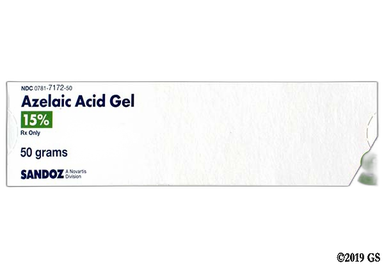
Azelaic acid (Finacea) is a dicarboxylic acid. It's a topical medication used to treat mild-to-moderate rosacea in adults. It works by easing skin redness and inflammation. Azelaic acid (Finacea) is applied to the skin twice daily, in the morning and evening. This medication comes as a gel and foam. Some side effects of azelaic acid (Finacea) include mild burning, tingling, and itching. It's available as brand name and generic medications.

Azelaic acid (Finacea) is a dicarboxylic acid. The exact way it treats rosacea isn't well-understood. But it's thought to work by easing skin inflammation.
| Common Brands | Finacea |
|---|---|
| Drug Class | Dicarboxylic acid |
| Controlled Substance Classification | Not a controlled medication |
| Generic Status | Lower-cost generic available |
| Availability | Prescription only |

The following side effects may get better over time as your body gets used to the medication. Let your healthcare provider know immediately if you continue to experience these symptoms or if they worsen over time.
Contact your healthcare provider immediately if you experience any of the following.
Side effects that you should report to your care team as soon as possible:
Side effects that usually do not require medical attention (report these to your care team if they continue or are bothersome):



More tips on how to use azelaic acid (Finacea)

Azelaic acid (Finacea) can cause some serious health issues. This risk may be even higher for certain groups. If this worries you, talk to your doctor or pharmacist about other options.
Azelaic acid (Finacea) can cause loss of skin color in the areas of skin where you apply the medication. This is because this medication prevents your skin from making melanin, the pigment responsible for skin color. The loss of skin color is more noticeable if you have a darker skin tone. Let your dermatologist know if you notice any changes in skin color.
Azelaic acid (Finacea) can cause irritation in the eyes, mouth, nose, and genitals. If it gets in your eyes, wash your eyes with lots of water. Speak to your dermatologist if the irritation does not go away after washing your eye.
People who have used different forms of azelaic acid, including the gel form, have reported worsening asthma. If you have asthma, it's important to keep your rescue inhaler with you so you can use it in the rare case of an asthma attack. If you've experienced an asthma attack while using azelaic acid (Finacea), let your healthcare team know right away. They can talk with you to see if you should continue treatment or consider other options.
Azelaic acid (Finacea) (Finacea) foam is flammable because of one of the ingredients in the can. The foam can easily catch on fire. Avoid fire, flame, or smoking during and after using the medication. Don't store the foam bottle where the temperature is too hot (above 120°F). Don't damage or burn the empty foam bottles because it can still leak the flammable ingredient or cause an explosion. Call your local waste management service to see how you can safely dispose of the empty foam bottles.

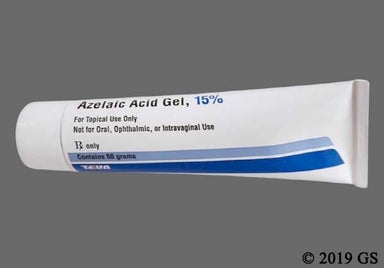
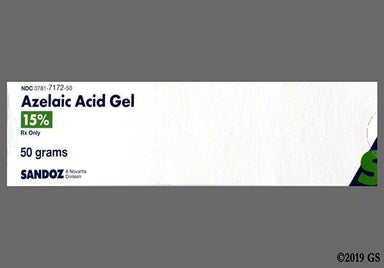
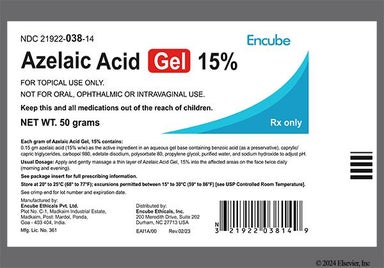
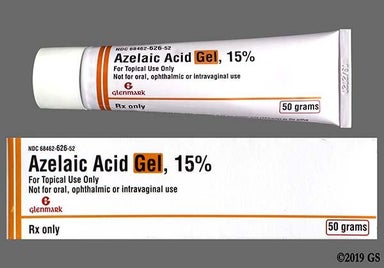
 Tube of gel
| Dosage | Quantity | Price as low as | Price per unit |
|---|---|---|---|
| 50g of 15% | 1 tube | $35.73 | $35.73 |






Prescription savings
Stop paying too much for your prescriptions. Compare prices, get pharmacy coupons, and save up to 80%.Resources
About GoodRx
 Find expert answers to your health questions so you can make the best decisions for yourself and your family.
Health conditions
Medications & treatment
Access & affordability
Well-being
Medication discounts

Finacea (azelaic acid 15%) foam and gel are only FDA-approved to treat rosacea. There's a different brand called Azelex (azelaic acid 20%) cream that's approved to treat mild-to-moderate acne. Both Finacea and Azelex are available only by prescription from a dermatologist.
No, you can only get Finacea (azelaic acid) and other prescription-strength azelaic acid at the pharmacy with a prescription from a dermatologist. There are some topical azelaic acids that can be found over-the-counter (OTC), such as azelaic acid 10% cream. In general, these products have a lower concentration of azelaic acid compared to what's in the prescription-strength version and they aren't FDA-approved to treat rosacea. Rather, OTC azelaic acid is typically marketed to help with acne or skin blemishes. Talk with your healthcare team if you have more questions about the difference between prescription and OTC azelaic acid.
The length of time it takes for you to see results from Finacea depends on how severe your skin condition is and your body's response to the medication. You might need to apply this medication twice daily for up to 3 months before your skin starts to get better. Let your dermatologist know if your skin doesn't start to improve by this time because they might ask you to consider other options.
Typically, your dermatologist will ask you to apply Finacea to your face twice daily, in the morning and evening. Ask your care team if you're not sure how often to use this medication.
Burning, tingling, and pain at the application site are the most common side effects of Finacea. You're more likely to experience these side effects if you use the gel form of the medication. Most of the time, these side effects are mild and temporary, and should go away after the first few weeks of treatment. Typically, you can continue to use Finacea if you experience mild burning or tingling. But let your dermatology team know right away if your symptoms are severe or if the skin irritation doesn't get better after a few weeks. They might ask you to consider other options.
Be careful using Finacea if you already have dry skin because it can worsen your condition. This medication can cause side effects such as dryness, peeling, and rash, especially during the first few weeks after you start treatment. If the skin irritations are severe or do not go away with time, talk to your dermatologist to see if this medication is still a good option for you.
Ask your dermatologist if you can continue Finacea during pregnancy. Because this medication is applied to the skin, it's not likely to get absorbed into the bloodstream and cause harm to the unborn baby. In general, azelaic acid is considered safe during pregnancy, but you should talk with your healthcare team if you have specific concerns.
