


How to Save on 6 Types of Dermatology Medications Insurance May Not Cover
Some dermatology medications aren’t covered by insurance. But there are still ways to save on the cost of your prescription. Learn more with GoodRx.
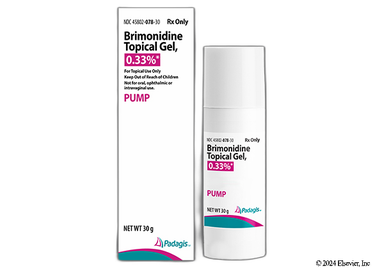
Brimonidine (Mirvaso) is a topical gel used to treat adults with facial redness from rosacea that doesn't go away. It's only available with a prescription and belongs to a class of medications called alpha-2 agonist. The gel is applied directly to the face once per day. Side effects are rare but can include skin flushing and a burning sensation. Some people might also experience rebound erythema, where their facial redness worsens after starting the medication.

Brimonidine (Mirvaso) is an alpha-2 agonist. It works by narrowing blood vessels near the skin's surface, reducing facial redness.
| Common Brands | Mirvaso |
|---|---|
| Drug Class | Alpha-2 adrenergic receptor agonist |
| Controlled Substance Classification | Not a controlled medication |
| Generic Status | Lower-cost generic available |
| Availability | Prescription only |

The following side effects may get better over time as your body gets used to the medication. Let your healthcare provider know immediately if you continue to experience these symptoms or if they worsen over time.
Contact your healthcare provider immediately if you experience any of the following.
Along with its needed effects, a medicine may cause some unwanted effects. Although not all of these side effects may occur, if they do occur they may need medical attention.
Check with your doctor immediately if any of the following side effects occur:
More common
Blurred or loss of vision
burning, dry, or itching eyes
discharge or excessive tearing
disturbed color perception
double vision
halos around lights
headache
itching of the eye
night blindness
overbright appearance of lights
redness of the eye or inner lining of the eyelid
swelling of the eyelid
tearing of the eye
tunnel vision
Less common
Ache or pain in the eye
blindness
bloody eye
blurred vision or other change in vision
change in color vision
confusion
decreased vision
difficult or labored breathing
difficulty seeing at night
dizziness, faintness, or lightheadedness when getting up suddenly from a lying or sitting position
drainage from the eye
fainting
fast heartbeat
feeling of something in the eye
gradual blurring or loss of vision
increased blood pressure
increased sensitivity of the eye to light
mental depression
oozing in the eye
redness, swelling, or itching of the eye or eyelid
runny or stuffy nose
seeing flashes or sparks of light
seeing floating dark spots or material before eyes
seeing floating spots before the eyes or a veil or curtain appearing across part of vision
skin rash
sweating
swelling of the eye
tightness in the chest
unusual tiredness or weakness
vomiting
watery eyes
Incidence not known
Bluish lips or skin
chest pain or discomfort
confusion
fast, pounding, or irregular heartbeat or pulse
feeling of warmth or heat
flushing or redness of the skin, especially on the face and neck
irregular, fast, slow, or shallow breathing
low body temperature
muscle aches or weakness
shivering
slow or irregular heartbeat
weak or feeble pulse
Some side effects may occur that usually do not need medical attention. These side effects may go away during treatment as your body adjusts to the medicine. Also, your health care professional may be able to tell you about ways to prevent or reduce some of these side effects. Check with your health care professional if any of the following side effects continue or are bothersome or if you have any questions about them:
More common
Burning, stinging, or tearing of the eye
drowsiness or tiredness
dryness of the mouth
Less common
bad, unusual, or unpleasant (after) taste
belching
body aches or pain
change in taste
chills
congestion
cough producing mucus
crusting on the eyelid or on the corner of the eye
difficulty breathing
discoloration of the white part of the eye
dryness of the eye
dryness or soreness of the throat
general feeling of discomfort or illness
hoarseness
indigestion
joint pain
lack or loss of strength
large amounts of cholesterol in the blood
lid disorder
loss of appetite
muscle aches and pains
pain or tenderness around the eyes and cheekbones
paleness of the eye or inner lining of the eyelid
passing of gas
pounding heartbeat
rash
shivering
sleepiness or unusual drowsiness
stomach discomfort, fullness, upset, or pain
tender, swollen glands in the neck
trouble with sleeping
trouble with swallowing
troubled breathing
unable to sleep
voice changes
Incidence not known
Constricted, pinpoint, or small pupils (black part of the eye)
redness of the skin
sensitivity to light
throbbing pain
unusual drowsiness, dullness, or feeling of sluggishness
unusual weak feeling
unusually warm skin
Other side effects not listed may also occur in some patients. If you notice any other effects, check with your healthcare professional.
Call your doctor for medical advice about side effects. You may report side effects to the FDA at 1-800-FDA-1088.



How to use brimonidine (Mirvaso)

Brimonidine (Mirvaso) can cause some serious health issues. This risk may be even higher for certain groups. If this worries you, talk to your doctor or pharmacist about other options.
Brimonidine (Mirvaso) can affect blood flow and might worsen certain conditions like coronary artery disease (CAD) or Sjögren's syndrome. Make sure your prescriber knows about all your current and past medical conditions before starting this medication. If your symptoms of any of these conditions worsen, stop using brimonidine (Mirvaso) and contact your care team right away.
Though rare, brimonidine (Mirvaso) can cause low blood pressure and low heart rate, especially in people who have a history of certain heart problems who are taking heart medication, such as beta blockers or digoxin (Lanoxin). If you experience difficulty breathing, slow heart rate, dizziness, feeling faint, or chest pain while taking brimonidine (Mirvaso), get medical attention right away. These can be signs that your heart or blood pressure conditions have worsened.
Brimonidine (Mirvaso) can cause flushing and changes in skin color, such as whiteness or redness. In clinical studies, this usually happened 30 minutes to a few hours after applying the medication. These side effects usually go away after you stop using the medication. Talk to your dermatologist or healthcare professional if you have any of these problems.

 Gel pump
| Dosage | Quantity | Price as low as | Price per unit |
|---|---|---|---|
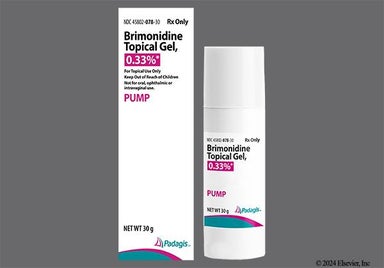
| 30g of 0.33% | 1 pump | $167.75 | $167.75 |

Although certain medicines should not be used together at all, in other cases two different medicines may be used together even if an interaction might occur. In these cases, your doctor may want to change the dose, or other precautions may be necessary. When you are taking this medicine, it is especially important that your healthcare professional know if you are taking any of the medicines listed below. The following interactions have been selected on the basis of their potential significance and are not necessarily all-inclusive.
Using this medicine with any of the following medicines is usually not recommended, but may be required in some cases. If both medicines are prescribed together, your doctor may change the dose or how often you use one or both of the medicines.


Prescription savings
Stop paying too much for your prescriptions. Compare prices, get pharmacy coupons, and save up to 80%.Resources
About GoodRx
 Find expert answers to your health questions so you can make the best decisions for yourself and your family.
Health conditions
Medications & treatment
Access & affordability
Well-being
Medication discounts

In one study, up to 31% of people using Mirvaso had clearer skin after 29 days of daily treatment, compared to 11% of those using a placebo gel. But, some people noticed improvement right after starting Mirvaso. Discuss with your prescriber if you have questions about how well this medication might work for you.
In clinical studies, some people noticed improvement in their skin as early as 30 minutes after using the medication. The effects of the medication typically last for up to 12 hours. Talk to your prescriber if you have concerns with how quickly this medication will work for you.
Mirvaso can sometimes cause rebound erythema, where facial redness gets worse after using the medication. This usually goes away after stopping the treatment. If your skin looks worse after using Mirvaso, contact your prescriber, as you might need to stop using it.
No. Mirvaso is an alpha-2 agonist that causes narrowing of the blood vessels under the skin to lessen facial redness. Steroids aren't typically used in rosacea treatment.
No, store Mirvaso should be stored at room temperature.
Mirvaso and Rhofade (oxymetazoline) are once-daily topical treatments for rosacea-related facial redness. They work similarly by narrowing blood vessels but target different receptors, leading to different side effects. Mirvaso is a gel, and Rhofade is a cream. Since they haven't been directly compared, it's unclear if one works better. Consult your dermatologist if you have questions about these medications.
If you're pregnant or breastfeeding, talk to your obstetrician-gynecologist (OB-GYN) before using Mirvaso. There aren't human studies looking at the safety of this treatment during pregnancy or breastfeeding. Your prescriber will discuss the risks and benefits of taking Mirvaso during this time.
