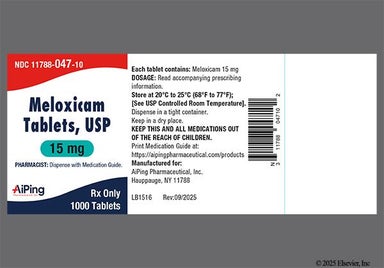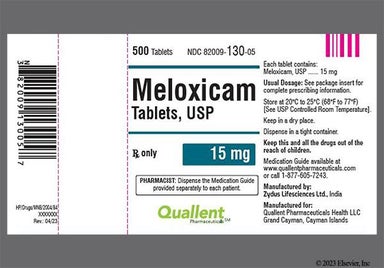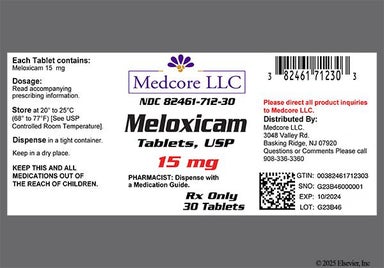
Meloxicam Coupon - Meloxicam 15mg tablet

meloxicam

Generic Mobic
Used for Osteoarthritis, Rheumatoid Arthritis

Meloxicam is a prescription non-steroidal anti-inflammatory drug (NSAID). It's used for different types of arthritis pain. It comes as capsules, tablets and a liquid. All forms are for adults, but some are also for children of certain age and weight. Meloxicam is taken by mouth once a day. The dosage depends on your arthritis type, the form of meloxicam you're using, and age and weight for children. Common side effects include diarrhea, joint pain, and stomach upset. Like all NSAIDs, it can raise the risk of stomach bleeds. Meloxicam is a generic medication; its brand name Mobic is no longer available.

Reviewed by:Last reviewed on February 5, 2026
basics-icon

What is Meloxicam?

Featuring Nabila Ismail, PharmDReviewed by Daisy Chau, PharmD | July 22, 2022

What is Meloxicam used for?

How Meloxicam works

Meloxicam is a non-steroidal anti-inflammatory drug (NSAID). It works by blocking proteins in the body called cyclooxygenase (COX). In particular, it can block the COX-2 protein more than COX-1. These proteins play a role in causing inflammation from arthritis.

By blocking COX, meloxicam helps relieve pain, swelling, stiffness, and other arthritis symptoms.

When does Meloxicam start working?Time passed since treatment started:
HOURS
DAYS
Initial effect
WEEKS
Full effect
MONTHS

Drug facts

Common BrandsMobic(brand name no longer available)
Drug ClassNSAID
Controlled Substance ClassificationNot a controlled medication
Generic StatusLower-cost generic available
AvailabilityPrescription only
side-effects-icon

Side effects of Meloxicam

The following side effects may get better over time as your body gets used to the medication. Let your healthcare provider know immediately if you continue to experience these symptoms or if they worsen over time.

Common Side Effects

  • Headache
  • Diarrhea
  • Indigestion
  • Nausea
  • Stomach pain
  • Joint pain
  • Flu-like symptoms

Less Common Side Effects

Meloxicam serious side effects

Contact your healthcare provider immediately if you experience any of the following.

  • Stomach ulcer: gnawing pain in the stomach, acid reflux, feel full quickly
  • Stomach bleeding: feeling faint, vomiting blood, bloody or dark stools, severe stomach pain or discomfort
  • Heart attack: chest pain or tightness; pain that spreads up to your shoulder, arm, neck, or jaw; cold sweat; nausea
  • Stroke: sudden confusion, trouble breathing, weakness in one part of your body or face, slurred speech, severe headache
  • Heart failure: trouble breathing, swelling, sudden weight gain, tiredness, dizziness, fast heartbeat
  • Liver problems: swelling of your stomach, yellowing of your skin or the whites of your eyes, confusion, dark or brown urine
  • Kidney problems: tiredness, dry and itchy skin, low appetite, urinating less than usual, foamy or bloody urine, muscle cramps
  • Serious allergic reaction: hives, rash, blisters, swelling of the lips or tongue, trouble breathing
  • Serious skin reaction: skin reddening, blisters, rash, peeling skin
When do Meloxicam possible side effects begin and end?
Time passed since treatment started:
H
D
W
M
Diarrhea
Stomach upset
Swelling in legs or ankles
Risk of stomach bleeding or ulcers
Seek immediate medical care if you experience this side effect.
If a line continues to the right, you'll likely keep experiencing this side effect once it starts.

Source: DailyMed

The following Meloxicam side effects have also been reported

Side effects that you should report to your care team as soon as possible:

  • Allergic reactions—skin rash, itching, hives, swelling of the face, lips, tongue, or throat
  • Bleeding—bloody or black, tar-like stools, vomiting blood or brown material that looks like coffee grounds, red or dark brown urine, small red or purple spots on skin, unusual bruising or bleeding
  • Heart attackpain or tightness in the chest, shoulders, arms, or jaw, nausea, shortness of breath, cold or clammy skin, feeling faint or lightheaded
  • Heart failure—shortness of breath, swelling of the ankles, feet, or hands, sudden weight gain, unusual weakness or fatigue
  • Increase in blood pressure
  • Kidney injury—decrease in the amount of urine, swelling of the ankles, hands, or feet
  • Liver injury—right upper belly pain, loss of appetite, nausea, light-colored stool, dark yellow or brown urine, yellowing skin or eyes, unusual weakness or fatigue
  • Rash, fever, and swollen lymph nodes
  • Redness, blistering, peeling, or loosening of the skin, including inside the mouth
  • Round red or dark patches on the skin that may itch, burn, and blister
  • Stroke—sudden numbness or weakness of the face, arm, or leg, trouble speaking, confusion, trouble walking, loss of balance or coordination, dizziness, severe headache, change in vision

Side effects that usually do not require medical attention (report these to your care team if they continue or are bothersome):

prices-container

Get your GoodRx coupon

Avg retail price
$29.03(Save 70.31%)
GoodRx discount
$8.62
See prices
pros-and-cons-icon

Pros and cons of Meloxicam

Pros

Cons

  • Available by prescription only
  • Might not be the best option for older adults or people with kidney, heart, liver, or bleeding problems
  • Can't switch easily between capsules, tablets, and liquid (can't be substituted for one another)
pharmacist-tips-icon

Pharmacist tips for Meloxicam

pharmacist
  • Take meloxicam once a day at any time of day. But once you find a good time for you, try to stick to the same time each day. This helps the medication levels stay stable in the body.
  • You can take meloxicam with or without food. But it's best to take it with food or milk to prevent having upset stomach, which can be a common side effect.
  • It's not recommended to drink alcohol while taking meloxicam. This combination can raise the risk of stomach ulcers and stomach bleeding. Talk to your prescriber about your drinking habits. They can discuss with you how much alcohol, if any, is safe to drink and how to take meloxicam safely.
  • It's recommended to take meloxicam at the lowest possible dose for the shortest time needed to help your arthritis. This is because it can raise the risk of serious problems, like stomach bleeding, heart attack, or stroke. Follow up with your prescriber about how well the medication is working for you.
  • It might take a few weeks of taking meloxicam regularly before you feel more noticeable pain relief. Talk to your prescriber if you don't feel any symptom relief after taking this medication after a few weeks. They might need to change your dose or treatment plan.
  • Ask your prescriber if you want to switch to the capsule, tablet, or liquid form of meloxicam. They might not be equal to each other on a milligram-by-milligram basis. If switching is the right choice for you, your prescriber can help you do this safely.
  • Tell your prescriber and pharmacist about all the medications you take. Also don't start new medications without talking to them first. Meloxicam can interact with many medications. For example, it can make some blood pressure medications not work as well. Also, taking meloxicam with blood thinners can raise your bleeding risk. Your care team can make sure your medications are safe to take together.
  • Talk to a healthcare professional before taking meloxicam with other NSAIDs, like ibuprofen (Advil) or aspirin. Taking more than one NSAID at the same time can raise the risk of serious problems, like stomach bleeding. NSAIDs are found in many over-the-counter pain and cold medications. Ask a healthcare professional if you're not sure whether a medication you take contains an NSAID.

More tips for the meloxicam oral liquid:

  • Shake the bottle of liquid meloxicam gently before using. This helps make sure you mix the medication well before measuring it out.
  • Use a medication dose cup or an oral syringe to measure out the liquid meloxicam. Ask your pharmacy for extras if needed. Don't use household spoons because they might not be accurate and might cause you to take the wrong dose.
  • Keep the bottle of liquid meloxicam tightly closed at room temperature (up to 86ºF). It's good until the expiration date on the bottle.
warnings-icon

Risks and warnings for Meloxicam

Meloxicam can cause some serious health issues. This risk may be even higher for certain groups. If this worries you, talk to your doctor or pharmacist about other options.

Risk of stomach ulcers and stomach bleeding

  • Risk factors: Older adults | History of peptic ulcer disease | History of stomach bleeding | Bleeding problems | Liver problems | Taking other medications that raise your risk of bleeds | Taking meloxicam for a long time | Drinking alcohol | Smoking

Warning Icon Meloxicam can raise your risk of stomach problems. This can include stomach inflammation, stomach ulcers (sores), and stomach bleeding. These problems can happen any time while taking this medication. They can be serious and sometimes life-threatening and need treatment right away.

Tell your prescriber and pharmacist about your health conditions. Also tell them about all the medications you take. They can check your risk for stomach ulcers and stomach bleeding from meloxicam.

Let your care team know if you feel gnawing pain in the stomach, have acid reflux, or feel full quickly. These can be signs of a stomach ulcer.

People who have stomach bleeds often don't have any symptoms since the bleed can happen over time. But get medical help right away if you feel faint, have severe stomach pain that doesn't go away, vomit blood, or have bloody or dark stools. These can be signs of stomach bleeding.

Risk of heart attack and stroke

  • Risk factors: History of heart problems | Having risk factors for heart problems | Recent heart attack | Taking high doses of meloxicam | Taking meloxicam for a long time | Recent or planned heart surgery

Warning Icon Meloxicam might raise your risk of having blood clots. Some blood clots can lead to a serious heart attack or stroke.

If you have heart problems, including a recent heart attack, talk to your prescriber. Also tell them if you've had a recent heart surgery or will have one soon. This is because your risk of serious problems is much higher right after surgery. Your prescriber can make sure meloxicam is safe for you.

To lower your risk, take the lowest dose of meloxicam for the shortest time needed. Call 911 if you have signs of a heart attack. Look out for chest pain that spreads to your arm or neck, shortness of breath, or sweating. Also, get medical help right away if you have a severe headache, weakness on one side of your body, a droopy face, or trouble speaking or walking. These can be signs of a stroke.

High blood pressure

Meloxicam can raise your blood pressure. Tell your prescriber if you have high blood pressure. Also let them know if you take any blood pressure medications. This is because meloxicam might make them work less well. Your prescriber can make sure meloxicam is right for you.

While taking meloxicam, check your blood pressure regularly at home. Let your primary care provider know if your blood pressure stays higher than usual.

Swelling and risk of heart failure

  • Risk factors: Heart problems

Meloxicam can cause your body to hold onto extra fluid. This can cause swelling in your legs or feet. Too much fluid buildup in the body can also put you at risk of heart failure.

Tell your prescriber if you have heart problems or heart failure. People with severe heart failure should only take meloxicam if the benefits are greater than the risks. Also let your prescriber know if you take any medications for your heart. Meloxicam can affect how well they work. Your prescriber can make sure meloxicam is safe for you.

Let your care team know if you notice swelling in your legs or ankles. Watch for other signs of heart failure like shortness of breath, chest pain with physical activity, sudden weight gain, and tiredness.

Liver problems

  • Risk factors: History of liver problems

Although rare, some people taking NSAIDs like meloxicam can have higher liver enzyme levels. This can be a sign of liver damage. Liver damage has rarely led to serious problems like liver failure.

Get medical help right away if you notice swelling of your stomach or pain in the upper right side of your stomach. Also get help if you have yellowing of your skin or eyes, changes in your stool (black, tarry, or bloody stools), dark urine, nausea, or tiredness. These can be signs of liver damage.

Kidney damage

  • Risk factors: Older adults | Kidney problems | Liver problems | Heart failure | Loss of body fluid through conditions such as severe vomiting, bleeding, or diarrhea | Taking diuretics (water pills) | Taking other medications that can harm the kidneys

NSAIDs like meloxicam can slow blood flow to the kidneys. This can damage your kidneys if you take the medication for a long time. In most cases, kidney problems get better after stopping meloxicam.

Before starting meloxicam, tell your prescriber about your health conditions, especially kidney problems. This medication isn't recommended for people with severe kidney problems unless the benefits are greater than the risks. Also tell your prescriber if you take other medications that can harm the kidneys, like certain diuretics (water pills). Your prescriber can check your risk for kidney issues and make sure meloxicam is safe for you.

If you're at risk of kidney damage, your prescriber might check your kidney health with blood tests. Call your care team if you notice a change in how often you urinate after starting meloxicam . Also let them know if you start feeling very tired or having muscle cramps. These can be signs of kidney damage.

High potassium levels

  • Risk factors: Kidney problems

Some people taking NSAIDs like meloxicam have had high potassium levels. This has happened in both people with or without kidney problems.

Look out for signs of high potassium levels. This can include nausea, muscle weakness, or tingling or numbness. If these symptoms happen while taking meloxicam, tell your care team. They can check your potassium levels. It's important to address high potassium levels because it can be dangerous.

Risk of general bleeding and anemia

  • Risk factors: Taking with blood thinners, like aspirin or warfarin | Blood-clotting problems

NSAIDs like meloxicam can raise your risk of bleeding. Be careful if you also take other medications that raise bleeding risk, such as blood thinners. Tell your care team if you notice easy bruising or bleeding that takes longer to stop while taking meloxicam.

Some people can also have anemia (low red blood cell count) while taking NSAIDs. Let your care team know if you feel very weak, dizzy, or short of breath or have skin that's paler than usual. These could be signs of anemia, and your care team can check to make sure everything is okay.

Severe allergic reactions and skin reactions

  • Risk factors: Allergy to NSAIDs | Allergy to aspirin | Aspirin-sensitive asthma

It's possible to have a severe allergic reaction to meloxicam. These can include swelling of the face or anaphylaxis, which can be life-threatening. It can also include drug reaction with eosinophilia and systemic symptoms (DRESS), which can happen with or without a rash. If you're allergic to aspirin or other NSAIDs, talk to your prescriber before taking meloxicam. This is because you could also have an allergic reaction to meloxicam.

In rare cases, meloxicam can also cause severe skin reactions. These reactions can cause rash, blisters, or peeling skin.

Get medical help right away if you have a rash, swollen lips or tongue, swollen face, or trouble breathing after taking meloxicam. Also stop taking the medication and call 911 right away if you have any unusual skin changes.

Worsening asthma in certain people

  • Risk factors: Asthma, including aspirin-sensitive asthma | Asthma with rhinitis (runny or stuffy nose), with nasal polyps | Allergic to aspirin or other NSAIDs

If you have asthma, let your prescriber know. Also tell them if you're allergic to aspirin or other NSAIDs. Your prescriber can make sure meloxicam is safe for you. Some people with these conditions have had severe asthma attacks while taking NSAIDs. Get medical help right away if your throat tightens and you can't breathe while taking meloxicam.

Harm to an unborn baby

Meloxicam can cause harm to an unborn baby, especially if taken during the second half of pregnancy (after week 20). It can raise the risk of serious health issues, like heart or kidney problems in your unborn baby.

If you're pregnant, talk to your prescriber or obstetrician-gynecologist (OB-GYN) about the risks and benefits of taking meloxicam. Ask if there are other safer options for you.

dosage-icon

Meloxicam dosage

The average cost for 30 tablets of 15mg of Meloxicam is $8.62 with a free GoodRx coupon. This is 70.31% off the average retail price of $29.03.
bottle of oral suspensionBottle of oral suspension
DosageQuantityPrice as low asPrice per unit
100ml of 7.5mg/5ml1 bottle$55.49$55.49
capsuleCapsule
DosageQuantityPrice as low asPrice per unit
5mg30 capsules$212.90$7.10
10mg30 capsules$212.90$7.10
tabletTablet
DosageQuantityPrice as low asPrice per unit
7.5mg30 tablets$9.35$0.31
15mg30 tablets$8.62$0.29

Typical dosage for Meloxicam

The dose depends on your arthritis type and the form of meloxicam you have. For children, it also depends on age and weight. The prescriber will choose the right dose for you based on your needs.

  • Meloxicam capsules

    • Osteoarthritis: The typical starting dose is 5 mg by mouth once daily. The maximum dose is 10 mg per day.
  • Meloxicam tablets

    • Osteoarthritis or rheumatoid arthritis: The typical dose is 7.5 mg by mouth once daily. The maximum dose is 15 mg per day.
    • Juvenile rheumatoid arthritis (for children weighing at least 60 kg or 132 lbs): The typical dose is 7.5 mg by mouth once daily. This is also the maximum daily dose.
  • Meloxicam liquid suspension

    • Each 5 mL of liquid contains 7.5 mg of meloxicam.
    • Osteoarthritis or rheumatoid arthritis: The typical dose is 7.5 mg by mouth once daily. The maximum dose is 15 mg per day.
    • Juvenile rheumatoid arthritis (for children 2 years and older): The prescriber will find the right dose based on your child's body weight. The typical dose is 0.125 mg/kg by mouth once daily. The maximum dose is 7.5 mg daily.

Your dose might differ if you have kidney problems.

cost-icon

How much does Meloxicam cost?

To access savings, use a GoodRx coupon and pay just a fraction of the retail price.
contraindications-icon

Meloxicam contraindications

Contraindications are specific health conditions or situations in which a person should not take a medication due to safety concerns. If you have any of the following conditions or if any of the following apply to you, let your healthcare provider know because Meloxicam will not be safe for you to take.

alternatives-icon

What are alternatives to Meloxicam?

There are a number of medications that your doctor can prescribe in place of Meloxicam. Compare a few possible alternatives below.
Meloxicam
Used for:
$8.62Lowest GoodRx priceView prices
Used for:
$11.42Lowest GoodRx priceView prices
latest-news-icon

News about Meloxicam

images-icon

Meloxicam images

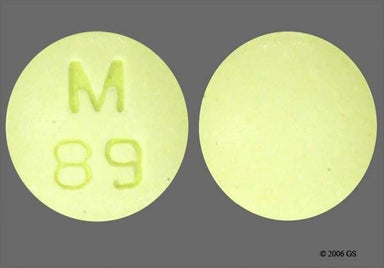
Yellow Round M 89 - Meloxicam 15mg Tablet
This medicine is Yellow, Round Tablet Imprinted With "M 89".Yellow Round M 89 - Meloxicam 15mg Tablet
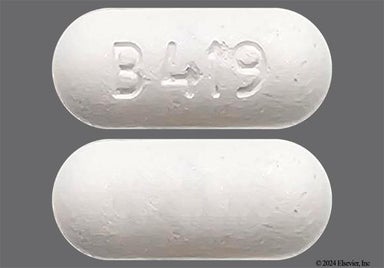
Yellow Oblong B419 - Meloxicam 15mg Tablet
This medicine is Yellow, Oblong Tablet Imprinted With "B419".Yellow Oblong B419 - Meloxicam 15mg Tablet
Yellow Oblong B419 - Meloxicam 15mg Tablet
This medicine is Yellow, Oblong Tablet Imprinted With "B419".Yellow Oblong B419 - Meloxicam 15mg Tablet
Yellow Oblong B419 - Meloxicam 15mg Tablet
This medicine is Yellow, Oblong Tablet Imprinted With "B419".Yellow Oblong B419 - Meloxicam 15mg Tablet
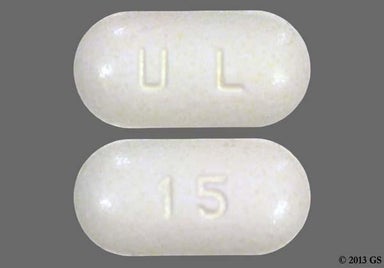
Yellow Oblong U L And 15 - Meloxicam 15mg Tablet
This medicine is Yellow, Oblong Tablet Imprinted With "U L" And "15".Yellow Oblong U L And 15 - Meloxicam 15mg Tablet
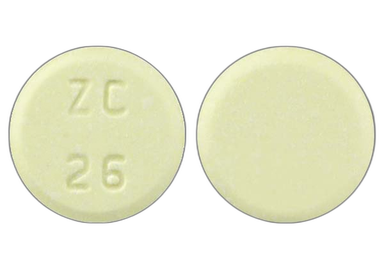
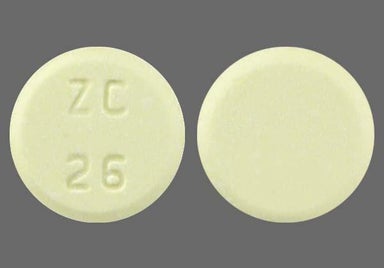
Yellow Round Zc 26 - Meloxicam 15mg Tablet
This medicine is Yellow, Round Tablet Imprinted With "Zc 26".Yellow Round Zc 26 - Meloxicam 15mg Tablet
Yellow Oblong B419 - Meloxicam 15mg Tablet
This medicine is Yellow, Oblong Tablet Imprinted With "B419".Yellow Oblong B419 - Meloxicam 15mg Tablet
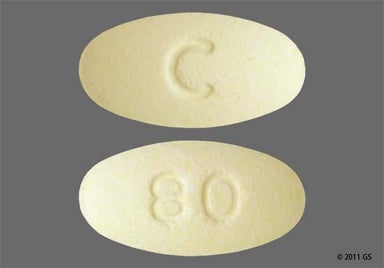
Yellow Oblong 80 And C - Meloxicam 15mg Tablet
This medicine is Yellow, Oblong Tablet Imprinted With "80" And "C".Yellow Oblong 80 And C - Meloxicam 15mg Tablet
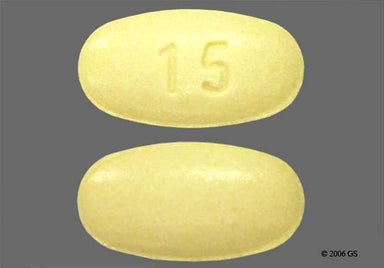
Yellow Oval 15 - Meloxicam 15mg Tablet
This medicine is Yellow, Oval Tablet Imprinted With "15".Yellow Oval 15 - Meloxicam 15mg Tablet
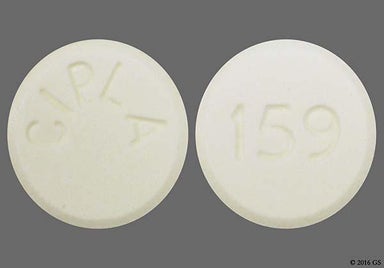
Yellow Round Cipla And 159 - Meloxicam 15mg Tablet
This medicine is Yellow, Round Tablet Imprinted With "Cipla" And "159".Yellow Round Cipla And 159 - Meloxicam 15mg Tablet
Yellow Round Zc 26 - Meloxicam 15mg Tablet
This medicine is Yellow, Round Tablet Imprinted With "Zc 26".Yellow Round Zc 26 - Meloxicam 15mg Tablet
Yellow Oblong B419 - Meloxicam 15mg Tablet
This medicine is Yellow, Oblong Tablet Imprinted With "B419".Yellow Oblong B419 - Meloxicam 15mg Tablet

References

Best studies we found

American Academy of Allergy, Asthma, & Immunology. (2025). Aspirin-exacerbated respiratory disease (AERD).

Arthritis Foundation. (n.d.). Juvenile idiopathic arthritis (JIA).

Drugs and Lactation Database (LactMed). (2025). Meloxicam. National Institute of Child Health and Human Development.

GoodRx Health has strict sourcing policies and relies on primary sources such as medical organizations, governmental agencies, academic institutions, and peer-reviewed scientific journals. Learn more about how we ensure our content is accurate, thorough, and unbiased by reading our editorial guidelines.