


What Is Swimmer’s Ear? Causes, Symptoms, and Treatment
Learn everything you need to know about swimmer’s ear. Plus, get tips on prevention, quick relief, and effective treatments for swimmer’s ear.
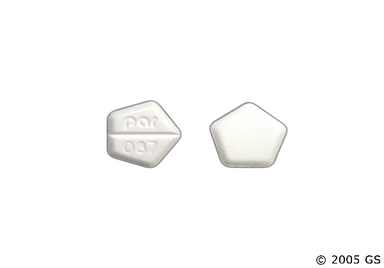
Dexamethasone (Maxidex) is an eye drop that helps treat eye inflammation, swelling, and irritation. The generic formulation of the medication can also be used in the ear for ear inflammation.

Dexamethasone (Maxidex) is a corticosteroid medication. When it's applied directly into your eyes, it lowers inflammation to help treat eye itching, swelling, pain, and redness. Similarly, when it's applied directly into your ear, the medication lowers ear pain, swelling, and redness.
| Common Brands | Maxidex |
|---|---|
| Drug Class | Corticosteroid |
| Controlled Substance Classification | Not a controlled medication |
| Generic Status | Lower-cost generic available |
| Availability | Prescription only |

The following side effects may get better over time as your body gets used to the medication. Let your healthcare provider know immediately if you continue to experience these symptoms or if they worsen over time.
When used for eye inflammation:
When used for eye inflammation:
Contact your healthcare provider immediately if you experience any of the following.
Along with its needed effects, a medicine may cause some unwanted effects. Although not all of these side effects may occur, if they do occur they may need medical attention.
Check with your doctor immediately if any of the following side effects occur:
More common
Aggression
agitation
blurred vision
decrease in the amount of urine
dizziness
fast, slow, pounding, or irregular heartbeat or pulse
headache
irritability
mental depression
mood changes
nervousness
noisy, rattling breathing
numbness or tingling in the arms or legs
pounding in the ears
swelling of the fingers, hands, feet, or lower legs
trouble thinking, speaking, or walking
troubled breathing at rest
Incidence not known
Abdominal or stomach cramping and/or burning (severe) or pain
backache
bloody, black, or tarry stools
cough or hoarseness
darkening of the skin
decrease in height
decreased vision
eye tearing
facial hair growth in females
fainting
fever or chills
flushed, dry skin
fractures
fruit-like breath odor
full or round face, neck, or trunk
heartburn and/or indigestion (severe and continuous)
increased hunger
increased thirst
increased urination
loss of appetite
loss of sexual desire or ability
lower back or side pain
menstrual irregularities
muscle pain or tenderness
muscle wasting or weakness
pain in the back, ribs, arms, or legs
painful or difficult urination
skin rash
sweating
trouble healing
trouble sleeping
unexplained weight loss
unusual tiredness or weakness
vision changes
vomiting
vomiting of material that looks like coffee grounds
Some side effects may occur that usually do not need medical attention. These side effects may go away during treatment as your body adjusts to the medicine. Also, your health care professional may be able to tell you about ways to prevent or reduce some of these side effects. Check with your health care professional if any of the following side effects continue or are bothersome or if you have any questions about them:
More common
Increased appetite
Incidence not known
Abnormal fat deposits on the face, neck, and trunk
dry scalp
lightening of normal skin color
red face
reddish purple lines on the arms, face, legs, trunk, or groin
swelling of the stomach area
thinning of the scalp hair
Other side effects not listed may also occur in some patients. If you notice any other effects, check with your healthcare professional.
Call your doctor for medical advice about side effects. You may report side effects to the FDA at 1-800-FDA-1088.




Dexamethasone (Maxidex) can cause some serious health issues. This risk may be even higher for certain groups. If this worries you, talk to your doctor or pharmacist about other options.
Long-term use of dexamethasone (Maxidex) raises your risk of glaucoma, vision problems, and thinning of the cornea (outer layer of your eye). It can also cause new or worsening eye infections. Don't take this medication if you have an eye infection, including herpes simplex. If you've had recent surgery in your cornea, using dexamethasone (Maxidex) can slow the healing process. If you need to take dexamethasone (Maxidex) for a long time (10 days or longer), you'll need regular eye exams to check the health of your eyes. Let your provider know if you have vision changes or eye pain while using this medication.
Dexamethasone (Maxidex) contains a preservative called benzalkonium chloride. This preservative can get absorbed into soft contact lenses and damage them. If your provider said you can wear contact lenses during treatment, take them out before you use the eye drops. Wait at least 15 minutes after using the medication to put them back into your eye(s).
Generic dexamethasone 0.1% solution contains sulfites. Tell your provider about all of your allergies before starting this medication. If you experience hives, trouble breathing, or swelling in your eyes, face, tongue, or throat, get medical help right away.

 Eye dropper
| Dosage | Quantity | Price as low as | Price per unit |
|---|---|---|---|
| 5ml of 0.1% | 1 eye dropper | $28.01 | $28.01 |
Eye inflammation
Ear inflammation

Although certain medicines should not be used together at all, in other cases two different medicines may be used together even if an interaction might occur. In these cases, your doctor may want to change the dose, or other precautions may be necessary. When you are taking this medicine, it is especially important that your healthcare professional know if you are taking any of the medicines listed below. The following interactions have been selected on the basis of their potential significance and are not necessarily all-inclusive.
Using this medicine with any of the following medicines is not recommended. Your doctor may decide not to treat you with this medication or change some of the other medicines you take.
Using this medicine with any of the following medicines is usually not recommended, but may be required in some cases. If both medicines are prescribed together, your doctor may change the dose or how often you use one or both of the medicines.
Using this medicine with any of the following medicines may cause an increased risk of certain side effects, but using both drugs may be the best treatment for you. If both medicines are prescribed together, your doctor may change the dose or how often you use one or both of the medicines.


Contraindications are specific health conditions or situations in which a person should not take a medication due to safety concerns. If you have any of the following conditions or if any of the following apply to you, let your healthcare provider know because Dexamethasone (Maxidex) will not be safe for you to take.









Prescription savings
Stop paying too much for your prescriptions. Compare prices, get pharmacy coupons, and save up to 80%. Find expert answers to your health questions so you can make the best decisions for yourself and your family.
Health conditions
Medications & treatment
Access & affordability
 Our monthly healthcare membership can help you save thousands on your prescription costs.
Resources

Generic dexamethasone 0.1% solution is the only eye drop form of this medication that can be prescribed by your provider for ear inflammation. Some eye drops are safe to use in the ears because eye drop medications are specially made to account for the fact that the eyes are much more sensitive than ears. These eye drops can sometimes be used for the ears if cost or availability of ear drops is an issue. But ear drops should never be used in the eyes. This could cause irritation and discomfort.
The inflammation and pain in your eye should start to get better within 2 days of using Maxidex (dexamethasone 0.1% suspension). For generic dexamethasone 0.1% solution, you should notice improvement from a few days to several weeks, depending on how severe your eye condition is. If your symptoms don't get better, contact your provider to see if you should continue using this medication. If you need to use Maxidex for 10 days or longer, it's recommended to have the pressure in your eye (intraocular pressure) checked because long-term use of Maxidex can cause glaucoma, changes in vision, cataracts, and infections.
No. Maxidex should only be used as prescribed by your provider for treating inflammation problems in or around your eye. Don't use extra drops or leftover Maxidex to treat dry eyes. There are several over-the-counter treatment options for dry eyes, such as polyvinyl alcohol (Artificial Tears). Be sure to separate Maxidex from other eye drop medications by at least 5 minutes so that each medication gets absorbed into your eye.
There haven't been well-done studies looking at how Maxidex specifically affects pregnant or breastfeeding women and their babies. In animal studies, babies born to mothers given dexamethasone eye drops were harmed. But some human studies suggest corticosteroids might not be harmful to babies when used during pregnancy. Since the clinical evidence isn't really clear, make sure to talk to your provider if you're pregnant, thinking of getting pregnant, or breastfeeding before starting Maxidex. They can discuss with you about the risks and benefits of using Maxidex.
No. Maxidex isn't available over the counter. You'll need a prescription from your provider.
