



What Eye Drops Have Been Recalled? What to Know Before Buying or Using Artificial Tears
Eye drop recalls can happen due to contamination, adverse effects, and other reasons. Learn more about which eye drops have been recalled and why with GoodRx.

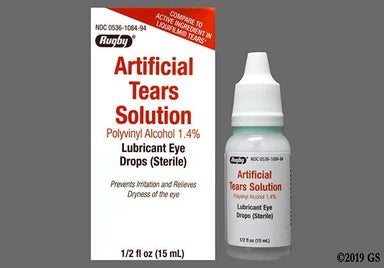
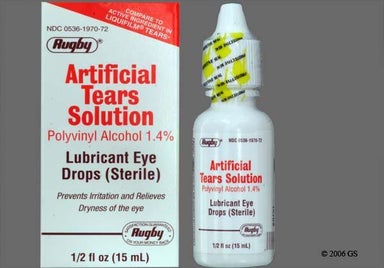
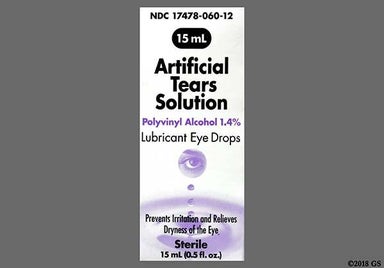
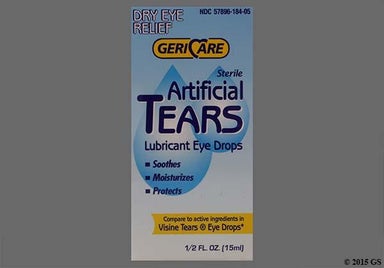
Artificial Tears are lubricating (moistening) eye drops that are commonly used to relieve irritated and dry eyes. There are many products available called "Artificial Tears," and they can come in different forms, such as eye drops, gel, or ointment. Different products can contain different active ingredients, such as polyvinyl alcohol and povidone. Some artificial tear drops also contain preservatives, while others are preservative free. Be sure to check the warning section on the product label because some shouldn't be used with contact lenses. Artificial Tears products are available over the counter.

Artificial Tears acts like real tears. When you place the drops into your eyes, they help protect and moisten (lubricate) your eyes to relieve dryness and irritation.
| Common Brands | Artificial Tears |
|---|---|
| Drug Class | Ophthalmic agent |
| Controlled Substance Classification | Not a controlled medication |
| Generic Status | Lower-cost generic available |
| Availability | Over-the-counter |

The following side effects may get better over time as your body gets used to the medication. Let your healthcare provider know immediately if you continue to experience these symptoms or if they worsen over time.
Side effects that you should report to your care team as soon as possible:
Side effects that usually do not require medical attention (report these to your care team if they continue or are bothersome):




Artificial Tears can cause some serious health issues. This risk may be even higher for certain groups. If this worries you, talk to your doctor or pharmacist about other options.
Artificial Tears should only be used on the eyes. Stop using the eye drops if you experience eye pain, changes in vision, or continued eye redness or irritation. If your condition worsens or doesn't go away after 3 days, stop using the eye drops and contact your provider.






Prescription savings
Stop paying too much for your prescriptions. Compare prices, get pharmacy coupons, and save up to 80%. Find expert answers to your health questions so you can make the best decisions for yourself and your family.
Health conditions
Medications & treatment
Access & affordability
Medication discounts

Many Artificial Tears products have instructions to remove contact lenses before using them. This is probably because of two reasons. For one, contacts might not allow the artificial tear drops to coat your eyes and work properly when they're still in your eyes. Second, many artificial tears contain preservatives (e.g., benzalkonium chloride) that can get absorbed by contact lenses and damage them. If you're having dry eye problems from your contact lenses, talk to your provider about rewetting eye drops that are specially made for use with contact lenses.
You might be able to use Artificial Tears after cataract surgery. But talk to your provider first, since they might recommend preservative-free eye drops or specific brands to use.
You can use Artificial Tears as needed for dry eye symptoms. But if you're using them more than 6 times per day, it's recommended to use preservative-free tears. This is because preservatives (chemicals that prevent bacteria from growing) can sometimes cause eye irritation and make your symptoms worse.
While Artificial Tears is used to add onto your naturally-produced tears to relieve eye dryness and irritation, you can overuse the eye drops. If you use the eye drops too much, they might end up washing away your eye's own natural tears. Most experts recommend to avoid using moistening eye products like Artificial Tears more than 4 times a day as needed.
Artificial Tears are generally safe to use for short periods of time. It's important to check the expiration date and don't use them after they've expired. Also, don't touch the tip of the dropper to your eyes, hands, or any surfaces to prevent contamination (spreading germs). Never share Artificial Tears with anyone else, since this could also spread germs and cause an infection. In addition, using Artificial Tears products that contain preservatives for a long time can cause eye irritation. If you find yourself using Artificial Tears very often or for a long period of time, talk to your provider about other ways to treat your dry eyes.
Artificial Tears can help relieve some symptoms of pink eye, such as dry eyes. Ask your provider if it's okay to use Artificial Tears if you or your child has pink eye. If you're using antibiotic or other eye drops, talk to your provider about how to space your treatments out so they work the best for you.
Different Artificial Tears products can have different active ingredients in them to help with dry eyes. Some of these active ingredients include polyvinyl alcohol and povidone, which help wet the eyes. In addition, there are several inactive ingredients in the eye drops that mimic the minerals found in your natural tears. Depending on the type of artificial tears you have, some contain preservatives that help the drops have a longer shelf life and can be used from the same bottle multiple times.
There might be certain situations when you might prefer using preservative-free Artificial Tears. Preservative-free eye drops are typically recommended for people who can't use drops with preservatives, need to use it more than 6 times a day, use multiple medicated eye drops in a day, or who've just had eye surgery. For some people, eye drops containing preservatives can cause eye irritation and eye damage, especially if used for a long time. For this reason, it might be more comfortable for some people to use preservative-free Artificial Tears. There can be other reasons why your provider might recommend you to use preservative-free Artificial Tears. Check with your provider if you're not sure whether preservative-free Artificial Tears is right for you.

