Key takeaways:
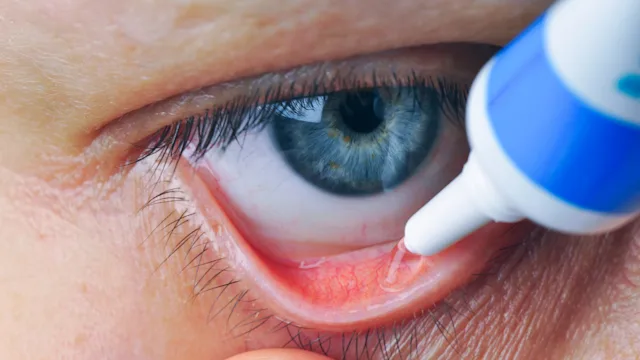
Artificial tears can be helpful for the temporary relief of pain, redness, and itchiness caused by dry eyes.
Talk to a healthcare professional before using artificial tears long term. They may want to assess you for underlying health conditions that may be causing your symptoms.
There are many different types of artificial tears, and each can have different directions on how to properly use them. Preservative-free artificial tears may be a safer choice if you’re using these eye drops long term.
Save on related medications
We may think of tears as the product of an emotional response to watching a sad movie. Or maybe the product of a chemical reaction while cutting up an onion. But tears are also an important part of keeping our eyes healthy and protected. Tears aren’t just water or saline; they contain proteins, fats, and electrolytes. They work hard to keep the eye lubricated, bacteria-free, and protected from foreign objects.
But for some people, their eyes don’t make enough tears. It’s estimated that 20 million people in the U.S. have chronic dry eye, also called dry eye syndrome or dry eye disease. In fact, the average American spends about $126 each year on over-the-counter (OTC) products to treat dry eye.
People with chronic dry eyes often turn to artificial tears because these drops can quickly relieve many of their symptoms. But how do artificial tears work? How long should you use them? And are preservative-free artificial tears safer than ones with preservatives?
Let’s take a deeper look into artificial tears and how best to use them to treat dry eyes.
How do artificial tears work?
Artificial tears try to mimic the same properties of your natural tears. Many ingredients can be included in OTC artificial tears. And they all work differently.
Artificial tears can help relieve dry eyes by:
Making tears thicker
Helping tears stay in your eyes longer
Preventing your tears from drying up as quickly
Lessening redness and swelling
Adding moisture to your eyes
Creating a protective film over the eye
Be aware that some OTC eye drops combine artificial tears with medications that treat other eye conditions, such as allergies. It’s important to read the OTC label on the eye drop package. This label lists each active ingredient, as well as what they do. The label also lists every inactive ingredient included in the eye drop, such as preservatives.
Artificial tears may contain just one or multiple active ingredients, but they’ll all be listed as a “lubricant” or “emollient (lubricant).” If you have questions about choosing an eye drop, ask an eye care specialist or pharmacist.

What it feels like: One woman shares her tips for managing dry eye, from sleep goggles to prescription eye drops.
What really works: There are many dry eye treatments available, and each has its pros and cons. Read about the best dry eye treatments and when one might be a better option than the others.
Natural remedies: Eye drops aren't the only option for managing dry eye. There are many at-home techniques you can try for relief, such as shampooing your eyelashes.
Are artificial tears intended to be used short- or long-term?
OTC artificial tears are meant to be used short-term. According to the FDA, OTC eye drops should only be used for up to 3 days before checking in with a healthcare professional. While it’s normal to have occasional dry eye symptoms, chronic dry eye should be evaluated. It may be caused by an underlying eye condition or need to be treated with prescription medication.
Artificial tears can provide temporary relief, but they don’t get to the root of what’s causing your dry eye symptoms. They also have the potential to cause problems if used too long or too much, as we’ll discuss below.
What risks are associated with long-term artificial tear use?
OTC artificial tears are generally considered safe when used as directed. And they’re often recommended as a first-choice treatment for chronic dry eye.
But there are still some risks to keep in mind:
Long-term use of eye drops with preservatives can cause eye damage (more on this next). It’s important to use those drops as directed. You should only use them long-term if a healthcare professional has told you to do so.
Overusing certain types of artificial tears can worsen dry eye symptoms. This can lead you to keep using more eye drops more frequently. It may also make you dependent on them to moisturize the eye.
Using artificial tears can mask underlying eye problems. More serious conditions, such as an eye infection, can have similar symptoms to dry eye. Artificial tears can provide temporary relief, but they don’t treat the problems causing the issues. More serious eye problems are best treated by an eye care specialist to help prevent them from getting worse.
Once a healthcare professional has evaluated your dry eye symptoms, they may still recommend long-term treatment with artificial tears. When using these eye drops long term, it’s recommended to choose preservative-free artificial tears.
Many eye drops contain preservatives to help prevent bacteria from growing inside the bottle after it’s been opened. The most common eye drop preservative is benzalkonium chloride (BAC or BAK). But with long-term use, preservatives can raise the risk of problems.
Are preservative-free artificial tears safer?
Over time, eye drops with preservatives can damage the eye and worsen dry eye symptoms. This is especially true when BAK is the preservative used. These problems are more common when eye drops with preservatives are used more often than recommended or for long periods of time.
Using preservative-free artificial tears lowers the risk of eye damage related to preservatives. They may be a better option if you’ve been told to use artificial tears several times a day or for a long time.
What does it mean when artificial tears are ‘preservative free’?
Preservative-free artificial tears don’t contain BAK or other chemicals to prevent bacterial growth. They often come in single-use vials with enough liquid for one dose. You should throw away each vial after you use it, even if you see liquid remaining inside.
Examples of popular preservative-free artificial tears include:
Refresh Optive Advanced (carboxymethylcellulose sodium 0.5% / glycerin 1% / polysorbate 80 0.5%)
Refresh Plus (carboxymethylcellulose sodium 0.5%)
Systane Complete PF (propylene glycol 0.6%)
TheraTears Lubricant (sodium carboxymethylcellulose 0.25%)
How long are artificial tears good for once they’re open?
There are several things to consider when talking about how long artificial tears are good for once they’ve been opened.
The first is the expiration date. The expiration date on the box or bottle is the date the drops are good for if they haven’t been opened. You should never use expired eye drops, even if they’re still sealed from the manufacturer.
Once artificial tears have been opened, how long you can use them depends on what type of drops they are.
Preservative-free artificial tears
As mentioned earlier, preservative-free artificial tears don’t contain chemicals to help prevent bacteria from growing once the drops have been opened. Preservative-free eye drops shouldn’t be used longer than 24 hours after a single-use vial has been opened. But it’s best to use them immediately after opening a vial.
Artificial tears with preservatives
Artificial tears with preservatives last longer once opened. The American Academy of Ophthalmology states that eye drops with preservatives should be OK to use up to the expiration date as long as they’re stored correctly. Places where frequent temperature changes may happen, such as a car or a purse, can affect how well preservatives work. If you’re unsure about the condition of your artificial tears, it’s a good idea to start over with a fresh bottle.
Keep in mind that each type of drop is different. Each may have different storage requirements, expiration dates, and lengths of time they can be used once opened. Detailed information will be included on the eye drop’s OTC label. You can also ask a healthcare professional for specifics on the eye drop you’re using.
Are there alternatives to artificial tears for people with chronic dry eyes?
One of the first steps in treating chronic dry eye is to understand what’s causing your eyes to dry out. Sometimes your environment plays a role.
Here are some tips to help treat and prevent dry eye without medication:
Avoid wind, smoke, or air conditioning blowing directly at your eyes.
Wear sunglasses that wrap around your head to avoid the sun drying out your eyes. This includes during the winter too. The sun can still dry out your eyes even when temperatures are low.
Drink plenty of water so your body can create high-quality tears.
Lower your amount of screen time or take frequent breaks from staring at your computer, television, or smartphone.
Get plenty of sleep so your eyes can rest and recover.
Try using a humidifier to create a moisture-rich indoor environment. This can be especially helpful during the winter.
Prescription eye drops for dry eye syndrome are a second-choice option. They may be prescribed when artificial tears aren’t working well enough. Xiidra (lifitegrast) and Restasis (cyclosporine) are two common options, but your prescriber can help find the right choice for you.
There are also other options, such as tear duct plugs or surgery. These may be considered when you’ve tried several dry eye treatments without success.
The bottom line
Artificial tears are a safe way to provide quick, temporary relief to dry eye. But you should check in with a healthcare professional if you need to use them for longer than a few days. Your eyes should be screened for underlying conditions to determine what type of treatment is best. If a healthcare professional recommends long-term use of these eye drops, it’s recommended to use preservative-free artificial tears.

Why trust our experts?




References
Akpek, E. K., et al. (2018). Dry eye syndrome preferred practice pattern. Ophthalmology.
American Academy of Ophthalmology. (2016). Facts about tears.
American Academy of Ophthalmology. (2021). How long can you use prescription eye drops after opening them?
Code of Federal Regulations. (2024). Part 349 — Ophthalmic drug products for over-the-counter human use.
College of Optometrists. (2024). Dry Eye (Keratoconjunctivitis Sicca, KCS).
DailyMed. (2022). Refresh optive advanced - carboxymethylcellulose sodium, glycerin, polysorbate 80 solution/ drops.
DailyMed. (2022). Refresh plus - carboxymethylcellulose sodium solution/ drops.
DailyMed. (2022). TheraTears lubricant - carboxymethylcellulose sodium solution/ drops.
DailyMed. (2023). Systane complete PF - propylene glycol emulsion.
Goldstein, M. H., et al. (2021). Ocular benzalkonium chloride exposure: Problems and solutions. Eye.
Kim, M., et al. (2021). Dry eye: Why artificial tears are not always the answer. BMJ Open Ophthalmology.
Labe, M., et al. (2022). Artificial tears: Biological role of their ingredients in the management of dry eye disease. International Journal of Molecular Sciences.
Larson, T. (2016). Artificial tears: A primer. The University of Iowa Department of Ophthalmology and Visual Sciences.
Merchel Piovesan Pereira, B., et al. (2019). Benzalkonium chlorides: Uses, regulatory status, and microbial resistance. Applied and Environmental Microbiology.
Moshirfar, M., et al. (2014). Artificial tears potpourri: A literature review. Clinical Ophthalmology.
National Eye Institute. (2020). Dry eye.
Walsh, K., et al. (2019). The use of preservatives in dry eye drops. Clinical Ophthalmology.
Weiner, G. (2019). Dry eye disease. EyeNet Magazine.