Key takeaways:
Swimmer’s ear (otitis externa) is a bacterial infection of the outer part of the ear that can lead to pain, redness, and difficulty hearing.
The best swimmer’s ear treatment is a topical ear drop — not oral antibiotics.
You can help lower your chances of getting swimmer’s ear by fully drying out your ears after they get wet. Also, avoid putting objects in your ears such as cotton swabs.
Save on related medications
Swimming can be tons of fun, and it’s great exercise, too. But, for some people, it comes with an added risk: pain and redness of the ear, a condition known as swimmer’s ear. About 1 in 10 people will experience swimmer’s ear at some point in their lives. Knowing how to prevent and treat this condition can help you enjoy the water without lasting ear pain.
What is swimmer’s ear (otitis externa)?
Swimmer’s ear (acute otitis externa) is an infection of the ear canal. The ear canal is the area from the outside opening of the ear to the eardrum. When that area develops inflammation and infection, it’s called swimmer’s ear.

What are the symptoms of swimmer’s ear?
Swimmer’s ear can appear in a variety of ways. Common swimmer’s ear symptoms include:
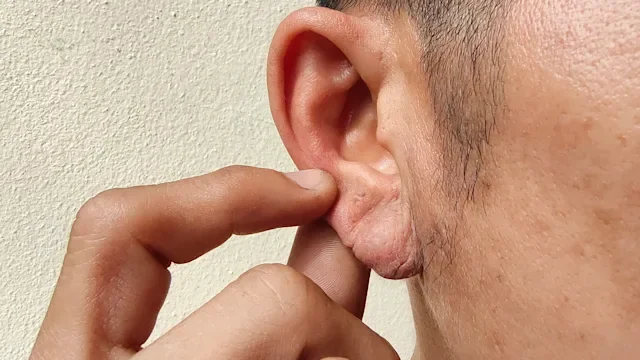
Pain (especially when tugging on the earlobe or pushing on the ear)
Redness
Itching
Dry, scaly skin in the ear canal
Drainage of clear fluid
Redness or swelling of the outer ear
Muffled or decreased hearing
What causes swimmer’s ear?
Swimmer’s ear is caused by bacteria that grow in the ear canal. Anything that causes water to remain in the ear canal makes it more likely that bacteria will grow. Swimming or spending time in a water-based play area (like a pool or waterpark) is one of the most common triggers, hence the name. However, swimming isn’t the only way to get it.
Swimmer’s ear is more likely to develop in humid environments and in people who:
Have narrow ear canals
Use hearing aids
Scratch inside their ears or use cotton swabs (Q-tips)
Have chronic dry skin, such as eczema or psoriasis
How is swimmer’s ear diagnosed?
To diagnose swimmer’s ear, a healthcare professional will perform a physical exam and ask you about your symptoms. They’ll look inside your ear to make sure you don’t have a middle ear infection.
They likely won’t take a sample culture (to identify the specific bacteria) unless you:
Have severe symptoms
Experience recurring ear infections
Have a weakened immune system
Had ear surgery recently
Didn’t respond to initial treatment of swimmer’s ear
Swimmer’s ear vs. middle ear infection
A swimmer’s ear infection involves the outer part of the ear (the ear canal). A typical ear infection, on the other hand, refers to inflammation that occurs internally, just behind the eardrum in the middle ear. Both types of ear infection involve ear pain. But there are some common ways in which they’re different.
A middle ear infection is more likely to:
Be triggered by a viral upper respiratory infection like a cold or the flu
Occur along with a fever
Cause pain that worsens when lying down
Need oral antibiotics to get better
Affect younger children

Read more like this
Explore these related articles, suggested for readers like you.




An external ear infection (such as swimmer’s ear) is more likely to:
Trigger pain when pulling on the outside part of the ear
Cause ear discharge
Happen after swimming
Cause visible redness and swelling to the outside part of the ear
Get better without oral antibiotics
What is the best swimmer’s ear treatment?
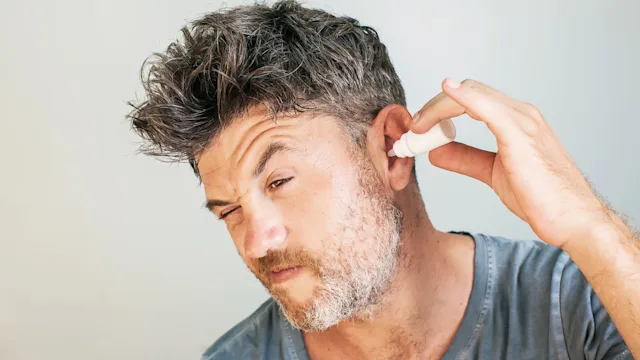
Fortunately, there’s a cure for swimmer’s ear. It’s not recommended to use oral antibiotics for treating a simple swimmer’s ear infection. Instead, treatments with ear drops applied directly to the ear canal are preferred. These seem to work best to treat swimmer’s ear. And they lead to fewer side effects.
Here are common ways to treat swimmer’s ear and self-care tips you can use at home to help manage your symptoms.
Use ear drops
You can use ear drops with the following ingredients to treat swimmer’s ear:
Antibiotics: ofloxacin (Floxin)
Antibiotics plus steroids: ciprofloxacin / dexamethasone (Ciprodex) or colistin / hydrocortisone / neomycin / thonzonium (Cortisporin)
Sterilizing ingredient: acetic acid
Take oral medications
Other medications that may be used to treat swimmer’s ear include:
Over-the-counter (OTC) pain medications: Some options of these are acetaminophen (Tylenol) or ibuprofen (Advil, Motrin).
Oral antibiotics: While oral antibiotics are less common for treating swimmer’s ear, it’s possible that a healthcare professional may still prescribe them. An example is if you have an underlying condition that makes you more prone to serious infections. Another is if it’s too difficult for you to use ear drops due to another medical problem. The oral antibiotics will prevent a more severe infection from developing.
Keep your ears dry
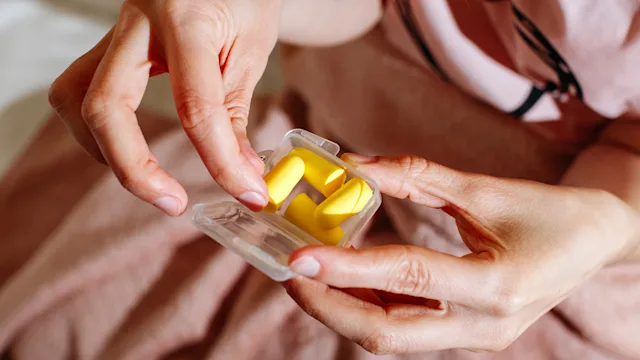
While treating swimmer’s ear, do your best to keep your ears dry. Avoid swimming for 7 to 10 days. If you can’t stay out of the water, consider using a bathing cap or well-fitting ear plugs to prevent water from getting in your ear. And pat dry your ears after you get wet.
Apply warm compresses for ear pain
Applying heat to your ear can provide relief. Try putting a heating pad or a warm compress around your ear for 10 to 15 minutes at a time. This can help relieve swelling and pain from swimmer’s ear.
Can swimmer’s ear go away on its own?
Sometimes swimmer’s ear can go away on its own. But this can take weeks.
Occasionally, untreated swimmer’s ear can lead to long-term scarring and hearing loss. In rare cases, it can lead to necrotizing otitis externa, a severe infection of the surrounding bones. This mostly occurs in people with a weakened immune system or older people with diabetes.
If you think you might have swimmer’s ear, you should contact a healthcare professional to confirm the diagnosis and get treatment.
How can you prevent swimmer’s ear?
There’s no guaranteed way to prevent external ear infections. But there are some steps you can take to lower your chances of developing one:
Wear a bathing cap or ear plugs when swimming.
Dry your ears well after swimming or showering.
Don’t try to remove earwax. Earwax helps prevent bacteria from growing.
Don’t put objects in your ears (including cotton swabs or your fingers).
Make sure your pool has been appropriately treated to prevent bacterial overgrowth.
Avoid swimming in freshwater lakes, if you’re prone to swimmer’s ear.
DIY method for preventing swimmer’s ear
If you’re prone to swimmer’s ear, it may help to dry out the ears after swimming or showering using OTC rubbing alcohol (70% isopropyl alcohol) or a homemade remedy. But talk with a healthcare professional first and make sure ear drops are safe for you to use.
Here’s how to prepare a homemade remedy:
Mix equal parts rubbing alcohol and vinegar.
Use an eyedropper to place about 5 mL in your ear.
Let it drain out.
Frequently asked questions
Getting swimmer’s ear from showering or taking a bath is rare. But anything that creates moisture in the ear canal can cause swimmer’s ear. So, it’s possible. If you often aggressively remove earwax or have eczema that irritates the skin on your outer ear canal, you may be more prone to developing swimmer’s ear from daily activities.
Some activities may make it more likely for you to get swimmer’s ear, including:
Swimming in freshwater lakes: This is often due to a bacteria called Pseudomonas aeruginosa that can be present in freshwater lakes.
Swimming in unclean pools: Improperly treated pools can let bacteria develop, leading to increased risk for infection.
Water sports: Spending more time in the water can raise your chances of developing swimmer’s ear. A typical example is water sports (such as water polo or competitive swimming).
It can be easy to mistake swimmer’s ear for other conditions since it causes a wide range of symptoms, from ear pain, redness, and itching to clear drainage, hearing changes, and dry or scaly skin. Conditions that may look or feel like swimmer’s ear include temporomandibular joint (TMJ) injuries, ear eczema or dermatitis, earwax buildup, and otitis media (middle ear infection).
Getting swimmer’s ear from showering or taking a bath is rare. But anything that creates moisture in the ear canal can cause swimmer’s ear. So, it’s possible. If you often aggressively remove earwax or have eczema that irritates the skin on your outer ear canal, you may be more prone to developing swimmer’s ear from daily activities.
Some activities may make it more likely for you to get swimmer’s ear, including:
Swimming in freshwater lakes: This is often due to a bacteria called Pseudomonas aeruginosa that can be present in freshwater lakes.
Swimming in unclean pools: Improperly treated pools can let bacteria develop, leading to increased risk for infection.
Water sports: Spending more time in the water can raise your chances of developing swimmer’s ear. A typical example is water sports (such as water polo or competitive swimming).
It can be easy to mistake swimmer’s ear for other conditions since it causes a wide range of symptoms, from ear pain, redness, and itching to clear drainage, hearing changes, and dry or scaly skin. Conditions that may look or feel like swimmer’s ear include temporomandibular joint (TMJ) injuries, ear eczema or dermatitis, earwax buildup, and otitis media (middle ear infection).
The bottom line
Swimmer’s ear (otitis externa) is a common and treatable infection of the external canal of the ear. You can lower your chances of developing it by keeping your ear dry, avoiding activities that irritate the skin lining the ear canal, and avoiding pools or lakes, which are more likely to be contaminated by bacteria. If you think you might have swimmer’s ear, contact a healthcare professional to confirm the diagnosis and get treatment. Ear drops can help you feel better faster.

Why trust our experts?



References
Centers for Disease Control and Prevention. (2025). Preventing swimmer’s ear.
Fick, D. (2017). Otitis externa: Get rid of swimmer's ear. University of Iowa Hospitals and Clinics.
Hajioff, D., et al. (2015). Otitis externa. BMJ Clinical Evidence.
Handzel, O., et al. (2003). Necrotizing (malignant) external otitis. American Family Physician.
Kaushik, V., et al. (2010). Interventions for acute otitis externa. The Cochrane Database of Systematic Reviews.
Kujundzić, M., et al. (2012). Water-related otitis externa. Collegium Antropologicum.
Llor, C., et al. (2014). Ordering and interpreting ear swabs in otitis externa. The BMJ.
Nationwide Children’s. (2019). Otitis externa (swimmer’s ear).
Rosenfeld, R. M., et al. (2014). Clinical practice guideline: Acute otitis externa (update). American Academy of Otolaryngology—Head and Neck Surgery.
Schaefer, P., et al. (2012). Acute otitis externa: An update. American Family Physician.
van Asperen, I. A., et al. (1995). Risk of otitis externa after swimming in recreational freshwater lakes containing pseudomonas aeruginosa. The BMJ.
Wiegand, S., et al. (2019). Otitis externa: Investigation and evidence-based treatment. Deutsches Ärzteblatt International.