Key takeaways:
Eczema in the ear canal is a common cause of itchy ears. It can be uncomfortable, but it isn’t usually dangerous.
Environmental triggers can cause ear eczema to flare up. Common triggers include earrings, ear pods, and shampoo.
There are different rashes that can look like ear eczema. A healthcare professional can help you find the cause of the rash in your ear.
Have you ever had an itch you couldn’t reach inside your ear? Eczema in the ear canal is a common skin condition that can lead to itching and flaking. It’s not a dangerous condition, but the itch can be hard to reach and treat. Knowing how it happens and what you can do about it can help you manage your next ear eczema flare-up.
What is ear eczema?
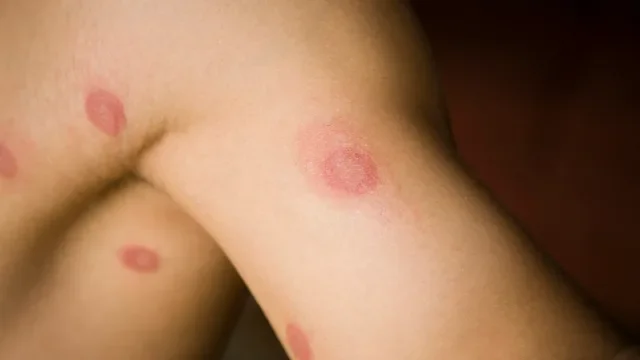
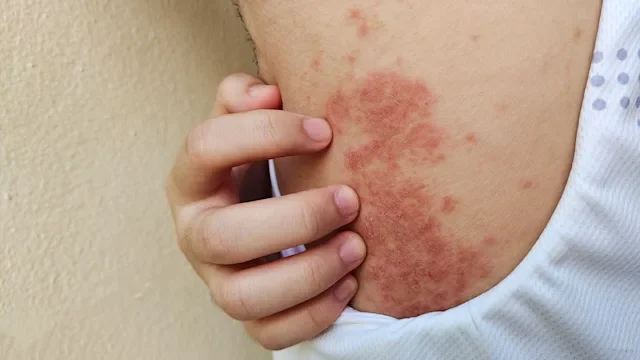
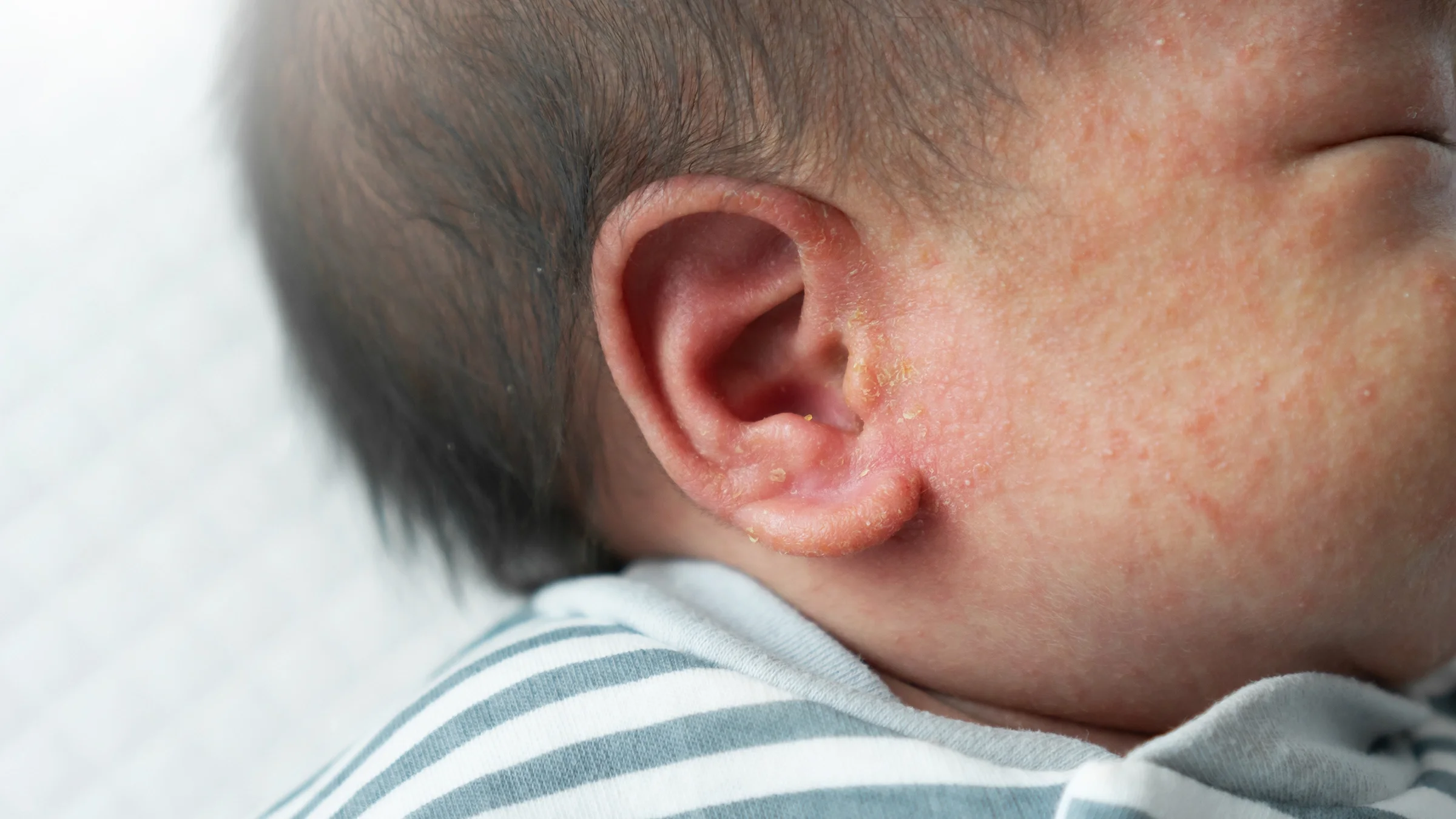
Eczema, or atopic dermatitis, is a chronic condition of the skin. It can happen anywhere on the skin, including in or on your ears. Eczema causes your skin to be itchy, red, flaky, and dry. In some cases, the skin can be bumpy and discolored. Over time, inflammation can cause the skin to thicken and become leathery.
Eczema happens in about 1 out of 10 adults worldwide. Eczema is much more common in children. It’s estimated that about 15% of children around the world have the condition.
What causes eczema in the ear canal?
There are a number of things that might cause eczema in the ear canal. One factor is a breakdown in the skin’s protective layers. When the skin’s defenses are down, it loses water more easily and doesn’t retain enough moisture. This can also allow irritants to get in the skin more easily.
Search and compare options
This breakdown can have genetic causes, or it can be triggered by your environment.
Environmental triggers for eczema include:
Stress
Contact with chemicals or other harsh irritants
Allergens
Clothes made from scratchy materials such as wool
Excessive washing of the skin
These factors can lead to skin dryness and inflammation, which can result in an eczema rash.
What are the symptoms of ear eczema?
The symptoms of ear eczema can be different for each person. The symptoms can also vary depending on how severe your eczema is. Here are a few common symptoms of ear eczema:
Red, itchy, flaky skin anywhere on the ear (including on the outer ear and ear lobe, inside your ear, or behind or in front of your ear)
Thick scale or bumps on the skin of the ear
Tender and broken or cracked skin
Bleeding from the skin of the ear
Itching
Skin weeping and pus
Hearing changes
Tinnitus (ringing in the ears)
How do you treat ear eczema?
Treatments for ear eczema are similar to those for eczema on other parts of the body. These include home remedies and prescription treatments that can be taken orally (by mouth) or safely applied with cotton swabs. Be careful not to insert cotton swabs too far inside the ear to prevent damaging the ear drum.
Home treatments for ear eczema
There are some steps you can take at home to prevent and relieve symptoms of ear eczema, such as:
Avoiding irritating products when cleaning the ears (like cotton swabs)
Avoiding common ear allergens (such as ear pods and nickel-containing earrings)
Using mild personal care products without many fragrances
Avoiding excessive scratching of your ears
Applying petroleum jelly (Vaseline) with a clean cotton swab to help protect the skin barrier
Drinking plenty of water to improve hydration and moisturization
Avoiding prolonged showers
Medication treatments for ear eczema
You can also use medications to treat your ear eczema, including:
Topical steroid creams (like hydrocortisone), which you can get over the counter (OTC) or by prescription
Topical prescription nonsteroidal creams (like pimecrolimus, tacrolimus)
OTC antihistamines (like cetirizine) to reduce itching
Systemic prescription treatments (like prednisone, dupilumab)
What are other causes of rashes in the ears?
A few other skin conditions can cause rashes in the ears. And they can sometimes look like ear eczema. Here are some other common rashes that can affect the ears.
Psoriasis
Psoriasis is a chronic skin condition caused by inflammation in the skin. It also commonly affects the ears. Psoriasis can look similar to eczema. But in the ears, psoriasis tends to cause much thicker red or brown patches. And the rash isn’t usually as itchy as eczema.
Seborrheic dermatitis
Seborrheic dermatitis is a rash commonly caused by an overgrowth of friendly yeast on the skin. It often happens on the scalp, the eyebrows, or the ears. Seborrheic dermatitis causes skin flaking, dryness, and itching. Severe cases can lead to thickening of the skin inside the ears and discoloration.
Allergic contact dermatitis
Allergic contact dermatitis is a rash caused by an allergy to something your skin came in contact with. It can happen anywhere on the body. In the ears, it’s commonly caused by:
Earrings
Ear pods
Shampoos
Hair dye
Allergic contact dermatitis can be diagnosed with an allergy test, called the patch test. A dermatologist or an allergist usually performs this test.
If you have a rash in your ears that’s not improving, it may be a good idea to get help from a healthcare professional.
Is ear eczema serious?
Ear eczema is usually not a serious problem. However, eczema tends to be chronic — which means there’s no cure for it. Eczema in the ears can cause embarrassment, and, in severe cases, it can affect your quality of life. If it’s scratched too much, eczema can also get a secondary bacterial infection, which may need treatment with antibiotics.
Treatments can be helpful in clearing your skin and reducing flare-ups. Because eczema is chronic, you’ll most likely need a long-term plan to keep your skin clear. This includes:
Moisturizing your skin consistently
Avoiding things that trigger your eczema
Getting regular treatment as needed
When to get care about ear eczema
Although ear eczema doesn’t pose a serious threat to your health in most cases, there are a few situations when you may want to get medical care. These include:
It’s not getting better with treatment.
You’re experiencing significant pain, or there’s yellow pus crusting or drainage.
You have a fever.
You’re not sure if it’s eczema or something else.
Frequently asked questions
If ear eczema isn’t treated, it could get worse and continue to itch. This could interfere with your daily activities and make it hard to concentrate or sleep. Scratching the rash could also break the skin and lead to skin infection.
A fragrance-free cream or emollient can be used to moisturize the ear canal. Keep in mind that you shouldn’t put any objects (like a cotton swab) into your ear.
Ear eczema usually doesn’t smell bad. If you notice an unpleasant smelling discharge from your ear, it could be a sign of an ear infection. And you should get it evaluated by a healthcare professional right away.
Ear eczema doesn’t spread to other parts of the body. But, if you have ear eczema, it’s possible that you could develop eczema on other parts of your body, too. Eczema can develop anywhere, but it’s most common on the:
Inside of the elbows
Neck
Behind the knees
If ear eczema isn’t treated, it could get worse and continue to itch. This could interfere with your daily activities and make it hard to concentrate or sleep. Scratching the rash could also break the skin and lead to skin infection.
A fragrance-free cream or emollient can be used to moisturize the ear canal. Keep in mind that you shouldn’t put any objects (like a cotton swab) into your ear.
Ear eczema usually doesn’t smell bad. If you notice an unpleasant smelling discharge from your ear, it could be a sign of an ear infection. And you should get it evaluated by a healthcare professional right away.
Ear eczema doesn’t spread to other parts of the body. But, if you have ear eczema, it’s possible that you could develop eczema on other parts of your body, too. Eczema can develop anywhere, but it’s most common on the:
Inside of the elbows
Neck
Behind the knees
The bottom line
Eczema is a chronic skin condition that can happen anywhere on the body, including inside the ears. Sometimes the symptoms of ear eczema can mimic other rashes. So if you have an ear rash, make sure to get medical attention. A healthcare professional can help diagnose your rash and develop a treatment plan.

Why trust our experts?




References
American Contact Dermatitis Society. (n.d.). Find a provider.
Jeong, S. S., et al. (2022). Otologic manifestations of psoriasis: A systematic review and meta-analysis. Otology & Neurology.
National Eczema Association. (n.d.). Eczema stats.
National Eczema Society. (n.d.). Ear eczema.
Proksch, E., et al. (2006). Skin barrier function, epidermal proliferation and differentiation in eczema. Journal of Dermatological Science.
Rastogi, S., et al. (2018). Allergic contact dermatitis to personal care products and tropical medications in adults with atopic dermatitis. Journal of the American Academy of Dermatology.