Key takeaways:
Dupixent (dupilumab) is a prescription medication that treats several autoimmune health conditions. It works by blocking signal proteins that cause inflammation in the body.
After starting Dupixent, it typically takes a few weeks to notice meaningful improvements. But it can take several months or longer for it to reach its full effects.
Dupixent is an injectable product that comes as a prefilled syringe or prefilled injection pen that should be kept in the refrigerator. You can inject it yourself at home.
There are ways to save on the cost of Dupixent, including a manufacturer copay card and patient assistance program.
Save on related medications
Dupixent (dupilumab) is a prescription medication that treats many inflammatory health conditions, including asthma, atopic dermatitis (eczema), and more. These conditions are long-lasting and may even persist over a lifetime, but Dupixent can make a noticeable and positive difference.
Improvements from Dupixent don’t typically happen overnight. But you should see a response in due time. Below, we answer 11 frequently asked questions about this medication, including how long it takes Dupixent to work.
1. How long does Dupixent take to work?
Dupixent starts working gradually. In most cases, it takes a few weeks to notice improvements. The specific time frame also depends on the condition being treated.
Keep in mind: The information below comes from clinical studies. It may take you more or less time to respond to Dupixent since responses vary from one person to the next.
Atopic dermatitis
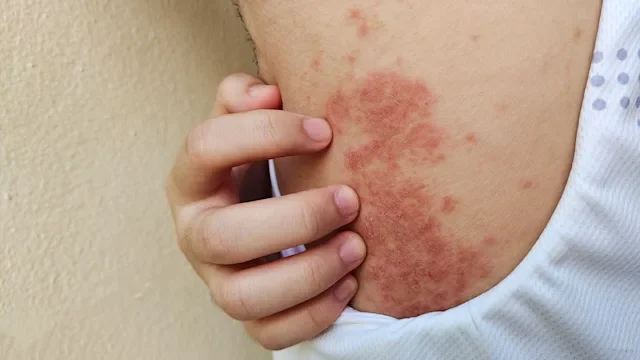
In clinical trials, people saw initial improvements in their eczema symptoms, including itching, in about 2 to 4 weeks after starting Dupixent. However, it took up to 16 weeks (4 months) of treatment for most people to experience Dupixent’s full effects.
Asthma
Dupixent’s onset time for asthma is somewhat similar to its onset time for atopic dermatitis. In clinical studies, people saw some improvements in lung function after just 2 weeks of treatment. But it typically took about 12 to 24 weeks (3 to 6 months) for Dupixent to really start working to prevent asthma symptoms (exacerbations).
Keep in mind that some people had to wait longer than 24 weeks to experience a more significant treatment response. So it’s important to be patient when it comes to seeing results.
Chronic rhinosinusitis with nasal polyps
Chronic rhinosinusitis with nasal polyps is a condition in which growths in the nose can cause sinus pain, stuffiness, and other related symptoms. Initial studies of Dupixent found that the medication can start addressing these symptoms quickly.
For instance, people saw improvement in nasal congestion within 2 days of starting treatment. And some reported a heightened sense of smell after just 3 days. People also started to see improvements in the size and severity of their nasal polyps within about 4 weeks.
Eosinophilic esophagitis
Eosinophilic esophagitis is an inflammatory condition that affects the ability to swallow. It can also cause symptoms such as choking, vomiting, and heartburn. People in clinical studies started to experience improvements in swallowing about 4 to 8 weeks after starting Dupixent. It took up to 24 weeks of treatment for people to see more complete effects.
Prurigo nodularis
Prurigo nodularis is a skin condition that can cause itchy bumps all over the skin. It took about 2 to 4 weeks for people to start experiencing improvements in itching and skin bumps in Dupixent clinical studies. Most people saw more significant improvements within about 24 weeks of treatment.
COPD
In clinical studies, adults living with chronic obstructive pulmonary disease (COPD) linked to type 2 inflammation started noticing better breathing and fewer symptoms within the first month of using Dupixent. Many people experienced bigger benefits — such as fewer flare-ups and a better quality of life — within 12 weeks. But most lasting improvements seem to occur after 6 to 12 months of regular use.
Chronic spontaneous urticaria
In clinical studies of people with chronic spontaneous urticaria (hives), Dupixent started to help ease itchiness and reduce hives within about 12 weeks. By 24 weeks, many people experienced a significant reduction in itching and hives. In fact, 41% of people had their symptoms well managed by that point, and some felt better even sooner.
Bullous pemphigoid
Dupixent worked fairly quickly in its bullous pemphigoid clinical studies. This is an autoimmune skin condition that causes painful skin blisters. Many people saw fewer new blisters, healing of existing ones, and less itching within just 2 to 4 weeks, with some noticing big improvements by the 2-week mark. By around 16 weeks, many had no new blisters and were able to reduce their steroid use. Even more people reached this level of improvement by 36 weeks (8 months) compared to those not receiving Dupixent.
Allergic fungal rhinosinusitis
Allergic fungal rhinosinusitis (AFRS) is a chronic sinus condition. It happens when your immune system overreacts to fungi in your nose and sinuses. This reaction can cause ongoing inflammation, thick mucus, and nasal polyps.
Research on Dupixent for AFRS is promising so far, with studies suggesting that some people may start to notice symptom relief within the first few months of treatment. Nasal congestion and facial pressure may gradually improve. Larger improvements in nasal symptoms and overall sinus inflammation have been reported around the 6-month mark, with continued benefits seen after about 1 year of treatment.
2. How can you tell if Dupixent is working?
Most likely, you’ll be able to tell if Dupixent is working by listening to your body. You should be able to see and/or feel the changes. For example, if you have atopic dermatitis or prurigo nodularis, your skin may be less itchy. You may also see the bumps on your skin become less noticeable.
If you have eosinophilic esophagitis, you may have an easier time swallowing food. Or if you have chronic rhinosinusitis with nasal polyps, you may experience fewer nasal symptoms.
Some improvements are harder to notice, though. For instance, you may be having fewer asthma or COPD exacerbations without realizing it. Your prescriber can run tests, ask questions about your symptoms, and talk to you about how well the medication is working.
3. How long can you receive Dupixent?
Dupixent is a maintenance medication. It’s designed to treat and manage your condition over time. As such, you’ll likely take it until your healthcare professional tells you to stop. This could be months or years; there’s no set time frame.
4. How long does Dupixent stay in your system?
Dupixent stays in your system for a long time. That’s one reason why it’s typically injected just once every 2 to 4 weeks in most cases.
It can take up to 13 weeks for adults and adolescents to clear Dupixent from their system (up to 32 weeks for children).
5. How does Dupixent work?
Dupixent works by calming down your immune system and reducing inflammation.
Dupixent does this by blocking specific immune system proteins that are responsible for inflammation. These proteins are called cytokines, which act as signals to activate certain cells in your immune system. Specifically, Dupixent blocks interleukin-4 and interleukin-13. These two signal proteins play an important role in asthma, atopic dermatitis, and other conditions that Dupixent treats.
6. How and where do you inject Dupixent?
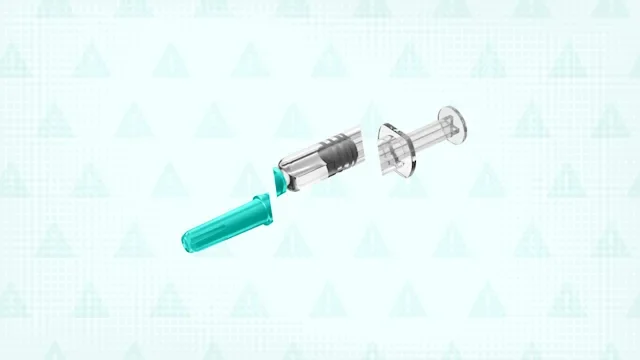
Dupixent is injected under the skin and comes in two forms: a prefilled syringe and a prefilled injection pen. It’s typically administered into the thigh or abdomen, especially if a person is injecting themselves. But it can also be injected in the back of the upper arm if someone else is administering the injection.
Prefilled syringe instructions
Here are nine steps for using the Dupixent prefilled syringe:
Look at the syringe to ensure it’s not expired and doesn’t have flakes or particles in it.
Place the syringe on a flat, stable surface and let it warm to room temperature for about 30-45 minutes.
Clean your preferred injection site with an alcohol swab (let it dry before injecting your dose).
Remove the needle cap from the syringe.
Pinch a fold of your skin, and insert the needle into this fold at a 45-degree (slanted) angle.
Push the plunger down with your thumb until the syringe is empty.
Lift your thumb and remove the syringe from the injection site.
Press a cotton ball and/or bandage on the injection site if you see any blood.
Dispose of your Dupixent syringe in a sharps container.
Prefilled pen instructions
Here are nine steps for using the Dupixent prefilled pen:
Look at your pen to ensure it’s not expired and doesn’t have flakes or particles in it.
Place the pen on a flat, stable surface and let it warm to room temperature over about 30-45 minutes.
Clean your preferred injection site with an alcohol swab (let it dry before injecting your dose).
Pull the cap straight off the pen.
Press the pen against the skin at the injection site. (If administering an injection to a child younger than 12, pinch the skin before injecting.) You’ll hear a click when the injection starts and a second click when your injection is complete.
Keep pressing the pen against your skin for 5 more seconds after you hear the second click.
Remove the pen from your skin by pulling it straight back.
Press a cotton ball and/or bandage on the injection site if you see any blood.
Dispose of your Dupixent pen in a sharps container.
Good to know: Don’t use the same injection site for subsequent Dupixent injections. Rotate your injection site each time to reduce skin irritation.
7. How long can Dupixent be out of the fridge?
You should store Dupixent prefilled syringes and pens in the fridge (36°F to 46°F). They are safe to use for up to 14 days after you remove them from the fridge — as long as they’re stored at room temperature (68°F to 77°F).
If Dupixent is exposed to direct sunlight or heat for prolonged periods of time, the medication likely won’t be as effective. It’s a good idea to contact your pharmacy for a replacement product if you leave your Dupixent syringe or pen out for too long or accidentally expose it to excessive heat.
8. Is Dupixent safe?
Yes, Dupixent is generally safe. Dupixent is an FDA-approved medication, which means its benefits outweigh its risks when used as directed. However, like all medications, Dupixent has some risks.
The most common Dupixent side effect is injection site reactions that cause localized symptoms, such as:
Redness
Swelling
Pain
Itching
Inflammation
Dupixent is also associated with certain eye-related symptoms, including swelling of the inner eyelid, also known as pink eye (conjunctivitis), and inflammation of the front of the eye (keratitis). But these eye-related symptoms aren’t very common.
Other side effects, such as upper respiratory tract infections, are also possible. You can find out more with this more comprehensive list of Dupixent side effects.
9. Does Dupixent cause weight gain?
Dupixent was associated with some weight gain in one small study, but this isn’t typical. Weight gain wasn’t observed in large clinical studies of Dupixent.
Everyone responds differently to medications, though. If you experience weight gain after starting Dupixent, there are ways to address it. The American Heart Association recommends 150 minutes of activity a week, which you can break up into five 30-minute exercise sessions. You can also consider keeping a food diary and making adjustments to your portion sizes, if needed.
10. Can you take Dupixent early?
In most cases, it’s best to stick with your prescribed Dupixent schedule. There’s no clinical research or official guidance supporting the safety or effectiveness of administering a dose early. Dupixent is designed to be used on a regular schedule to maintain a steady level of the medication in your body. This helps it work the way it’s supposed to.
Administering a dose too early could raise the amount of Dupixent in your system and might increase the risk of side effects. If you’re thinking about adjusting your dosing schedule — for example, before a trip or during a busy week — check in with your prescriber first. They can help you decide if it’s safe to shift your dose and when you should do so.
11. How much does Dupixent cost, and how can you save on Dupixent?
As of January 2026, the manufacturer list price for Dupixent is about $4,190 per carton. But this likely isn’t the amount you’ll actually pay.
There are ways to save on Dupixent, which is only available as a reference (“brand-name”) medication. (It’s also a specialty medication, meaning it needs to be filled through a specialty pharmacy.) GoodRx can help you navigate between copay savings cards and patient assistance programs to save money on your medication:
Save with a copay savings card: If you have commercial insurance, you may be eligible to pay as little as $0 for your Dupixent prescriptions using a copay savings card from the manufacturer.
Save with a patient assistance program: If you’re uninsured or underinsured, you may be eligible for Dupixent’s patient assistance program, which offers the medication free of charge.
Frequently asked questions
Yes, you can take Dupixent along with a corticosteroid such as prednisone if your prescriber recommends it. In some cases, Dupixent may even allow you to lower your steroid dose or how often you need to take them.
Sore throat is a common Dupixent side effect. This is because Dupixent makes your immune system less active. As a result, the risk of upper respiratory tract infections increases, which often leads to a sore throat. In most cases, this symptom should go away on its own as your infection resolves. But let your prescriber know if a sore throat is persistent or worsens.
Experts don’t know for sure. Dupixent doesn’t seem to lead to an increased risk of birth defects, miscarriage, or other harm if it’s administered during pregnancy. But this doesn’t mean that it’s completely safe. However, sometimes the risks of leaving your health condition untreated are greater than the possible risks of Dupixent. Let your healthcare team know if you become pregnant or are considering pregnancy while receiving Dupixent. They can discuss the risks and benefits to determine whether continuing treatment is best for you.
Yes, you can take Dupixent along with a corticosteroid such as prednisone if your prescriber recommends it. In some cases, Dupixent may even allow you to lower your steroid dose or how often you need to take them.
Sore throat is a common Dupixent side effect. This is because Dupixent makes your immune system less active. As a result, the risk of upper respiratory tract infections increases, which often leads to a sore throat. In most cases, this symptom should go away on its own as your infection resolves. But let your prescriber know if a sore throat is persistent or worsens.
Experts don’t know for sure. Dupixent doesn’t seem to lead to an increased risk of birth defects, miscarriage, or other harm if it’s administered during pregnancy. But this doesn’t mean that it’s completely safe. However, sometimes the risks of leaving your health condition untreated are greater than the possible risks of Dupixent. Let your healthcare team know if you become pregnant or are considering pregnancy while receiving Dupixent. They can discuss the risks and benefits to determine whether continuing treatment is best for you.
The bottom line
Dupixent (dupilumab) is FDA approved to treat inflammatory conditions such as asthma and atopic dermatitis (eczema). It works by blocking signal proteins that cause inflammation in the body. It usually takes a few weeks for Dupixent to start working. But it can take several months or longer for it to reach its full effects, so patience is key during treatment.
Dupixent is administered as an injection under the skin using a prefilled syringe or injection pen. You should store it in the refrigerator, although it’s also stable at room temperature for up to 14 days. Dupixent may cause side effects such as injection site reactions and eye-related symptoms. Discuss any bothersome side effects with your healthcare team.

Why trust our experts?




References
American College of Allergy, Asthma, and Immunology. (2021). Chronic rhinosinusitis with nasal polyps.
American Heart Association. (2024). 5 steps to lose weight and keep it off.
Castro, M. J., et al. (2018). Dupilumab efficacy and safety in moderate-to-severe uncontrolled asthma. The New England Journal of Medicine.
Chua, A. F., et al. (2023). Update on allergic fungal rhinosinusitis. Annals of Allergy, Asthma & Immunology.
Dellon, E. S., et al. (2022). Dupilumab in adults and adolescents with eosinophilic esophagitis. The New England Journal of Medicine.
Dupixent. (n.d.). Pricing and insurance. Sanofi and Regeneron Pharmaceuticals.
Han, G., et al. (2025). Research progress of dupilumab in the treatment of chronic obstructive pulmonary disease. Allergy Medicine.
Hellings, P. W., et al. (2022). Rapid and sustained effects of dupilumab in severe chronic rhinosinusitis with nasal polyps. International Forum of Allergy and Rhinology.
Johansson, E. K., et al. (2020). Weight gain in patients with severe atopic dermatitis treated with dupilumab: A cohort study. BMC Dermatology.
Kolkhir, P., et al. (2024). Chronic spontaneous urticaria: A review. JAMA.
Liang, G., et al. (2024). Dupilumab, corticosteroids and their combination for the treatment of bullous pemphigoid. Anais Brasileiros de Dermatologia.
Maurer, M., et al. (2024). Dupilumab in patients with chronic spontaneous urticaria (LIBERTY-CSU CUPID): Two randomized, double-blind, placebo-controlled, phase 3 trials. Journal of Allergy and Clinical Immunology.
MedlinePlus. (2025). Bullous pemphigoid. National Library of Medicine.
Rabe, K. F., et al. (2018). Efficacy and safety of dupilumab in glucocorticoid-dependent severe asthma. The New England Journal of Medicine.
Regeneron Pharmaceuticals. (2023). Dupixent (dupilumab) significantly reduced COPD exacerbations in second positive phase 3 trial, accelerating FDA submission and confirming potential to become first approved biologic for this serious disease.
Regernon Pharmaceuticals. (2025). Dupixent (Du-pix-ent) (dupilumab) injection, for subcutaneous use [package insert]
Sanofi. (2024). Press release: Dupixent approved in the US as the first-ever biologic medicine for patients with COPD.
Sanofi. (2024). Press release: Dupixent late-breaking positive phase 3 data in chronic spontaneous urticaria to be presented at ACAAI.
Sanofi. (2025). Press release: Dupixent approved in the US as the only targeted medicine to treat patients with bullous pemphigoid.
Sanofi-aventis U.S. LLC. (2026). Dupixent- dupilumab injection, solution [package insert].
Simpson, E. L., et al. (2016). Two phase 3 trials of dupilumab versus placebo in atopic dermatitis. The New England Journal of Medicine.
Yosipovitch, G., et al. (2024). Dupilumab improves pruritus and skin lesions in patients with prurigo nodularis: Pooled results from 2 phase 3 trials (LIBERTY-PN PRIME and PRIME2). JAAD International.
Zhao, L., et al. (2023). Evaluation of dupilumab in patients with bullous pemphigoid. JAMA Dermatology.