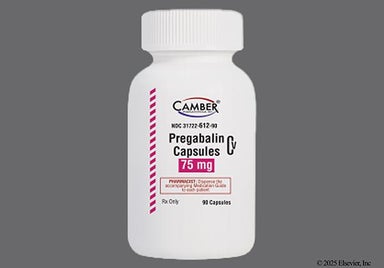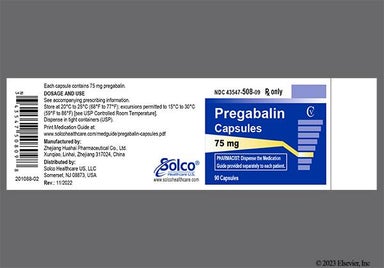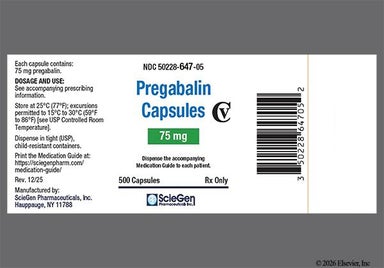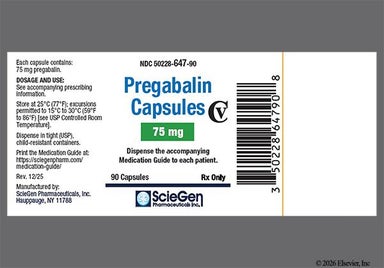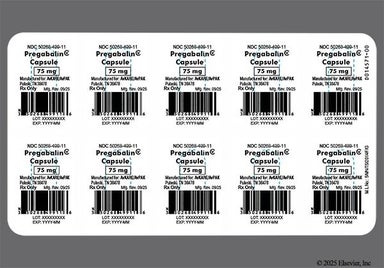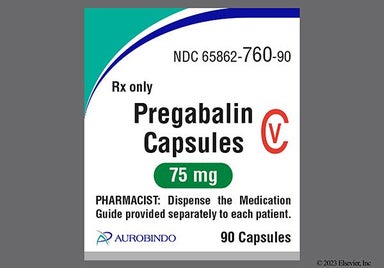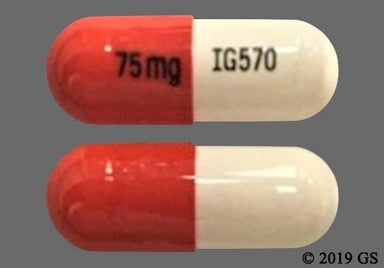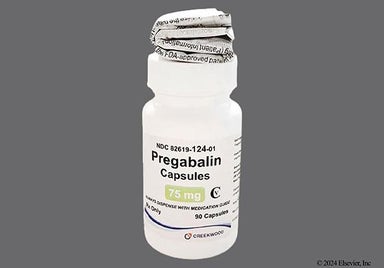

Pregabalin Coupon - Pregabalin 75mg capsule

pregabalin

Generic Lyrica
Used for Diabetic Neuropathy, Epilepsy, Fibromyalgia, Postherpetic Neuralgia

Pregabalin (Lyrica) helps treat nerve pain and fibromyalgia in adults. It can also be taken with other medications to help treat certain seizures in people 1 month and older. Pregabalin (Lyrica) comes as a capsule and oral solution in both brand-name and generic versions. The dosage depends on what condition you're treating, but it's usually taken by mouth 2 or 3 times a day. Common side effects include feeling dizzy and drowsy. This medication is a controlled substance and has interactions, like with alcohol and benzodiazepines.

Reviewed by:Last reviewed on October 28, 2025
basics-icon

What is Pregabalin (Lyrica)?

What is Pregabalin (Lyrica) used for?

How Pregabalin (Lyrica) works

Pregabalin (Lyrica) is a type of medication called an antiepileptic or anticonvulsant. The exact way it works to treat nerve pain and seizures isn't fully understood. But it's thought to lower the level of certain chemicals in the brain. This might help relieve pain and prevent seizures.

When does Pregabalin (Lyrica) start working?Time passed since treatment started:
HOURS
DAYS
Initial effect
WEEKS
Full effect
MONTHS

Drug facts

Common BrandsLyrica
Drug ClassAntiepileptic
Controlled Substance ClassificationSchedule V
Generic StatusLower-cost generic available
AvailabilityPrescription only
warnings-icon

Risks and warnings for Pregabalin (Lyrica)

Pregabalin (Lyrica) can cause some serious health issues. This risk may be even higher for certain groups. If this worries you, talk to your doctor or pharmacist about other options.

Allergic reactions and severe swelling

  • Risk factors: History of angioedema | Taking other medications that have a risk of angioedema (e.g., ACE inhibitors)

Some people have had an allergic reaction after taking pregabalin (Lyrica). These reactions can include skin redness, blisters, hives, rash, trouble breathing, or wheezing.

Rarely, a severe reaction called angioedema can also happen while taking pregabalin (Lyrica). This can cause swelling in your face, mouth (including your tongue, lips, or gums), or neck. Swelling of the tongue of neck can make it hard to breathe and can be life-threatening.

If you have an allergic reaction, swelling, or trouble breathing, stop taking pregabalin (Lyrica) and get medical help right away. Tell your prescriber that this happened so they can find a different medication for you to take.

Risk of suicidal thoughts and behavior

  • Risk factors: Taking anti-seizure medications | History of depression

Like other anti-seizure medications, pregabalin (Lyrica) can raise the risk of suicidal thoughts or behavior. This is rare, but the risk can appear as early as 1 week after starting the medication.

Be sure you and your loved ones watch for any signs of depression or unusual changes in mood or behavior. If this happens, tell your prescriber. If you start thinking about hurting yourself, call 911 right away.

Higher risk of side effects if you stop taking the medication too suddenly or too fast

Don't suddenly stop taking pregabalin (Lyrica) without first talking to your prescriber. Otherwise, you could have withdrawal symptoms that can be uncomfortable. This can include nausea, headache, trouble sleeping, anxiety, sweating, and diarrhea. It can sometimes include thoughts about hurting yourself. If you take the medication to control seizures, stopping it suddenly can cause more seizures to happen.

If you want to stop taking pregabalin (Lyrica), let your prescriber know. They'll help lower your dose slowly, usually over at least a week, before you can stop it completely. This helps lower the risk of withdrawal.

Slowed breathing

  • Risk factors: History of breathing problems | Taking pregabalin (Lyrica) with sedatives or other medications that calm the body

Pregabalin (Lyrica) might slow your breathing down. The risk is higher if you take it with other medications that have the same effect. This includes opioids and other medications that can slow your body down. Taking these medications with pregabalin (Lyrica) can make your breathing dangerously slow. This can be life-threatening.

Let your prescribers and pharmacist know about the medications you take. They can check if you're taking another medication that can slow down breathing and make it dangerous for you. Your care team might recommend adjustments to your medications to keep you safe.

If you or anyone around you notices that you have slow or shallow breathing or trouble breathing, get medical help right away.

Dizziness, sleepiness, and trouble concentrating

Pregabalin (Lyrica) can make you feel dizzy, sleepy, and tired. It can also make it hard for you to concentrate and think straight. These side effects generally happen when you start the medication and when you take higher doses. Some people can keep having these side effects until they stop taking the medication. Avoid doing things that need your focus, like driving or using machinery, until you know how pregabalin (Lyrica) affects you.

Swelling of the arms or legs

  • Risk factors: Taking certain diabetes medications | Heart failure

Pregabalin (Lyrica) can cause swelling of your arms or legs, which might be from fluid buildup in the body. The risk is higher if you take medications that can cause type this of swelling. One example is the diabetes medication pioglitazone (Actos). Tell your prescriber if you have heart failure since extra fluid in the body can make it worse.

If you have sudden weight gain or swelling in the arms, ankles, or feet, let your care team know. They can check to see what's going on.

Weight gain

Pregabalin (Lyrica) can cause weight gain. Sometimes, the weight gain is related to extra fluid built up in the body. But this might not be the case for everyone. The risk of weight gain is higher if you take a higher dose of the medication or if you take it for a long time.

Watch your weight while taking pregabalin (Lyrica) and tell your prescriber if you notice a lot of weight gain. Talk to your care team about ways to keep your weight healthy.

Lower platelet levels

In studies, some people taking pregabalin (Lyrica) had lower platelet levels. Platelets normally help your blood clot). When platelet levels are low, there's a possible risk of bleeding. But data from studies show that pregabalin (Lyrica) wasn't linked to a higher number of bleeding events.

To be safe, tell your prescriber if you notice blood in your urine or stool, easy bruising, or bleeding that takes longer to stop. They can check your platelet count through blood testing and make sure it's within a safe range.

Possible risk of muscle breakdown

Although rare, some people taking pregabalin (Lyrica) had higher creatine kinase levels. This can sometimes be a sign of muscle damage. Even rarer, a few people had a serious condition called rhabdomyolysis, which is when your muscles break down.

It's not clear how pregabalin (Lyrica) is related to these muscle problems. But tell your care team if you notice any unexplained muscle pain, tenderness, or weakness, particularly if you also have a fever. They can help figure out what's going on.

side-effects-icon

Side effects of Pregabalin (Lyrica)

The following side effects may get better over time as your body gets used to the medication. Let your healthcare provider know immediately if you continue to experience these symptoms or if they worsen over time.

Common Side Effects

  • Dizziness
  • Drowsiness
  • Headache
  • Weight gain

Less Common Side Effects

  • Weakness
  • Tiredness
  • Dry mouth
  • Constipation
  • Swelling in the arms or legs
  • Blurry vision or other changes in vision
  • Trouble paying attention or concentrating
  • Problems with balancing
  • Feeling very happy

Note: Side effects were reported by adults. They might differ for children with partial-onset seizures.

Pregabalin (Lyrica) serious side effects

Contact your healthcare provider immediately if you experience any of the following.

  • Angioedema (severe swelling in the body): swelling in the face, lips, tongue, throat, hands, or feet; trouble breathing
  • Severe allergic reaction: hives; trouble breathing; swelling of the face, lips, tongue, or throat
  • Suicidal thoughts or behaviors
  • Severe sleepiness
  • Very slowed breathing
When do Pregabalin (Lyrica) possible side effects begin and end?
Time passed since treatment started:
H
D
W
M
Dizziness
Drowsiness
If a line continues to the right, you'll likely keep experiencing this side effect once it starts.

Source: DailyMed

The following Pregabalin (Lyrica) side effects have also been reported

Side effects that you should report to your care team as soon as possible:

  • Allergic reactions or angioedema—skin rash, itching or hives, swelling of the face, eyes, lips, tongue, arms, or legs, trouble swallowing or breathing
  • Change in vision
  • Muscle injury—unusual weakness or fatigue, muscle pain, dark yellow or brown urine, decrease in amount of urine
  • Thoughts of suicide or self-harm, worsening mood, feelings of depression
  • Trouble breathing
  • Unusual bruising or bleeding
  • Unusual changes in mood or behavior in children after use such as trouble concentrating, hostility, or restlessness

Side effects that usually do not require medical attention (report these to your care team if they continue or are bothersome):

prices-container

Get your GoodRx coupon

Avg retail price
$277.70(Save 95.56%)
GoodRx discount
$12.33
See prices
pros-and-cons-icon

Pros and cons of Pregabalin (Lyrica)

Pros

  • An option for relieving nerve pain caused by diabetes, shingles, and spinal cord injuries
  • Can take with other anti-seizure medications for partial-onset seizures in people as young as 1 month of age
  • Available in a capsule and liquid

Cons

  • Can cause dizziness and drowsiness
  • Can cause weight gain
  • Is a controlled substance, so there are some rules to follow to get it filled
pharmacist-tips-icon

Pharmacist tips for Pregabalin (Lyrica)

pharmacist
  • Take pregabalin (Lyrica) with or without food.
  • For the pregabalin (Lyrica) oral solution: Make sure to use the measuring device that the pharmacy gives you. This could be a dosing cup or oral syringe. Don't use household spoons because you could take or give the wrong amount of medication.
  • Pregabalin (Lyrica) can make you dizzy and sleepy. It can also make it hard for you to concentrate or see clearly. Don't drive or do anything that needs your full attention until you know how this medication affects you.
  • Don't drink alcohol while taking pregabalin (Lyrica). Mixing this medication with alcohol can make you feel more sleepy and dizzy. It can also make your breathing very slow, which can be dangerous.
  • Tell your prescribers and pharmacist about all the medications you take so they can check for dangerous interactions. It can be unsafe to take pregabalin (Lyrica) with opioids, benzodiazepines, muscle relaxants, and other sedatives. It can make you very sleepy, slow your reactions, or cause slow breathing. Your care team can adjust your medications to help keep you safe.
  • Pregabalin (Lyrica) can cause blurry vision and other vision changes. Tell your prescriber if you notice any changes in your vision while taking this medication.
  • Talk to your prescriber if you want to stop taking pregabalin (Lyrica). They can help come up with a plan to lower your dose slowly over time before you can stop. This helps lower your risk of unwanted side effects, like nausea, headache, trouble sleeping, and anxiety. If you take this medication for seizures, slowly lowering the dose can also lower your risk of more seizures.
  • If you miss a dose of pregabalin (Lyrica), take it as soon as you remember. But if it's almost time for your next dose, just skip the missed dose and take your next dose at your regular time. Don't double up doses to make up for a missed dose because this can raise your risk of side effects.
  • If you get pregnant while taking pregabalin (Lyrica), talk to your prescriber. It's recommended for you to join the North American Antiepileptic Drug (NAAED) Pregnancy Registry. This safety program helps researchers learn more about the risks of taking this medication during pregnancy.
faq-icon

Common questions about Pregabalin (Lyrica)

No, pregabalin (Lyrica) isn't an opioid. It's called an antiepileptic medication. It works in a different way than opioids to specifically treat nerve pain.

Yes, pregabalin (Lyrica) is a schedule V controlled substance. Studies found that the medication has a potential for addiction and dependence. This means that it's more strictly regulated than some other medications. Your pharmacy might also have policies in place to help lower your risk of these issues. Talk to your prescriber or pharmacist to learn about what this means for you.

Avoid drinking alcohol while taking pregabalin (Lyrica). Also avoid medications that make you sleepy. Examples include opioids, benzodiazepines, other sedatives, and some allergy medications like diphenhydramine (Benadryl). Taking these with pregabalin (Lyrica) can worsen side effects like dizziness and drowsiness. It can also slow your breathing, which can be dangerous. Tell your prescribers and pharmacist about all the medications you take and plan to take. They can make sure all your medications are safe to take together.

Pregabalin (Lyrica) and gabapentin (Neurontin) are both treat nerve pain and seizures, but they have some differences. Pregabalin (Lyrica) can treat more types of pain than gabapentin (Neurontin). This includes fibromyalgia and nerve pain from shingles or spinal cord injuries. Pregabalin (Lyrica) can also be used for partial-onset seizures in people as young as 1 month old. But gabapentin (Neurontin) is approved for treating these seizures in people 3 years and older. Follow up with your prescriber to compare and see which medication best fits your needs.

How long you should take pregabalin (Lyrica) for nerve pain isn't the same for everyone. It depends on your specific condition and how well the medication is working for you. It also depends on how well you can tolerate side effects from the medication. Make sure to go to follow-up appointments with your prescriber so they check in with you. Never stop taking pregabalin (Lyrica) without talking to your prescriber first. Otherwise, it could lead to uncomfortable withdrawal symptoms like nausea, trouble sleeping, and anxiety.

Pregabalin (Lyrica) isn't a traditional painkiller. It's different from common painkillers like opioids and nonsteroidal anti-inflammatory drugs (NSAIDs). Pregabalin (Lyrica) doesn't help with all kinds of pain, like from a sprained ankle or surgery. Instead, it helps with certain types of nerve pain, such as burning or tingling pain.

Yes, pregabalin (Lyrica) can cause weight gain as a side effect. In studies, some adults gained 7% or more of their body weight after taking the medication for up to a few months. 3 months. Sometimes, this weight gain might be related to fluid buildup in the body. But other times, there could be other reasons. If you're worried about your weight while taking this medication, talk to your prescriber or primary care provider.

Yes, it's common for pregabalin (Lyrica) to make you sleepy. Before driving or doing anything that you need to concentrate for, wait and see how this medication affects you. Tell your prescriber if you feel so sleepy that it starts interfering with your daily life.

educational-icon

How to save using GoodRx

Compare Prices
1. Compare PricesSpecify your dosage and quantity to find out exactly how much you can save.
Select your free coupon
2. Select your free couponYou can use the displayed coupon, or compare prices at other pharmacies near you.
Show coupon to your pharmacist
3. Show coupon to your pharmacistPresent your printed or electronic coupon when you pick up your prescription.
Get free couponLearn more
dosage-icon

Pregabalin (Lyrica) dosage

The average cost for 60 capsules of 75mg of Pregabalin (Lyrica) is $12.76 with a free GoodRx coupon. This is 94.89% off the average retail price of $249.82.
bottle of oral solutionBottle of oral solution
DosageQuantityPrice as low asPrice per unit
473ml of 20mg/ml1 bottle$58.63$58.63
capsuleCapsule
DosageQuantityPrice as low asPrice per unit
25mg60 capsules$12.33$0.21
50mg60 capsules$12.51$0.21
75mg60 capsules$12.76$0.21
100mg90 capsules$15.06$0.17
150mg60 capsules$12.87$0.21
200mg90 capsules$15.00$0.17
225mg60 capsules$13.35$0.22
300mg60 capsules$13.64$0.23

Typical dosage for Pregabalin (Lyrica)

The dose will depend on why you're taking pregabalin (Lyrica). You'll usually start at a lower dose. Then after 1 week, your prescriber might adjust your dose if needed.

  • Adults

    • Nerve pain from diabetes: The typical starting dose is 50 mg by mouth three times a day.
    • Nerve pain from shingles: The typical starting dose is 50 mg by mouth three times a day, or 75 mg by mouth two times a day.
    • Nerve pain from spinal cord injury or fibromyalgia: The typical starting dose is 75 mg by mouth two times a day.
    • Partial-onset seizures (ages 17 years and older): The typical starting dose is 150 mg by mouth, split into 2 or 3 doses throughout the day.
  • Children ages 1 month and older

    • Partial-onset seizures: The prescriber will calculate the dose based on your child's body weight. The typical starting dose is 2.5 mg/kg or 3.5 mg/kg by mouth, split into 2 or 3 doses throughout the day.

Your dose might differ if you have kidney problems.

cost-icon

How much does Pregabalin (Lyrica) cost?

To access savings, use a GoodRx coupon and pay just a fraction of the retail price.
alternatives-icon

What are alternatives to Pregabalin (Lyrica)?

There are a number of medications that your doctor can prescribe in place of Pregabalin (Lyrica). Compare a few possible alternatives below.
Pregabalin (Lyrica)
Used for:
$12.33Lowest GoodRx priceView prices
Used for:
$9.81Lowest GoodRx priceView prices
Used for:
$26.48Lowest GoodRx priceView prices
latest-news-icon

News about Pregabalin (Lyrica)

Explore non-narcotic pain medications for pain relief and learn about alternative non-medication treatments.
A Complete Guide to Non-Narcotic Pain Medication: NSAIDs, Non-NSAIDs, and Other Options
Explore non-narcotic pain medications for pain relief and learn about alternative non-medication treatments.
Pregabalin (Lyrica) and gabapentin (Neurontin) are both approved to treat nerve pain. How are they different, and which one is preferred? Compare both meds here.
Pregabalin vs. Gabapentin: 7 Differences You Should Know About
Pregabalin (Lyrica) and gabapentin (Neurontin) are both approved to treat nerve pain. How are they different, and which one is preferred? Compare both meds here.
Diabetic foot pain (also called diabetic neuropathy) is caused by elevated blood sugar, which damages your nerves. Learn how to manage and prevent diabetic foot pain.
Diabetes and Foot Pain: How to Prevent and Treat Diabetic Neuropathy (With Images)
Diabetic foot pain (also called diabetic neuropathy) is caused by elevated blood sugar, which damages your nerves. Learn how to manage and prevent diabetic foot pain.
Read on to learn more about which sciatic medications may help to alleviate nerve pain, including medications like Lyrica and gabapentin.
Sciatic Nerve Pain: 6 Prescription Medications That May Help
Read on to learn more about which sciatic medications may help to alleviate nerve pain, including medications like Lyrica and gabapentin.
There’s no cure for shingles. However, there are treatment options to help manage pain, itching, and other symptoms. Here’s what you need to know.
How to Treat Shingles: Medication, Pain Relief, Home Remedies and More
There’s no cure for shingles. However, there are treatment options to help manage pain, itching, and other symptoms. Here’s what you need to know.
If you have achy joints and muscles, your medications may be to blame. Statins, some antibiotics, and even acne medications may cause joint and muscle pain.
9 Medications That Cause Joint and Muscle Pain
If you have achy joints and muscles, your medications may be to blame. Statins, some antibiotics, and even acne medications may cause joint and muscle pain.
Side effects are common when taking Lyrica (pregabalin), although they usually go away within a few weeks of starting it. Here are some side effects to look out for.
11 Lyrica Side Effects You Should Know About
Side effects are common when taking Lyrica (pregabalin), although they usually go away within a few weeks of starting it. Here are some side effects to look out for.
Neuropathy is a common nerve condition affecting millions of people every year. Learn what neuropathy is, what causes it, and how to treat it here.
What Is Neuropathy, and What Causes It?
Neuropathy is a common nerve condition affecting millions of people every year. Learn what neuropathy is, what causes it, and how to treat it here.
Lyrica (pregabalin) treats pain caused by fibromyalgia and nerve damage from diabetes. Learn about its dosages and lowering your risk of serious side effects.
Lyrica Dosages: Your GoodRx Guide
Lyrica (pregabalin) treats pain caused by fibromyalgia and nerve damage from diabetes. Learn about its dosages and lowering your risk of serious side effects.
Social anxiety disorder is a chronic condition. Symptoms can be managed in a few different ways. Learn all about the best medications and treatments here.
Which Medications Work Best to Treat Social Anxiety Disorder?
Social anxiety disorder is a chronic condition. Symptoms can be managed in a few different ways. Learn all about the best medications and treatments here.
images-icon

Pregabalin (Lyrica) images

Orange And White 1360 75 - Pregabalin 75mg Capsule
This medicine is Orange And White Capsule Imprinted With "1360 75".Orange And White 1360 75 - Pregabalin 75mg Capsule
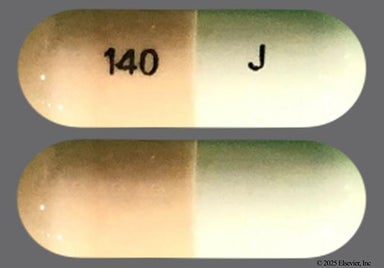
White And Peach 140 J - Pregabalin 75mg Capsule
This medicine is White And Peach Capsule Imprinted With "140 J".White And Peach 140 J - Pregabalin 75mg Capsule
White And Peach 140 J - Pregabalin 75mg Capsule
This medicine is White And Peach Capsule Imprinted With "140 J".White And Peach 140 J - Pregabalin 75mg Capsule
Orange 556 75Mg - Pregabalin 75mg Capsule
This medicine is Orange Capsule Imprinted With "556 75Mg".Orange 556 75Mg - Pregabalin 75mg Capsule
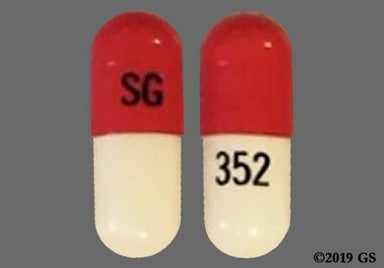
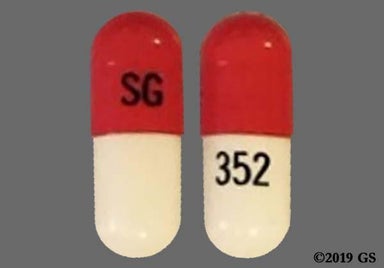
Orange And White Sg 352 - Pregabalin 75mg Capsule
This medicine is Orange And White Capsule Imprinted With "Sg 352".Orange And White Sg 352 - Pregabalin 75mg Capsule
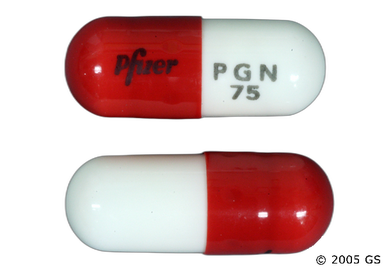
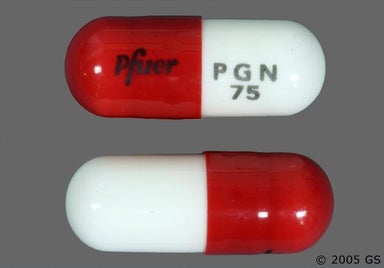
Orange And White Pfizer Pgn 75 - Pregabalin 75mg Capsule
This medicine is Orange And White Capsule Imprinted With "Pfizer Pgn 75".Orange And White Pfizer Pgn 75 - Pregabalin 75mg Capsule
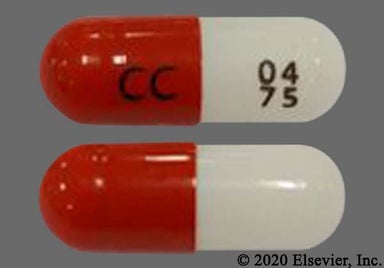
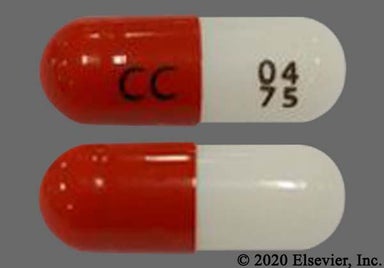
Red And White Cc 04 75 - Pregabalin 75mg Capsule
This medicine is Red And White Capsule Imprinted With "Cc 04 75".Red And White Cc 04 75 - Pregabalin 75mg Capsule
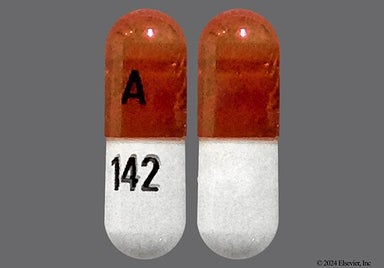
White And Orange A 142 - Pregabalin 75mg Capsule
This medicine is White And Orange Capsule Imprinted With "A 142".White And Orange A 142 - Pregabalin 75mg Capsule
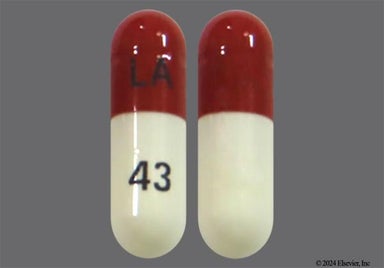
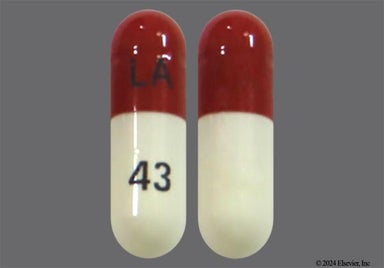
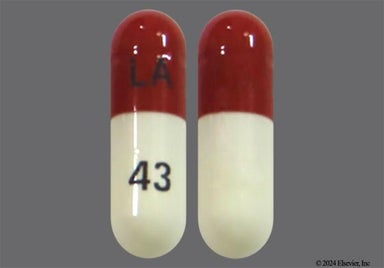
White And Red La 43 - Pregabalin 75mg Capsule
This medicine is White And Red Capsule Imprinted With "La 43".White And Red La 43 - Pregabalin 75mg Capsule
White And Orange Z 12 - Pregabalin 75mg Capsule
This medicine is White And Orange Capsule Imprinted With "Z 12".White And Orange Z 12 - Pregabalin 75mg Capsule
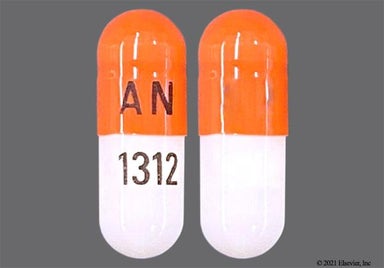
White And Orange An 1312 - Pregabalin 75mg Capsule
This medicine is White And Orange Capsule Imprinted With "An 1312".White And Orange An 1312 - Pregabalin 75mg Capsule
Orange And White Sg 352 - Pregabalin 75mg Capsule
This medicine is Orange And White Capsule Imprinted With "Sg 352".Orange And White Sg 352 - Pregabalin 75mg Capsule
White And Blue 75 Pgbn - Pregabalin 75mg Capsule
This medicine is White And Blue Capsule Imprinted With "75 Pgbn".White And Blue 75 Pgbn - Pregabalin 75mg Capsule
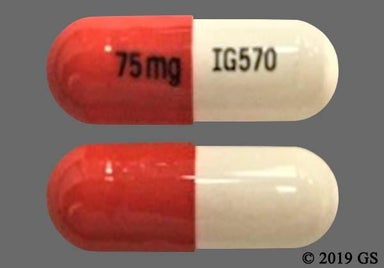
Orange And White 75 Mg Ig570 - Pregabalin 75mg Capsule
This medicine is Orange And White Capsule Imprinted With "75 Mg Ig570".Orange And White 75 Mg Ig570 - Pregabalin 75mg Capsule
White And Orange Cw 75 - Pregabalin 75mg Capsule
This medicine is White And Orange Capsule Imprinted With "Cw 75".White And Orange Cw 75 - Pregabalin 75mg Capsule

Get savings updates for Pregabalin (Lyrica)

Receive price alerts, news, and other messages from GoodRx about Pregabalin (Lyrica) and other healthcare topics and relevant savings offers.

By providing your email, you consent to receive marketing communications from GoodRx, which may include content and/or data related to men's health, women's health, reproductive care, or sexual health. You agree to the GoodRx Terms of Use and acknowledge the Privacy Policy. You can unsubscribe at any time.

References

Best studies we found

Barad, M., et al. (2025). Neuropathic pain. Merck Manual Consumer Version.

Boomershine, C.S. (2010). Pregabalin for the management of fibromyalgia syndrome. Journal of Pain Research.

Centers for Disease Control and Prevention. (n.d.). Protect your child: Use the right tool to give the right dose.

GoodRx Health has strict sourcing policies and relies on primary sources such as medical organizations, governmental agencies, academic institutions, and peer-reviewed scientific journals. Learn more about how we ensure our content is accurate, thorough, and unbiased by reading our editorial guidelines.

Was this page helpful?