



What Are the Best Treatments for Toenail Fungus (Onychomycosis), and How Does It Look?
There are a variety of treatments for toenail fungus, from prescription pills to OTC creams. Experts discuss which toenail fungus treatments are most effective.
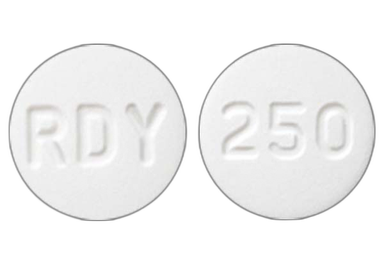
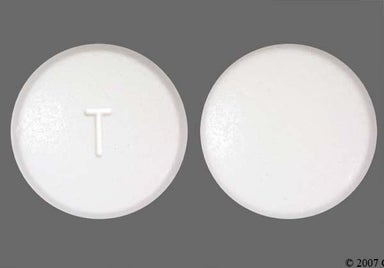
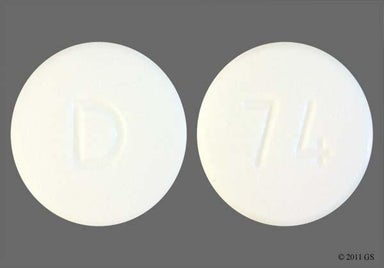
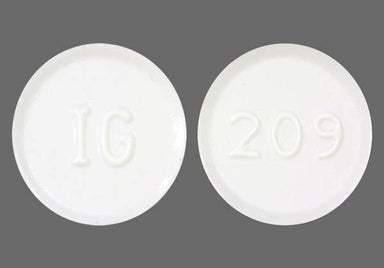
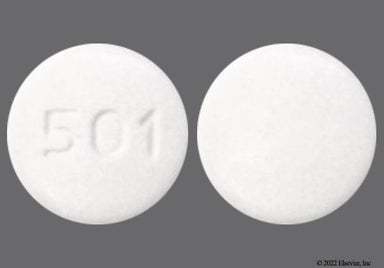
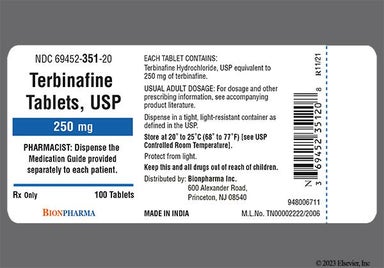
Terbinafine is used to treat fingernail and toenail fungus in adults. It's a type of antifungal that helps get rid of the fungus. Terbinafine is a tablet you take once a day, but treatment can take many weeks to finish. Common side effects include headache, rash, and diarrhea. Terbinafine can interact with other medications, including certain antidepressants and beta blockers.

Terbinafine is a type of antifungal. It prevents fungus from forming its protective outer layer. This kills the fungus causing the infection.
| Common Brands | Lamisil |
|---|---|
| Drug Class | Antifungal |
| Controlled Substance Classification | Not a controlled medication |
| Generic Status | Lower-cost generic available |
| Availability | Prescription only |

The following side effects may get better over time as your body gets used to the medication. Let your healthcare provider know immediately if you continue to experience these symptoms or if they worsen over time.
Contact your healthcare provider immediately if you experience any of the following.
Along with its needed effects, a medicine may cause some unwanted effects. Although not all of these side effects may occur, if they do occur they may need medical attention.
Check with your doctor immediately if any of the following side effects occur:
More common
Less common
Body aches or pain
chills
difficulty with breathing
ear congestion
general feeling of discomfort or illness
headache
joint pain
loss of appetite
loss of voice
shivering
skin rash or itching
sweating
trouble with sleeping
unusual tiredness or weakness
upper abdominal or stomach pain
vomiting
Rare
Dark urine
difficulty with swallowing
pale skin
pale stools
redness, blistering, peeling, or loosening of the skin
stomach pain
unusual bleeding or bruising
yellow skin or eyes
Incidence not known
Black, tarry stools
bleeding gums
blood in the urine or stools
cough or hoarseness
dizziness
fast heartbeat
feeling of discomfort
flu-like symptoms
general feeling of tiredness or weakness
high fever
indigestion
inflammation of the joints
large, hive-like swelling on the face, eyelids, lips, tongue, throat, hands, legs, feet, or sex organs
light-colored stools
lower back or side pain
muscle aches
painful or difficult urination
pains in the stomach, side, or abdomen, possibly radiating to the back
persistent loss of appetite
pinpoint red spots on the skin
puffiness or swelling of the eyelids or around the eyes, face, lips, or tongue
red skin lesions, often with a purple center
red, irritated eyes
red, scaling, or crusted skin
sores, ulcers, or white spots on the lips or in the mouth
sores, welting, or blisters
stomach pain, continuing
swollen glands
swollen lymph glands
tightness in the chest
troubled breathing with exertion
ulcers, sores, or white spots in the mouth
unexplained bleeding or bruising
Some side effects may occur that usually do not need medical attention. These side effects may go away during treatment as your body adjusts to the medicine. Also, your health care professional may be able to tell you about ways to prevent or reduce some of these side effects. Check with your health care professional if any of the following side effects continue or are bothersome or if you have any questions about them:
More common
Stomach pain (mild)
Less common
Acid or sour stomach
bad, unusual, or unpleasant (after) taste
belching
change of taste or loss of taste
toothache
Incidence not known
Decreased vision
difficulty with moving
discouragement
feeling sad or empty
irritability
lack of appetite
loss of interest or pleasure
loss of sense of smell
muscle cramps or spasms
muscle stiffness
tiredness
trouble concentrating
Other side effects not listed may also occur in some patients. If you notice any other effects, check with your healthcare professional.
Call your doctor for medical advice about side effects. You may report side effects to the FDA at 1-800-FDA-1088.




Terbinafine can cause some serious health issues. This risk may be even higher for certain groups. If this worries you, talk to your doctor or pharmacist about other options.
Very rarely, terbinafine can cause serious liver damage or even liver failure. This can be life-threatening. The risk of liver injury is higher if you have or had liver problems.
Before starting terbinafine, tell your prescriber if you have liver problems. You'll also need blood tests done so your prescriber can check your liver. Both helps your prescriber decide if this medication is safe for you.
While taking terbinafine, you'll keep getting blood tests to check your liver. Also watch for signs of liver problems. This includes long-lasting nausea, vomiting, stomach pain, dark urine, pale stools, or yellowing of your skin or whites of your eyes. If this happens, tell your care team right away. If liver damage happens, you'll need to stop taking terbinafine.
Some people taking terbinafine tablets can have changes in taste or smell. This can sometimes include a loss of these senses. In particular, changes in taste can sometimes be severe, lower your appetite, and be worrisome.
Most times, changes in taste or smell go away with time after you stop taking terbinafine. It can last a few weeks after you stop. But it can sometimes linger much longer or even become permanent.
Tell your prescriber if you notice a change or loss in taste or smell while taking terbinafine. You might need to stop taking the medication.
Some people noticed that their mood went down while they were taking terbinafine. Talk to your prescriber if you notice any unusual changes in your sleep or mood or symptoms of depression.
It's not common, but terbinafine can temporarily lower your white blood cell count. Although rare, it can get dangerously low. White blood cells help fight off infections. If your white blood cell count is low, you can get sick more easily and have a harder time getting better from infections.
Tell your prescriber about your full medical history. You're at risk of having low white blood cell counts if you already have a weak immune system. If you're at risk, your prescriber might check your blood counts regularly if you need to take terbinafine for longer than 6 weeks. If your levels drop too low, you'll probably have to stop taking the medication to help your levels get back up.
Be aware of signs of infection while taking terbinafine. This can include a fever, chills, body aches, cough, sore throat, or pain while urinating. If this happens, get urgent care to get checked out.
Very rarely, terbinafine can cause serious skin reactions that can be life-threatening. These allergic rashes can be painful and cause blisters all over the body. Get medical help right away if you notice a new or severe rash, a rash with a fever, blisters, peeling skin, sores inside your mouth, or flu-like symptoms. These can be signs of a serious reaction to the medication.
It's rare, but terbinafine tablets might cause a flare-up of lupus. If this happens, you might have to stop taking this medication.
Let your prescriber know if you have or have had lupus so they can keep an eye out for signs of a flare up. It's also a good idea for you to look out for signs as well. This includes painful and swollen joints, rash, or sores in the mouth or nose. Tell your care team if you notice this while taking terbinafine.
In rare cases, terbinafine tablets can cause certain serious blood problems. It can affect how your blood clots and lower your red blood cells and platelets. This can be life-threatening.
Get medical help right away if you notice possible signs of these serious blood problems. This can include fever, weakness, or shortness of breath. It can also include easy bruising, purple dots on the skin, or unusual bleeding (e.g., gum bleeding, frequent nosebleeds, heavy bleeding from a small cut).

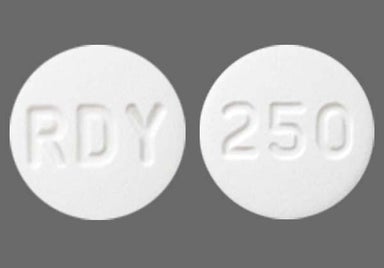
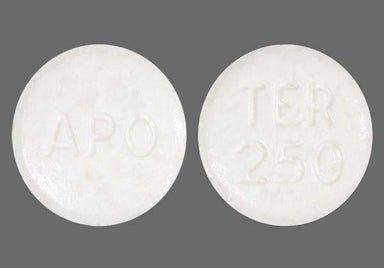
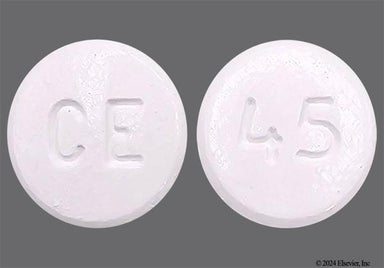
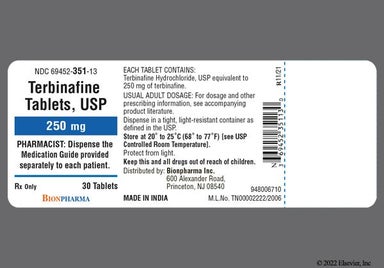
 Tablet
| Dosage | Quantity | Price as low as | Price per unit |
|---|---|---|---|
| 250mg | 30 tablets | $14.00 | $0.47 |
The typical dose is 250 mg by mouth once a day.

Although certain medicines should not be used together at all, in other cases two different medicines may be used together even if an interaction might occur. In these cases, your doctor may want to change the dose, or other precautions may be necessary. When you are taking this medicine, it is especially important that your healthcare professional know if you are taking any of the medicines listed below. The following interactions have been selected on the basis of their potential significance and are not necessarily all-inclusive.
Using this medicine with any of the following medicines is not recommended. Your doctor may decide not to treat you with this medication or change some of the other medicines you take.
Using this medicine with any of the following medicines is usually not recommended, but may be required in some cases. If both medicines are prescribed together, your doctor may change the dose or how often you use one or both of the medicines.
Using this medicine with any of the following medicines may cause an increased risk of certain side effects, but using both drugs may be the best treatment for you. If both medicines are prescribed together, your doctor may change the dose or how often you use one or both of the medicines.


Contraindications are specific health conditions or situations in which a person should not take a medication due to safety concerns. If you have any of the following conditions or if any of the following apply to you, let your healthcare provider know because Terbinafine will not be safe for you to take.

Severe fungal infections in people with weakened or healthy immune systems - itraconazole (Tolsura) and itraconazole (Sporanox) capsule:
Fungal toenail and fingernail infections (onychomycosis) for people with healthy immune systems - itraconazole (Sporanox) capsule only












Prescription savings
Stop paying too much for your prescriptions. Compare prices, get pharmacy coupons, and save up to 80%.Resources
About GoodRx
 Find expert answers to your health questions so you can make the best decisions for yourself and your family.
Health conditions
Medications & treatment
Access & affordability
Well-being
Medication discounts

Terbinafine helps a new, healthy nail grow from the base. It doesn't fix the part of the nail that's already damaged. So, you’ll know that the medication is working when you see a small area of clear, healthy-looking nail start to grow. Keep in mind that toenails grow slower than fingernails. So depending on where the nail fungus is, it might take several months before you notice this change. If you don't see any clear growth several weeks after you finish your treatment course, it’s a good idea to check in with your prescriber or care team. They can see if there's progress or if you need a different medication.
Terbinafine can stay in your body for several months after stopping treatment. This is because it takes a long time for your body to get rid of the medication. As your nail regrows, the amount of Terbinafine in the nail gets lower.
Nail infections can be hard to treat. Treatment itself takes 6 weeks for fingernails and 12 weeks for toenails. Then, it can take several months after treatment to see results and get cured. This is partly because it takes time for healthy nail to grow back. Keep in mind that the amount of time it takes for the Terbinafine tablets to work is different for everyone. It can depend on where your fungal infection is and how severe it is. Keep taking the Terbinafine tablets as prescribed, unless your prescriber tells you to. This is important even if you see improvements right away or not. Stopping too early can cause your infection to come back and be harder to treat.
Weight gain isn't a known side effect of Terbinafine. Most people taking this medication don't notice changes in their weight. Terbinafine can sometimes cause an upset stomach, changes in taste, or low appetite. These issues might lead to weight loss rather than weight gain. If you notice your weight shifting while taking Terbinafine, reach out to your primary care provider to see what might be going on.
It's not a common side effect, but some people have reported hair loss while taking Terbinafine. It isn't clear if the hair loss was due to the medication. If you notice a lot of hair thinning or patches of hair falling out, it’s a good idea to chat with your prescriber. They can help see if Terbinafine is causing this or if something else is going on.
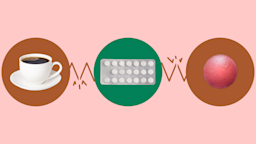
During treatment, watch out for certain medications that might not mix well with Terbinafine. Avoid or be extra careful with certain antidepressants and Parkinson's medications. Others are beta blockers and heart rhythm medications. Terbinafine can cause these medications to build up in your body and raise your risk of side effects. It’s also a good idea to skip or limit caffeine (like coffee and soda). Terbinafine can make the effects of caffeine, like feeling jittery, last longer. Share a full list of your medications and supplements with your care team. They can make sure everything is safe for you.
It’s best to avoid alcohol while you’re taking Terbinafine. Drinking alcohol with this medication can put extra stress on your liver and cause damage. Talk to your prescriber about your drinking habits. They can discuss how to stay safe while taking Terbinafine.
No, Terbinafine isn't an antibiotic. It’s an antifungal medication. The difference is what kinds of germs antibiotics and antifungals can fight off. Antibiotics are used to fight infections caused by bacteria. But antifungals like Terbinafine work against fungi. Terbinafine interferes with how fungi build their protective covering. This eventually causes the fungi to die off and stop the infection from growing. An antibiotic won't work on a fungal infection, and an antifungal won't help with a bacterial infection.
