Key takeaways:
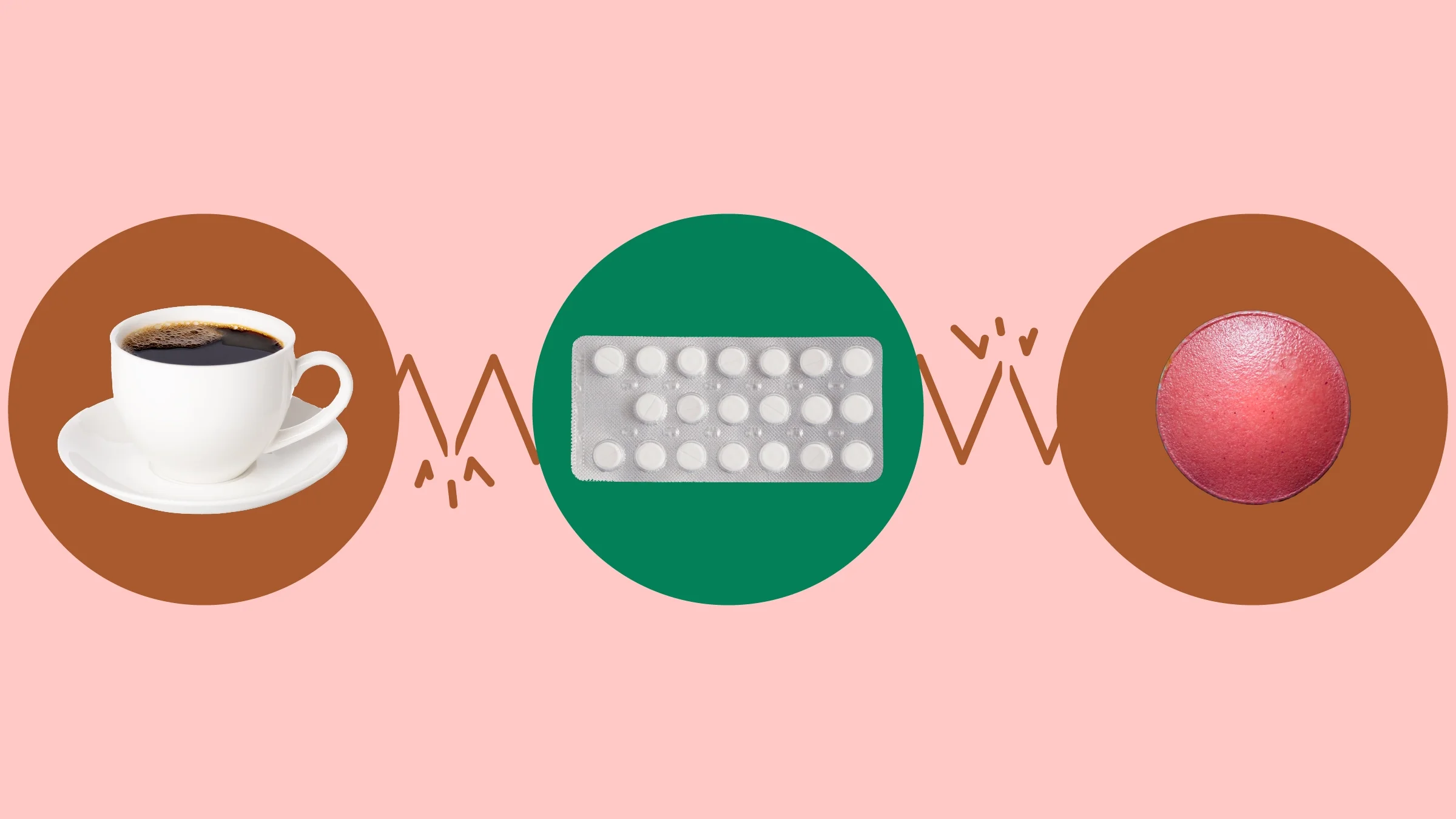
Terbinafine (Lamisil) is a prescription medication used to treat fungal nail infections (onychomycosis). It’s best to avoid alcohol and limit caffeine while taking terbinafine.
Common terbinafine interactions include many mental health medications as well as beta blockers and other heart-related medications. You may need a lower dose of these medications while taking terbinafine.
Other terbinafine interactions include tamoxifen (Soltamox), cimetidine (Tagamet HB), and opioid pain medications. It’s best to avoid these combinations if possible.
Save on related medications
If you have a fungal infection in your nails, oral terbinafine (Lamisil) is a first-choice treatment option. You’ll typically need to take it for 6 to 12 weeks to fully treat a fungal nail infection. So it’s a good idea to be aware of possible interactions with terbinafine before you start treatment.
Terbinafine interactions at a glance
Terbinafine blocks an enzyme (protein) in your liver that breaks down many other medications. This causes most terbinafine interactions. Other interactions can affect terbinafine levels, making it less effective or raising your risk of side effects.
Below is a list of terbinafine interactions to consider. These interactions are specific to oral terbinafine tablets. They aren’t likely to cause an issue with topical Lamisil products. Keep in mind that this isn’t a complete list of possible interactions. It’s best to review your medication list with your prescriber and pharmacist before starting terbinafine.
Possible terbinafine interactions include:
Alcohol
Caffeine
Tricyclic antidepressants (TCAs)
Flecainide
Propafenone
Amiodarone (Pacerone)
Rifampin (Rifadin)
Cimetidine (Tagamet HB)
Cyclosporine (Sandimmune, Neoral)
Fluconazole (Diflucan)
Ketoconazole (Nizoral)
Codeine
Hydrocodone
Methadone (Methadose)
Metoclopramide (Reglan)
Tramadol (ConZip)
Warfarin (Coumadin)
Tamoxifen (Soltamox)
Let’s take a closer look at seven terbinafine interactions you should know about.
1. Caffeine
Terbinafine can make you more sensitive to caffeine. This happens because terbinafine blocks the breakdown of caffeine, which raises caffeine levels in your body. It’s probably still OK to have your morning coffee while taking terbinafine, but moderation is key. This also applies to other caffeinated drinks, such as tea and soda.
It’s a good idea to reduce how much caffeine you have at one time and to avoid high-caffeine energy drinks altogether. You may also need to stop your caffeine intake earlier in the day to avoid sleep issues.
Signs and symptoms of too much caffeine can include shakiness, insomnia, and a fast heart rate. You may also notice new or worsening anxiety. These usually go away on their own, once the caffeine wears off. But if they don’t, be sure to reach out to your prescriber for guidance.
2. Some mental health medications
Many mental health medications are broken down by the enzyme that terbinafine blocks. This can increase the risk of side effects if you take them along with terbinafine.
The main classes of medications affected are TCAs, SSRIs, and antipsychotics. But not every medication in these classes is at risk. Examples of possible interactions include:
Amitriptyline
Desipramine (Norpramin)
Clomipramine (Anafranil)
Nortriptyline (Pamelor)
Duloxetine (Cymbalta)
Fluoxetine (Prozac)
Paroxetine (Paxil)
Doxepin (Silenor)
Venlafaxine (Effexor XR)
Trazodone
Haloperidol (Haldol)
Risperidone (Risperdal)
Aripiprazole (Abilify)
Pimozide (Orap)
Because of this interaction, you may need a lower dose of your mental health medication while taking terbinafine. Or your prescriber may prefer a different antifungal treatment that’s less likely to cause an issue.
3. Certain heart-related medications
Terbinafine can also raise the levels of certain heart-related medications. This could lead to new or worsening side effects, such as a slow heart rate or low blood pressure.
Examples of heart-related medications that can interact with terbinafine include:
Some beta blockers, such as carvedilol (Coreg), metoprolol (Toprol XL), and propranolol (Inderal LA)
Flecainide
Propafenone
In some cases, it’s fine to take terbinafine with these medications. Your prescriber may have you keep a closer eye on your blood pressure and heart rate at home. But in others, you may need a dose adjustment or a different antifungal treatment.
4. Alcohol
Alcohol doesn’t directly interact with terbinafine. But terbinafine can cause liver problems in rare cases. And alcohol may raise this risk since it can also contribute to liver problems on its own.
It’s not clear if any amount of alcohol is safe while taking terbinafine. In most cases, it’s best to avoid it altogether unless your healthcare team says it’s OK. If you’re concerned about your ability to limit alcohol intake, tell your prescriber. A different antifungal medication may be a safer choice for you. They can also provide resources to help you cut back on your drinking if needed.
Your healthcare team will likely keep an eye on your liver function throughout treatment with terbinafine. But you should seek medical care right away if any signs or symptoms of liver problems appear. These include nausea, abdominal pain, and jaundice (yellowing of the skin or eyes). White or light-colored stools and dark urine are also possible.
5. Tamoxifen
Tamoxifen is used to treat and prevent certain types of breast cancer. Tamoxifen is a prodrug. This means it needs to be activated inside your body after you take it. But terbinafine blocks this activation process. This can make tamoxifen less effective.
It’s usually best to avoid taking terbinafine and tamoxifen together. Your healthcare team will likely choose a different antifungal treatment option that’s safer for you.
6. Cimetidine
Cimetidine is a histamine-2 blocker that helps reduce stomach acid. It can increase terbinafine levels in the body if you take these medications together. This could raise the risk of terbinafine side effects, such as diarrhea and liver problems.
If you need a medication for acid reflux or heartburn while taking terbinafine, famotidine (Pepcid AC) is a safer option that doesn’t interact.
7. Opioid pain medications
Terbinafine can interact with opioid pain medications, such as:
Tramadol
Codeine
Hydrocodone
Methadone
This can raise the levels of certain opioids in your body, which can lead to side effects and raise your risk of an opioid overdose. Let your prescriber know if you’re taking pain medication before starting terbinafine. They may want to choose a different antifungal treatment.
The bottom line
Terbinafine (Lamisil) is an oral antifungal medication used for onychomycosis (nail fungus). Terbinafine interactions include several mental health medications, such as some tricyclic antidepressants and selective serotonin reuptake inhibitors. It can also interact with certain beta blockers and other heart-related medications.
Other terbinafine interactions include cimetidine (Tagamet HB), tamoxifen (Soltamox), and certain opioid pain medications. It’s best to avoid alcohol while taking terbinafine to reduce the chance of liver problems. You may also need to limit caffeine since terbinafine can raise caffeine levels in the body.

Why trust our experts?




References
Dürrbeck, A., et al. (2016). Terbinafine : Relevant drug interactions and their management. Der Dermatologie; Zeitschrift für Dermatologie, Venerologie, und verwandte Gebiete.
Horn, J. R., et al. (2008). Get to know an enzyme: CYP2D6. Pharmacy Times.
LiverTox: Clinical and Research Information on Drug-Induced Liver Injury. (2018). Terbinafine. National Institute of Diabetes and Digestive and Kidney Diseases.
Maxfield, L., et al. (2023). Terbinafine. StatPearls.
MedlinePlus. (2021). Caffeine.
MedlinePlus. (2024). Drug-induced liver injury.
Proficient Rx. (2025). Terbinafine hydrochloride- terbinafine hydrochloride tablet [package insert].
Taylor, C., et al. (2020). A review of the important role of CYP2D6 in pharmacogenomics. Genes.
Wahlländer, A., et al. (1989). Effect of ketoconazole and terbinafine on the pharmacokinetics of caffeine in healthy volunteers. European Journal of Clinical Pharmacology.