


4 Nystatin Side Effects You Should Know About
Read on to learn the side effects of nystatin, including common, rare, and long-term side effects, and how to manage them.
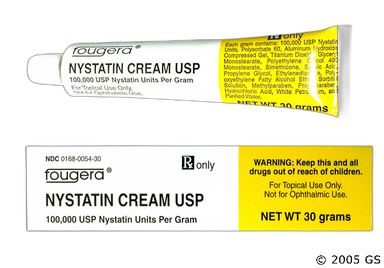
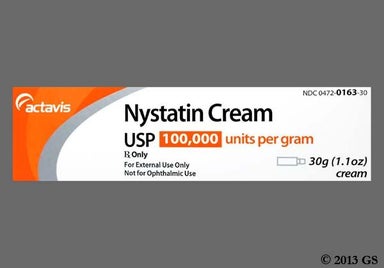
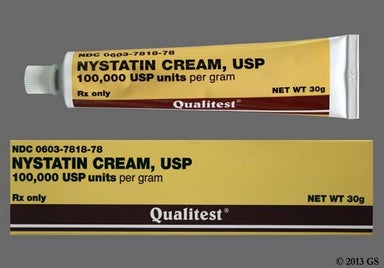
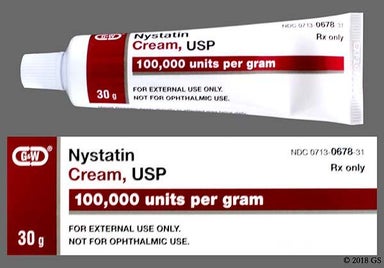
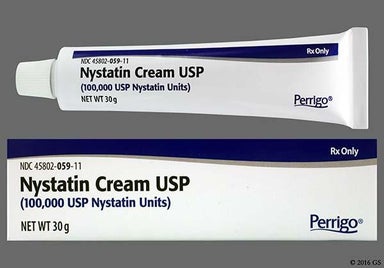
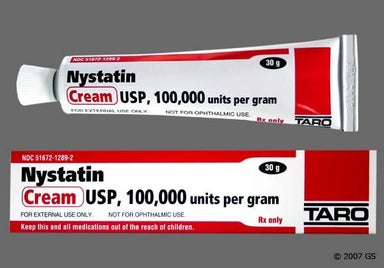
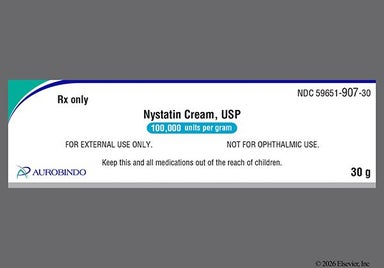
Nystatin topical is a prescription antifungal you use on your skin to treat certain fungal skin infections, like yeast infections. It's safe for all ages, even babies with diaper rash. Nystatin topical comes as a cream, ointment, or powder. You usually apply it to the affected skin 2 to 3 times a day. Sometimes, it can cause mild side effects like itching or burning where you put it on.

Nystatin topical is an antifungal. It works by breaking down the protective covering of the fungus. This stops the fungus from growing and kills it, helping to clear the infection.
| Common Brands | Nystop, Nyamyc, Klayesta |
|---|---|
| Drug Class | Antifungal |
| Controlled Substance Classification | Not a controlled medication |
| Generic Status | Lower-cost generic available |
| Availability | Prescription only |

The following side effects may get better over time as your body gets used to the medication. Let your healthcare provider know immediately if you continue to experience these symptoms or if they worsen over time.
Contact your healthcare provider immediately if you experience any of the following.
Side effects that you should report to your care team as soon as possible:
Side effects that usually do not require medical attention (report to your care team if they continue or are bothersome):




Nystatin topical can cause some serious health issues. This risk may be even higher for certain groups. If this worries you, talk to your doctor or pharmacist about other options.
Nystatin topical should only be used on your skin to treat certain fungal infections. Don’t put it in your eyes, nose, mouth, or ears, and never put it inside the vagina. If you think that your child might’ve accidentally swallowed this medication, call your Poison Control Center at 1-800-222-1222 as soon as possible.







Prescription savings
Stop paying too much for your prescriptions. Compare prices, get pharmacy coupons, and save up to 80%. Find expert answers to your health questions so you can make the best decisions for yourself and your family.
Health conditions
Medications & treatment
Access & affordability
Medication discounts

No, Nystatin isn't an antibiotic. It's an antifungal, which means it treats skin infections caused by fungi. It doesn't work for bacterial infections.
Nystatin isn't sold over the counter. You'll need a prescription from your healthcare professional to get it from the pharmacy.
Yes, Nystatin can help with itching if the itching is caused by a fungal infection on your skin. It works by killing the fungus that causes the infection, which can relieve symptoms like redness, irritation, and itching. If your itching doesn’t improve or gets worse, let your prescriber know because you might need a different treatment.
Nystatin usually starts to relieve symptoms within the first few days. In particular, the topical ointment can begin working in as little as 24 to 72 hours. How long you’ll need to use it depends on the type and how serious your infection is. Even if your symptoms start to improve, be sure to finish your full treatment so the infection goes away completely.
Yes, Nystatin can be used on the irritated skin on the outside of the groin to treat certain fungal infections, such as diaper rash. You can apply it to the skin in that area, but don’t put it inside the vagina. If the area stays very moist, the powder form might work better than the cream or ointment. Ask your prescriber if you’re not sure which option is best for you.
Studies show that Nystatin doesn't work well for treating ringworm, so dermatologists don't usually prescribe it. Other antifungal medications are much more effective and are available both over the counter and by prescription.
You shouldn't use Nystatin if you've ever had an allergic reaction to it or any of its ingredients. You also shouldn’t use it for infections it doesn’t treat, like bacterial or viral infections, because it won’t help. Always check with your prescriber before using Nystatin to make sure it’s the right medication for your condition.
No, Nystatin isn't a steroid. Steroids are usually used to relieve skin irritation due to eczema, allergies, or other causes of skin inflammation. Nystatin is an antifungal medication that treats yeast infections on the skin by targeting the fungus itself. If you aren't sure which topical product is right for you, talk to your prescriber.
