atorvastatin
Atorvastatin (Lipitor) is a statin that lowers "bad" cholesterol, raises "good" cholesterol, lowers triglycerides (TG, also known as fats). In addition, it helps protect your heart and blood vessels. Atorvastatin (Lipitor) is known as a moderate-to-high-intensity statin, meaning it lowers your cholesterol more so than many other statins. And as with all statins, atorvastatin (Lipitor) can cause rare, but serious side effects, such as liver problems or severe muscle pain. It's important that you eat a healthy diet and exercise regularly in order to get the most benefits from this medication.


What is Atorvastatin (Lipitor)?
What is Atorvastatin (Lipitor) used for?
- Prevention of heart or blood vessel problems (e.g., heart attack or stroke) in high-risk adults (e.g., diabetes, high blood pressure, family history of cholesterol problems)
- Treatment of high "bad" cholesterol and triglyceride levels in certain people
How Atorvastatin (Lipitor) works
Atorvastatin (Lipitor) is a statin. The main way it works is by blocking the enzyme (protein) in your liver that makes cholesterol. As a result, atorvastatin (Lipitor) lowers your "bad" cholesterol (called low-density lipoprotein, or LDL). Atorvastatin (Lipitor) can also raise your "good" cholesterol (called high-density lipoprotein, or HDL) levels and lower your triglyceride levels.
Drug facts



Side effects of Atorvastatin (Lipitor)
The following side effects may get better over time as your body gets used to the medication. Let your healthcare provider know immediately if you continue to experience these symptoms or if they worsen over time.
Common Side Effects
- Runny nose or sore throat (8%)
- Joint pain (7%)
- Diarrhea (7%)
- Pain in arms and legs (6%)
- Pain while urinating, needing to urinate more often, and other symptoms of an urinary tract infection (UTI) (6%)
Less Common Side Effects
- Indigestion
- Nausea
- Muscle pain or spasms
- Trouble sleeping
Atorvastatin (Lipitor) serious side effects
Contact your healthcare provider immediately if you experience any of the following.
- Severe muscle damage (rhabdomyolysis): Dark brown urine, severe muscle weakness or pain, fever, tiredness
- Worsening liver problems or liver failure: swelling of your stomach, yellowing of your skin or the whites of your eyes, confusion, dark or brown urine
More on Atorvastatin (Lipitor) side effects
The following Atorvastatin (Lipitor) side effects have also been reported
Along with its needed effects, a medicine may cause some unwanted effects. Although not all of these side effects may occur, if they do occur they may need medical attention.
Check with your doctor immediately if any of the following side effects occur:
Less common or rare
difficulty with swallowing
dizziness
fast heartbeat
muscle cramps, pain, stiffness, swelling, or weakness
puffiness or swelling of the eyelids or around the eyes, face, lips, or tongue
tightness in the chest
unusual tiredness or weakness
Incidence not known
Blistering, peeling, or loosening of the skin
chills
dark-colored urine
joint pain
large, hive-like swelling on the face, eyelids, lips, tongue, throat, hands, legs, feet, or sex organs
red skin lesions, often with a purple center sore
red, irritated eyes
sores, ulcers, or white spots in the mouth or on the lips
Some side effects may occur that usually do not need medical attention. These side effects may go away during treatment as your body adjusts to the medicine. Also, your health care professional may be able to tell you about ways to prevent or reduce some of these side effects. Check with your health care professional if any of the following side effects continue or are bothersome or if you have any questions about them:
More common
Headache
hoarseness
lower back or side pain
pain or tenderness around the eyes and cheekbones
painful or difficult urination
stuffy or runny nose
Less common
Back pain
belching or excessive gas
general feeling of discomfort or illness
heartburn, indigestion, or stomach discomfort
lack or loss of strength
loss of appetite
shivering
stomach pain
sweating
trouble sleeping
vomiting
Incidence not known
Appetite increased
black, tarry stools
bloody nose
bloody or cloudy urine
blurred vision
continuing ringing or buzzing or other unexplained noise in the ears
difficult, burning, or painful urination
difficulty seeing at night
excessive muscle tone or tension
fruit-like breath odor
groin or scrotum pain
inability to have or keep an erection
increased body movements
increased sensitivity of the eyes to light
increased sensitivity to touch or pain
increased thirst
increased urination
loss of bladder control
loss of sexual ability, drive, or desire
menstrual bleeding occurring earlier or lasting longer than usual
mental depression
nervousness
nightmares
pale skin
paranoia
pinpoint red spots on the skin
slurred speech
swollen or tender lymph glands in the neck, armpit, or groin
unable to move or feel face
unusual bleeding or bruising
Other side effects not listed may also occur in some patients. If you notice any other effects, check with your healthcare professional.
Call your doctor for medical advice about side effects. You may report side effects to the FDA at 1-800-FDA-1088.

Get your GoodRx coupon

Pros and cons of Atorvastatin (Lipitor)
Pros
- Can help lower the risk of heart attack, and stroke
- Can be used in children as young as 10 years old
- Long-acting, so can take it at anytime
- Available as a lower-cost generic
- Available as a liquid (Atorvaliq) for those having trouble swallowing the tablets
Cons
- Can't be used in pregnant or breastfeeding females
- Can't be used in people with liver problems
- Risk of side effects are higher in certain people, such as those age 65 years and older or those who drink alcohol daily
- Can cause rhabdomyolysis, a life-threatening muscle problem

Pharmacist tips for Atorvastatin (Lipitor)

- You can take atorvastatin (Lipitor) at any time of the day, but it's best to take it at the same time every day.
- If you accidentally miss a dose of atorvastatin (Lipitor), take it as soon as you remember. But if more than 12 hours have passed since the time you were scheduled to take your dose, then skip that dose and take your next dose at your regularly scheduled time. Don't take 2 doses of atorvastatin (Lipitor) at the same time to make up any missed doses.
- Limit the amount of alcohol you drink while taking atorvastatin (Lipitor). This is because alcohol can raise your risk of serious liver problems with atorvastatin (Lipitor). Ask your provider what's a safe amount of alcohol to drink while you're taking this medication.
- Let your provider know right away if you experience muscle pain or weakness, especially if you also have fever or feel extremely tired. This can be a sign of a rare, but serious, breakdown of muscles called rhabdomyolysis.
- Atorvastatin (Lipitor) interacts with many commonly prescribed medications. For example, some medications (like azole antifungals and colchicine (Colcrys, Mitigare)) can raise the level of atorvastatin (Lipitor) in your body and put you at higher risk for side effects, such as muscle damage. Your atorvastatin (Lipitor) dose might need to be lowered or you might need to switch to a different medication. Make sure to let your provider known about all the medications you're taking (including vitamins and supplements) before starting atorvastatin (Lipitor) so that they can help you check for interactions.
- It's important that you eat a healthy and balanced diet low in fat and maintain a regular exercise routine while taking atorvastatin (Lipitor). Doing so will help you get the most benefit out of the medication. Talk with your provider if you have questions about how to plan your meals and what kind of exercise is appropriate for you.
- Make sure to mark your calendar with your appointments to see your provider and to get any blood work done when you take atorvastatin (Lipitor). Your provider will order blood work to check your cholesterol levels during treatment. They might change your dose of atorvastatin (Lipitor) based on your lab results.
More tips for the tablet only:
- You can take the tablets with or without food. If it's hurting your stomach, try taking it with food to help.
- Swallow the tablets whole. If you're having trouble swallowing the tablets, ask your provider if atorvastatin (Atorvaliq) oral liquid is right for you.
More tips for the 20 mg/5 mL oral suspension (liquid) only:
- Take the liquid on an empty stomach 1 hour before or 2 hours after a meal.
- Shake the bottle well before each dose. This will make sure the medication is properly mixed so you take the correct dose.
- Make sure to only use a medication dose cup or syringe from the pharmacy to measure out your dose. Don't use household spoons because they aren't accurate and might cause you to take the wrong dose.
- Store the suspension at room temperature in the original bottle it came in from the pharmacy for up to 2 months. After 2 months, throw away the medication bottle, even if there's still some medication left.
More on Atorvastatin (Lipitor) tips

How to save using GoodRx


Common questions about Atorvastatin (Lipitor)

Risks and warnings for Atorvastatin (Lipitor)
Atorvastatin (Lipitor) can cause some serious health issues. This risk may be even higher for certain groups. If this worries you, talk to your doctor or pharmacist about other options.
Severe muscle pain and damage
- Risk factors: Age 65 years and older | Higher dose of atorvastatin (Lipitor) | Kidney problems | Taking other medications that can also cause muscle problems or interact with atorvastatin (Lipitor) | Uncontrolled hypothyroidism
Atorvastatin (Lipitor) can cause a rare, but serious and life-threatening muscle problem called rhabdomyolysis. Your risk if higher if you take other medications that can raise the levels of atorvastatin (Lipitor) in your body. For this reason, don't start any new medications without asking your provider or pharmacist first. If you notice any of symptoms of rhabdomyolysis, such as severe muscle pain, dark-colored urine, weakness, and tiredness, stop atorvastatin (Lipitor) and get medical attention right away.
Worsening liver problems and liver failure
- Risk factors: History of liver problems | Drinking large amounts of alcohol
Though rare, atorvastatin (Lipitor) can cause serious liver problems that can lead to liver failure. You'll need to get blood tests to check your liver health before and during treatment to make sure your liver is working properly. Get medical attention right away if you notice swelling of your stomach, stomach pain, yellowing of your skin or the whites of your eyes, stool changes (black, tarry, or bloody stools), nausea, vomiting, confusion, or dark or brown urine. You might need to stop using the medication to prevent further liver damage.
High blood sugar
- Risk factors: High blood sugar
Some research suggest that atorvastatin (Lipitor) can raise your blood sugars levels, which can lead to higher hemoglobin A1C levels. However, healthcare providers believe that the benefits of statins outweigh their risk for harm. Let your provider know if you have high blood sugar before starting atorvastatin (Lipitor) because you might need to monitor your blood sugar more often. Also, make sure to have a healthy, balanced diet and regular exercise while taking atorvastatin (Lipitor).
Not for use in pregnant or breastfeeding females
Atorvastatin (Lipitor) shouldn't be taken during pregnancy or breastfeeding females. This medication can cause harm to unborn and breastfed babies. If you're pregnant, thinking of becoming pregnant, or breastfeeding, ask your provider about the safest options for you.
Possible strokes or brain bleeds
- Risk factors: Stroke or other blood clot in the brain in the past 6 months
Studies are mixed, but some research suggest it's possible that atorvastatin (Lipitor) can raise the risk of stroke or brain bleeds in people who've recently had a stroke in the past 6 months. However, other research show that atorvastatin (Lipitor) doesn't raise the risk of brain bleeds in people with a history of stroke. If you've recently had a stroke or other blood clot in the brain, ask your provider whether atorvastatin (Lipitor) is safe for you.

Atorvastatin (Lipitor) dosage
 Tablet
| Dosage | Quantity | Price as low as | Price per unit |
|---|---|---|---|
| 10mg | 90 tablets | $13.32 | $0.15 |
| 20mg | 90 tablets | $10.29 | $0.11 |
| 40mg | 30 tablets | $10.25 | $0.34 |
| 80mg | 90 tablets | $17.49 | $0.19 |
Typical dosage for Atorvastatin (Lipitor)
The typical starting dose ranges from 10 mg to 20 mg by mouth once daily. The typical maintenance dose ranges between 10 mg to 80 mg once dailly.
Your provider will monitor you and change your dose depending on factors such as what you're taking the medication for, your LDL levels, if you're having side effects, or if you're taking other medications that interact with atorvastatin (Lipitor).
More on Atorvastatin (Lipitor) dosage


Interactions between Atorvastatin (Lipitor) and other drugs
More on Atorvastatin (Lipitor) interactions

Although certain medicines should not be used together at all, in other cases two different medicines may be used together even if an interaction might occur. In these cases, your doctor may want to change the dose, or other precautions may be necessary. When you are taking this medicine, it is especially important that your healthcare professional know if you are taking any of the medicines listed below. The following interactions have been selected on the basis of their potential significance and are not necessarily all-inclusive.
Using this medicine with any of the following medicines is not recommended. Your doctor may decide not to treat you with this medication or change some of the other medicines you take.
Using this medicine with any of the following medicines is usually not recommended, but may be required in some cases. If both medicines are prescribed together, your doctor may change the dose or how often you use one or both of the medicines.
- Abametapir
- Atazanavir
- Bezafibrate
- Ceritinib
- Ciprofibrate
- Clarithromycin
- Clofibrate
- Colchicine
- Conivaptan
- Cyclosporine
- Dalfopristin
- Danazol
- Daptomycin
- Darolutamide
- Darunavir
- Digoxin
- Diltiazem
- Elbasvir
- Enasidenib
- Erythromycin
- Fenofibrate
- Fenofibric Acid
- Fluconazole
- Fosamprenavir
- Fosnetupitant
- Fusidic Acid
- Gemfibrozil
- Glecaprevir
- Grazoprevir
- Indinavir
- Isavuconazonium Sulfate
- Itraconazole
- Ketoconazole
- Ledipasvir
- Leflunomide
- Letermovir
- Lopinavir
- Mibefradil
- Nefazodone
- Nelfinavir
- Netupitant
- Niacin
- Palbociclib
- Pibrentasvir
- Piperaquine
- Quinupristin
- Saquinavir
- Simeprevir
- Telaprevir
- Telithromycin
- Teriflunomide
- Tipranavir
- Troleandomycin
- Verapamil
Using this medicine with any of the following medicines may cause an increased risk of certain side effects, but using both drugs may be the best treatment for you. If both medicines are prescribed together, your doctor may change the dose or how often you use one or both of the medicines.
- Amiodarone
- Amprenavir
- Azithromycin
- Bexarotene
- Black Cohosh
- Boceprevir
- Bosentan
- Clopidogrel
- Cobicistat
- Efavirenz
- Eltrombopag
- Etravirine
- Fosphenytoin
- Fostemsavir
- Interferon Beta
- Oat Bran
- Pectin
- Phenytoin
- Pioglitazone
- Quinine
- Rifampin
- St John's Wort
- Voriconazole

How much does Atorvastatin (Lipitor) cost?

Atorvastatin (Lipitor) contraindications
Contraindications are specific health conditions or situations in which a person should not take a medication due to safety concerns. If you have any of the following conditions or if any of the following apply to you, let your healthcare provider know because Atorvastatin (Lipitor) will not be safe for you to take.
- Liver problems
- Pregnancy
- Breastfeeding

What are alternatives to Atorvastatin (Lipitor)?

News about Atorvastatin (Lipitor)








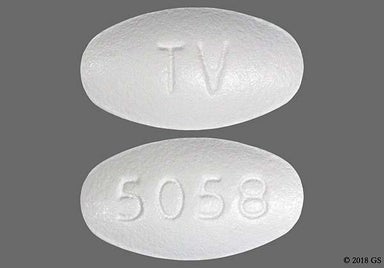
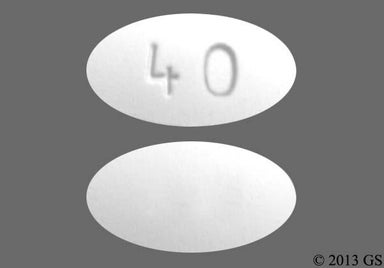
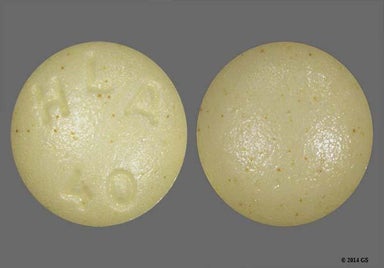
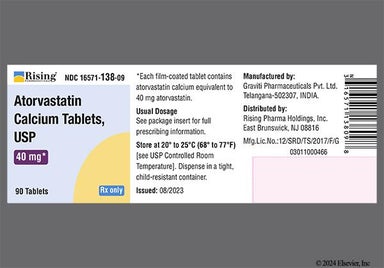
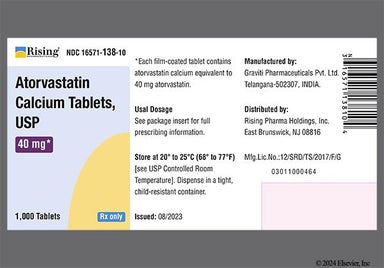
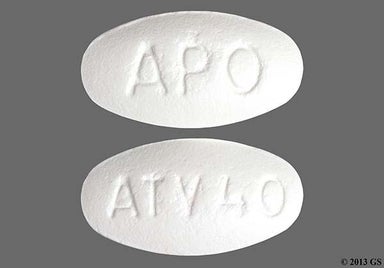
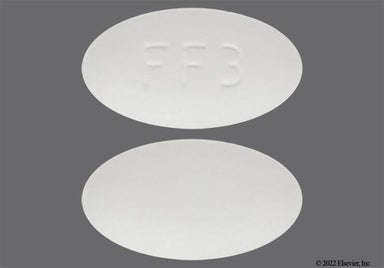
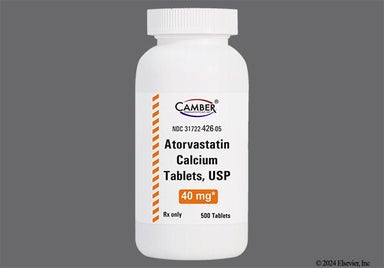
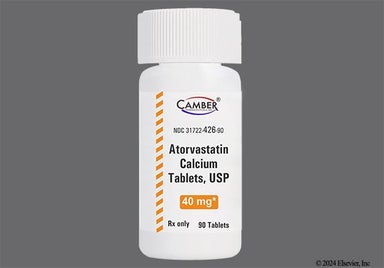
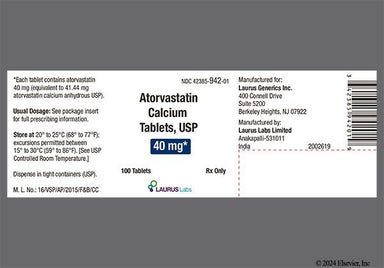
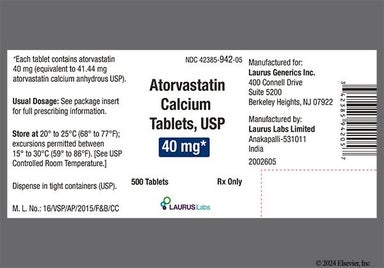
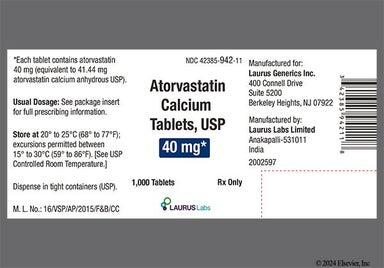
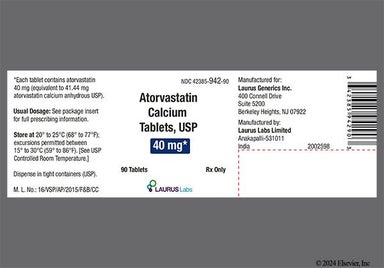
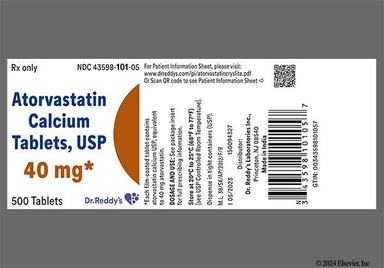
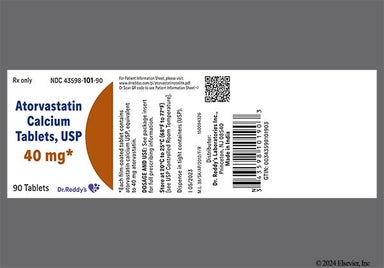
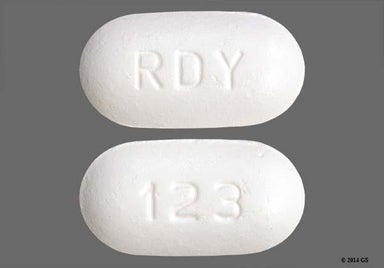
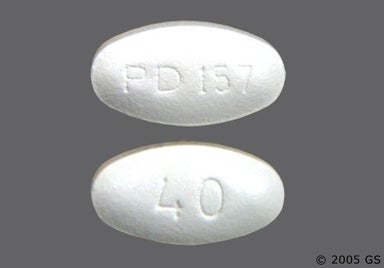
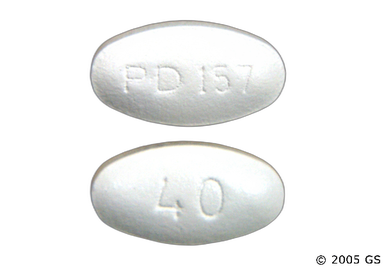
Atorvastatin (Lipitor) images