


12 Myths About the Blood Pressure Medication Amlodipine
Amlodipine works well for high blood pressure, though how it works is often misunderstood. Here’s the truth about amlodipine.
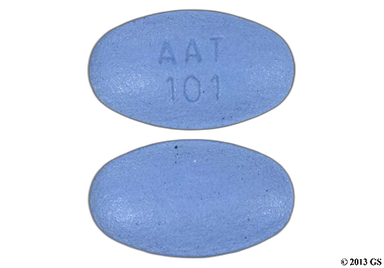
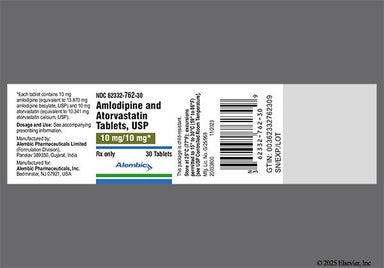
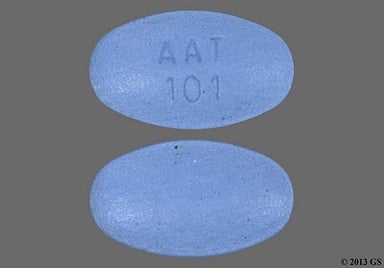
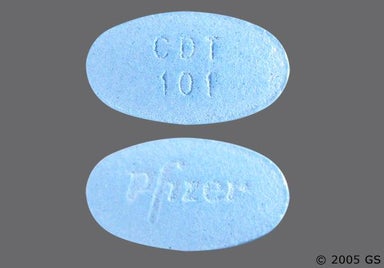
Caduet (amlodipine / atorvastatin) helps improve cholesterol levels and also lower blood pressure. This can help people who have heart problems and can help prevent further heart damage. It is for people who are already taking both drugs separately to help reduce the number of drugs they need to take a day.

Caduet (amlodipine / atorvastatin) is a combination medication containing amlodipine and atorvastatin.
| Common Brands | Caduet |
|---|---|
| Drug Class | Calcium channel blocker (CCB) / Statin combo |
| Controlled Substance Classification | Not a controlled medication |
| Generic Status | Lower-cost generic available |
| Availability | Prescription only |

The following side effects may get better over time as your body gets used to the medication. Let your healthcare provider know immediately if you continue to experience these symptoms or if they worsen over time.
Side effects are separated by the individual medications in Caduet (amlodipine / atorvastatin).
Amlodipine:
Atorvastatin:
Side effects are separated by the individual medications in Caduet (amlodipine / atorvastatin)
Amlodipine:
Atorvastatin:
Contact your healthcare provider immediately if you experience any of the following.
Along with its needed effects, a medicine may cause some unwanted effects. Although not all of these side effects may occur, if they do occur they may need medical attention.
Check with your doctor immediately if any of the following side effects occur:
More common
difficulty with swallowing
dizziness
fast heartbeat
puffiness or swelling of the eyelids or around the eyes, face, lips, or tongue
tightness in the chest
unusual tiredness or weakness
Rare
Chest pain or discomfort
dilated neck veins
extra heartbeats
irregular breathing
irregular heartbeat or pulse
swelling of the face, fingers, feet, or lower legs
Incidence not known
Blistering, peeling, or loosening of the skin
chills
dark-colored urine
joint or muscle pain
muscle cramps, spasms, or stiffness
red, irritated eyes
red skin lesions, often with a purple center
sores, ulcers, or white spots in the mouth or on the lips
Get emergency help immediately if any of the following symptoms of overdose occur:
Symptoms of overdose
Blurred vision
confusion
dizziness, faintness, or lightheadedness when getting up suddenly from a lying or sitting position
feeling of warmth
redness of the face, neck, arms, and occasionally, upper chest
sweating
Some side effects may occur that usually do not need medical attention. These side effects may go away during treatment as your body adjusts to the medicine. Also, your health care professional may be able to tell you about ways to prevent or reduce some of these side effects. Check with your health care professional if any of the following side effects continue or are bothersome or if you have any questions about them:
More common
Body aches or pain
congestion
difficulty with moving
headache
lower back or side pain
pain or tenderness around the eyes and cheekbones
painful or difficult urination
runny or stuffy nose
tender, swollen glands in the neck
voice changes
Less common
Accidental injury
acid or sour stomach
belching
bloated or full feeling
difficulty having a bowel movement (stool)
excess air or gas in the stomach or intestines
general feeling of discomfort or illness
indigestion
lack or loss of strength
loss of appetite
passing gas
shivering
sleepiness or unusual drowsiness
stomach discomfort, upset, or pain
trouble sleeping
vomiting
Rare
bad, unusual, or unpleasant (after) taste
blistering, crusting, irritation, itching, or reddening of the skin
burning feeling in the chest or stomach
burning while urinating
change in near or distance vision
change in taste
change in the color of the skin
cold and clammy skin
cracked, dry, scaly skin
difficulty in focusing eyes
dryness of the eyes
excessive muscle tone
hair loss or thinning of the hair
increased appetite
increased volume of pale, dilute urine
irritability
lack of feeling or emotion
loose stools
loss of memory
muscle tension, tightness, or weakness
problems with memory
restlessness
severe and throbbing headache
shakiness and unsteady walk
tenderness in the stomach area
transient, mild, or pleasant aromatic odor
trembling, or other problems with muscle control or coordination
twitching
uncaring
unsteadiness
welts
Other side effects not listed may also occur in some patients. If you notice any other effects, check with your healthcare professional.
Call your doctor for medical advice about side effects. You may report side effects to the FDA at 1-800-FDA-1088.




Caduet (amlodipine / atorvastatin) can cause some serious health issues. This risk may be even higher for certain groups. If this worries you, talk to your doctor or pharmacist about other options.
Some people who take Caduet (amlodipine / atorvastatin) feel muscle pain, which may be a sign of muscle and kidney damage. This is more likely to happen if you're older or if you're taking higher doses. If you suddenly feel muscle pain or weakness (not due to exercise), stop taking Caduet (amlodipine / atorvastatin) and talk to your provider right away.
Caduet (amlodipine / atorvastatin) can cause liver damage. While this is rare, you're more likely to have it if you've had liver disease in the past or drink alcohol heavily. If you notice dark urine or yellowing of your eyes or skin while taking Caduet (amlodipine / atorvastatin), talk to your provider. Your provider may also want to check your liver function with a lab test.
You may feel dizzy from a drop in your blood pressure. It might happen when you change posture, such as going from sitting to standing. This is a common early side effect of many medications that lower blood pressure including Caduet (amlodipine / atorvastatin). Typically, this will go away over time as your body gets used to the lowered blood pressure. If you're sensitive to low blood pressure, change position slowly. If the dizziness is unbearable then talk with your provider. A different medication may be better for you.
Worsening heart pain or increased risk of heart attack is possible when you first start taking Caduet (amlodipine / atorvastatin). This can also happen after you increase the dose. Seek medical attention immediately if you experience any heart pain, radiating jaw pain, crushing chest pain, or a persistent racing heartbeat.
Caduet (amlodipine / atorvastatin) can raise blood sugar levels. If you have diabetes, your provider might make some adjustments to your diabetes medications.
People taking high doses of Caduet (amlodipine / atorvastatin) are approximately 1% more likely to have rare but very serious strokes that cause bleeding inside the brain than those who are not taking Caduet (amlodipine / atorvastatin). This is more likely to happen if you've had this type of stroke before. You should talk to your provider about other medications that will help lower your cholesterol.

 Tablet
| Dosage | Quantity | Price as low as | Price per unit |
|---|---|---|---|
| 5mg/10mg | 90 tablets | $36.15 | $0.40 |
| 2.5mg/10mg | 30 tablets | $51.95 | $1.73 |
| 10mg/10mg | 30 tablets | $41.29 | $1.38 |
| 5mg/20mg | 90 tablets | $65.21 | $0.72 |
| 5mg/40mg | 90 tablets | $88.18 | $0.98 |
| 5mg/80mg | 90 tablets | $86.58 | $0.96 |
| 10mg/20mg | 30 tablets | $36.66 | $1.22 |
| 10mg/40mg | 30 tablets | $41.29 | $1.38 |
| 10mg/80mg | 30 tablets | $45.43 | $1.51 |
| 2.5mg/20mg | 30 tablets | $68.21 | $2.27 |
| 2.5mg/40mg | 30 tablets | $67.70 | $2.26 |

Although certain medicines should not be used together at all, in other cases two different medicines may be used together even if an interaction might occur. In these cases, your doctor may want to change the dose, or other precautions may be necessary. When you are taking this medicine, it is especially important that your healthcare professional know if you are taking any of the medicines listed below. The following interactions have been selected on the basis of their potential significance and are not necessarily all-inclusive.
Using this medicine with any of the following medicines is not recommended. Your doctor may decide not to treat you with this medication or change some of the other medicines you take.
Using this medicine with any of the following medicines is usually not recommended, but may be required in some cases. If both medicines are prescribed together, your doctor may change the dose or how often you use one or both of the medicines.
Using this medicine with any of the following medicines may cause an increased risk of certain side effects, but using both drugs may be the best treatment for you. If both medicines are prescribed together, your doctor may change the dose or how often you use one or both of the medicines.


Prescription savings
Stop paying too much for your prescriptions. Compare prices, get pharmacy coupons, and save up to 80%. Find expert answers to your health questions so you can make the best decisions for yourself and your family.
Health conditions
Medications & treatment
Access & affordability
Medication discounts

No, Caduet can cause serious birth defects, or even infant death. Caduet is also not recommended if you are breastfeeding. Let your provider know if you're planning to become pregnant or are currently pregnant or breastfeeding. Your provider will help you find safer ways to lower your cholesterol.
Drinking alcohol while taking Caduet can increase your risk of side effects, especially those affecting your muscles and liver. It is recommended to drink alcohol in moderation, and let your provider know if you are drinking excessively.
Caduet works best when you take it along with a healthy and balanced diet. Foods high in cholesterol or saturated fats should be eaten in moderation. Also, avoid grapefruits or grapefruit juice as it can increase the amount of medication that gets into your body and increase your risk of side effects (other fruits are OK to eat).
Unlike other similar medications, Caduet can be taken at any time of the day. This is because Caduet stays in your body longer than some other similar medications. Once you decide on the time of day that is best for you, it is important to take the medication at the same time each day.
No, Caduet is a combination of amlodipine, a calcium channel blocker, and atorvastatin, a statin. They work together to help lower your blood pressure and "bad" cholesterol in your body.
