



8 Types of Oral Diabetes Medications and How They Work
Oral diabetes medications help manage blood sugar levels in those with diabetes. Learn the types of oral medications and how they keep glucose levels stable.
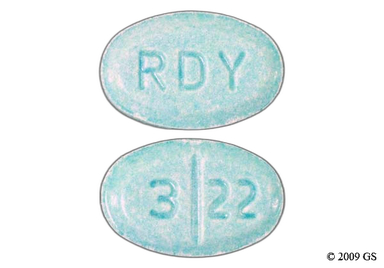
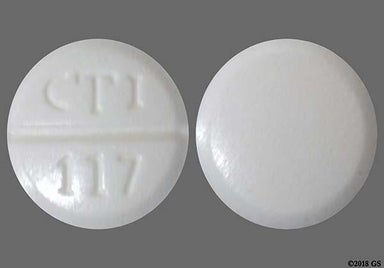
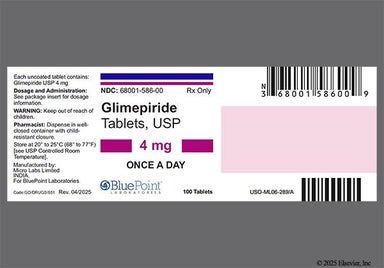
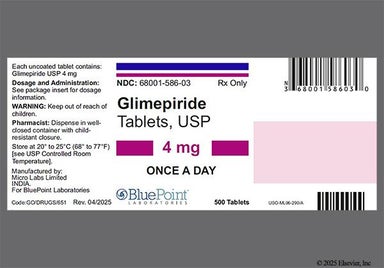
Glimepiride (Amaryl) is a medication used to treat type 2 diabetes along with a healthy diet and exercise. It's part of the medication class called sulfonylureas. This medication is taken by mouth, typically once daily with the first main meal. Some common side effects of glimepiride (Amaryl) include headaches and low blood sugar. Like other medications in its class, it can also cause weight gain. Glimepiride (Amaryl) is available as both a brand name (Amaryl) and generic tablet.

Glimepiride (Amaryl) is a sulfonylurea. It works by attaching to certain pancreatic cells in your body that make insulin. When glimepiride (Amaryl) is attached, it tells your pancreas to release more insulin into the blood, which helps to lower blood sugar.
| Common Brands | Amaryl |
|---|---|
| Drug Class | Sulfonylurea |
| Controlled Substance Classification | Not a controlled medication |
| Generic Status | Lower-cost generic available |
| Availability | Prescription only |

The following side effects may get better over time as your body gets used to the medication. Let your healthcare provider know immediately if you continue to experience these symptoms or if they worsen over time.
Contact your healthcare provider immediately if you experience any of the following.
Along with its needed effects, a medicine may cause some unwanted effects. Although not all of these side effects may occur, if they do occur they may need medical attention.
Check with your doctor immediately if any of the following side effects occur:
Rare
Difficulty with swallowing
dizziness
fast heartbeat
puffiness or swelling of the eyelids or around the eyes, face, lips, or tongue
shortness of breath
skin rash
tightness in the chest
unusual tiredness or weakness
Incidence not known
Abdominal or stomach pain
agitation
back, leg, or stomach pains
bleeding gums
blistering, peeling, or loosening of the skin
bloating of abdomen
blood in the urine or stools
bloody, black, or tarry stools
chills
coma
confusion
cough or hoarseness
dark urine
decreased urine output
difficulty with breathing
fever with or without chills
fluid-filled skin blisters
general body swelling
general tiredness and weakness
headache
high fever
hostility
irritability
joint or muscle pain
large, hive-like swelling on the face, eyelids, lips, tongue, throat, hands, legs, feet, or sex organs
lethargy
light-colored stools
loss of appetite
lower back or side pain
muscle twitching
nosebleeds
painful or difficult urination
pale skin
pinpoint red spots on the skin
puffiness or swelling of the eyelids or around the eyes, face, lips, or tongue
rapid weight gain
red, irritated eyes
red skin lesions, often with a purple center
seizures
sensitivity to the sun
skin thinness
sores, ulcers, or white spots on the lips or in the mouth
stupor
swelling of face, ankles, or hands
swollen or painful glands
unusual bleeding or bruising
upper right abdominal or stomach pain
yellow eyes or skin
Get emergency help immediately if any of the following symptoms of overdose occur:
Some side effects may occur that usually do not need medical attention. These side effects may go away during treatment as your body adjusts to the medicine. Also, your health care professional may be able to tell you about ways to prevent or reduce some of these side effects. Check with your health care professional if any of the following side effects continue or are bothersome or if you have any questions about them:
Less common
Lack or loss of strength
Incidence not known
Redness or other discoloration of the skin
severe sunburn
Other side effects not listed may also occur in some patients. If you notice any other effects, check with your healthcare professional.
Call your doctor for medical advice about side effects. You may report side effects to the FDA at 1-800-FDA-1088.




Glimepiride (Amaryl) can cause some serious health issues. This risk may be even higher for certain groups. If this worries you, talk to your doctor or pharmacist about other options.
Glimepiride (Amaryl) can cause your blood sugar levels to drop to dangerously low levels. Symptoms of low blood sugar include feeling shaky, being nervous or anxious, fast heartbeat, sweating or body chills, confusion, and feeling very hungry. Make sure you and your family know how to treat low blood sugar and when they need to call 911. You might need to check your blood sugar more often to make sure it doesn't drop too much while taking this medication. It's best to keep emergency fast-acting sugars with you at all times, in case you need to bring your blood sugar back up to a safer range.
Glimepiride (Amaryl) can sometimes cause serious allergic reactions, such as rash, peeling or blistering skin, swelling, trouble breathing, and dizziness. The risk is higher if you've had a history of allergy to sulfa medications, such as glipizide or sulfamethoxazole/trimethoprim (Bactrim). Before taking glimepiride (Amaryl), make sure to let your provider know about your medical history. If you experience an allergic reaction to glimepiride (Amaryl), stop the medication and get medical care right away.
People who took medications similar to glimepiride (Amaryl) have experienced hemolytic anemia. If you've a certain genetic condition that raises your risk of this problem, your provider will most likely consider a different medication for you. Let your provider know if you experience symptoms of anemia, such as weakness, tiredness, or dizziness.
A study of tolbutamide (a medication similar to glimepiride (Amaryl)) suggests that taking sulfonylureas might raise the risk of death due to heart problems. More research is needed in this area for glimepiride (Amaryl). Let your provider know right away if you experience any symptoms of heart attack (chest pain, sweating, nausea, or dizziness) or heart failure (trouble breathing, tiredness, swelling in your body, or sudden weight gain). Your provider might recommend that you go to the hospital and that you stop taking glimepiride (Amaryl).


Although certain medicines should not be used together at all, in other cases two different medicines may be used together even if an interaction might occur. In these cases, your doctor may want to change the dose, or other precautions may be necessary. When you are taking this medicine, it is especially important that your healthcare professional know if you are taking any of the medicines listed below. The following interactions have been selected on the basis of their potential significance and are not necessarily all-inclusive.
Using this medicine with any of the following medicines is usually not recommended, but may be required in some cases. If both medicines are prescribed together, your doctor may change the dose or how often you use one or both of the medicines.
Using this medicine with any of the following medicines may cause an increased risk of certain side effects, but using both drugs may be the best treatment for you. If both medicines are prescribed together, your doctor may change the dose or how often you use one or both of the medicines.


Contraindications are specific health conditions or situations in which a person should not take a medication due to safety concerns. If you have any of the following conditions or if any of the following apply to you, let your healthcare provider know because Glimepiride (Amaryl) will not be safe for you to take.










Prescription savings
Stop paying too much for your prescriptions. Compare prices, get pharmacy coupons, and save up to 80%.Resources
About GoodRx
 Find expert answers to your health questions so you can make the best decisions for yourself and your family.
Health conditions
Medications & treatment
Access & affordability
Well-being
Medication discounts

You should take Glimepiride with breakfast or your first main meal of the day to prevent your blood sugar from falling too low. If your first main meal is dinner, then you can take Glimepiride in the evening. If you often skip meals or don't eat consistent meals, talk to your provider about whether this medication is a good option for you.
Yes, weight gain is one of the more common side effects reported by people who took Glimepiride. This is because Glimepiride tells your pancreas to release more insulin, which turns sugar into fat. In one study, people who took this medication gained up to 4 pounds in less than 6 months. Talk with your provider if you're concerned about Glimepiride and weight gain.
A study showed that most people who took Glimepiride saw their A1C drop by 2% (from an average of 9% to about 7%) after less than 6 months of treatment. A1C is a measure of the average blood sugar levels in your body over a period of 3 months. And most people who have diabetes should aim for a goal A1C under 7%. Follow up with your provider to discuss how well Glimepiride is working to lower your blood sugar levels.
It's possible that your provider might prescribe Glimepiride and metformin for you at the same time. According to the American Diabetes Association, if you're already taking metformin and your blood sugar levels are still high, your provider might prescribe additional diabetes medications, such as Glimepiride, to help. In addition, metformin works differently than Glimepiride to lower your blood sugar. For example, metformin lowers the amount of sugar that your liver makes, makes your body more sensitive to the effects of insulin, and lowers the amount of sugar that gets absorbed through your intestines.
You'll typically experience the maximum blood sugar-lowering effects of Glimepiride about 2 to 3 hours after a dose. As a result, it's important to take this medication with a full meal to prevent your blood sugar from dropping too low during this period.
After you stop taking Glimepiride, it can take between 1 to 2 days for most of Glimepiride to leave your body. Keep in mind that this time frame is estimated based on the half-life of Glimepiride. It can also be affected by your health conditions and genetics, so it can be different for each individual person.
