protriptyline
Protriptyline is used to treat depression. It's not as commonly used today as other newer antidepressants because it needs to be taken 3 to 4 times per day. In addition, it can cause many side effects including headache, blurry vision, restlessness, and stomach-upset.


What is Protriptyline?
What is Protriptyline used for?
- Depression
How Protriptyline works
Protriptyline is a tricyclic antidepressant (TCA). The exact way it works is unknown. It thought to work by raising the levels of serotonin and norepinephrine, which are important chemicals in your brain involved with regulating mood.
Drug facts
| Common Brands | Vivactil |
|---|---|
| Drug Class | Tricyclic antidepressant |
| Controlled Substance Classification | Not a controlled medication |
| Generic Status | Lower-cost generic available |
| Availability | Prescription only |

Side effects of Protriptyline
The following side effects may get better over time as your body gets used to the medication. Let your healthcare provider know immediately if you continue to experience these symptoms or if they worsen over time.
Common Side Effects
- Nausea
- Vomiting
- Diarrhea
- Loss of appetite
- Headache
- Dry mouth
- Blurry vision
- Restlessness and anxiety
- Tremors, shakiness
- Trouble sleeping
- Constipation
- Change in taste
- Trouble getting or maintaining an erection
Protriptyline serious side effects
Contact your healthcare provider immediately if you experience any of the following.
- Suicidal thoughts or behaviors
- Heart attack: chest pain, cold sweats, left arm pain, difficulty breathing
- Stroke: sudden numbness, weakness, confusion, or difficulty talking
- Serious allergic reaction: difficulty breathing, hives, itching, fast heartbeat, tightness in the throat, dizziness, swelling in the face or tongue
The following Protriptyline side effects have also been reported
Along with its needed effects, a medicine may cause some unwanted effects. Although not all of these side effects may occur, if they do occur they may need medical attention.
Check with your doctor immediately if any of the following side effects occur:
Incidence not known
Abdominal or stomach pain
agitation or irritability
blurred vision
burning, crawling, itching, numbness, prickling, "pins and needles", or tingling feelings
change in urination
chest pain or discomfort
clay-colored stools
cold sweats
confusion about identity, place, and time
continuing ringing, buzzing, or other unexplained noise in the ears
convulsions
cool, pale skin
difficulty with speaking
dizziness, faintness, or lightheadedness when getting up suddenly from a lying or sitting position
double vision
false beliefs that cannot be changed by facts
fast, pounding, or irregular heartbeat or pulse
feeling of warmth
feeling, seeing, or hearing things that are not there
feeling that others are watching you or controlling your behavior
feeling that others can hear your thoughts
fever with or without chills
hearing loss
hostility
hyperventilation
inability to move the arms, legs, or facial muscles
lack of coordination
lower back or side pain
mood or mental changes
muscle spasm or jerking of all extremities
muscle trembling or twitching
nightmares
pain or discomfort in the arms, jaw, back, or neck
panic
pinpoint red or purple spots on the skin
pounding in the ears
redness of the face, neck, arms, and occasionally, upper chest
shakiness and unsteady walk
slurred speech
sores, ulcers, or white spots on the lips or in the mouth
stiffness of the limbs
stupor
sweating
swelling of face, ankles, or hands
swollen glands
talking, feeling, and acting with excitement
trouble sleeping
twisting movements of body uncontrolled movements, especially of the face, neck, and back
unusual behavior
unusual bleeding or bruising
unusual tiredness or weakness
weakness in the arms, hands, legs, or feet
weight gain or loss
yellow eyes or skin
Get emergency help immediately if any of the following symptoms of overdose occur:
Symptoms of overdose
Change in consciousness
clumsiness
disorientation
disturbed concentration
drowsiness to profound coma
enlarged pupils
increased or excessive unconscious or jerking movements
low body temperature
muscle aches or tightness
muscle weakness
severe sleepiness
shivering
trouble breathing
weak or feeble pulse
Some side effects may occur that usually do not need medical attention. These side effects may go away during treatment as your body adjusts to the medicine. Also, your health care professional may be able to tell you about ways to prevent or reduce some of these side effects. Check with your health care professional if any of the following side effects continue or are bothersome or if you have any questions about them:
Incidence not known
Abdominal or stomach cramps
bigger, dilated, or enlarged pupils (black part of the eye)
black tongue
difficulty having a bowel movement (stool)
enlargement or swelling of the breasts
hair loss or thinning of the hair
hives or welts
increased in sexual ability, desire, drive, or performance
increased sensitivity of the eyes to light
increased sensitivity of the skin to sunlight
pain or discomfort in the chest, upper stomach, or throat
peculiar taste
severe sunburn
small red or purple spots on the skin
swelling of the testicles
swelling or inflammation of the mouth
swollen, painful, or tender lymph glands on side of the face or neck
unexpected or excess milk flow from the breasts
waking to urinate at night
Other side effects not listed may also occur in some patients. If you notice any other effects, check with your healthcare professional.
Call your doctor for medical advice about side effects. You may report side effects to the FDA at 1-800-FDA-1088.

Pros and cons of Protriptyline
Pros
- Can take with or without food
- Taken by mouth
- Available as a lower-cost generic
Cons
- Needs to be taken multiple times a day
- Should be used with caution in older adults, especially if there's a history of heart problems
- Can cause withdrawal symptoms if you suddenly stop taking it

Pharmacist tips for Protriptyline

- You can take protriptyline with or without food. If it upsets your stomach, try taking it with food to help.
- Protriptyline can take 1 to 2 months to work to treat your depression symptoms. You might feel side effects before feeling any benefit. It might take some time to find the dose that works best for you. Make sure to keep taking the medication unless your provider specifically told you to stop taking it.
- Don't change your dose or stop taking protriptyline without talking to your provider first. Doing so can cause bothersome withdrawal symptoms like nausea, headache, and sleeping problems. Follow your provider's instructions to lower your dose slowly over a period of time to completely stop the medication.
- Antidepressant medications like protriptyline can raise the risk of suicidal thoughts. Contact your provider right away if you or your loved ones notice any new or worsening changes in your behavior or mood while taking the medication.
- Protriptyline can cause side effects, such as dizziness and blurry vision, especially when you first start this medication or when your dose is changed. Don't drive or do anything that requires concentration until you know how the medication affects you.
- Protriptyline can cause your blood sugar to get too high or too low. If you have diabetes, you might need to check and record your blood sugar regularly while using the medication.
- If you have an upcoming surgery, tell you're provider you're taking protriptyline. They might need to pause your treatment.
- Make sure to tell your providers about all of the medications you're taking. Don't start any new medications without talking to your provider first. It's important for your providers to make sure all your medications are safe for you because protriptyline can interact with many medications. Some medications include sedatives, opioid pain medications, antihistamines, and monoamine oxidase inhibitors (MAOIs). These combinations with protriptyline can raise your risk of side effects.

Risks and warnings for Protriptyline
Protriptyline can cause some serious health issues. This risk may be even higher for certain groups. If this worries you, talk to your doctor or pharmacist about other options.
Worsening depression, suicidal thoughts, and unusual behavior
- Risk factors: Age under 24 years old | History of depression or other mental health conditions
 Taking protriptyline can make your depression worse and cause you to have thoughts of suicide or harming yourself. The risk is highest if you're 24 years of age or younger, during the first few weeks of taking the medication, and when your dose changes. If you or anyone around you notice that you have suicidal thoughts or unusual behavior (e.g., anxiety, panic attacks, difficulty sleeping, feeling angry or irritated, restlessness) while taking protriptyline, get medical help right away.
Not for use alone in bipolar disorder
Depression can be the first sign of bipolar disorder. If you're at risk for bipolar disorder, taking antidepressants like protriptyline by themselves can trigger a bipolar manic episode. Before starting protriptyline, your provider will check to see if you have or are at risk for bipolar disorder. Protriptyline isn't used to treat bipolar depression. Talk to your provider right away if you or your loved ones notice unusual changes in your behavior, such as racing thoughts, restlessness, getting easily distracted, or unusual talkativeness.
Higher risk of falls
- Risk factors: Age 65 years or older | Low blood pressure | Taking medications that lower blood pressure | History of medical conditions that can lower blood pressure
Protriptyline can make you feel tired. It can also lower your blood pressure, which can make you feel dizzy or lose your balance. These can all lead to accidental falls. When standing from a sitting or lying position, make sure to get up slowly and hold onto something. If you still feel dizzy after a couple weeks or experience a fall while taking protriptyline, contact your provider. They might recommend that you switch to a different medication.
Risk of heart problems, heart attack, or stroke
- Risk factors: History of heart problems | Taking high doses of protriptyline
Though rare, it's possible for protriptyline to affect your heart rhythm and cause a fast or irregular heart beat. In addition, some people taking medications like protriptyline have had a heart attack or stroke during treatment. If you have any heart problems or had a stroke before, talk to your provider before starting protriptyline to see if this medication is right for you.
Seizures
- Risk factors: History of seizures | Taking high doses of protriptyline
Protriptyline might raise your risk of seizures, especially when used at higher doses. If you've had a seizure before, discuss with your provider to see if protriptyline is right for you.
Glaucoma
- Risk factors: History of angle-closure glaucoma
Protriptyline can lead to or worsen angle-closure glaucoma. You might need to see your optometrist regularly and get eye exams to check your eyes and make sure your vision isn't worsening. Contact your provider if you notice changes in your vision after starting protriptyline.

Protriptyline dosage


Interactions between Protriptyline and other drugs
Although certain medicines should not be used together at all, in other cases two different medicines may be used together even if an interaction might occur. In these cases, your doctor may want to change the dose, or other precautions may be necessary. When you are taking this medicine, it is especially important that your healthcare professional know if you are taking any of the medicines listed below. The following interactions have been selected on the basis of their potential significance and are not necessarily all-inclusive.
Using this medicine with any of the following medicines is not recommended. Your doctor may decide not to treat you with this medication or change some of the other medicines you take.
- Bepridil
- Bromopride
- Cisapride
- Clorgyline
- Dronedarone
- Grepafloxacin
- Isocarboxazid
- Levomethadyl
- Linezolid
- Mesoridazine
- Methylene Blue
- Metoclopramide
- Moclobemide
- Phenelzine
- Pimozide
- Piperaquine
- Ranolazine
- Safinamide
- Selegiline
- Sparfloxacin
- Terfenadine
- Thioridazine
- Tranylcypromine
- Ziprasidone
Using this medicine with any of the following medicines is usually not recommended, but may be required in some cases. If both medicines are prescribed together, your doctor may change the dose or how often you use one or both of the medicines.
- Aceclofenac
- Acemetacin
- Albuterol
- Alfentanil
- Alfuzosin
- Amiodarone
- Amisulpride
- Amitriptyline
- Amoxapine
- Amphetamine
- Amtolmetin Guacil
- Anagrelide
- Apomorphine
- Aprindine
- Aripiprazole
- Aripiprazole Lauroxil
- Arsenic Trioxide
- Asenapine
- Aspirin
- Astemizole
- Azithromycin
- Benzhydrocodone
- Benzphetamine
- Bromfenac
- Bufexamac
- Buprenorphine
- Bupropion
- Buserelin
- Butorphanol
- Celecoxib
- Ceritinib
- Chloroquine
- Chlorpromazine
- Choline Salicylate
- Ciprofloxacin
- Citalopram
- Clarithromycin
- Clofazimine
- Clomipramine
- Clonidine
- Clonixin
- Clozapine
- Codeine
- Crizotinib
- Cyclobenzaprine
- Dabrafenib
- Darunavir
- Dasatinib
- Degarelix
- Delamanid
- Desipramine
- Deslorelin
- Desmopressin
- Desvenlafaxine
- Deutetrabenazine
- Dexibuprofen
- Dexketoprofen
- Dextroamphetamine
- Dextromethorphan
- Diclofenac
- Diflunisal
- Dihydrocodeine
- Dipyrone
- Disopyramide
- Dofetilide
- Dolasetron
- Domperidone
- Donepezil
- Droperidol
- Droxicam
- Efavirenz
- Encorafenib
- Enflurane
- Entrectinib
- Epinephrine
- Erythromycin
- Escitalopram
- Etodolac
- Etofenamate
- Etoricoxib
- Felbinac
- Fenfluramine
- Fenoprofen
- Fentanyl
- Fepradinol
- Feprazone
- Fingolimod
- Flecainide
- Floctafenine
- Fluconazole
- Flufenamic Acid
- Fluoxetine
- Flurbiprofen
- Foscarnet
- Fostemsavir
- Frovatriptan
- Gatifloxacin
- Gemifloxacin
- Glasdegib
- Glucagon
- Glycopyrrolate
- Glycopyrronium Tosylate
- Gonadorelin
- Goserelin
- Granisetron
- Halofantrine
- Haloperidol
- Halothane
- Histrelin
- Hydrocodone
- Hydromorphone
- Hydroxychloroquine
- Hydroxyzine
- Ibuprofen
- Ibutilide
- Iloperidone
- Imipramine
- Indomethacin
- Inotuzumab Ozogamicin
- Iobenguane I 123
- Iobenguane I 131
- Iproniazid
- Isoflurane
- Isradipine
- Ivabradine
- Ivosidenib
- Ketoconazole
- Ketoprofen
- Ketorolac
- Lapatinib
- Lasmiditan
- Lefamulin
- Lenvatinib
- Levalbuterol
- Levofloxacin
- Levorphanol
- Lisdexamfetamine
- Lithium
- Lofexidine
- Lopinavir
- Lorcainide
- Lornoxicam
- Loxapine
- Loxoprofen
- Lumefantrine
- Lumiracoxib
- Macimorelin
- Meclofenamate
- Mefenamic Acid
- Mefloquine
- Meloxicam
- Meperidine
- Metaxalone
- Methacholine
- Methadone
- Methamphetamine
- Metronidazole
- Mifepristone
- Mirtazapine
- Moricizine
- Morniflumate
- Morphine
- Morphine Sulfate Liposome
- Moxifloxacin
- Nabumetone
- Nafarelin
- Nalbuphine
- Naproxen
- Naratriptan
- Nefopam
- Nepafenac
- Niflumic Acid
- Nilotinib
- Nimesulide
- Nimesulide Beta Cyclodextrin
- Norepinephrine
- Norfloxacin
- Nortriptyline
- Octreotide
- Ofloxacin
- Ondansetron
- Osilodrostat
- Osimertinib
- Oxaliplatin
- Oxaprozin
- Oxycodone
- Oxymetazoline
- Oxymorphone
- Oxyphenbutazone
- Ozanimod
- Paliperidone
- Palonosetron
- Panobinostat
- Parecoxib
- Pargyline
- Paroxetine
- Pasireotide
- Pazopanib
- Pentamidine
- Pentazocine
- Phenylbutazone
- Piketoprofen
- Pimavanserin
- Piroxicam
- Pitolisant
- Ponesimod
- Posaconazole
- Pranoprofen
- Procainamide
- Procarbazine
- Prochlorperazine
- Proglumetacin
- Promethazine
- Propafenone
- Propyphenazone
- Proquazone
- Quetiapine
- Quinidine
- Quinine
- Rasagiline
- Remifentanil
- Revefenacin
- Ribociclib
- Risperidone
- Rofecoxib
- Salicylic Acid
- Salsalate
- Scopolamine
- Secretin Human
- Selpercatinib
- Sertindole
- Sertraline
- Sevoflurane
- Siponimod
- Sodium Phosphate
- Sodium Phosphate, Dibasic
- Sodium Phosphate, Monobasic
- Sodium Salicylate
- Solifenacin
- Sorafenib
- Sotalol
- Sufentanil
- Sulindac
- Sulpiride
- Sultopride
- Sumatriptan
- Sunitinib
- Tacrolimus
- Tapentadol
- Telavancin
- Telithromycin
- Tenoxicam
- Tetrabenazine
- Tiaprofenic Acid
- Tiotropium
- Tolfenamic Acid
- Tolmetin
- Toremifene
- Tramadol
- Trazodone
- Triclabendazole
- Trifluoperazine
- Trimipramine
- Triptorelin
- Valdecoxib
- Vandetanib
- Vardenafil
- Vemurafenib
- Venlafaxine
- Vilanterol
- Vilazodone
- Vinflunine
- Voclosporin
- Voriconazole
- Vortioxetine
- Zolmitriptan
- Zotepine
- Zuclopenthixol
Using this medicine with any of the following medicines may cause an increased risk of certain side effects, but using both drugs may be the best treatment for you. If both medicines are prescribed together, your doctor may change the dose or how often you use one or both of the medicines.
- Acenocoumarol
- Arbutamine
- Atomoxetine
- Cannabis
- Carbamazepine
- Dicumarol
- Phenprocoumon
- S-Adenosylmethionine

How much does Protriptyline cost?
$53.56

Protriptyline contraindications
Contraindications are specific health conditions or situations in which a person should not take a medication due to safety concerns. If you have any of the following conditions or if any of the following apply to you, let your healthcare provider know because Protriptyline will not be safe for you to take.
- Currently taking or have taken a MAOI within the last 14 days
- Recent heart attack

What are alternatives to Protriptyline?

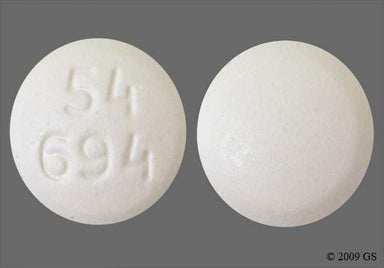
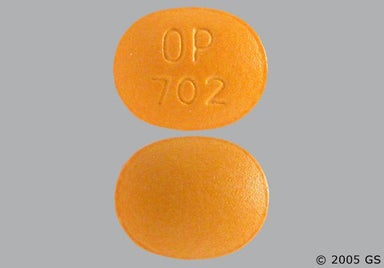
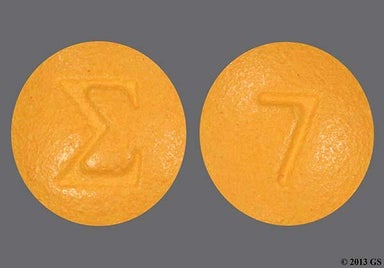
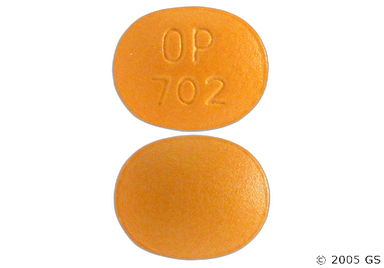
Protriptyline images